
The landscape of urban boutique fitness has undergone a significant transformation with the arrival of NRTHRN Strong, a Danish-born fitness concept that seeks to bridge the gap between seasonal winter sports and year-round metabolic conditioning. By utilizing a proprietary training apparatus designed to replicate the biomechanics of cross-country skiing, the company has established a presence in New York City’s Flatiron District, signaling a shift toward sport-specific, low-impact, high-intensity interval training (HIIT). This expansion represents a broader trend in the fitness industry where traditional outdoor disciplines are being re-engineered for indoor, space-efficient environments to meet the demands of health-conscious urban populations.
The Physiological Advantage of Nordic-Inspired Training
Cross-country skiing has long been recognized by exercise physiologists as one of the most effective full-body workouts available. Unlike many forms of cardiovascular exercise that isolate specific muscle groups, Nordic skiing requires the synchronized movement of the entire body. The sport engages the core, back, shoulders, and arms through the poling motion, while the legs and glutes provide the primary driving force. This comprehensive engagement results in a high caloric expenditure; a moderate pace can burn between 400 and 700 calories per hour, depending on the intensity and the individual’s body composition.
Scientific data supports the efficacy of this movement pattern over other winter sports. Research published in the National Institutes of Health’s PubMed database indicates that downhill skiing requires approximately two and a half hours of active movement to equal the caloric burn achieved in just one hour of cross-country skiing. Furthermore, cross-country skiers are frequently cited as having some of the highest recorded VO2 max values—a primary measure of aerobic physical fitness—among all professional athletes. By bringing this movement indoors, NRTHRN Strong aims to provide these physiological benefits without the geographical and seasonal barriers typically associated with the sport.
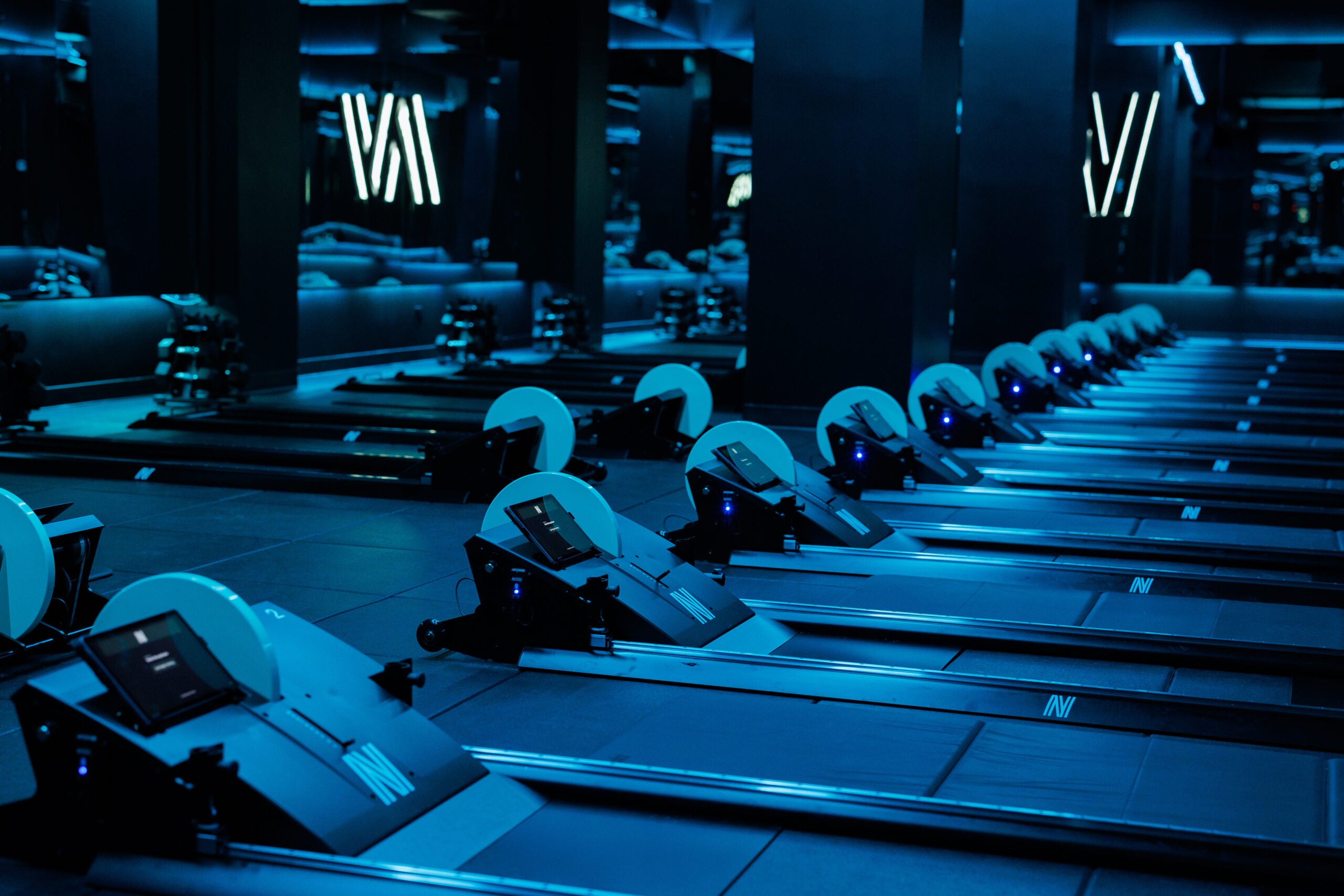
Technological Innovation: The NRTHRN Trainer
At the center of the NRTHRN Strong methodology is the NRTHRN Trainer, a patented machine that serves as a hybrid between a rowing ergometer and a specialized gliding platform. The device is designed to mimic the resistance and fluid motion of skiing on snow. Unlike traditional gym equipment, the trainer utilizes a set of poles that are inserted into sockets on the machine. These poles operate on a sliding mechanism that provides resistance during the backward stroke, mirroring the "push" phase of Nordic skiing.
The trainer is equipped with a digital interface that provides real-time feedback to the user. Metrics displayed include stroke rate, elapsed time, distance covered, and pace per 1,000 meters. This data-driven approach allows participants to track their progress and adjust their intensity levels based on specific targets set by instructors. The machine’s design emphasizes user control, ensuring that the resistance is proportional to the force applied, which minimizes the risk of injury and makes the workout accessible to a wide range of fitness levels.
Chronology of the Indoor Skiing Movement
The development of indoor skiing simulators has evolved over several decades, moving from rudimentary mechanical devices used primarily by professional athletes to sophisticated, high-tech machines found in commercial studios.
- Early 20th Century: Cross-country skiing remains a purely seasonal outdoor activity, primarily in Northern Europe and North America.
- 1980s-1990s: The introduction of the NordicTrack ski machine brings a version of the movement into the home fitness market. These early machines focused on a "skating" or "classic" stride but often lacked the integrated resistance needed for high-level athletic conditioning.
- 2000s: Professional Nordic teams begin using specialized "ski ergometers" to maintain cardiovascular fitness during the off-season. These machines often focused solely on the upper-body poling motion.
- 2010s: The rise of boutique fitness studios leads to the popularization of rowing and cycling-based workouts. Developers begin looking for the "next frontier" in low-impact cardio.
- 2020-Present: NRTHRN Strong perfects its proprietary trainer in Denmark, focusing on a more holistic simulation of the skiing motion. The company opens its flagship studio in Copenhagen before expanding to the United States market in early 2026.
The Studio Experience and Methodology
The NRTHRN Strong studio in New York City is designed to provide an immersive environment that reflects its Scandinavian heritage. The aesthetic is characterized by moody, atmospheric lighting inspired by the Aurora Borealis, creating a focused environment for high-intensity effort.
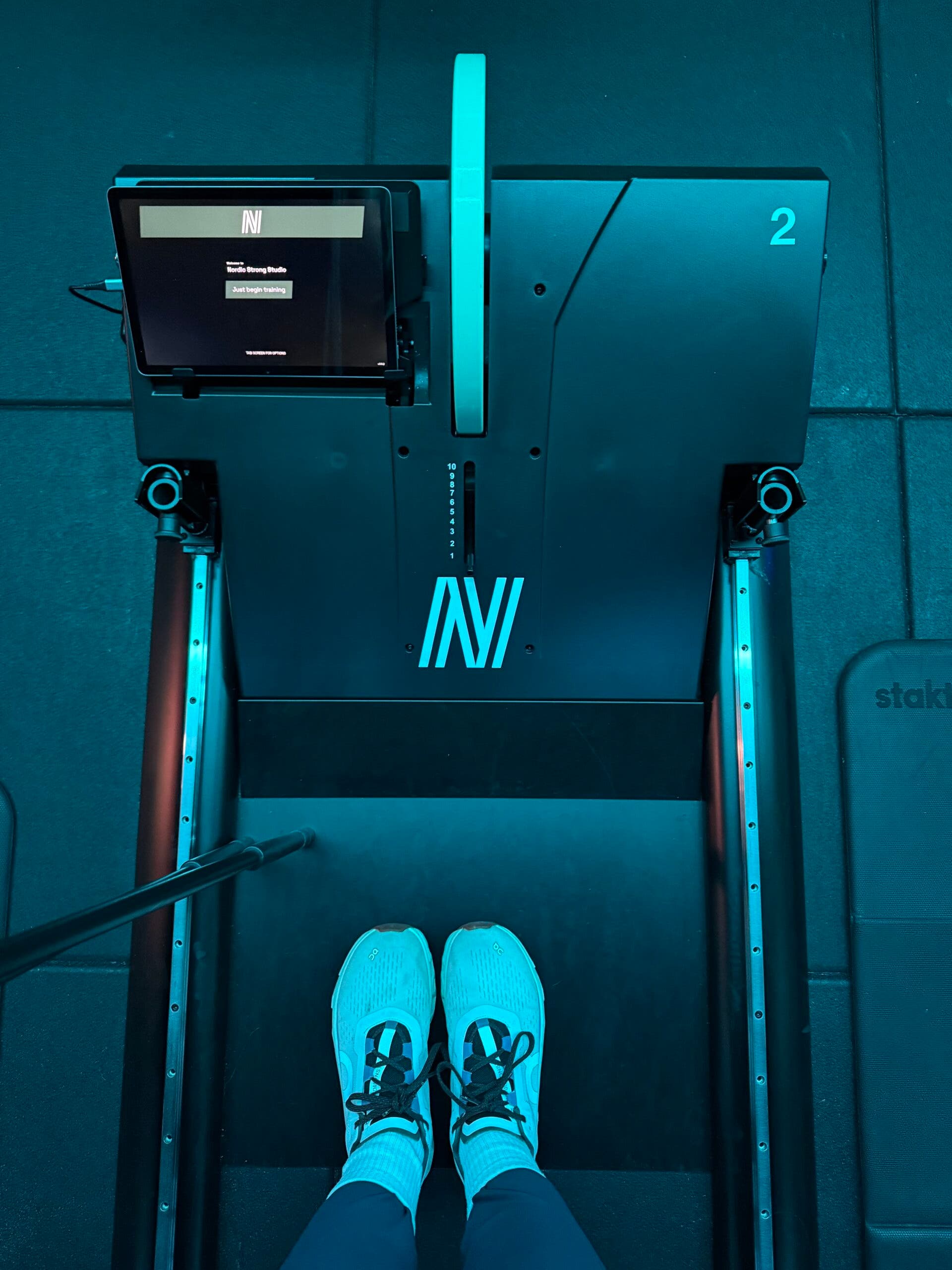
The standard 50-minute class follows a HIIT circuit structure, divided into segments that alternate between the NRTHRN Trainer and floor-based exercises. A typical session includes:
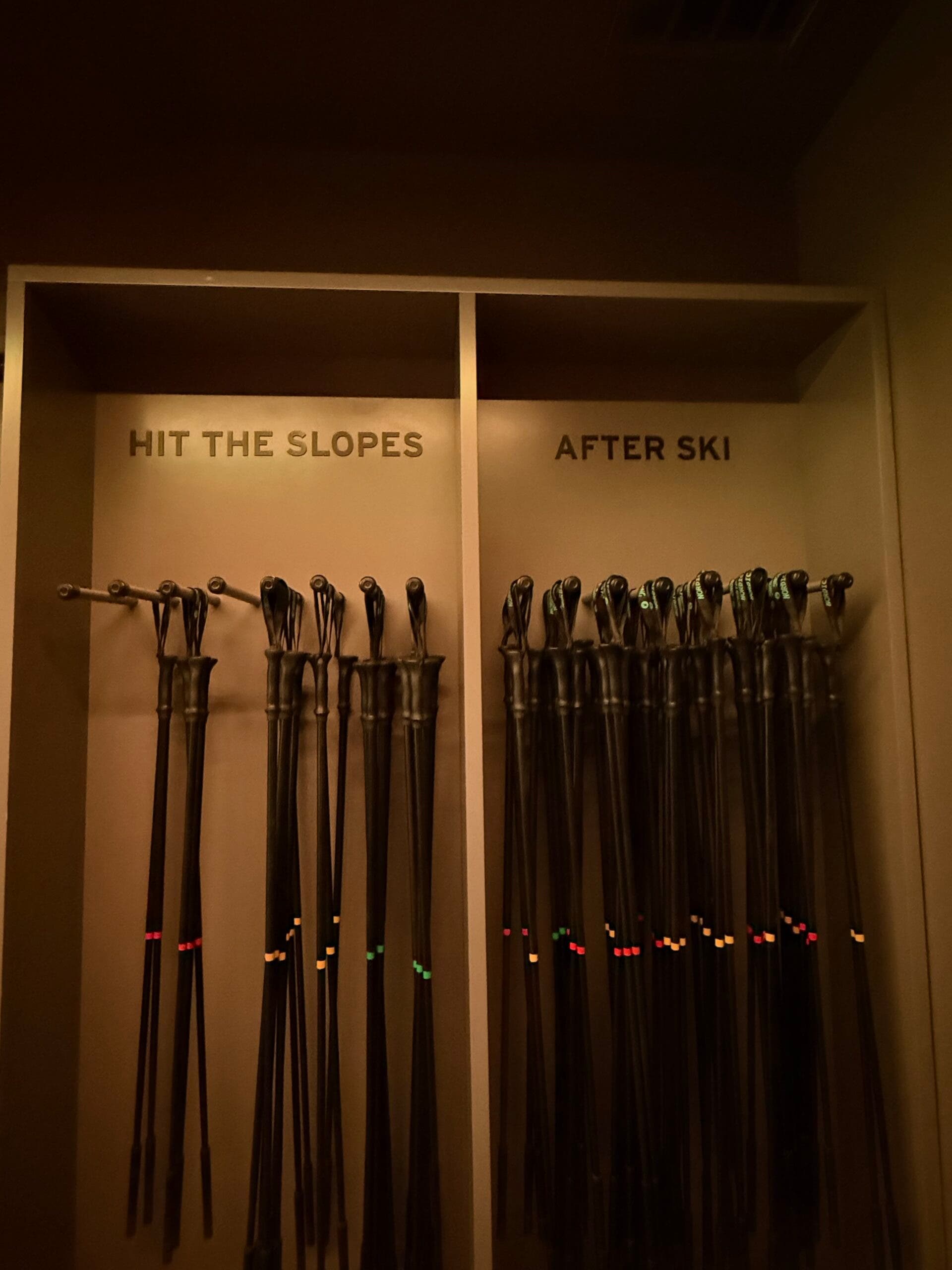
- Instructional Onboarding: New participants are guided through the selection of poles, which are provided in multiple lengths to accommodate different heights. Instructors provide a technical briefing on the "catch" and "drive" phases of the ski stroke.
- Machine Intervals: Participants engage in several ten-minute blocks on the trainer. These intervals are designed to elevate the heart rate through explosive, plyometric movements.
- Functional Strength and Core: Between machine segments, participants move to mats for targeted lower-body and core exercises. This dual approach ensures that the muscular endurance built on the machine is complemented by functional strength training.
- Time Under Tension: The rotations are timed to maximize "time under tension," a principle in strength training that refers to the amount of time a muscle is held under strain.
Market Impact and Accessibility Analysis
The introduction of NRTHRN Strong to the American market comes at a time when consumers are increasingly seeking "joint-friendly" alternatives to high-impact activities like running or traditional HIIT. The low-impact nature of the NRTHRN Trainer makes it a viable option for a diverse demographic, including aging athletes and individuals recovering from injuries.
Industry analysts suggest that the "gamification" of fitness—using real-time metrics to drive performance—is a key factor in the success of new studio concepts. By providing specific data points like stroke rate and pace, NRTHRN Strong appeals to the competitive nature of urban professionals. Furthermore, the studio’s location in the Flatiron neighborhood places it in the heart of New York’s "Fitness District," where it competes with established brands in the cycling, rowing, and Pilates sectors.
From a kinesiology perspective, the movement promoted by NRTHRN Strong is beneficial for improving kinesthetic awareness and balance. Because the machine requires coordinated movement of the limbs and core, it reinforces neural pathways associated with complex motor skills. Experts in exercise science note that this type of movement is particularly effective for improving posture and spinal alignment, as the poling motion requires a strong, stable core and engaged latissimus dorsi muscles.
Broader Implications for Winter Sports
The democratization of cross-country skiing through indoor training may have long-term implications for the sport itself. Historically, the barrier to entry for Nordic skiing has been high, requiring specialized gear, proximity to groomed trails, and specific weather conditions. By providing a low-stakes environment for individuals to learn the basic mechanics of the ski stroke, NRTHRN Strong may act as a pipeline for the outdoor industry.
Initial reports from participants indicate that the strength and cardiovascular endurance gained in the studio translate directly to the snow. As climate change continues to impact the length and reliability of winter seasons in many parts of the world, indoor simulators may become the primary way that many enthusiasts engage with the sport.
Future Outlook
NRTHRN Strong operates seven days a week, offering a variety of classes tailored to different goals, including pure strength training and body sculpting. With current locations in Copenhagen and New York City, the company is positioned for potential expansion into other major metropolitan areas where there is a high demand for innovative fitness solutions.
As the fitness industry continues to pivot toward holistic, health-focused longevity, the emphasis on low-impact, full-body conditioning is likely to remain a dominant trend. The integration of Nordic skiing principles into the mainstream fitness market represents a sophisticated evolution of the "workout of the day," prioritizing biomechanical efficiency and sustainable athletic performance. For the urban resident, the ability to "hit the slopes" in the middle of a city offers a unique combination of high-performance training and functional wellness that was previously unavailable outside of the winter months.

