
The transition from the mild temperatures of autumn to the demanding physical environment of the ski slopes requires a strategic shift in athletic preparation, focusing on a specific physiological attribute known as power endurance. While the recreational perception of skiing often emphasizes the gravitational assistance of downhill movement, the reality of the sport involves sustained eccentric loading, high-velocity lateral movements, and the continuous stabilization of the core and lower extremities. To address these demands, professional ski coach Chris Miller has developed a comprehensive training protocol designed to bridge the gap between raw muscular strength and the sustained stamina required for full-day mountain excursions. This training methodology, recently highlighted during annual industry equipment evaluations, provides a blueprint for both elite competitors and recreational enthusiasts to optimize their performance and mitigate the risk of musculoskeletal injury.
The Physiological Framework of Power Endurance in Alpine Sports
Power endurance represents the intersection of explosive force production and aerobic capacity. In the context of alpine skiing, it is defined as the ability to execute high-intensity, powerful turns repeatedly over the duration of a long descent without a significant drop in technical execution or stability. Physiologically, this requires the body to efficiently clear metabolic byproducts while maintaining the neuromuscular recruitment necessary for balance and force distribution.
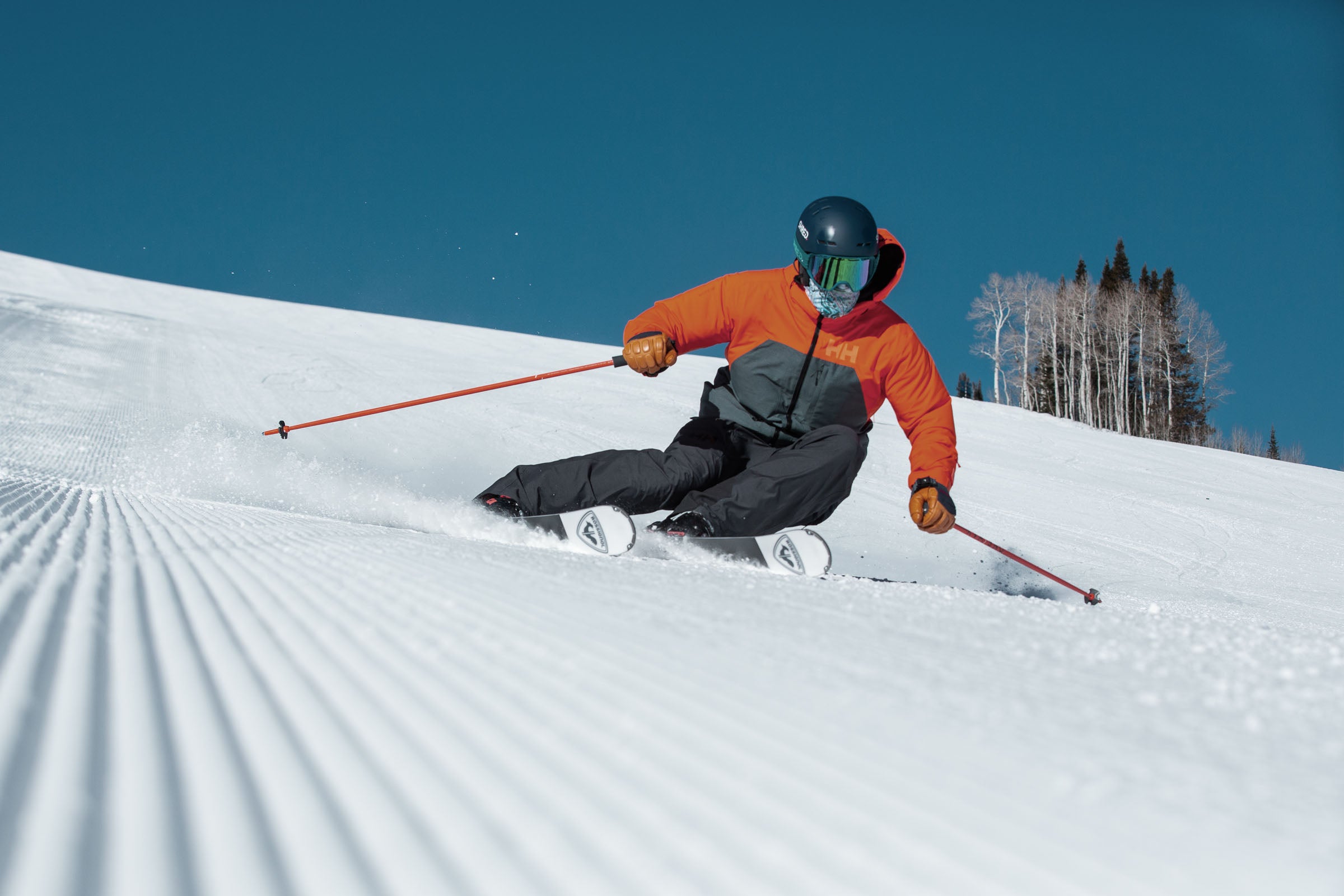
Research into alpine skiing mechanics suggests that a single turn can exert forces equivalent to several times a skier’s body weight. When these forces are multiplied across a four-minute run or an eight-hour ski day, the cumulative stress on the quadriceps, glutes, and spinal stabilizers is immense. Without specific power endurance training, skiers often experience "leg burn"—a manifestation of localized muscular fatigue that leads to a breakdown in form. According to sports medicine data, the final hours of the ski day see a statistical uptick in ligamentous injuries, particularly involving the Anterior Cruciate Ligament (ACL), as fatigued muscles fail to provide adequate joint stabilization.
The Role of Professional Coaching and the SKI Test Environment
The development of this specific workout protocol stems from observations made during the annual SKI Test, a premier industry event where testers evaluate the latest carving and all-mountain skis on varied terrain. Coach Chris Miller, who has spent years refining the physical profiles of world-class ski racers, emphasizes that true ski fitness is not merely about the size of the musculature but the functional application of that strength.
"Preparing your body for the unique demands of skiing means focusing on specific, targeted movements that build not only muscle but endurance under fatigue," Miller noted during the program’s unveiling. His approach prioritizes movements that mimic the lateral and rotational stresses of skiing, ensuring that the cardiovascular system and the skeletal muscles are synchronized. The protocol is designed to be accessible, requiring minimal equipment—typically a sandbag, a mat, and a small amount of floor space—making it a viable solution for home-based pre-season conditioning.
Comprehensive Workout Chronology and Execution
The power endurance program is structured into distinct phases: a mobility-focused warmup, a high-intensity leg circuit, and a stabilizing trunk circuit. This progression ensures that the central nervous system is primed before the high-demand movements begin.
Phase I: The Quadruped and Dynamic Warmup
The initial phase focuses on "waking up" the stabilizers. The Quadruped Series involves movements from a hands-and-knees position, such as bird-dogs and fire hydrants, performed in sets of six per side. These exercises target the multifidus and gluteus medius, muscles essential for maintaining a level pelvis during carving. Following the quadruped movements, the Lunge Series and Dynamic Series introduce multi-planar motion, preparing the hip joints for the deep flexion and extension required in moguls and steep terrain.
Phase II: The Leg Power Circuit
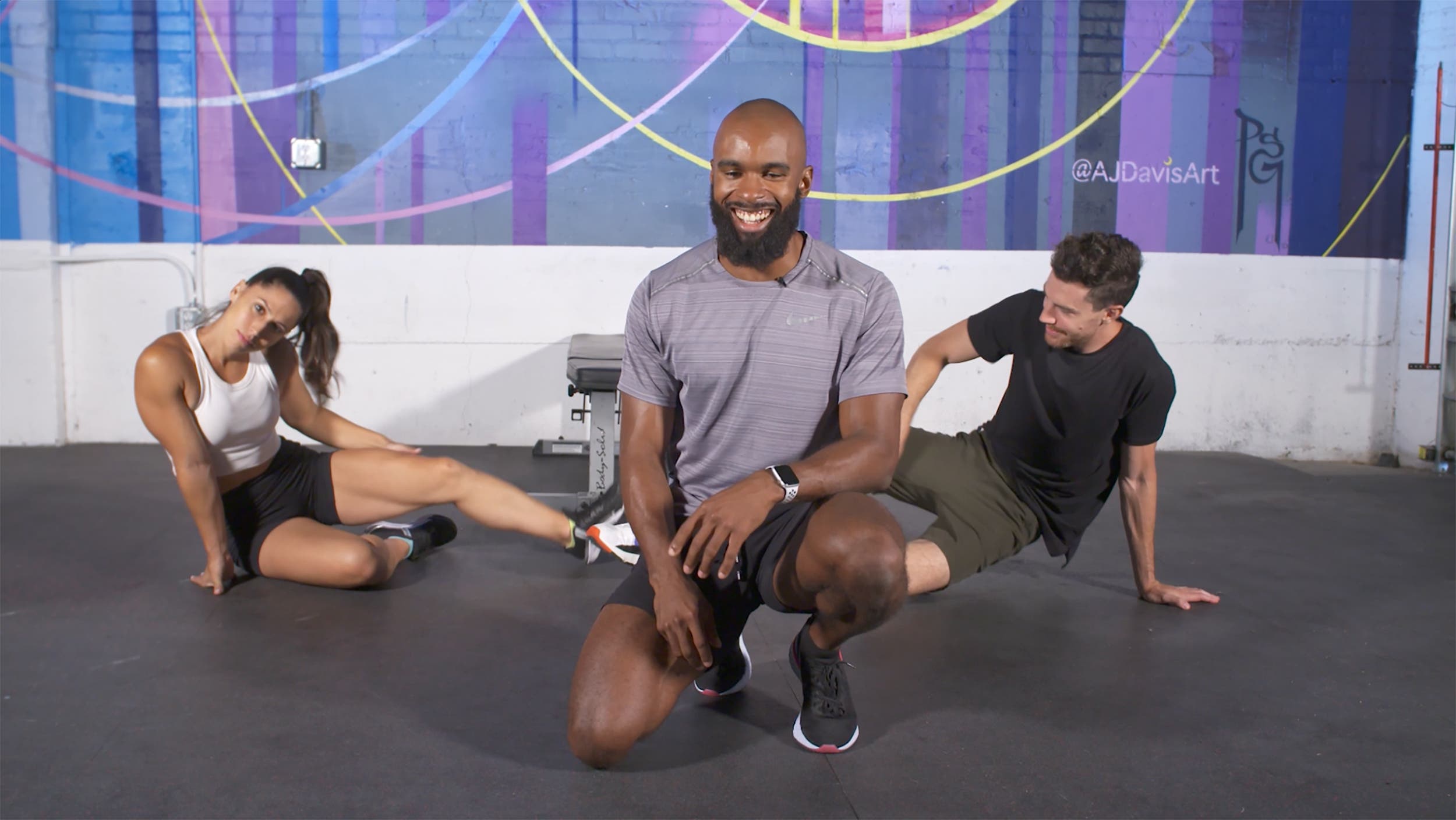
The core of the workout is the Leg Power Circuit, which utilizes a sandbag to provide an unstable, shifting load. This phase consists of four sets with no rest between individual exercises, and a 45-second recovery period between sets.
- Sandbag Squats: Emphasizing depth and explosive upward movement.
- Skater Hops: A plyometric lateral movement that mimics the side-to-side weight transfer of a carved turn.
- Lateral Lunges: Strengthening the adductors and abductors to handle the lateral G-forces of high-speed skiing.
- Weighted Step-ups: Building unilateral strength and balance.
The inclusion of skater hops is particularly critical. Biomechanical studies indicate that the lateral explosiveness developed through plyometric hopping directly correlates to a skier’s ability to maintain an edge on icy or hard-packed "corduroy" snow.
Phase III: The Trunk and Anti-Movement Circuit
The final phase addresses the "trunk," a term Miller uses to encompass the entire core complex from the diaphragm to the pelvic floor. Skiing requires "anti-movement" capabilities—the ability of the core to resist being pulled out of alignment by external forces.
- Deadbugs: A foundational core exercise that teaches spinal stabilization while the limbs are in motion.
- Anti-Rotation Presses (Pallof Presses): Using a resistance band or sandbag to prevent the torso from twisting.
- Plank Variations: Building the isometric endurance needed for long, static traverses.
Data-Driven Insights into Injury Prevention
The implementation of power endurance training is supported by a growing body of evidence regarding ski safety. A five-year study on alpine injuries found that approximately 30% of all skiing injuries are knee-related. Furthermore, the study noted that a significant portion of these incidents occurred when the skier was in a state of "functional fatigue."
By training the muscles to remain reactive even when tired, the Miller protocol addresses the primary cause of technical failure. When the quadriceps and hamstrings are conditioned for power endurance, they can more effectively absorb the "chatter" of the skis and the irregularities of the terrain, acting as biological shock absorbers that protect the underlying bone and ligament structures.
The Seasonal Training Timeline
For maximum efficacy, sports physiologists recommend that skiers begin this power endurance protocol approximately six to eight weeks before their first planned day on the mountain. The timeline generally follows a specific trajectory:
- Weeks 1-2: Focus on form and mobility, establishing the mind-muscle connection.
- Weeks 3-5: Increase intensity by adding weight to the sandbag and decreasing rest intervals.
- Weeks 6-8: Peak intensity, simulating the duration of a full ski run (approximately 2-4 minutes of continuous movement) within the circuits.
This chronological approach allows for progressive overload, ensuring that the body has adapted to the stress before it is subjected to the cold temperatures and high altitudes of the ski resort.

Broader Implications for the Ski Industry and Resort Safety
The push for better physical preparation has implications that extend beyond individual performance. As ski technology continues to evolve, allowing for higher speeds and tighter turn radii, the physical demands on the pilot of the skis have increased. Modern "carving" skis are designed to be laid over on their edges, creating significant centrifugal force. A skier who lacks the power endurance to manage these forces is a potential hazard to themselves and others on crowded slopes.
Resort operators and insurance entities have shown increasing interest in "skier wellness" initiatives. Better-conditioned skiers tend to stay on the mountain longer, contributing to the resort economy through food, beverage, and retail sales, while simultaneously reducing the strain on ski patrol and local medical facilities. Programs like the one developed by Chris Miller represent a proactive approach to mountain safety, shifting the focus from post-injury rehabilitation to pre-season injury "pre-habilitation."
Conclusion: Preparing for the Bell-to-Bell Experience
As the winter season approaches, the transition from sedentary indoor activity to the high-stakes environment of the mountains requires more than just updated equipment. The integration of power endurance training provides the necessary physical foundation to handle the complexities of modern skiing. By focusing on the specific muscular and cardiovascular demands of the sport—as outlined in the Miller protocol—skiers can ensure that their first run of the season is as strong as their last, maximizing their time on the snow while minimizing the risks inherent in the sport. Through the combination of targeted leg power, core stability, and the ability to sustain effort under fatigue, the modern skier is better equipped to enjoy the "pristine corduroy" and back-bowl powder that define the winter experience.

