
Alberta has granted conditional approval to a ambitious plan to revitalize the historically significant Fortress Mountain Resort, transforming it from a largely abandoned ski area into a year-round recreational destination. This decision, announced by the provincial government, marks a critical milestone for the project, though significant hurdles remain before shovels can break ground. The approval comes with several stipulations, including a reduction in the proposed maximum guest capacity, the elimination of an on-mountain restaurant at Whiskey Ridge, and the removal of any provisions for recreational motorized vehicle use. Developers must now submit revised documentation to the province, demonstrating their commitment to addressing these conditions.
A Long Road to Revival: The History of Fortress Mountain
Fortress Mountain, nestled in the Kananaskis region of Alberta, holds a storied past in the province’s winter sports landscape. Operational primarily as a ski resort from the mid-1960s until its closure in 2006, it was renowned for its challenging terrain, characterized by a mix of intermediate and advanced runs serviced by fixed-grip lifts. The resort’s unique microclimate, while contributing to excellent snow conditions, also presented challenges with significant wind events impacting snow retention, a factor developers are now planning to address with wind fencing. The closure in 2006 left a significant void in the regional ski offering, with only a cat-skiing operation continuing on a limited basis.
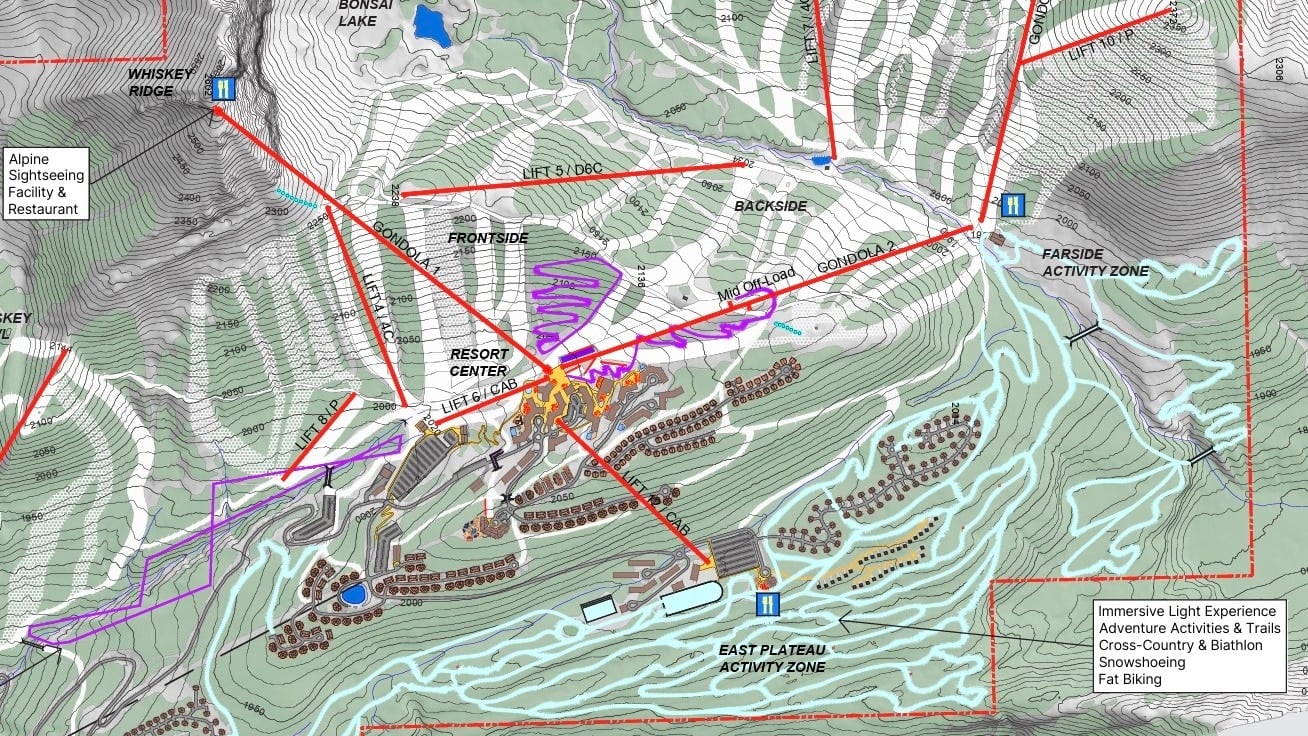
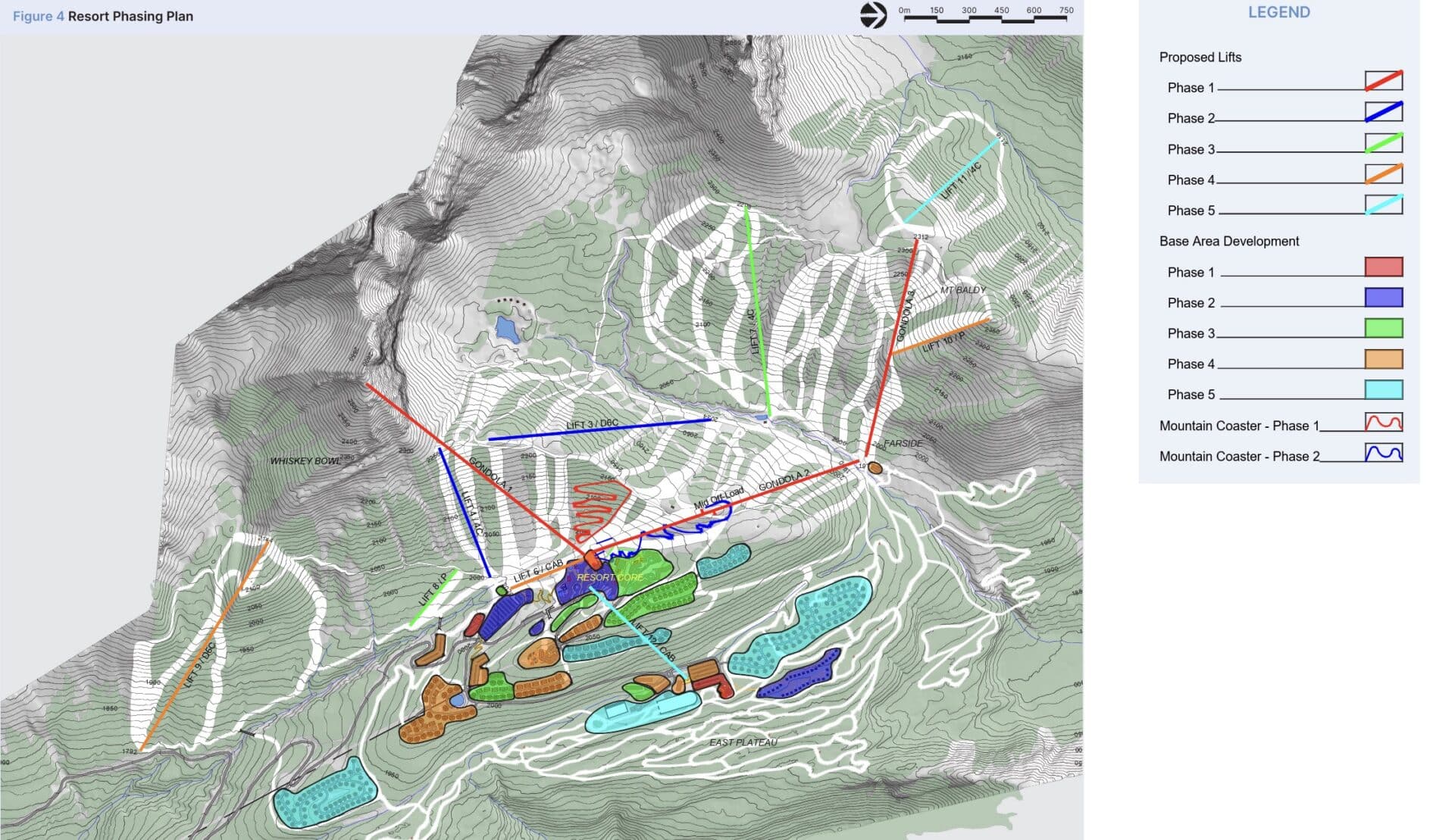
The current push for revival is intrinsically linked to Alberta’s "All-Season Resorts" initiative, introduced in late 2025. This policy aims to fast-track the development and modernization of existing ski resorts, encouraging investment in infrastructure and amenities to create year-round tourism draws. Fortress Mountain was among the first properties identified for this program, alongside other notable locations like Silvertip Resort, Castle Mountain, and Nakiska. The master plan for Fortress, developed by Ecosign, outlines a phased, 15-year development strategy.
The Vision: A Four-Season Mountain Playground
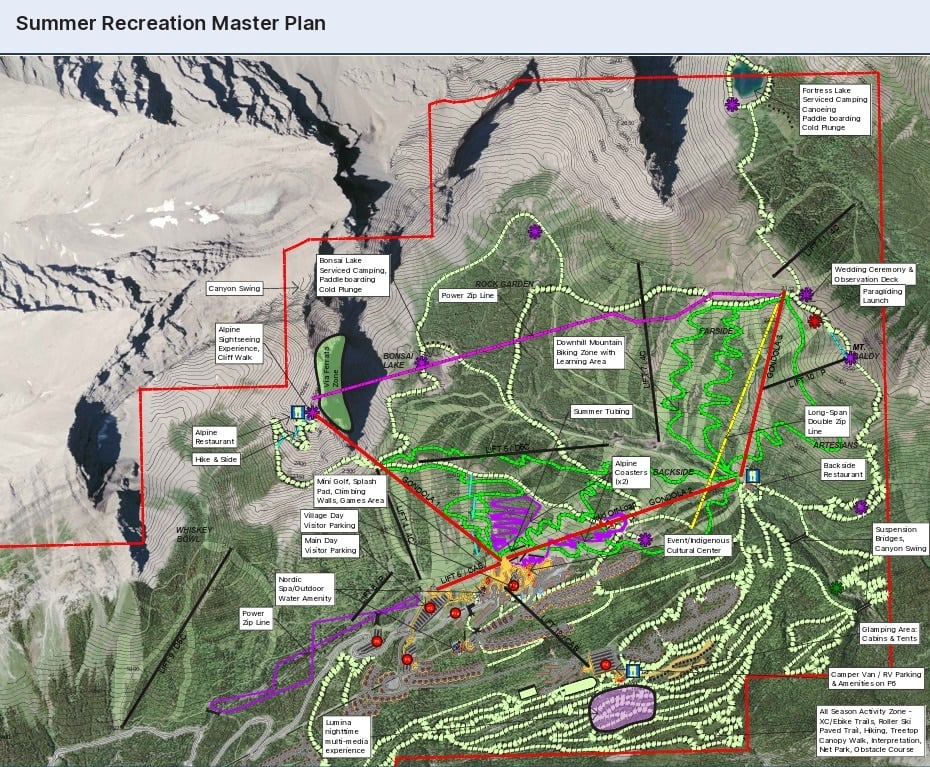
The Ecosign master plan paints a compelling picture of Fortress Mountain’s future, prioritizing summer visitation in its initial phase. This approach aims to establish a consistent revenue stream and build momentum before further winter-focused developments. Proposed summer activities are extensive and designed to appeal to a wide range of outdoor enthusiasts. These include:
- Adventure Tourism: Mountain biking, ziplining, a mountain coaster, a canyon swing, and a via ferrata.
- Recreational Trails: Dedicated hiking and biking trails designed to showcase the natural beauty of the area.
- Sightseeing: A gondola to Whiskey Ridge, intended not for skiing but for panoramic views and access to the summit for non-skiing activities.
Future phases are even more ambitious, envisioning the addition of:
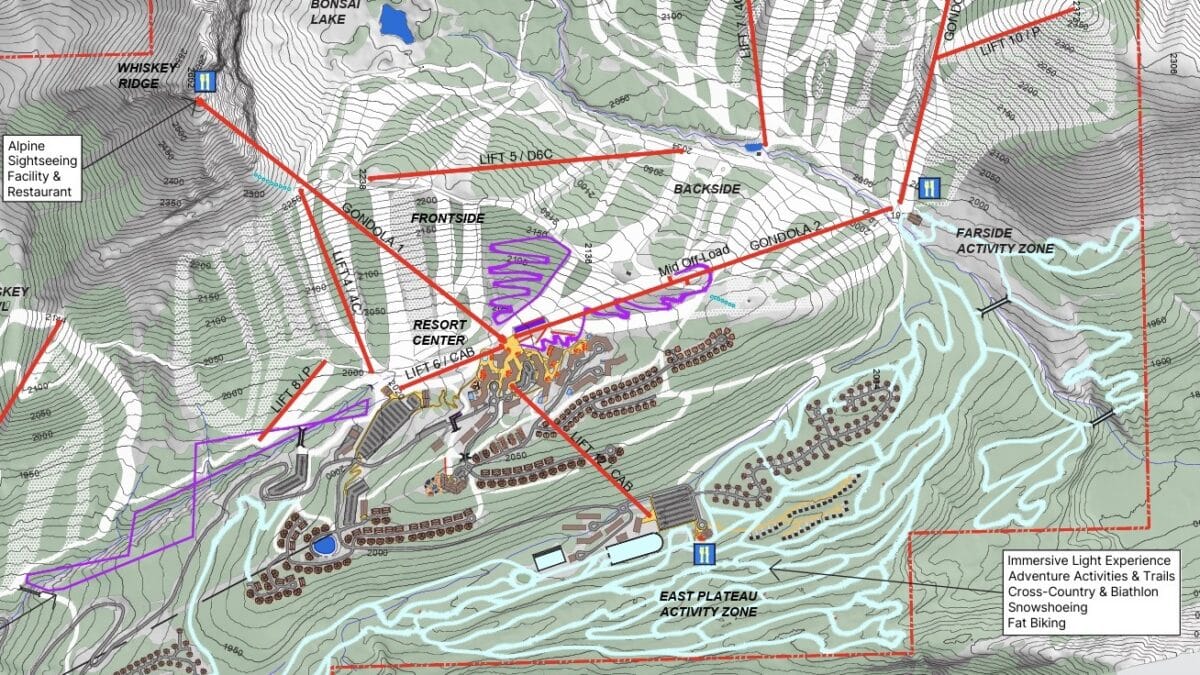
- Expanded Adventure Offerings: Another mountain coaster, cross-country biking facilities, additional ziplines, and cliff walks.
- Nature and Wellness: Water areas for paddleboarding, horseback riding, camping grounds, and a Nordic spa.
- Cultural Immersion: An Indigenous cultural center, aiming to integrate local heritage into the resort experience.
- Winter Activities (Beyond Traditional Skiing): While lift-served downhill skiing is not part of the immediate phase, plans include fat-tire biking, snowshoeing, snow tubing, and sledding. Subsequent phases may introduce cross-country ski trails, competition venues, ice skating trails, and dog sledding.
The base area development is slated to become a vibrant village, featuring a mix of accommodations including hotels, condominiums, and glamping cabins, alongside retail shops, dining establishments, and essential employee housing. A poignant aspect of the redevelopment is the planned demolition of the original, architecturally significant base lodge, which cannot be refurbished.
Navigating Complexities: Environmental and Indigenous Concerns
Despite the provincial government’s conditional approval, the path forward for Fortress Mountain is fraught with significant challenges, primarily concerning environmental impact and Indigenous consultation. The approval hinges on developers successfully addressing the province’s concerns, which stem from submissions and feedback received during the assessment process.
Rob Simieritsch, Executive Director of All-Season Resort developments for Alberta’s Ministry of Tourism and Sport, clarified the nature of the approval: "What we’ve done is said, ‘yeah, we’ve approved this concept, but there’s some more homework that you need to do.’" This indicates that the current approval is a preliminary step, requiring developers to refine their plans based on provincial directives.
A crucial outstanding requirement is meaningful consultation with an Indigenous community. The Bearspaw First Nation has previously voiced significant concerns regarding the proposed expansion. Their reservations, as reported by the Rocky Mountain Outlook, have prompted discussions between the First Nation and the developers. The outcome of these consultations will be pivotal in determining the project’s viability.
Beyond Indigenous engagement, environmental advocacy groups have also raised alarms. The Canadian Parks and Wilderness Society (CPAWS) for the Southern Alberta Sector, along with the Banff-Kananaskis MLA, have expressed apprehension about the adequacy of the environmental and wildlife impact assessments. Concerns specifically highlight the potential effects on local wildlife populations and water resources within the sensitive Kananaskis Country ecosystem. These concerns underscore the need for robust environmental stewardship and transparent communication throughout the development process.
The Master Plan and Environmental Assessment
The comprehensive master plan, submitted by Ecosign, details a meticulous approach to developing Fortress Mountain. It outlines a vision that balances economic development with environmental considerations. The environmental assessment, a separate but equally critical document, delves into the potential impacts of the proposed development on the surrounding ecosystem. This includes analyses of flora, fauna, hydrology, and recreational use of the area.
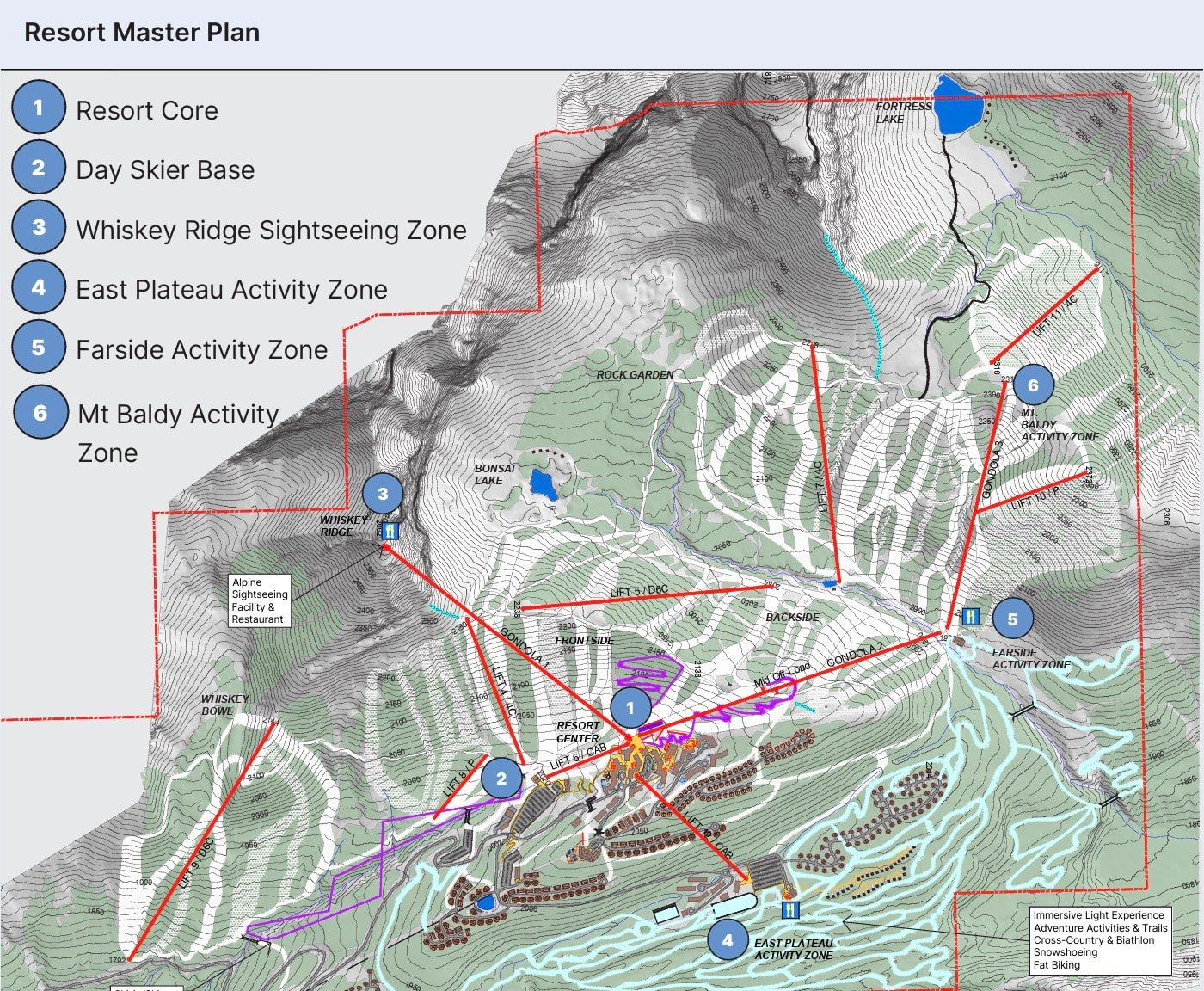
Key aspects addressed in the master plan include:
- Snow Management: Recognizing Fortress Mountain’s susceptibility to wind, the plan incorporates strategies such as extensive wind fencing to optimize snow accumulation and skiing conditions.
- Infrastructure Development: Detailed proposals for new lifts, base area facilities, and utility infrastructure are presented, alongside plans for road access and parking.
- Recreational Zoning: The plan designates specific zones for different activities to minimize conflict and enhance visitor experience.
The inclusion of links to both the master plan and the environmental assessment by the Alberta government provides transparency and allows for public scrutiny of the proposed development. These documents serve as the foundation for ongoing discussions and future regulatory approvals.
Future Implications and the Path Forward
The conditional approval of the Fortress Mountain master plan represents a significant step towards realizing a long-dormant potential within Alberta’s tourism sector. If successful, the project could create substantial economic benefits through job creation, increased tourism revenue, and diversified recreational opportunities. The focus on a four-season model is particularly strategic, aiming to mitigate the seasonality inherent in traditional ski resorts and provide a more stable economic base.
However, the journey ahead is complex. The developers must demonstrate a genuine commitment to addressing the province’s stipulations, particularly concerning guest capacity and the exclusion of motorized vehicle use. Furthermore, the successful navigation of Indigenous consultations and the thorough mitigation of environmental concerns will be paramount. The provincial government’s cautious approach, emphasizing further homework for the developers, suggests a commitment to responsible development.
The revitalization of Fortress Mountain is not merely about reopening a ski hill; it is about reimagining a mountain landscape as a multifaceted destination. The success of this endeavor will hinge on the ability of the developers, the government, Indigenous communities, and environmental stakeholders to collaborate effectively, ensuring that the future of Fortress Mountain is both prosperous and sustainable, respecting the natural beauty and cultural heritage of the Kananaskis region. The coming months will be critical as the developers work to satisfy the conditions of approval and engage in the necessary consultations that will ultimately shape the fate of this iconic Albertan mountain.

