
The trajectory of a typical ski enthusiast’s gap year often involves the repetitive motions of operating a chairlift or the patience-testing task of teaching toddlers their first "pizza" turns. However, for Dr. Greg Lichtman, a year spent at Vail’s prestigious Steadman Philippon Research Institute (SPRI) served as a foundational pivot point for a career dedicated to the intersection of orthopedics and elite athletics. During his tenure at the institute, Lichtman was immersed in a high-stakes environment, working alongside U.S. Ski Team athletes as they underwent complex surgical interventions and rigorous rehabilitation. This experience, combined with significant time spent on the mountain, provided him with a dual perspective: that of a skilled surgeon and a passionate skier. Today, as a practicing orthopedic surgeon based in Auburn, California, Lichtman’s professional mission has evolved from merely repairing torn ligaments to pioneering the prevention of the very injuries that frequently end seasons and careers.
From the East Coast to the U.S. Ski Team: A Career Dedicated to Prevention
Dr. Lichtman’s journey into the mechanics of knee injuries was significantly influenced by his geographic and academic background. Before establishing his practice near the ski hubs of Lake Tahoe, he completed a sports medicine fellowship at the University of Massachusetts. His time on the East Coast exposed him to a high volume of injuries characterized by the region’s notoriously icy and variable conditions. It was here that he noticed a glaring discrepancy in sports science: while land-based sports such as soccer and basketball benefited from extensive, data-driven injury prevention protocols, alpine skiing lacked a comparable framework.
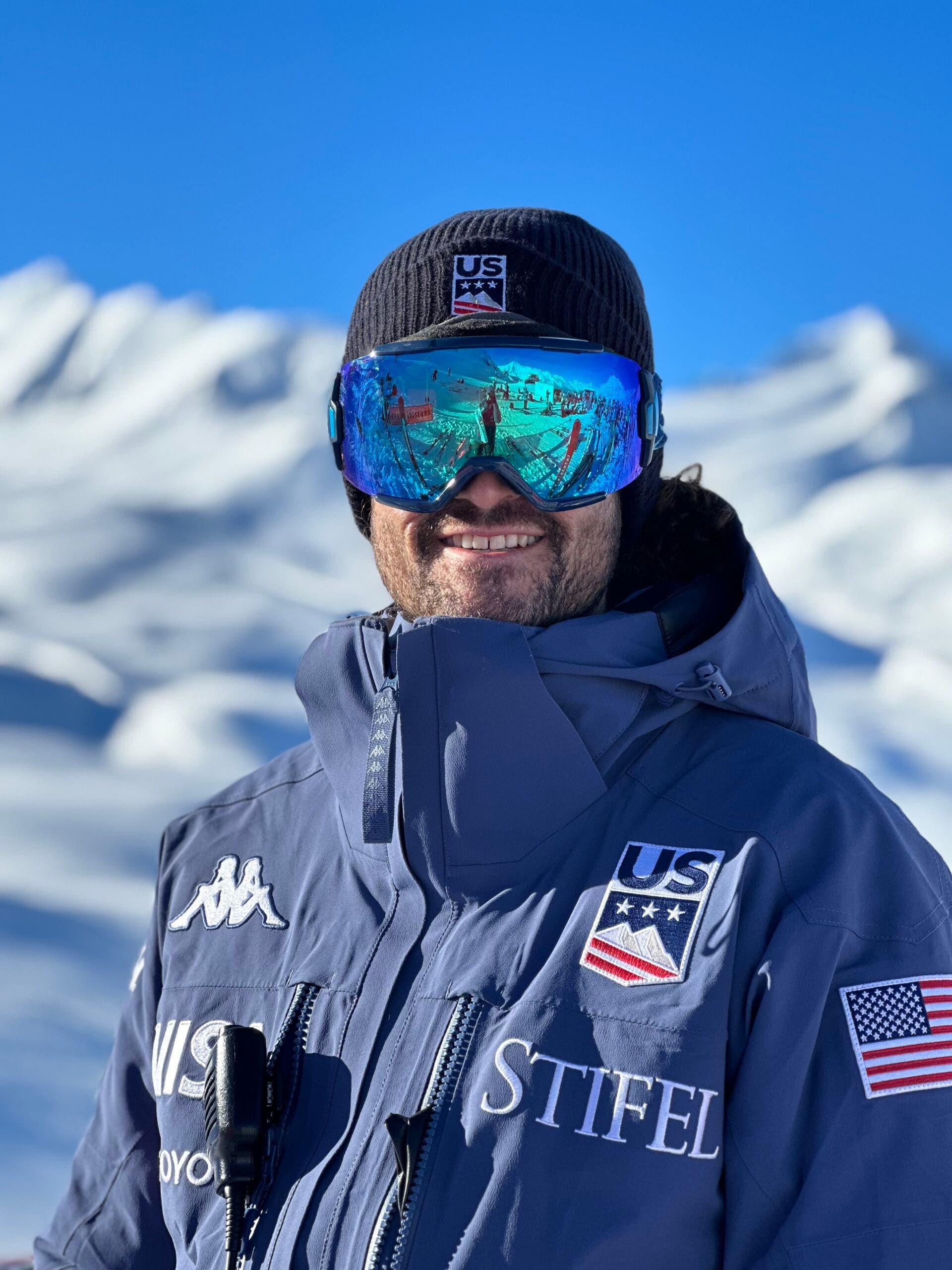
Driven by his personal passion for the sport, Lichtman sought to bridge this gap. His expertise eventually led him to a role as a pool physician for the U.S. Women’s Ski Team. This position, which he describes as the "ultimate combination of work and play," involves traveling to World Cup venues and training sites across the globe, from the steep pitches of Val d’Isère, France, to the high-altitude camps of Portillo, Chile. As he prepares for an upcoming assignment in Lillehammer, Norway, Lichtman remains focused on the data gathered from these elite athletes, using it to inform the advice he provides to recreational skiers back in California.
The Biomechanics of Failure: The 60-Millisecond Window
To prevent an injury, one must first understand the precise moment of failure. In his clinical practice and his work with the national team, Lichtman emphasizes that ACL tears are not merely the result of "falling down." Rather, they are the product of specific biomechanical "mechanisms" that often occur in less than a tenth of a second. According to Lichtman, the most dangerous position for any skier is the "backseat"—a posture where the skier’s center of mass is too far behind their boots, leading to a loss of control over the ski’s edges.
One of the most common ways an ACL is compromised is through the "Slip-catch" mechanism. This occurs when a skier is carving a turn and the downhill ski loses its grip on the snow (the slip). As the skier attempts to recover, the leg straightens and then abruptly flexes and compresses as the edge suddenly regains traction (the catch). In this 60-millisecond window, the lower leg, or tibia, undergoes a violent internal rotation or valgus (inward) collapse. It is this specific rotational force, rather than the impact of the fall itself, that typically snaps the anterior cruciate ligament.
A second, equally devastating mechanism is the "Phantom Foot" injury. This scenario often unfolds when a skier is off-balance and seated low toward the snow, with their uphill arm trailing behind them. As the uphill ski becomes unweighted, the skier’s entire body weight is thrust onto the inside edge of the downhill ski. In this position, the tail of the ski and the stiff rear of the ski boot act as a "phantom foot"—a long lever arm that applies a twisting force to the knee. Because the skier is in a deeply flexed position, the leverage is maximized, and the knee often gives way before the binding has the opportunity to release.
Environmental Risk Factors: Light, Fatigue, and "Sierra Cement"
While biomechanics explain how the ligament tears, environmental factors often explain why a skier finds themselves in a vulnerable position. Dr. Lichtman identifies three primary external risks: fatigue, visibility, and snow consistency.
Fatigue is perhaps the most insidious threat to knee health. Lichtman notes a statistical surge in ACL injuries during the month of December, as skiers return to the slopes without peak "ski legs." As muscles tire, the ability to maintain an athletic, forward-leaning stance diminishes. Skiers naturally drift into the backseat to compensate for burning quadriceps, inadvertently entering the high-risk zone for a Slip-catch or Phantom Foot event. Lichtman’s advice is clinical: "Fatigue awareness is critical. Getting off the hill before that last, tired run can be the difference between a successful season and a trip to the operating room."
Visibility also plays a major role. "Flat light" or "whiteout" conditions remove the visual cues necessary for a skier to anticipate changes in terrain. When a skier cannot see a bump or a dip, they are more likely to be "kicked" into the backseat by the terrain. Furthermore, snow quality varies by region, presenting unique challenges. On the East Coast, icy hardpack increases the likelihood of the Slip-catch mechanism because the ski struggles to find a consistent edge. Conversely, in the Sierra Nevada mountains, the heavy, wet snow often referred to as "Sierra Cement" can grab a ski and twist the leg if the skier is thrown off-balance in deep powder.
The Prevention Gap: Moving Beyond the Wall Sit
One of Dr. Lichtman’s primary concerns is that injury prevention programs in skiing lag significantly behind those in other high-impact sports. In soccer, for instance, validated ACL prevention programs have been shown to reduce injury rates by 40 to 60 percent. In skiing, however, the "preseason workout" is often reduced to a few weeks of wall sits and leg presses.
Lichtman advocates for a more holistic approach to dry-land training. While the quadriceps and hamstrings are vital, he argues that the core and the gluteus medius are the true "protectors" of the knee. The gluteus medius, responsible for lateral leg movement, is instrumental in maintaining proper alignment—keeping the knee straight over the toes rather than allowing it to collapse inward. Additionally, a strong core, including the obliques and abdominal muscles, allows a skier to recover their balance quickly when they are jarred by unexpected terrain, preventing the transition into the "backseat" position.
"Even high-level athletes neglect these muscle groups," Lichtman observes. "A two-minute wall sit might make your legs feel strong, but it won’t save your ACL if your core is weak and your glutes aren’t firing to keep your knee stable during a high-speed turn."
The Role of Equipment and the Future of Binding Technology
A common misconception among recreational skiers is that their equipment—specifically their bindings—will always protect them from injury. However, Lichtman points out a sobering reality: most ACL tears occur before the binding ever releases. Because the ACL can tear in as little as 60 milliseconds under rotational stress, the mechanical release of a standard binding is often too slow or not designed to sense the specific forces that cause the tear.
Currently, some manufacturers, such as Look, offer multidirectional release mechanisms that provide a higher degree of safety than traditional designs. Nevertheless, Lichtman believes the industry is ripe for innovation. "An area for future research is the development of a binding with high sensitivity to internal rotation of the tibia," he says. Until such technology becomes standard, he urges skiers to ensure their DIN settings (the industry scale for binding release force) are professionally calibrated based on accurate height, weight, age, and skill level. He cautions against the "pro-level" mentality of cranking bindings down to avoid pre-release, noting that recreational skiers do not face the same extreme forces as World Cup racers like Breezy Johnson.
Conclusion: Information as an Ounce of Prevention
Dr. Greg Lichtman’s dual life as a surgeon and a team physician provides him with a unique vantage point on the "epidemic" of ACL tears in the skiing community. While modern surgical techniques allow for successful ligament reconstruction and a return to sport, the recovery process is long, arduous, and expensive. For Lichtman, the goal is to shift the culture of skiing from one of reactive treatment to proactive prevention.
By understanding the 60-millisecond window of injury, recognizing the dangers of the "backseat," and committing to a comprehensive conditioning program that targets the core and glutes, skiers can significantly tilt the odds in their favor. As the ski industry continues to evolve, Lichtman remains a vocal advocate for more rigorous, data-backed prevention research. His message to the skiing public is clear: while the thrill of the mountain is found in "sending it," the longevity of a skiing career is found in the "ounce of prevention" that keeps the knee intact and the skier out of the operating room. Through a combination of better education, improved physical preparation, and a respect for the limits of both the body and the conditions, the high rates of ACL injuries in alpine skiing can—and should—be challenged.

