
On June 29, 2026, Switzerland reached a critical environmental threshold as researchers officially declared "Glacier Loss Day," the date upon which the nation’s glaciers have entirely exhausted the snow and ice accumulated during the preceding winter. This milestone, occurring significantly earlier than the historical average, signals a period of direct and permanent loss of the glaciers’ ancient ice cores for the remainder of the summer season. Under normal climatic conditions, this tipping point typically occurs in mid-to-late August. However, 2026 has emerged as a year of exceptional atmospheric stress, with Glacier Loss Day arriving nearly two months ahead of schedule, marking the second-earliest such occurrence since record-keeping began.
The concept of Glacier Loss Day was first established in 2022 by scientists at the University of Innsbruck to provide a clear, annual metric for the health of alpine ice masses. It functions similarly to "Earth Overshoot Day," representing the point at which the "budget" of seasonal snow—which acts as a protective shield for the underlying glacial ice—is completely spent. Once this layer vanishes, the dark, heat-absorbing glacial ice is exposed directly to solar radiation and warm air, leading to rapid volume loss that cannot be recovered in the short term.
The Scientific Drivers of the 2026 Crisis
According to the latest calculations from the glacier research group at the federal technology institute ETH Zurich, the premature arrival of Glacier Loss Day is the result of a "perfect storm" of meteorological factors. Glaciologist Matthias Huss, a leading figure in Swiss cryospheric monitoring, noted that the situation is "truly exceptional," surpassed only by the catastrophic melt year of 2022.
The primary driver of this year’s early depletion was a winter characterized by significantly below-average snowfall. In the high-altitude regions of the Swiss Alps, the winter accumulation serves as a vital reservoir. A thick snowpack not only adds mass to the glacier but also provides a high-albedo surface, reflecting a large portion of solar energy back into the atmosphere. In the winter of 2025-2026, however, many monitoring stations reported snow depths at record or near-record lows. This left the glaciers with a dangerously thin protective layer as they entered the spring.
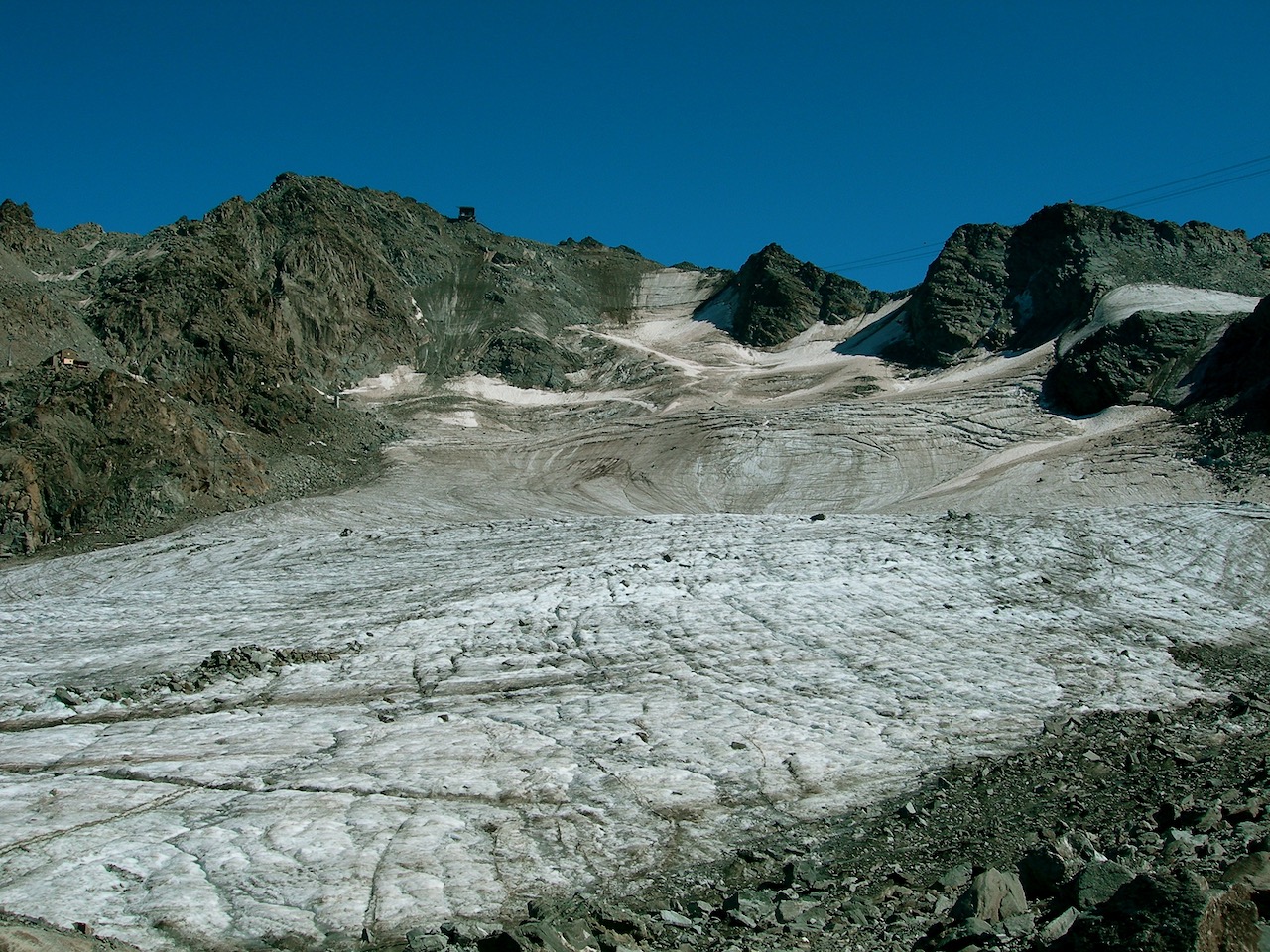
The secondary driver was the unprecedented early onset of summer temperatures. The Swiss lowlands experienced heatwaves with temperatures reaching 30°C as early as May. This early thermal energy began stripping away the meager snowpack weeks before the traditional melt season. The current sustained period of intense heat in June has acted as the final blow, liquidating the remaining winter reserves and exposing the "blue ice" of the glaciers to the elements.
Quantifying the Rate of Decay
The scale of the current melt is difficult to visualize without comparative data. Dr. Huss and his team at ETH Zurich estimate that the volume of meltwater currently flowing from Swiss glaciers is equivalent to filling an Olympic-sized swimming pool every six seconds. This discharge is not merely a seasonal runoff; it represents the liquidation of frozen assets that have been stored in the Alps for centuries.
The historical trajectory of Swiss glaciers provides a grim context for these findings. Since approximately 1850, at the end of the Little Ice Age, Alpine glaciers have been in a state of retreat. However, the rate of this retreat has shifted from a gradual decline to an exponential collapse in the 21st century. Between the years 2000 and 2024, the total volume of Swiss glaciers shrank by a staggering 38%. The demographic of the glaciers themselves is also changing; Switzerland has lost approximately 1,200 glaciers over the last 50 years. Today, only 1,300 remain, many of which are small, stagnant patches of ice that are expected to vanish entirely within the next decade.
Hydrological and Socio-Economic Implications
While the immediate sight of rushing glacial streams might suggest a surplus of water, experts warn that this is a temporary and deceptive "benefit." Glacial meltwater plays a crucial role in European hydrology, particularly during dry summers. Two of the continent’s most vital waterways, the Rhine and the Rhone, rely heavily on Alpine ice to maintain their levels during periods of low rainfall.
In the short term, the accelerated melting helps cushion the impact of heatwaves by maintaining river flow and keeping water temperatures low enough to support aquatic ecosystems and cool nuclear power plants. However, this "cushion" is finite. As the total surface area of the glaciers diminishes, the "peak water" turning point is reached—the moment when the shrinking size of the glacier can no longer compensate for the increased rate of melting, leading to a permanent decline in summer water availability.
The implications for Switzerland and its neighbors are profound:
- Energy Security: Switzerland generates approximately 57% of its electricity from hydropower. A long-term reduction in glacial runoff threatens the reliability of this renewable energy source, especially during the late summer months when demand for cooling is high.
- Agriculture: Farmers in the valleys of the Rhone and the Rhine depend on consistent river levels for irrigation. The premature loss of the glacial "water tower" could lead to severe crop failures during future droughts.
- Infrastructure and Safety: The retreat of glaciers and the subsequent thawing of high-altitude permafrost destabilize mountain slopes. This increases the risk of rockfalls, landslides, and Glacial Lake Outburst Floods (GLOFs), which pose a direct threat to mountain villages, hiking trails, and transport corridors.
- Tourism: The Swiss tourism industry, heavily reliant on the aesthetic and recreational value of its "eternal ice," faces a transformative challenge. Summer skiing has already been suspended on many glaciers, and the increasing instability of the terrain is making traditional mountaineering routes more hazardous.
Expert Reactions and Future Outlook
The declaration of June 29 as Glacier Loss Day has prompted urgent calls for climate action from scientific and environmental circles. "All the high temperatures we are very likely to experience in July and August will lead directly to long-term glacier loss," Dr. Huss warned. He emphasized that once the seasonal snow is gone, every sunny day results in the irreversible removal of ice that took decades or centuries to form.
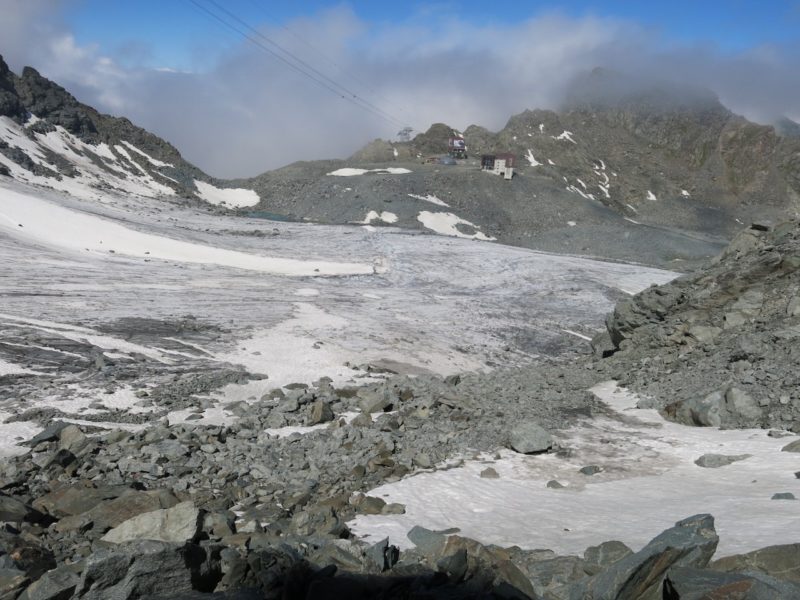
The Swiss Federal Office for the Environment (FOEN) and various climate NGOs have pointed to this year’s data as evidence that the Alps are warming at roughly twice the global average rate. The 2026 data serves as a stark reminder that the window for preserving significant portions of the Alpine cryosphere is closing. Under current climate trajectories, some models suggest that up to 90% of the remaining glacier volume in Switzerland could disappear by the end of the century if greenhouse gas emissions are not drastically reduced.
While the exact date of Glacier Loss Day may fluctuate based on year-to-year weather patterns, the long-term trend is undeniable. The transition from August to June for this milestone reflects a fundamental shift in the Alpine climate regime. The 2026 season will likely be recorded as a year of "extreme mass loss," further hollowing out the frozen heart of Europe.
As July and August approach, the scientific community will be monitoring the situation closely. With the protective snow cover gone, the glaciers are now "defenseless" against any further heatwaves. The data collected during this period will be vital for updating hydrological models and helping downstream communities prepare for a future where the reliable summer flow of the Rhine and Rhone can no longer be taken for granted.
In conclusion, the arrival of Glacier Loss Day on June 29, 2026, is more than a scientific data point; it is a clear indicator of the accelerating pace of environmental change in one of the world’s most sensitive ecosystems. The loss of 1,200 glaciers in half a century and the continued thinning of the remaining 1,300 serve as a testament to the profound impact of global warming on the Swiss landscape. Without a significant shift in global climate trends, the "eternal snows" of the Alps may soon become a relic of the past, leaving behind a transformed mountain environment and a new set of challenges for the generations to come.

