
In the competitive landscape of professional skiing, few names carry as much weight as Jonny Moseley, the 1998 Olympic gold medalist whose "new-school" approach fundamentally altered the trajectory of mogul skiing. Today, as the industry observes a massive shift toward longevity and integrated wellness, Moseley is once again at the forefront of a movement that bridges the gap between elite athletic performance and cutting-edge recovery technology. His current partnership as an ambassador for Velvaere—a luxury wellness community in Deer Valley, Utah—serves as a case study in how the modern athlete evolves from the high-impact strain of competition to a sustainable, tech-augmented lifestyle focused on mobility and physiological optimization.
The 1998 Revolution: A Legacy of Data-Driven Innovation
To understand Moseley’s current focus on recovery, one must examine the origins of his professional success. In 1998, as he prepared for the Winter Olympics in Nagano, Japan, Moseley was not merely relying on natural talent. At a time when freestyle skiing was often viewed through a lens of raw athleticism and "gut feeling," Moseley adopted a revolutionary training plan that mirrored the precision of endurance sports like cycling or rowing.
Moseley was an early adopter of heart rate monitoring and performance journaling, tools that are now ubiquitous in the era of the Apple Watch and WHOOP straps but were nascent in the 1990s. By tracking his heart rate variability (HRV) and documenting "second-day soreness," he was able to identify the precise window of his body’s peak performance. This analytical approach allowed him to master the "mute grab" in his 360-degree spins—a movement borrowed from snowboarding that scandalized traditionalists but ultimately secured him the gold medal.
The 1998 Nagano games marked a turning point for the sport. Moseley’s victory was not just a win for the United States; it was the birth of "freeskiing" as a recognized discipline. His ability to time the cycles of strain and recovery allowed him to peak during the four-year Olympic cycle, a period he describes as a high-stakes environment where athletes get only "one shot" to prove their worth on the world stage.
The Seasonal Transition: From Power to Endurance
Moseley’s current fitness regimen reflects a deep understanding of the physiological demands of skiing, which requires a unique blend of explosive power and sustained endurance. His training year is divided into distinct phases designed to prepare the body for the unique stresses of the winter season.
During the summer months, the focus is primarily on building foundational strength. Moseley utilizes compound lifts and heavy resistance training to develop the muscular skeletal support necessary to withstand the high-impact forces of mogul skiing and off-piste terrain. However, as the temperature drops and the first snow begins to fall, his mindset shifts toward "ski-specific" endurance and lateral movement.
A critical component of this pre-season phase is the focus on one-leg training and side-to-side movements. Using tools like slide boards, Moseley mimics the torsional forces and weight transfers inherent in high-speed turns. This lateral conditioning is essential for knee stability and hip mobility, areas of the body that are notoriously vulnerable in aging skiers. Furthermore, he incorporates plyometrics, specifically box jumps, to maintain the fast-twitch muscle response required for sudden adjustments on the slopes. While he cautions that jumping from a sedentary state to high-intensity box jumps can be "jarring," he advocates for a graduated approach, starting with lower heights to build the necessary connective tissue resilience.
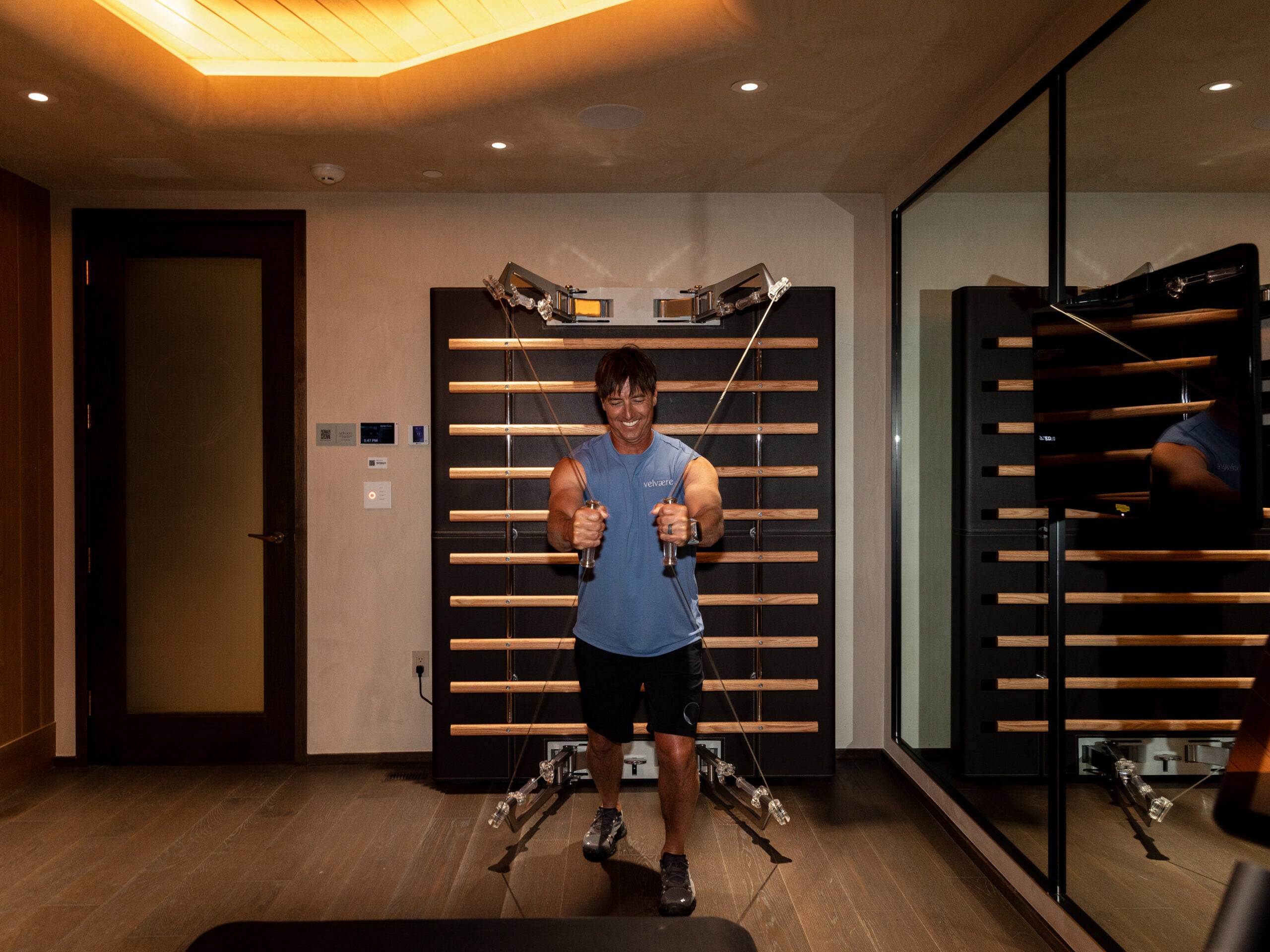
The Evolution of Recovery: AI and Bio-Hacking at Velvaere
As Moseley has matured, his relationship with recovery has shifted from a reactionary necessity to a proactive lifestyle. This evolution is most evident in his involvement with Velvaere, a $500 million residential development in Park City that integrates advanced medical and wellness technology into its infrastructure.
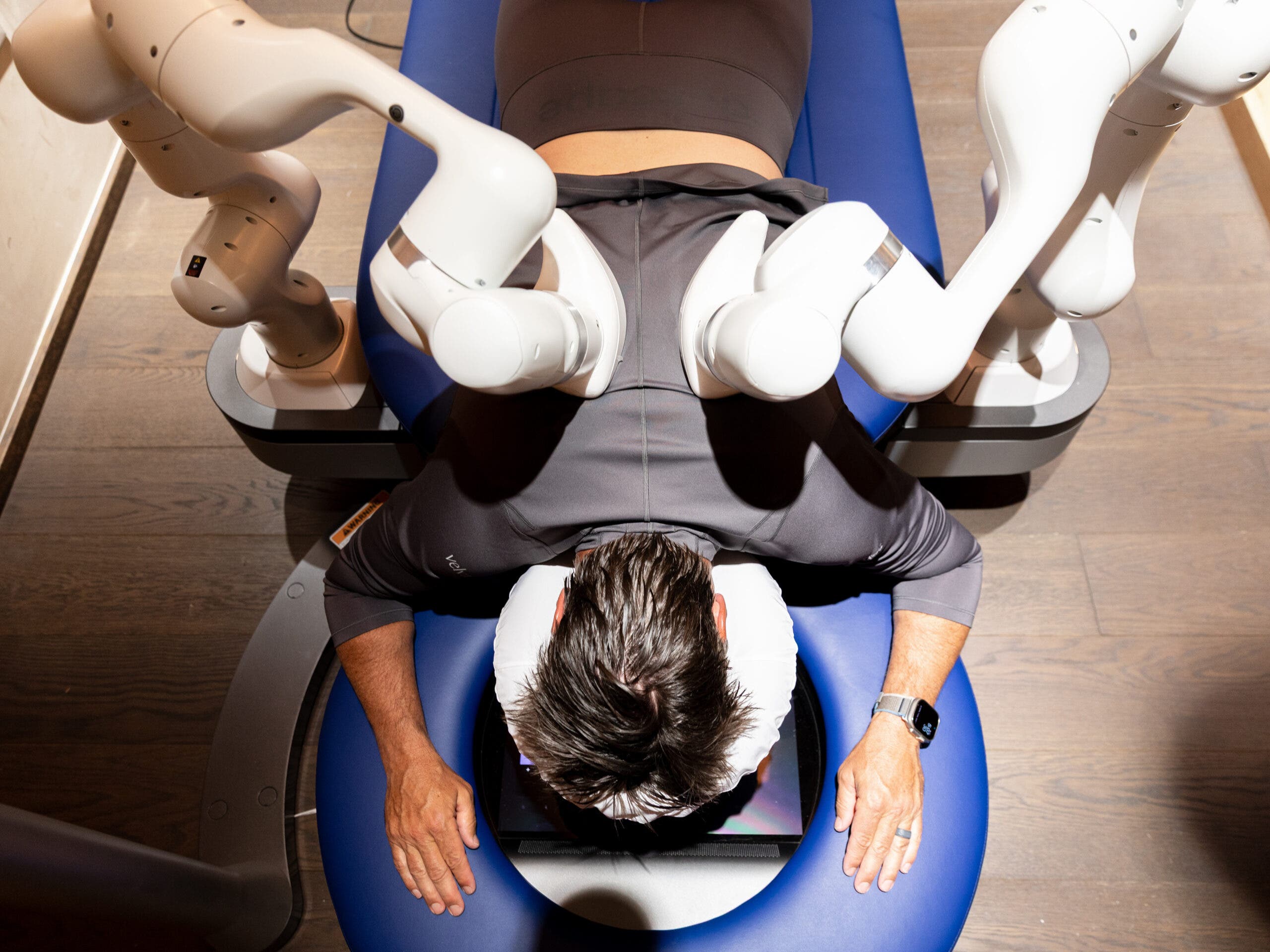
The facility represents the "democratization" of elite sports science. Amenities that were once exclusive to the United States Olympic & Paralympic Training Centers (USOPTC) are now being integrated into private residences. Among the most notable technologies at Velvaere is an AI-powered robotic massage system. This device utilizes sophisticated sensors to evaluate the user’s musculoskeletal structure before administering a customized massage tailored to specific areas of tension or inflammation.
In addition to robotic therapy, Moseley utilizes a suite of "bio-hacking" tools:
- Cryotherapy: Using sub-zero temperatures to reduce systemic inflammation and accelerate muscle repair.
- LightStim LED Therapy: Utilizing specific wavelengths of light to stimulate cellular energy production and skin health.
- Flotation Therapy: Providing a sensory-deprivation environment that reduces cortisol levels and allows for deep mental and physical decompression.
- Sauna and Cold Plunge Cycles: Utilizing thermal shock to improve cardiovascular health and boost the immune system.
Moseley notes that these technologies, while seemingly futuristic, follow the same trajectory as heart rate tracking. What was once considered "geeking out" in the 1990s is now the standard for anyone seeking to maintain a high level of activity into their 40s, 50s, and beyond.
Mobility and the "Hot Yoga" Pivot
Perhaps the most significant shift in Moseley’s routine is his embrace of low-impact mobility work. "I’m a hot yoga guy now," he admits, highlighting a departure from the purely weight-focused routines of his youth. As athletes age, the density of muscle mass often becomes less important than the flexibility of the fascia and the range of motion in the joints.
Hot yoga provides a dual benefit: the heat allows for deeper stretching and detoxification through sweat, while the isometric holds build the "stabilizer" muscles that are often neglected in traditional gym settings. This focus on mobility ensures that the body remains "limber," a term Moseley uses to describe the ideal state for a skier who needs to absorb the bumps and undulations of the mountain without sustaining injury.
When the weather permits, he supplements this with "fun" activities like wing foiling, which provides a low-impact cardiovascular workout while challenging his balance and core strength in a dynamic water environment. This diversification of movement prevents the "overuse injuries" common in athletes who stick to a single discipline.
The Business of Wellness: A Growing Market Trend
The partnership between Moseley and Velvaere is indicative of a broader trend in the real estate and fitness industries. According to the Global Wellness Institute, the wellness real estate market was valued at approximately $398 billion in 2022 and is projected to reach nearly $900 billion by 2027. Consumers are increasingly seeking environments where health is not an "add-on" but a built-in feature of their living space.
Velvaere’s 60-acre community, located adjacent to the new Deer Valley East Village, caters to this demand by offering ski-in/ski-out access combined with a 20,000-square-foot integrative wellness center. For Moseley, being part of a community where wellness is a collective lifestyle is a primary contributor to sustained performance. The psychological benefit of being surrounded by individuals with similar health goals cannot be understated, as it fosters a culture of accountability and continuous improvement.
Analysis of Implications for the Skiing Industry
Moseley’s transition from a high-impact competitor to a wellness ambassador reflects the "longevity era" of professional sports. Modern athletes like LeBron James and Tom Brady have demonstrated that with the right combination of data, nutrition, and recovery tech, the "peak" of an athletic career can be extended by a decade or more.
For the general skiing public, Moseley’s routine offers a blueprint for injury prevention. The "couch-to-mountain" pipeline is a major cause of ACL and MCL tears in recreational skiers. By emphasizing pre-season lateral conditioning and year-round mobility, Moseley is advocating for a more professionalized approach to the sport for amateurs.
Furthermore, the integration of AI in recovery—as seen with the massage robots at Velvaere—suggests a future where physical therapy is more accessible and precise. As these technologies scale, they are likely to move from high-end wellness communities into local gyms and clinics, potentially reducing the long-term healthcare costs associated with sports-related wear and tear.
Conclusion: The New Standard of Excellence
Jonny Moseley’s journey from the moguls of Nagano to the recovery tanks of Park City illustrates a profound shift in the philosophy of sport. It is no longer enough to "train hard"; one must "recover harder." By leveraging AI, thermal therapy, and mindful movement like hot yoga, Moseley has managed to maintain a level of fitness that allows him to remain a dominant figure on the snow decades after his competitive retirement.
His message to the next generation of skiers and fitness enthusiasts is clear: peak performance is a cycle, not a destination. Whether it is tracking heart rate variability to avoid burnout or utilizing robotic massage to soothe inflamed muscles, the goal remains the same—to stay in the game for as long as possible. As the snow begins to fall on the 2025-2026 season, Moseley stands as a testament to the power of integrating science, technology, and lifestyle into a singular vision of health.

