
At the southern extremity of the globe, where the terrestrial world meets the Southern Ocean, a specialized team of glaciologists is grappling with one of the most pressing environmental questions of the 21st century: the structural integrity of the Antarctic ice shelves. Dr. Ali Banwell, a Research Scientist at the University of Colorado Boulder and a Professor in Glaciology at Northumbria University, recently concluded a critical field season on the McMurdo Ice Shelf. As a member of the Protect Our Winters (POW) Science Alliance, Dr. Banwell’s work transcends academic curiosity, focusing on the mechanical thresholds of ice that serve as the primary defense against global sea-level rise. The research, funded by the National Science Foundation (NSF), seeks to determine how long these massive frozen barriers can withstand the mounting pressures of a warming atmosphere and ocean.
The Antarctic Ice Sheet represents the largest single mass of ice on Earth. To contextualize the scale of this frozen reservoir, glaciologists point to a sobering statistic: if the entire Antarctic Ice Sheet were to melt into the ocean, global sea levels would rise by approximately 190 feet. While such a total collapse is not an immediate threat, the mechanisms that facilitate the accelerated discharge of ice into the sea are already in motion. The primary focus of current glaciological research is the "buttressing" effect provided by ice shelves. These floating extensions of the land-based ice sheet ring approximately 75% of the Antarctic coastline, acting as a structural "cork" that regulates the flow of glaciers into the sea. Without these shelves, the land-based ice would slide into the ocean at an accelerated rate, causing a rapid and catastrophic rise in global sea levels.
The Mechanics of the McMurdo Ice Shelf
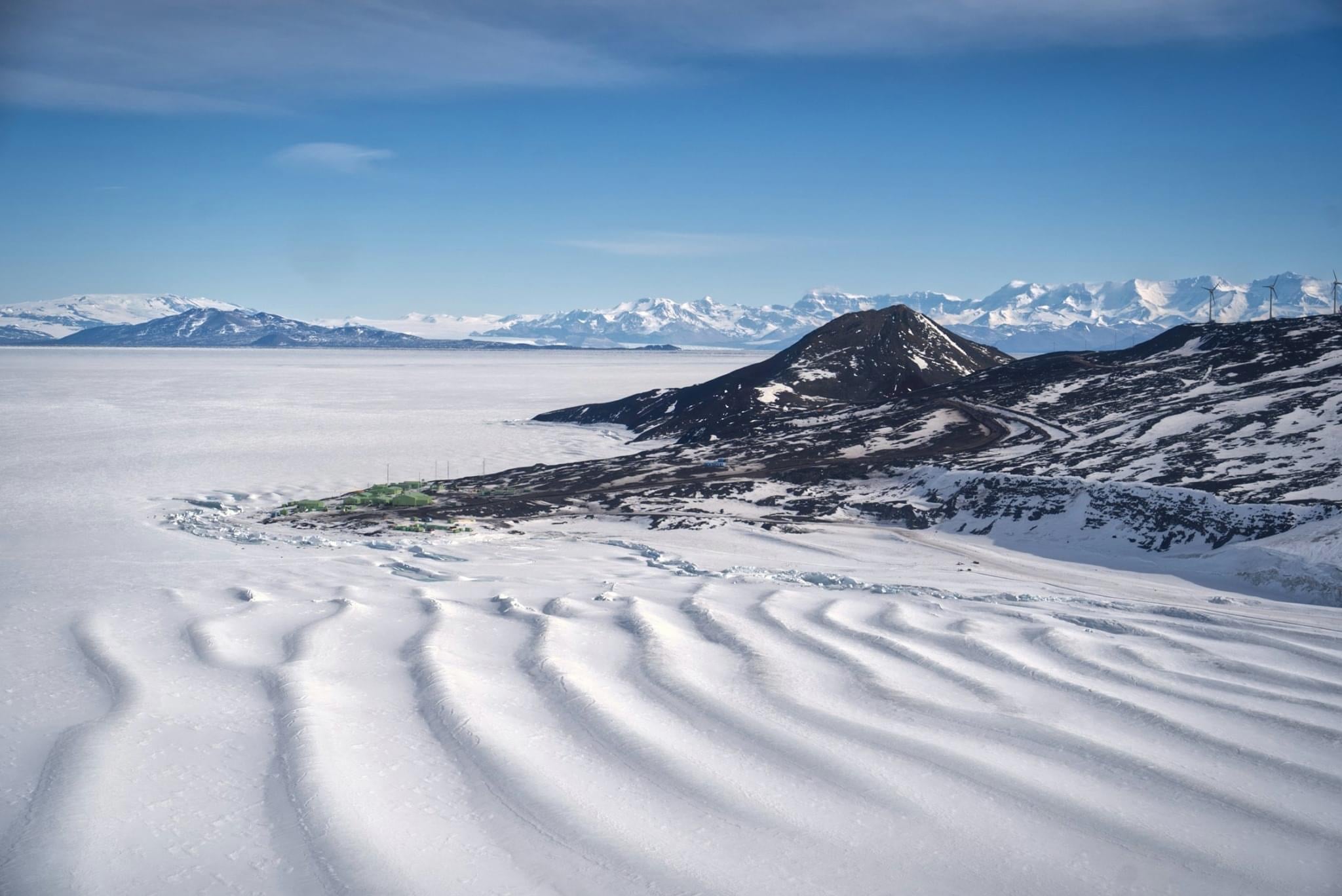
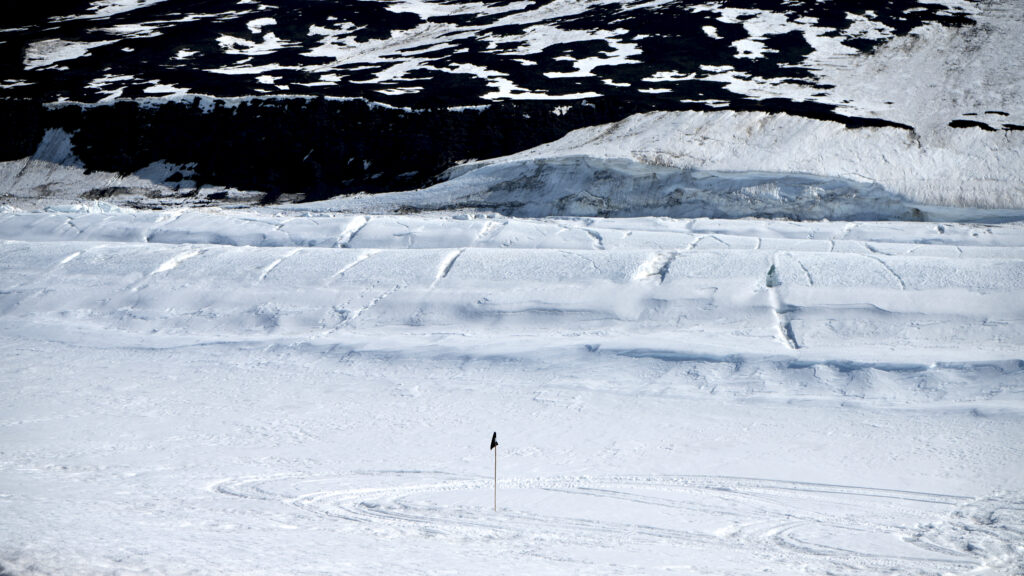
The McMurdo Ice Shelf, located near the United States’ McMurdo Research Station on Ross Island, serves as a natural laboratory for studying the complex stressors affecting ice stability. Most ice shelves follow a predictable pattern of flowing outward toward open water. However, the McMurdo Ice Shelf presents a unique geological puzzle. Instead of a linear path to the sea, portions of this ice shelf are being driven into terrestrial landmasses. This lateral compression forces the ice to buckle, creating a series of wave-like ridges known as "ice shelf rumples."
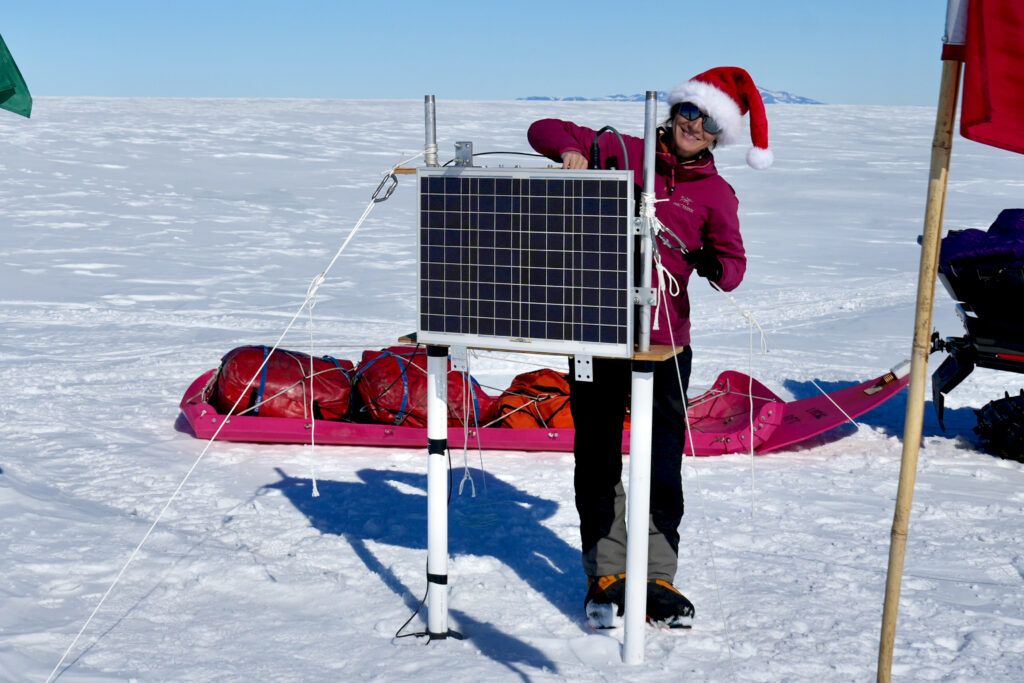
The central objective of Dr. Banwell’s research is to determine the dual nature of these rumples. From a structural engineering perspective, it is unclear whether these features provide additional stability by anchoring the shelf against the land or if the internal stress required to create them makes the ice more prone to fracturing. The answer carries significant weight for climate modeling. If rumples act as stabilizers, they may buy coastal regions more time; if they are points of failure, the timeline for ice shelf collapse may need to be moved forward.
Chronology of the Six-Week Expedition
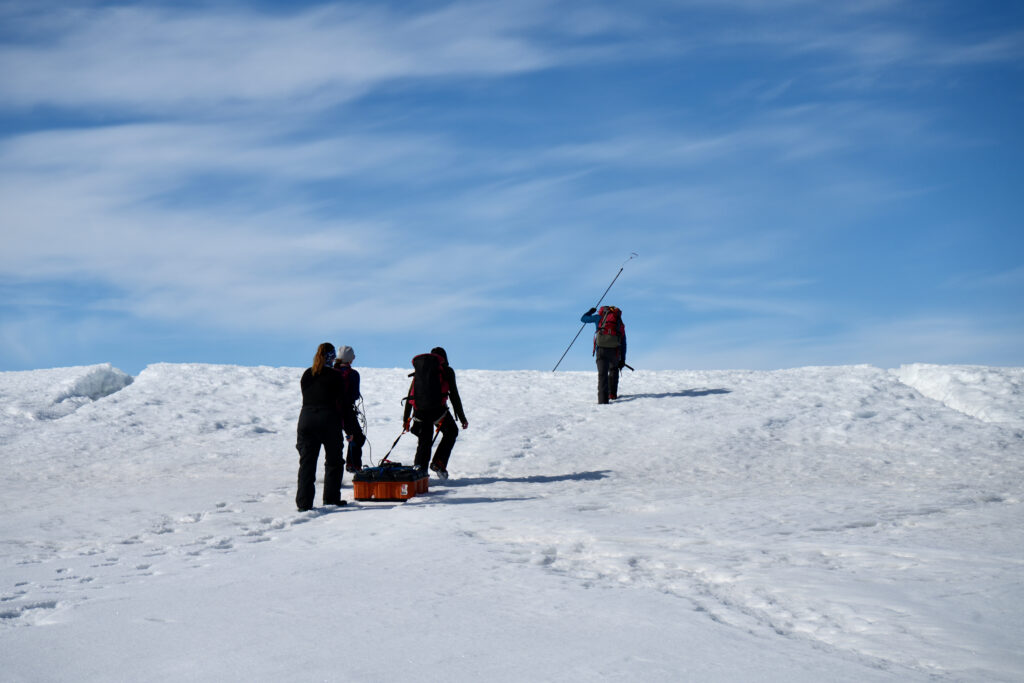
The field season spanned six weeks during the Antarctic summer, a period characterized by 24-hour sunlight and temperatures that, while freezing by temperate standards, are high enough to trigger significant surface changes in the ice. Dr. Banwell led a four-person team, including Co-Principal Investigator Ryan Cassotto of the University of Colorado Boulder and the University of Maine, and PhD students Michela Savignano and Allie Berry.
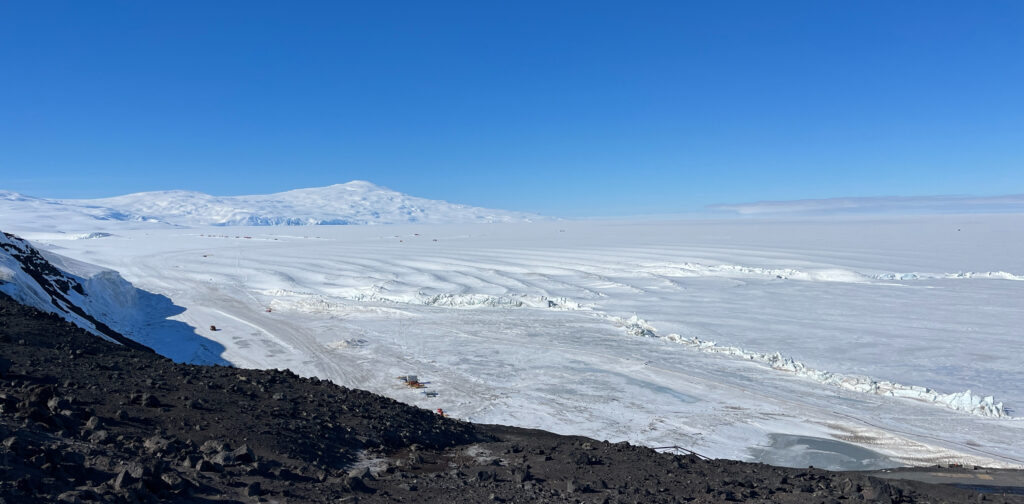
The team’s daily routine involved departing from McMurdo Station via snowmobile, navigating a landscape that Dr. Banwell described as otherworldly and vast. The logistical challenges of working in such an environment are immense, requiring rigorous mountaineering training to manage the risks posed by hidden crevasses. Over the course of the expedition, the team established a sophisticated network of monitoring equipment across the "rumple zone." This instrumentation was designed to capture a high-resolution dataset of the ice’s behavior through the upcoming Antarctic winter, a period when the continent is inaccessible to human researchers.
Technical Instrumentation and Data Collection
To achieve a comprehensive understanding of the ice shelf’s dynamics, the team deployed a multi-modal array of scientific instruments. Each tool was chosen to measure a specific variable in the complex equation of ice stability:
- Seismometers: These instruments were embedded into the ice to detect "icequakes"—tiny seismic signals produced when the ice cracks or shifts. By monitoring the frequency and location of these cracks, researchers can map the internal structural decay of the shelf.
- High-Precision GPS Units: These units track the movement of the ice shelf with centimeter-level accuracy. Early observations from the field indicated that the ice was moving at a rate of one to two feet per day. While seemingly slow, this velocity is significant when projected over years, indicating a highly dynamic system under constant tension.
- Radar Systems: Ground-penetrating radar allowed the team to measure ice thickness and internal deformation. This provides a "cross-section" view of the rumples, showing how the ice folds and where it might be thinning from the bottom up due to warmer ocean currents.
- Automated Weather Stations: Atmospheric data, including wind speed and temperature, is vital for understanding how surface melt contributes to hydrofracturing—a process where meltwater wedges into cracks, forcing them open.
- Time-Lapse Cameras: Positioned to take photographs every 30 minutes, these cameras provide a visual record of the shelf’s surface evolution, capturing the movement of the ice and the presence of any emerging meltwater ponds.
Early Observations: A Changing Landscape
While the full analysis of the data will take months, Dr. Banwell noted several striking observations during the field season. Most notably, this summer was the warmest of the seven seasons she has spent working in Antarctica. The elevated temperatures led to an earlier-than-expected melt of the surface snowpack, revealing a highly fractured ice surface beneath.
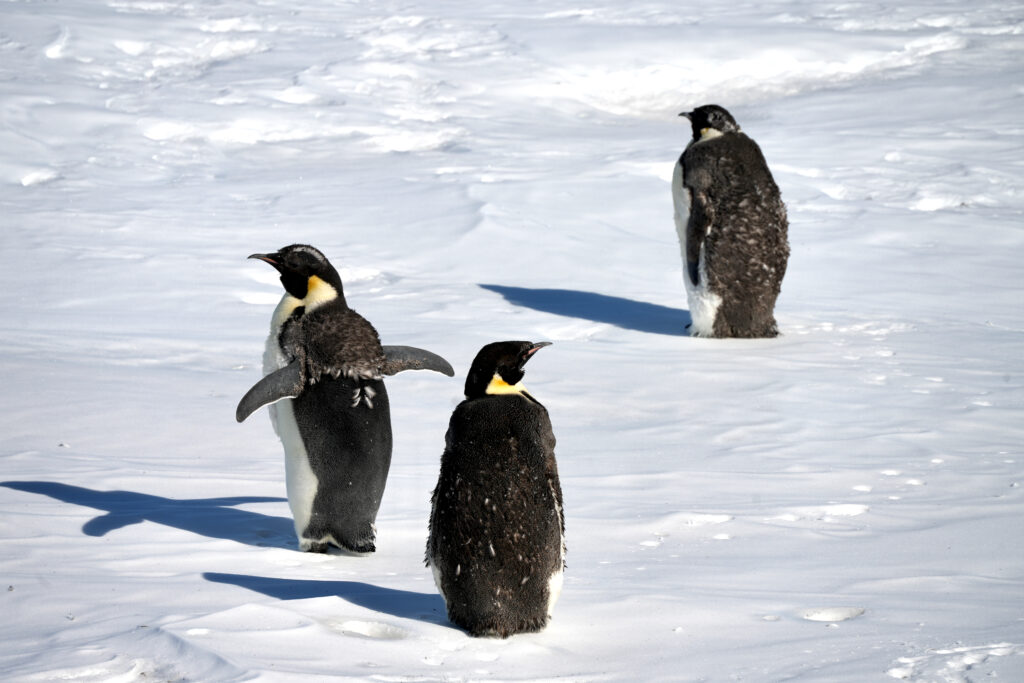
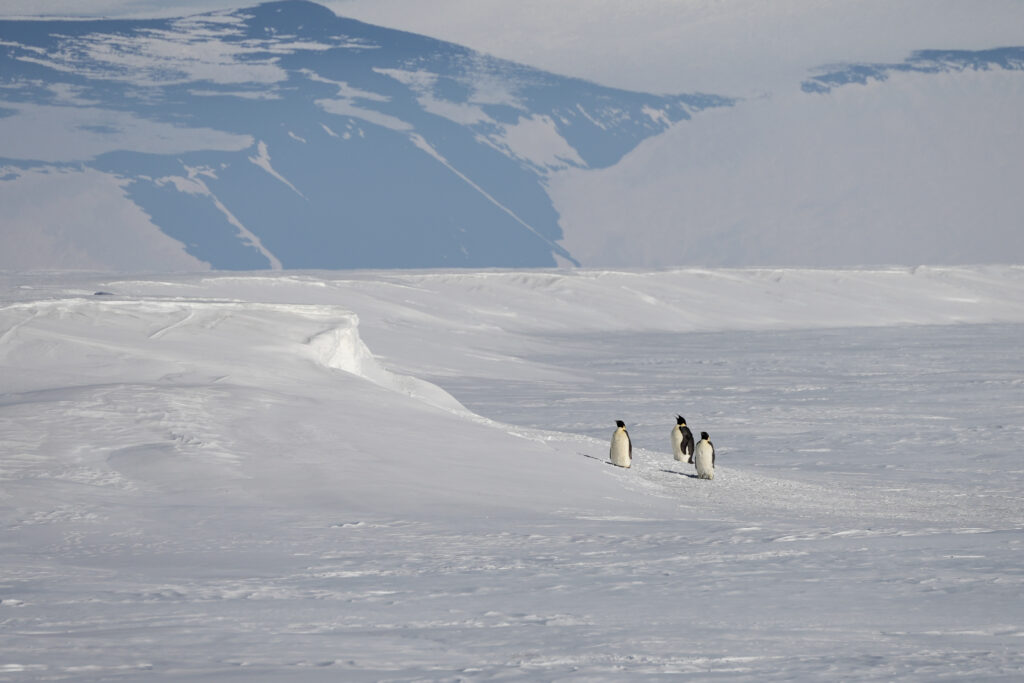
The team encountered more crevasses than in previous years, a physical manifestation of the stress the ice shelf is enduring. "The glacier ice was moving faster than we had expected," Dr. Banwell noted, highlighting that the dynamic nature of these shelves is accelerating. The presence of three molting emperor penguins near the field site provided a rare biological backdrop to the geological research, serving as a reminder of the ecosystem that relies on the stability of this frozen environment.
The Broader Impact: From Antarctica to Global Coastlines
The research conducted on the McMurdo Ice Shelf is inextricably linked to the future of global coastal infrastructure. Current scientific consensus, as reflected in reports from the Intergovernmental Panel on Climate Change (IPCC), projects a global sea-level rise of approximately one to three feet over the next century. While this may seem manageable on a map, such a rise would be catastrophic for low-lying regions.
Metropolitan centers such as New York City, Miami, Shanghai, and Mumbai face existential threats from even modest increases in sea level. A three-foot rise would displace tens of millions of people, destroy trillions of dollars in property, and permanently alter the geography of the world’s coastlines. The "buttressing" ice shelves of Antarctica are the only barriers preventing this timeline from accelerating. If Dr. Banwell’s research finds that features like ice rumples are becoming points of structural failure rather than stability, the global community may need to brace for more aggressive sea-level rise projections.
Scientific Implications and Future Research
The data currently being collected by the instruments left on the McMurdo Ice Shelf will be retrieved during the next field season. This dataset will be cross-referenced with satellite observations from NASA’s ICESat-2 and the European Space Agency’s CryoSat-2. This "ground-truthing" of satellite data is essential for improving the accuracy of climate models. Satellite imagery can show that an ice shelf is thinning, but only on-the-ground research can explain the specific mechanical processes causing that thinning.
As global temperatures continue to rise, the frequency of ice-shelf break-up events—such as the famous collapse of the Larsen B Ice Shelf in 2002—is expected to increase. Dr. Banwell’s work aims to move glaciology from a reactive science to a predictive one. By understanding the "tipping points" of ice shelf stability, scientists can provide more accurate warnings to policymakers and coastal planners.
The dedication of scientists like Dr. Banwell, who endure extreme conditions to listen to the "voice" of the ice, is a critical component of the global response to climate change. In the silent, frozen expanses of Antarctica, the movement of a few feet of ice per day translates into a profound shift in the future of human civilization. The findings from the McMurdo Ice Shelf will ultimately help the world understand just how much time remains before the last line of defense for the Antarctic ice sheets gives way.

