
For generations of winter sports enthusiasts, the physical toll of downhill skiing has been worn as a badge of honor. From the stinging cold on the face to the muscle fatigue in the quads, pain has often been normalized as an inherent component of the sport. Among all pieces of equipment, the rigid alpine ski boot remains the most notorious culprit. Unlike the flexible cushioning of a running shoe or the plush comfort of winter slippers, ski boots are engineered for performance, control, and safety, requiring the foot to be locked rigidly into a hard plastic shell. However, as medical professionals increasingly warn, the long-standing cultural acceptance of foot pain on the slopes may be masking serious, potentially permanent musculoskeletal and neurological damage.
Recent orthopedic and podiatric insights highlight a growing concern within the winter sports community: chronic or acute trauma caused by improperly fitted ski boots. While recreational and professional skiers alike have long shrugged off numb toes, bruised nails, and throbbing arches as standard side effects of a day on the mountain, specialists emphasize that these symptoms are red flags indicating structural misalignment or tissue trauma. As the ski industry continues to innovate around boot technology, thermal liners, and custom shell-molding techniques, medical experts are pushing for a cultural shift in how skiers approach foot health, moving away from resignation and toward proactive preventative care.
Medical consensus underscores that the boots themselves are not inherently hazardous, but rather the human error in sizing, selection, and customization. Dr. Mikel Daniels, a Baltimore-based podiatric surgeon, notes a fundamental distinction in how equipment should interact with the human foot. According to Dr. Daniels, the baseline rule for evaluating equipment is straightforward: if foot discomfort consistently distracts the skier from the mechanics of the sport, the fit is fundamentally flawed. When hardware is selected without proper professional oversight, it transforms from a tool of athletic performance into an instrument of repetitive strain and localized trauma.
Anatomy of Ski Boot Trauma: Neurological and Structural Impacts
To understand why rigid winter footwear can cause enduring damage, one must examine the biomechanics of the alpine stance. When a skier enters a forward-flexed position, gravitational and centrifugal forces press the foot against the interior walls of the boot. If the shell or liner is improperly sized, these forces target vulnerable anatomical structures in the forefoot and toes.
Dr. Nelya Lobkova, a New York City-based podiatrist and avid skier, points out that rigid boots frequently exacerbate pre-existing conditions such as bunions—medically known as hallux valgus—and Morton’s neuroma. Bunions are progressive forefoot deformities often influenced by genetics, characterized by the leaning of the big toe toward the second toe and the protrusion of the joint at the base. When confined within a rigid, narrow toebox, the friction and constant lateral pressure can transform an asymptomatic or mild bunion into a chronically inflamed, intensely painful condition.
Similarly, Morton’s neuroma involves the thickening of the tissue around one of the nerves leading to the toes, usually occurring between the third and fourth metatarsals. Excessive compression from tight boot walls pinches the nerve, creating sharp, burning pains, tingling, or numbness that can persist long after the ski gear has been removed. Conversely, boots that are excessively oversized present a different set of hazards. In a loose boot, the foot lacks adequate lateral support, causing it to slide aggressively forward with every turn. This constant forward momentum jams the toes against the front interior wall, creating persistent impingement on the toe bones and joint capsules.
Beyond neurological and skeletal strain, the pressure exerted on the digits can lead to acute vascular and nail bed injuries. Subungual hematomas—accumulations of blood beneath the toenail caused by repetitive impact against the front of the boot—are exceptionally common among skiers who mistake sizing errors for normal break-in periods. Left unmanaged, severe pressure on the nail bed can result in ingrown toenails, secondary bacterial or fungal infections, and even permanent structural deformity of the nail. Specialists report treating patients whose nail beds suffered irreversible crushing damage, causing subsequent toenails to grow back permanently thicker, shorter, or distorted compared to adjacent digits.
Evaluating the Warning Signs: Distinguishing Normal Discomfort from Injury
Educating winter sports participants on the threshold between standard athletic adjustment and pathological trauma remains a primary challenge for sports medicine clinicians. When breaking in a new pair of alpine boots, a degree of snugness is expected and necessary. A properly engineered shell should envelop the foot securely, with the wearer’s toes lightly brushing the interior wall when standing completely upright. Upon flexing forward into an athletic ski stance, the heel and midfoot should anchor firmly, allowing the toes to pull back slightly away from the front of the housing.
Initial use may yield a generalized, dull ache resulting from muscular fatigue or the gradual compression of dense foam liners. However, this discomfort should dissipate rapidly once the footwear is unbuckled and removed. Pathological warning signs, by contrast, involve localized sharp pains, persistent numbness, abnormal thermal sensations such as unusually cold digits, or radiating pins and needles. These symptoms indicate localized ischemia—restricted blood flow—or direct nerve compression, neither of which should be dismissed as an unavoidable price of admission to the slopes.
Chronology of Modern Bootfitting and Technological Evolution
The understanding of ski boot biomechanics has evolved significantly over the past several decades. In the early eras of alpine skiing, leather boots offered minimal lateral stiffness, relying heavily on ankle strength and placing fewer structural demands on the forefoot, albeit at the cost of high injury rates to the lower leg. The introduction of rigid plastic shells in the 1960s and 1970s revolutionized downhill performance, granting skiers unprecedented edge control and power transfer. However, the rigidity of plastics such as polyurethane and polyether also meant that manufacturing tolerances left little room for individual anatomical variations.
Throughout the 1980s and 1990s, the emergence of specialized ski boot fitting as a dedicated retail and clinical discipline began to bridge the gap between mass-produced manufacturing and human anatomy. Boot fitters started utilizing hand tools, grinding wheels, and rudimentary heating elements to modify interior spaces. By the turn of the 21st century, the widespread adoption of thermoformable liners—materials that soften under controlled heat and mold to the exact contours of a skier’s foot—fundamentally transformed the consumer experience.
By the 2010s and 2020s, custom shell-molding technologies became standard across mid-to-high-end alpine gear. Modern manufacturing techniques now allow entire plastic cuffs and lower shells to be thermally manipulated in specialized ovens, creating a bespoke fit that mirrors the unique topography of the foot. Furthermore, advancements in computerized pressure-mapping systems and three-dimensional foot scanning have enabled boot fitters to identify exact hot spots and volumetric discrepancies before a skier ever steps onto snow. Despite these technological leaps, industry surveys indicate that a significant percentage of recreational skiers continue to purchase off-the-shelf equipment based solely on sizing numbers or aesthetic preferences, bypassing professional fitting consultations entirely.
Mitigation Strategies: Customization and Professional Intervention
For skiers determined to protect their long-term foot health without sacrificing performance, modern podiatric medicine and boot-fitting science offer a robust suite of preventive measures. The foremost recommendation from specialists is professional heat-molding. When executed by a certified boot technician, the thermal customization process ensures that structural anomalies—including prominent bunions, hammertoes, and sites of previous neuromas—are accommodated directly within the shell walls, drastically minimizing friction and localized pressure gradients.
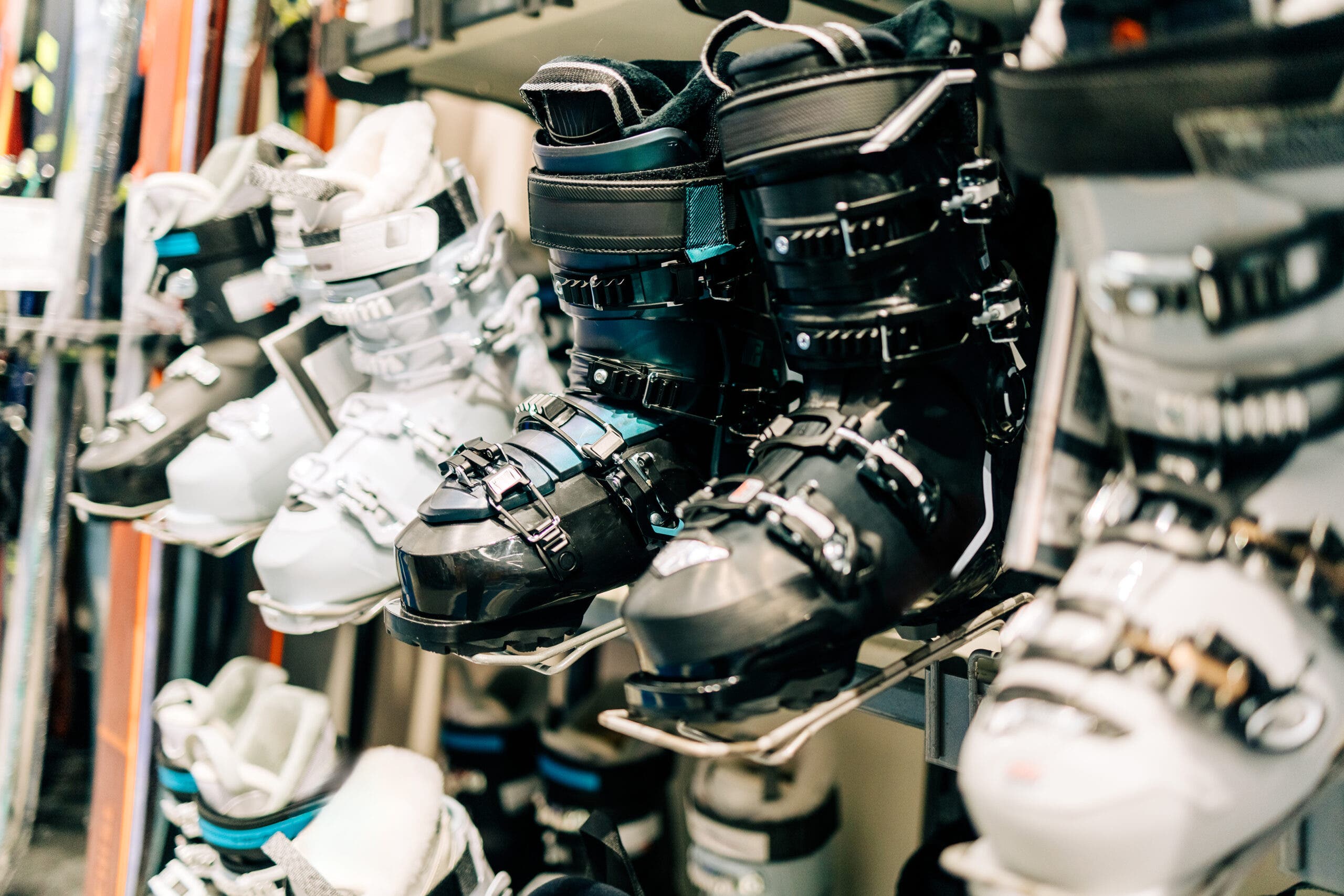
When thermal molding alone proves insufficient, targeted mechanical adjustments known as "shell punching" can relieve pressure in specific zones. Using specialized hydraulic presses or heating elements, technicians can expand localized areas of the plastic housing to accommodate wide forefoots or protruding joint capsules. Podiatric specialists frequently encounter patients who have endured seasons of chronic pain, mistakenly believing it to be an unchangeable reality of the sport, only to find complete relief through a precise combination of shell elongation and targeted expansions.
In addition to shell modifications, internal footbed architecture plays a vital role in preventing forefoot overload. While many recreational skiers rely on factory-issued, flat insoles, podiatrists emphasize that these generic inserts offer inadequate arch support and allow the forefoot to collapse under the heavy G-forces of carving turns. Dr. Lobkova frequently prescribes specialized, low-profile custom orthotics designed specifically for the restrictive volume of ski boots. These orthotics often incorporate embedded metatarsal pads, which serve to gently separate the metatarsal bones and tendons in the forefoot, relieving tension on nerves and mitigating the mechanisms that cause Morton’s neuroma.
Managing Rental Equipment and Environmental Factors
The challenges of achieving a proper fit multiply significantly for skiers who rely on rental gear. Resorts and rental shops operate under high-volume constraints, often prioritizing rapid turnaround times over bespoke fittings. Consequently, renters frequently attempt to compensate for poorly sized rental shells by wrenching down buckles to maximum tension. Sports medicine experts caution that this practice is counterproductive; an oversized shell paired with over-tightened buckles creates dangerous pressure points while simultaneously degrading the skier’s control over the skis.
To mitigate risks when utilizing rental equipment, specialists advise skiers to communicate transparently with rental technicians regarding any pre-existing medical conditions, past surgeries, or chronic foot issues. Renters should insist on a shell that feels naturally snug without requiring excessive buckle force. Furthermore, bringing personal, high-performance ski socks made of technical materials like merino wool can prevent the friction and moisture accumulation that lead to debilitating blisters. Experts also recommend transferring personal orthotic insoles from everyday footwear into rental boots, provided the interior volume allows, to maintain baseline structural support.
Broader Physiological Implications and Behavioral Adjustments
Beyond equipment adjustments, environmental and physiological factors during a ski day demand careful management. Temperature fluctuations represent a hidden hazard for foot health. Moving rapidly from freezing outdoor alpine environments into heated indoor lodges causes the blood vessels in the feet and ankles to dilate, resulting in localized swelling. If boots remain fully buckled during these indoor breaks, the stiff plastic shell acts as a tourniquet, sharply restricting blood circulation and exacerbating numbness and tissue ischemia.
To counteract this, podiatric guidelines strongly encourage skiers to unbuckle or completely remove their boots during mid-day rest periods. This simple behavioral adjustment allows the tissues of the foot to decompress, restores normal microvascular circulation, and prevents the compounding trauma associated with uninterrupted hours of rigid confinement.
Ultimately, sports medicine professionals emphasize that the long-term health of a skier’s feet relies on adopting the same attentive mindset applied to major muscle groups and cardiovascular endurance. By rejecting the cultural narrative that chronic pain is an obligatory entry fee for the sport, and by embracing modern fitting technologies, targeted orthotics, and disciplined rest habits, winter sports enthusiasts can preserve their musculoskeletal integrity and ensure that their time on the mountain remains sustainable for decades to come.

