
The transition from autumn to winter brings a familiar ritual for winter sports enthusiasts: the scraping of old wax, the tuning of edges, and the anticipation of opening day. While the first day on the slopes is typically characterized by an adrenaline-fueled euphoria that masks physical strain, the reality of the season often sets in approximately 24 hours later. By morning two, skiers frequently experience acute muscle stiffness, burning quads, and tight calves, raising perennial questions about why the human body reacts so severely to the initial return to alpine conditions.
To unpack the physiological mechanisms behind post-skiing discomfort, sports medicine professionals point to a combination of unique muscle mechanics, the disparity between general fitness and sport-specific conditioning, and the environmental impacts of high altitude. Understanding these factors allows athletes to implement targeted preparation strategies weeks before hitting the mountain, ultimately mitigating discomfort and extending their longevity on the slopes.
The Physiology of Post-Skiing Discomfort: Understanding Day Two Pain
According to clinical experts in physical therapy, the absence of pain on the first day of the ski season is largely attributable to elevated adrenaline levels. By day two, however, physiological stress catches up to the athlete. Medical professionals often describe the resulting sensation as feeling physically compromised by environmental factors, linking the discomfort to three distinct physiological phenomena.
The primary driver of this soreness is eccentric muscle loading—a process in which a muscle is forced to lengthen while under tension, such as the downward phase of a squat or absorbing the impact of carving turns. During a standard four-hour ski session, muscle groups such as the quadriceps and hamstrings undergo thousands of these lengthening contractions. Research indicates that this type of unfamiliar muscular stress induces microscopic tears within the muscle fibers. Consequently, delayed onset muscle soreness (DOMS) typically peaks between 24 and 72 hours following the activity, leaving athletes with a temporary reduction in eccentric strength.
Compounding this microtrauma is the distinct gap between standard gym fitness and true ski conditioning. While cardiovascular training and traditional weightlifting improve overall health, they rarely replicate the sustained, isometric demands of carving turns for hours while maintaining a flexed knee and ankle position. Elite ski racers rely heavily on slow-lowering movements and prolonged static holds, capacities that standard running or cycling routines frequently fail to develop adequately.
Finally, environmental factors play a substantial role in how the body experiences and recovers from physical exertion. High-altitude mountain resorts present a thinner atmosphere, which reduces the efficiency of oxygen delivery to working muscles. This hypoxia causes fatigue to manifest much earlier in the day. Furthermore, mild altitude sickness symptoms, including headaches and systemic fatigue, can overlap with muscular soreness, making the recovery process feel significantly heavier than a standard post-workout slump.
A Chronological Approach: Preparing Weeks in Advance
Medical professionals and athletic coaches emphasize that the most effective intervention for day-two soreness occurs well before the ski season begins. Experts recommend initiating a specialized conditioning protocol four to six weeks prior to the first trip of the season. Because introducing new eccentric loading can provoke its own initial soreness, training must begin gradually and build progressively.
A comprehensive pre-season regimen typically incorporates specific strength movements designed to mimic mountain mechanics:
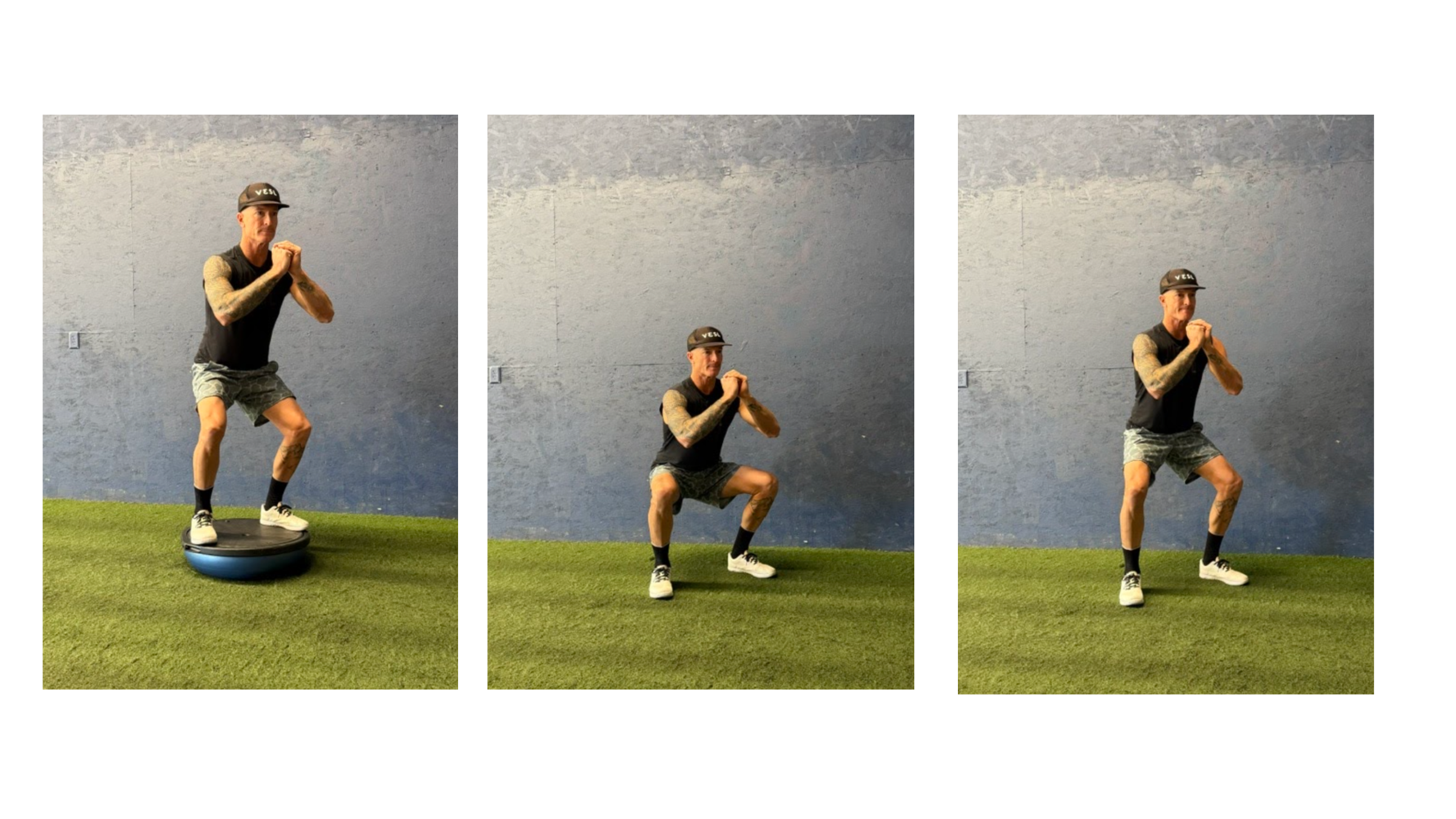
- Crouched Pulse Squats: Athletes stand with feet shoulder-width apart, drop into a comfortable deep squat, and pulse for 20 to 30 seconds without fully locking out the hips and knees at the top. Gradually increasing this duration to 60 or 75 seconds across four to six sets helps replicate the continuous tension required during alpine turns.
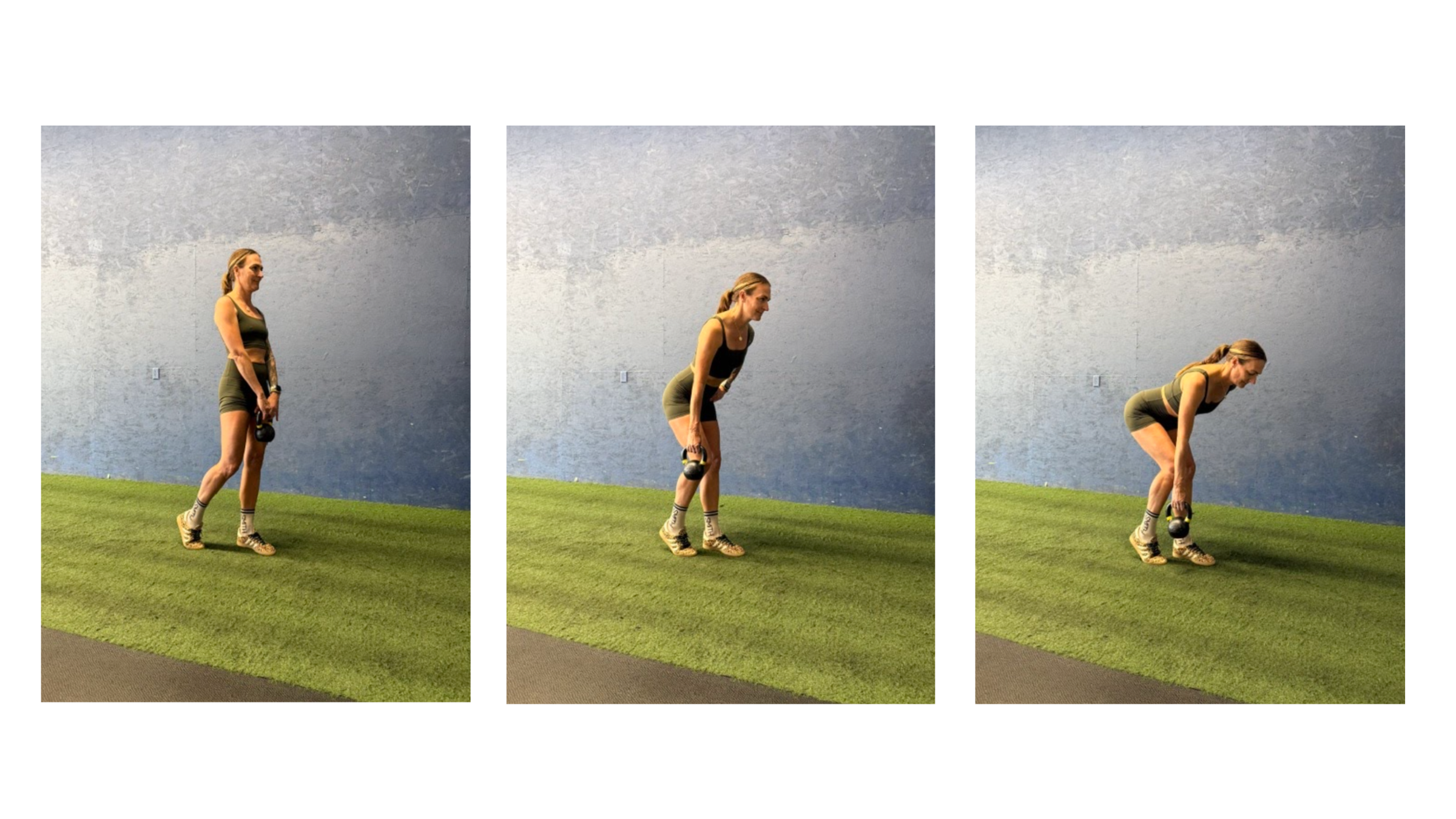
- Kettlebell Kickstand Deadlifts: By elevating one heel and holding a moderate weight on the working side, the athlete hinges forward with a flat back before driving through the glutes to a standing position. Performing 12 to 20 repetitions across two to four sets builds posterior chain strength essential for stability.
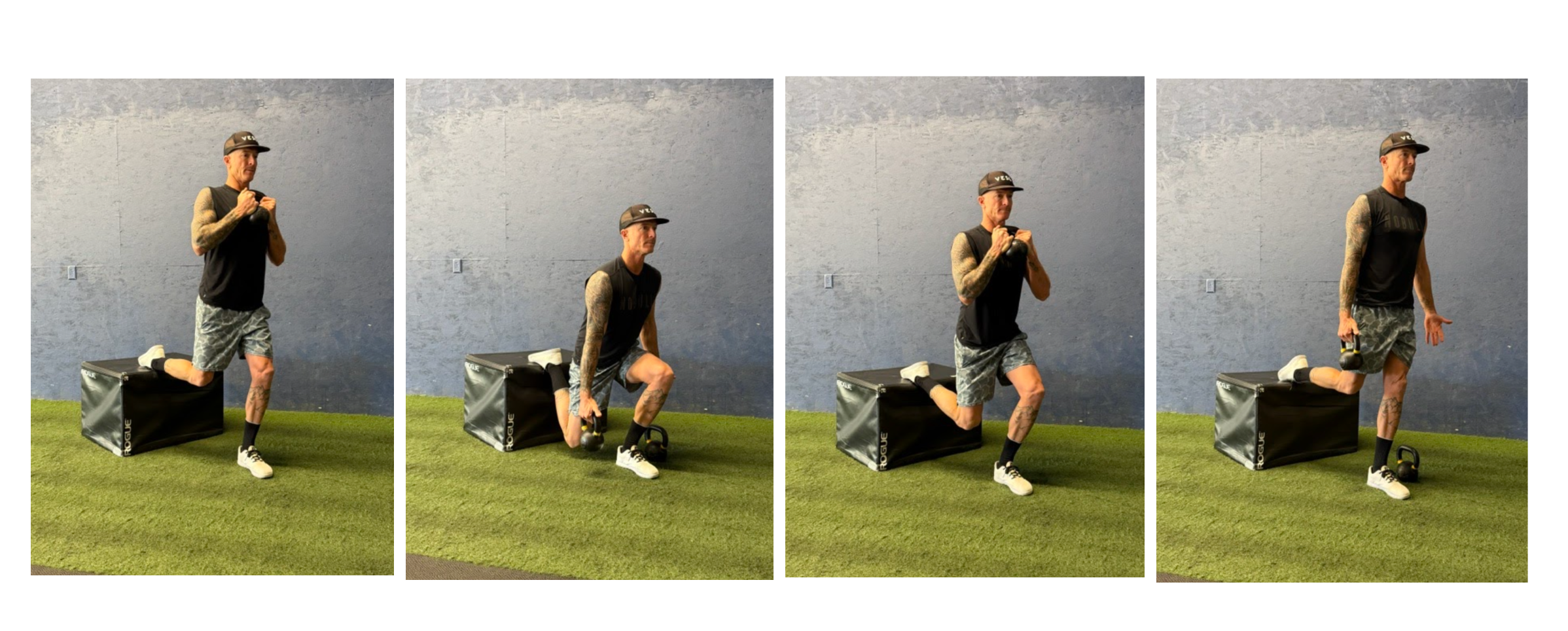
- Bulgarian Split Squats: Utilizing a bench or elevated step to support the rear foot while holding a weight in one hand, athletes execute dynamic lunges for eight to 12 repetitions across two to five sets. This movement addresses unilateral leg strength and stability.
- Targeted Cardio Drills: Short, high-intensity intervals lasting 30 to 60 seconds—followed by three to four minutes of active recovery—help condition the cardiovascular system. The objective is to elevate the heart rate toward approximately 75 percent of the individual’s estimated maximum, building resilience against altitude-induced fatigue.
The Five-Minute Pre-Slope Warm-Up Routine
On the morning of a ski session, preparation shifts from long-term conditioning to immediate neuromuscular activation. Experts recommend beginning with light calisthenics—such as stairs, bodyweight squats, or burpees—until the heart rate climbs moderately above resting levels. Following this initial spike, skiers should transition through a series of dynamic mobility movements targeting the lower extremities:
- Knees-Over-Toes Squats: This movement mirrors the exact forward-flexed position dictated by ski boots, providing an effective dynamic stretch for the Achilles tendon and surrounding calf muscles.
- Side-Lying Quad Stretches: Particularly useful on subsequent recovery days, lying on one’s side and gently pulling the heel toward the glutes helps manage tightness. While scientific literature indicates that stretching does not entirely prevent muscle soreness, it contributes to overall comfort. Conversely, light movement and low-impact walking between ski days remain proven methods for encouraging blood flow and alleviating stiffness.
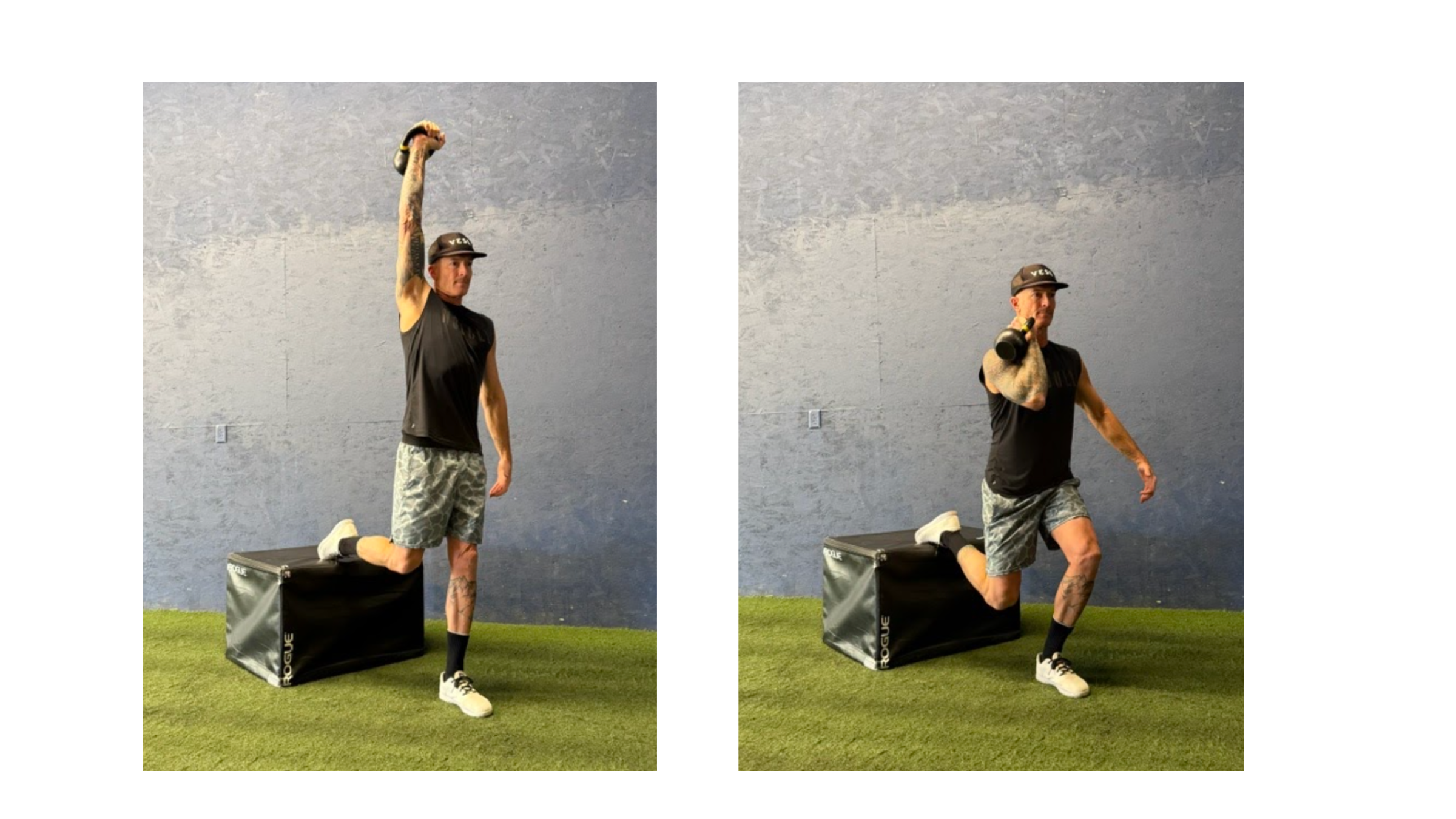
- The World’s Greatest Stretch: A combined lunge and thoracic rotation toward the ceiling, this exercise simultaneously engages the spine, core rotators, and lower body, ensuring the entire kinetic chain is prepared for dynamic movement.
Broader Implications and Long-Term Longevity in Winter Sports
The inevitability of post-activity soreness highlights a broader conversation within the winter sports community regarding injury prevention and athletic longevity. As recreational skiing attracts participants across an increasingly wide age demographic—with dedicated skiers maintaining the sport well into their seventies and beyond—the emphasis has shifted toward sustainable physical preparation.
Sports medicine analysts note that structured conditioning not only reduces recovery time between consecutive days on the mountain but also significantly lowers the risk of acute traumatic injuries, such as anterior cruciate ligament (ACL) tears, which often occur when fatigued muscles fail to stabilize the knee joint. By acknowledging the physiological toll of eccentric loading and high-altitude exertion, participants can make informed lifestyle adjustments that safeguard their physical health.
Ultimately, while the allure of the first snowfall often prompts immediate enthusiasm on the slopes, preparation remains the definitive factor in determining whether opening weekend concludes with a successful season launch or an unexpected recovery period. As seasoned alpine veterans frequently advise, proactive physical investment today ensures the ability to enjoy the mountains tomorrow.

