
The transition from autumn to winter brings a familiar sense of anticipation for alpine sports enthusiasts, yet it also highlights a critical physiological vulnerability. As temperatures drop and ski resorts prepare for the upcoming winter tourism cycle, sports medicine data consistently demonstrates that stepping onto the snow without adequate preparation significantly increases the risk of acute trauma and chronic fatigue. According to clinical research, particularly a widely cited Swedish study involving alpine ski students, structured preseason neuromuscular conditioning can reduce anterior cruciate ligament (ACL) injuries by nearly 50 percent over a two-year period. Consequently, sports scientists, physical therapists, and Olympic-level trainers increasingly emphasize that off-season training is no longer optional for those aiming to protect their joint health, particularly as the demographic profile of active skiers continues to span multiple decades into middle age and beyond.
The Physiological Imperative of Preseason Conditioning
Alpine skiing places unique, high-velocity demands on the human body, requiring a complex integration of eccentric muscle contractions, rapid core stabilization, and sustained cardiovascular endurance. Unlike linear sports such as running or cycling, skiing subjects the lower extremities—specifically the quadriceps, hamstrings, and knee ligaments—to multidirectional forces, rapid deceleration, and high gravitational loads.
Sports medicine professionals, including orthopedic surgeons affiliated with elite athletic programs, note that early-season injuries often stem from a mismatch between the explosive demands of the sport and the unconditioned state of the musculoskeletal system. When muscle fatigue sets in, dynamic knee valgus (the inward collapse of the knee) frequently occurs, placing severe stress on the ACL.
To mitigate these risks, conditioning experts recommend a comprehensive regimen initiated at least eight to twelve weeks prior to the first snowfall. This preparation targets key physiological markers: cardiorespiratory capacity to handle high-altitude exertion, muscular endurance to prevent premature fatigue, and neuromuscular control to ensure optimal joint stability under dynamic loads.
Chronology of Fall Training Phases
For optimal physiological adaptation, a structured training timeline is essential as summer transitions into late autumn.
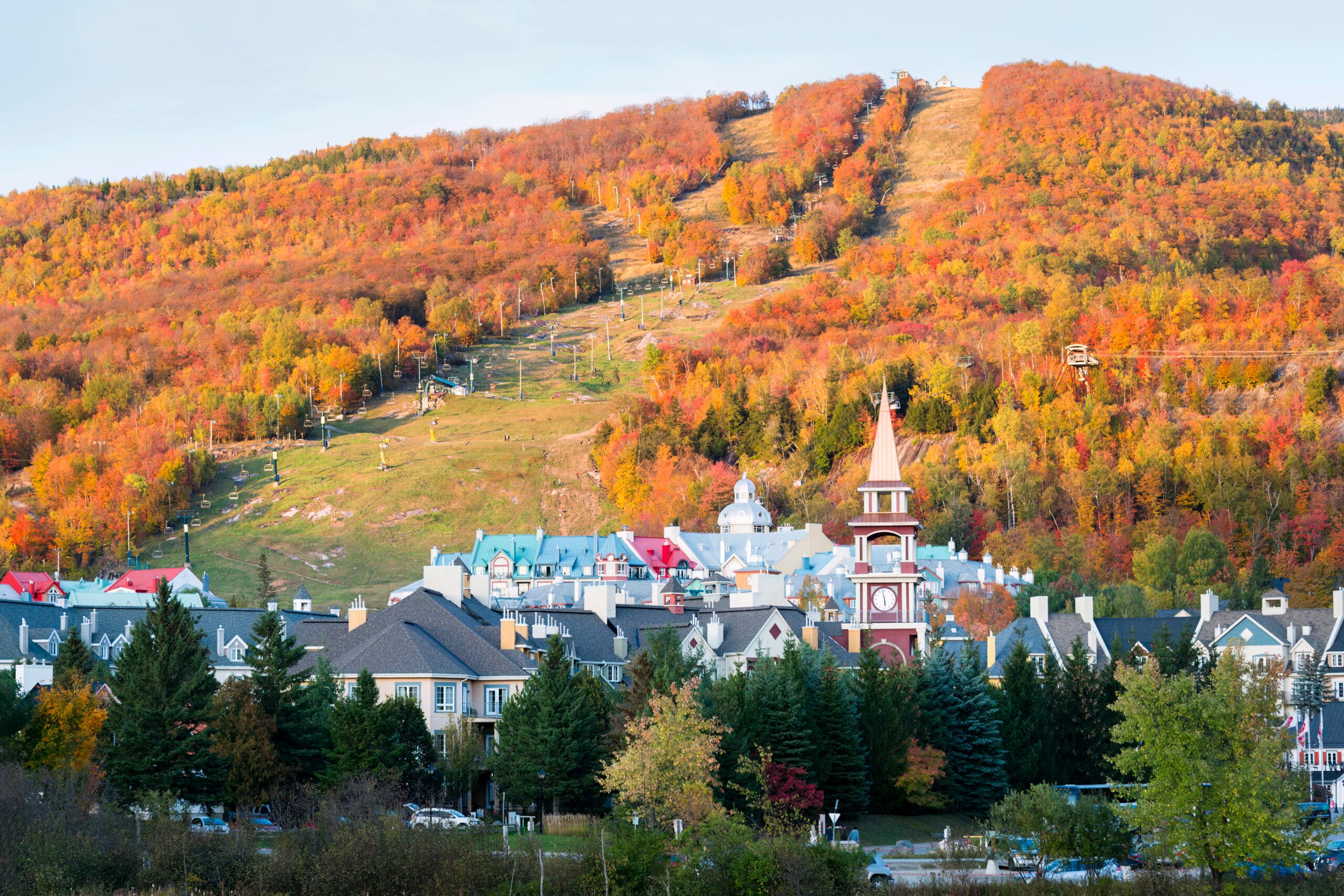
Phase 1: Late August to Early September (Cardiovascular Base Building)
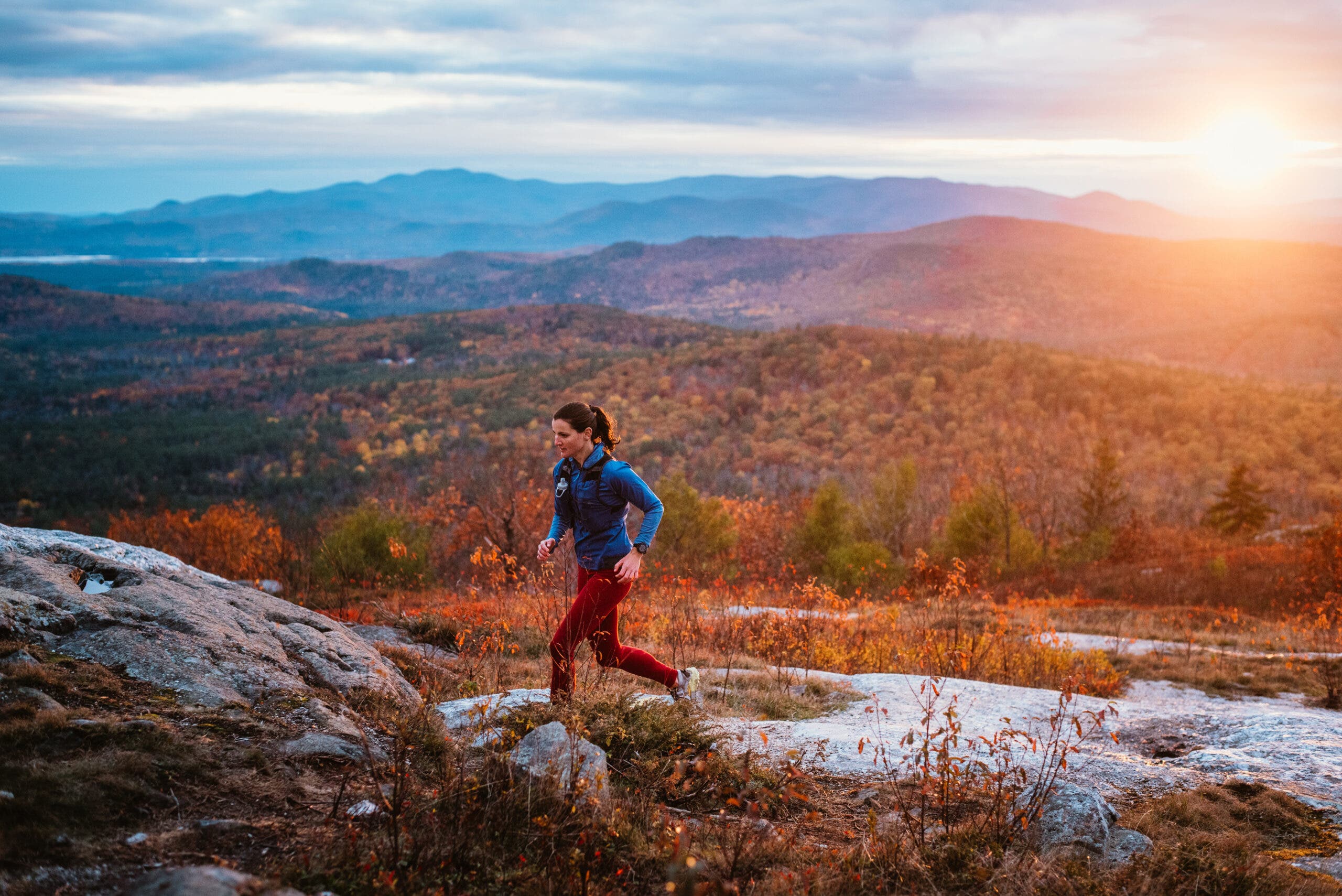
During this initial window, athletes focus on building aerobic capacity and strengthening stabilizer muscles through low-impact endurance activities. Trail running, cycling, and long-distance hiking form the core of this phase, conditioning the heart and lungs while acclimating the lower body to uneven terrain.
Phase 2: Mid to Late September (Strength, Power, and Proprioception)
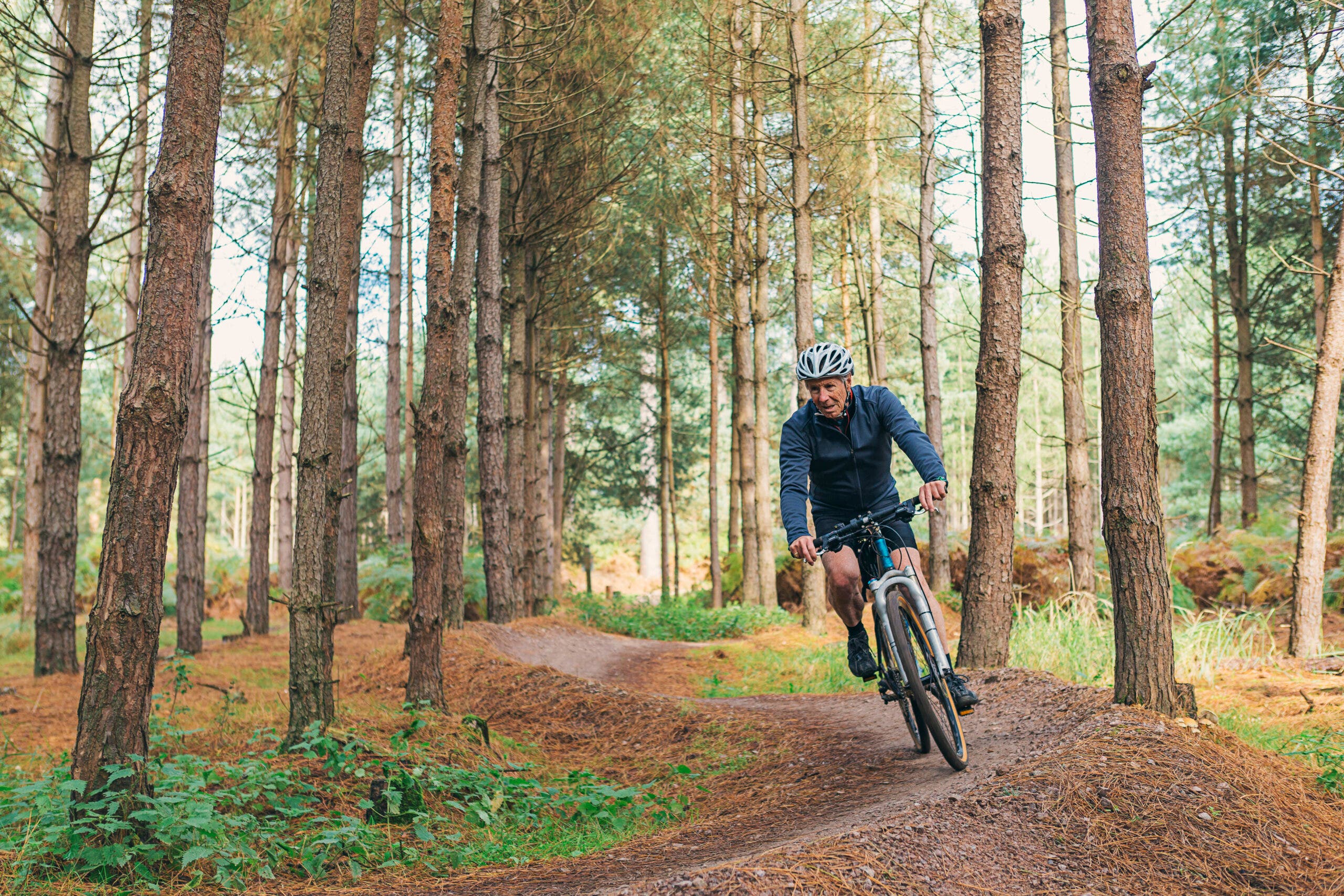
As the season progresses closer to winter, training transitions toward localized muscular endurance and neuromuscular agility. Activities such as alpine slope hiking—frequently augmented with weighted vests—and technical mountain biking simulate the eccentric loading experienced during alpine descents. Additionally, specialized climbing disciplines like via ferratas challenge core stability and grip strength.
Phase 3: October to November (Sport-Specific Simulation and Maintenance)
In the weeks immediately preceding lift openings, training shifts toward sport-specific mechanics. Urban athletes and those without immediate access to mountainous terrain increasingly utilize indoor ski simulators, revolving infinite slopes, and plyometric conditioning to replicate carving angles, edge control, and rapid weight transitions in a controlled environment.
Key Training Disciplines for Alpine Preparation
To achieve peak physical condition before the ski lifts begin operating, sports trainers recommend a diverse portfolio of outdoor and indoor physical activities designed to mimic the biomechanical demands of alpine skiing.
Ascending Alpine Slopes on Foot
Hiking up established ski resort terrain or steep mountain trails provides a dual benefit of cardiovascular conditioning and targeted muscular overload. The continuous elevation gain challenges pulmonary function while forcing the glutes, quadriceps, and calves to sustain long periods of concentric and eccentric contraction. For athletes seeking to replicate the added resistance of touring equipment or emergency packs, incorporating a weighted vest into the ascent effectively simulates the burden of carrying backcountry safety gear.
Technical Mountain Biking and Edge Control
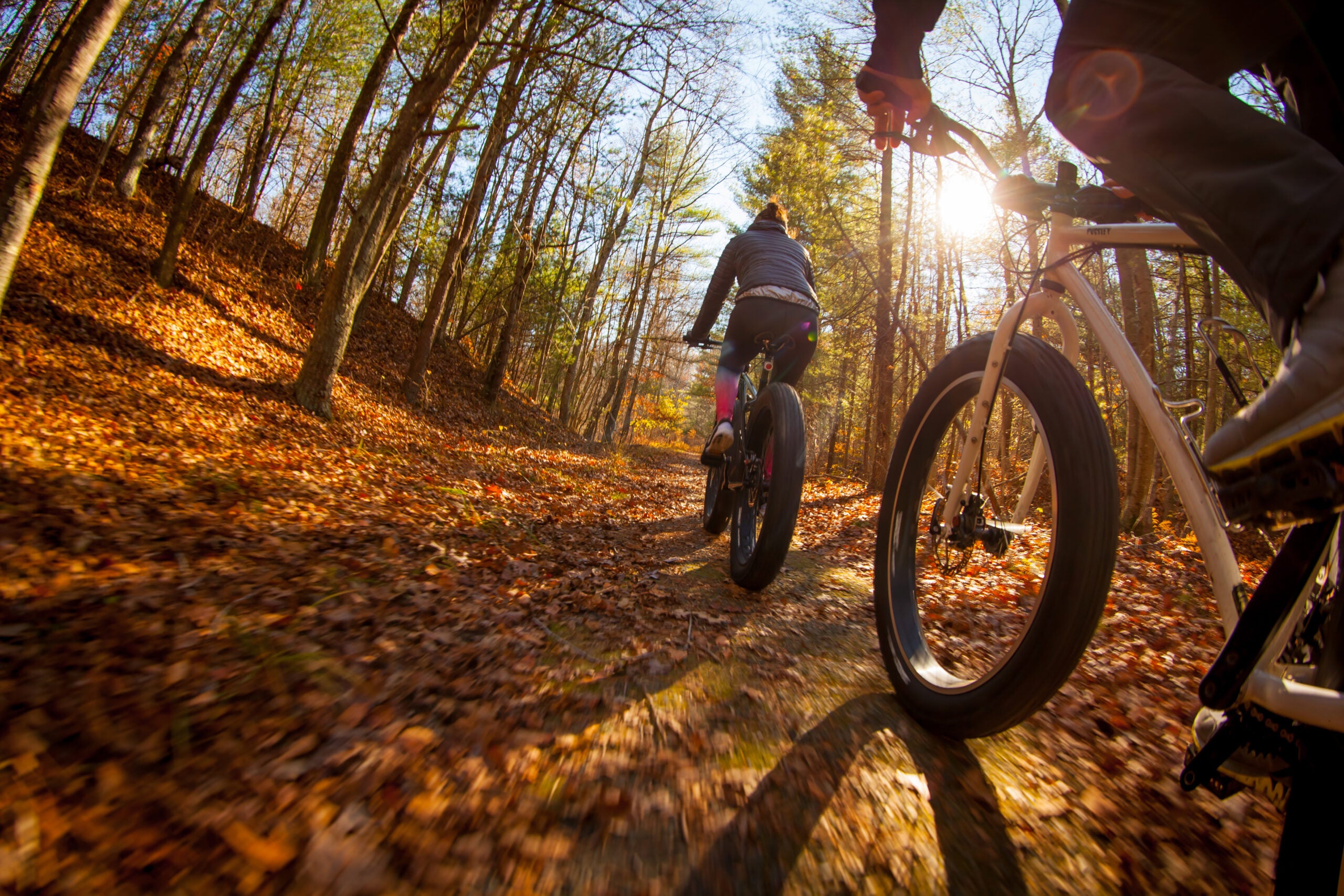
Mountain biking serves as an effective off-season training tool due to its demand for dynamic balance, rapid decision-making, and lower-extremity endurance. Navigating loose dirt, uneven roots, and variable switchbacks trains the brain and body in line choice and edge control—cognitive and physical skills that translate directly to managing variable snow conditions on skis. Furthermore, the constant shifting of body weight across the frame reinforces the core stability required for aggressive carving.
Via Ferrata Ascents for Core and Grip Strength
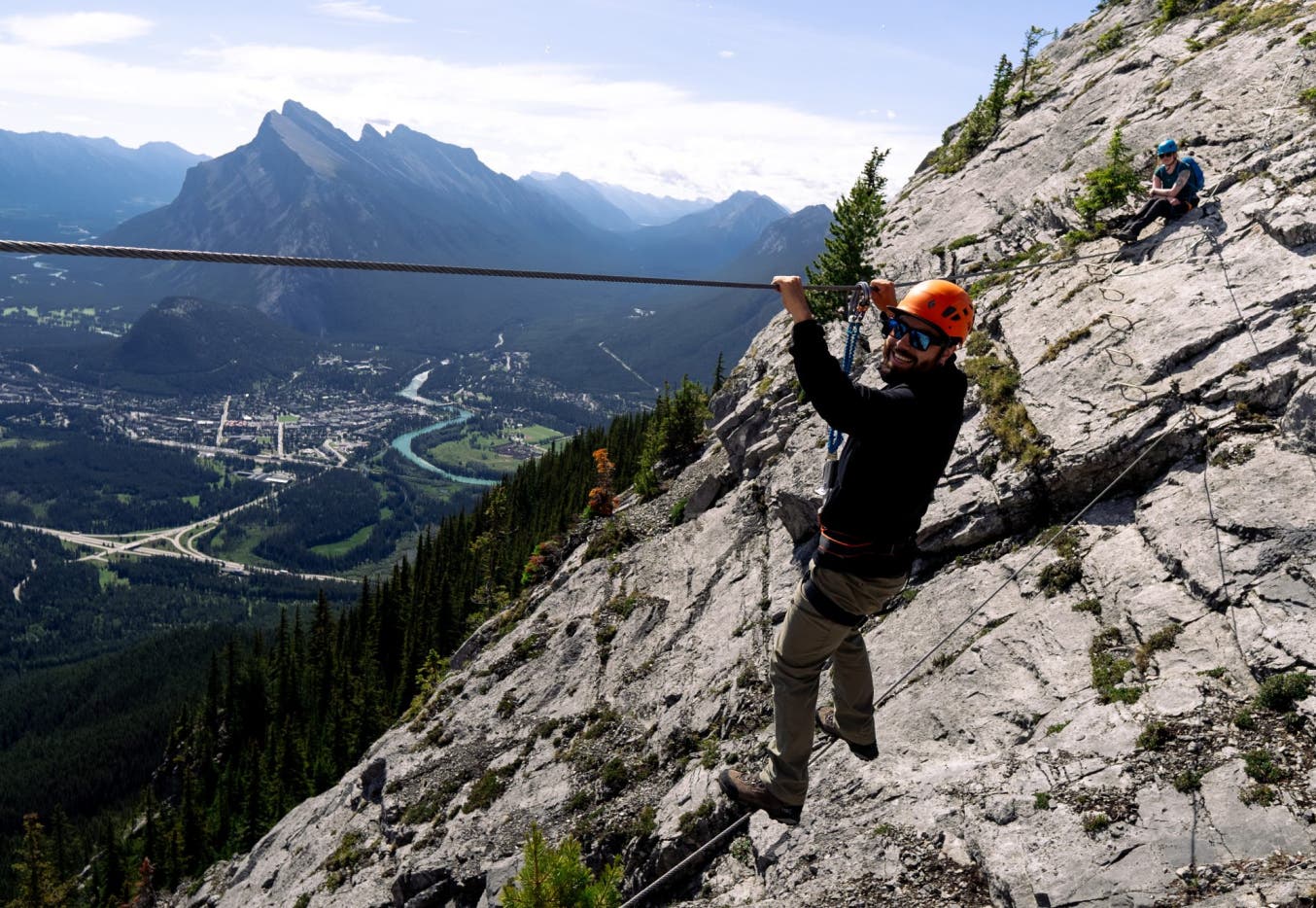
Originating in the European Alps, via ferratas—protected climbing routes utilizing fixed cables, ladders, and iron rungs—have expanded significantly across North America. These routes test both physical endurance and mental fortitude. Traversing exposed vertical faces requires continuous isometric engagement of the upper body, core, and legs, closely mirroring the sustained muscle tension and balance control demanded during steep alpine descents.
High-Altitude Trail Running
Cardiovascular conditioning at high elevations forces the cardiopulmonary system to adapt to reduced oxygen availability, enhancing overall aerobic efficiency. Trail running, as opposed to road running, introduces unpredictable terrain that activates micro-stabilizer muscles in the ankles, knees, and hips. These stabilizing mechanisms are critical for absorbing shock and maintaining trajectory when skiing through crud, powder, or crud.
Indoor Ski Simulators and Revolving Slopes
For populations residing far from mountainous regions, the evolution of indoor training facilities offers a technological solution. Modern facilities equipped with infinite revolving slopes and interactive ski simulators allow athletes to practice carving mechanics, edge transitions, and hip angulation year-round. These controlled environments enable high-volume repetition of fundamental movements without the variables of weather, visibility, or lift lines, allowing for precise form correction.
Broader Impact and Public Health Implications
The growing emphasis on structured preseason preparation reflects a broader cultural and demographic shift within winter sports. With a rising population of active older adults participating in alpine skiing well into their sixties, seventies, and beyond, injury prevention has become a central focus for resort operators, insurance providers, and sports equipment manufacturers.
Epidemiological data indicates that severe knee and shoulder injuries not only result in significant personal health setbacks and costly rehabilitation processes but also contribute to economic burdens related to lost productivity and medical expenditures. By promoting evidence-based conditioning protocols—such as neuromuscular warm-ups and structured off-season training—public health advocates and athletic organizations aim to foster longevity in the sport, ensuring that participants can safely engage in alpine recreation across their entire lifespan.
Ultimately, the months leading up to winter serve as a crucial window of opportunity. Whether preparing for high-altitude descents in the Rocky Mountains, tackling steep couloirs in the Alps, or simply enjoying recreational carving with family, the physiological dividends of autumn training remain clear: disciplined preparation yields improved performance, enhanced endurance, and a substantially reduced risk of injury on the slopes.

