
The crisp mountain air of Lake Tahoe and the bustling ski slopes of California’s high country present an idyllic winter playground for millions of enthusiasts each season. Yet, beneath the pristine powder and carved corduroy lies a persistent hazard that haunts recreationalists and elite competitors alike: the dreaded anterior cruciate ligament (ACL) tear. While orthopedic clinics in mountain towns routinely process these injuries year after year, one practicing surgeon in Auburn, California, has dedicated his career to turning the tide against knee trauma before it ever reaches the scalpel.
Dr. Greg Lichtman, an orthopedic surgeon specializing in sports medicine, knows the anatomy of a ski injury better than most. Balancing a demanding clinical practice near Tahoe with his role as a pool physician for the U.S. Women’s Ski Team, Lichtman combines frontline surgical expertise with a passionate crusade for injury prevention. His ultimate professional aspiration is paradoxical for a surgeon: to keep skiers entirely out of his operating room. Through a unique blend of elite athletic exposure, clinical research, and biomechanical insight, Lichtman is shedding light on the exact mechanics of ski-related knee trauma and offering actionable blueprints for how skiers of all abilities can protect their joints.
From Vail Fellowships to World Cup Slopes
Lichtman’s journey into the specialized world of knee preservation began long before he established his California practice. While many peers spent their post-graduate gap years working standard seasonal resort jobs—such as operating chairlifts or teaching toddlers the basics of pizza-and-french-fries turns—Lichtman immersed himself in high-level clinical research. He spent a pivotal year stationed at Vail’s renowned Steadman Philippon Research Institute, an institution internationally celebrated for its orthopedic breakthroughs and treatment of elite winter athletes.
Working side-by-side with surgeons and researchers at the Steadman Philippon facility provided Lichtman with an intensive education in the vulnerabilities of the human knee. During his tenure, he regularly interacted with members of the U.S. Ski Team who arrived at the clinic for emergency surgical reconstruction following devastating crashes on the international World Cup circuit. Crucially, his time at the institute was not confined to the sterile environment of the operating theater; he also logged extensive days on the mountain, observing how elite athletes interact with changing snowpack, high speeds, and complex terrain.
This foundational experience was later reinforced during a specialized sports medicine fellowship at the University of Massachusetts, coupled with his formative years cutting his teeth on the icy, unforgiving slopes of the East Coast. Observing the high volume of orthopedic trauma native to eastern skiing, Lichtman noticed a stark discrepancy in the sports medicine landscape. While land-based athletic disciplines—such as soccer, basketball, and American football—benefited from robust, data-backed neuromuscular prevention protocols that successfully slashed injury rates by up to sixty percent, the winter sports sector lagged far behind.
Driven by a lifelong passion for skiing and an analytical curiosity regarding injury etiologies, Lichtman resolved to investigate the precise mechanical forces that compromise the knee joint on snow, transforming his observations into a comprehensive mission for public education and preventative conditioning.
Decoding the Anatomy of a Knee Injury
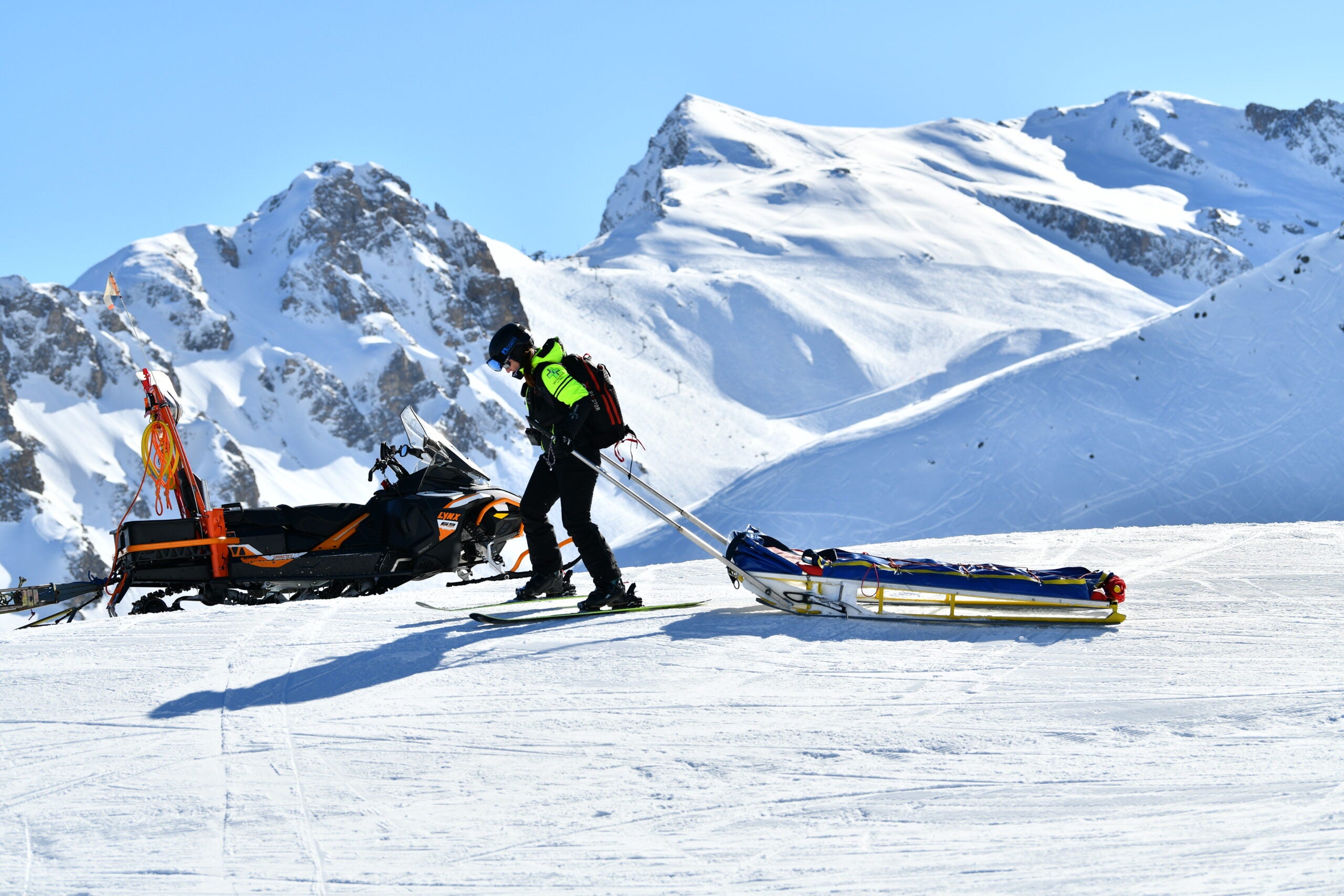
To effectively prevent an ACL tear, skiers must first understand the catastrophic window of time in which the injury occurs. According to Lichtman, recreationalists and racers alike are most vulnerable when they find themselves skiing "in the backseat"—a colloquial term for a defensive, rear-weighted posture where the skier’s hips drop behind their feet and their center of gravity shifts backward.
Lichtman frequently observes this dangerous positioning firsthand from the vantage point of a ski lift. "Sometimes when I’m on the chairlift, I put my hand on my head and say, ‘Oh no,’ when I see someone fall and slide in a deeply flexed knee and hip position," Lichtman explains. Once a skier enters this compromised posture, dynamic control evaporates.
Biomechanically, this positioning invites a rapid sequence of events known as the slip-catch mechanism. During this incident, the downhill ski momentarily loses contact with the snow surface. As the leg momentarily straightens, it abruptly flexes and compresses the moment the ski re-engages or catches an edge. Within a terrifying sixty-millisecond window, the lower leg—the tibia—drastically rotates internally or shifts into a valgus (knock-kneed) alignment. It is this abrupt internal rotation of the lower leg under compressive load that forces the ACL past its tensile limits, causing the fibers to rupture.
A secondary, highly prevalent pathway to destruction is the infamous "phantom foot" injury mechanism. This classic ski trauma typically unfolds when a skier loses their balance while traveling backward in a low, seated position, with their weight concentrated near their tailbone and their uphill arm trailing behind them on the snow. As the uphill ski unweights entirely, the entirety of the skier’s body weight drives down through the inside edge of the downhill ski. In this dynamic, the ski boot and binding system act as an unyielding lever—metaphorically functioning as a "phantom foot"—that violently twists the knee joint long before the mechanical DIN release settings on the ski bindings have an opportunity to trigger.
Environmental and Behavioral Risk Factors
While biomechanical positioning sets the stage for disaster, environmental variables and human fatigue significantly elevate the probability of an ACL tear occurring on any given day. Recognizing these contextual risk factors is a vital component of Lichtman’s broader prevention strategy.
Fatigue is perhaps the most insidious catalyst for orthopedic trauma on the mountain. Clinical data consistently shows an influx of acute knee injuries during peak holiday periods, such as December, when skiers return to the slopes with deconditioned musculature. As leg muscles fatigue, maintaining an athletic, forward-weighted stance becomes increasingly difficult, causing skiers to default into the dangerous backseat posture. Lichtman stresses that recognizing the physical onset of fatigue and opting to call it a day before exhaustion compromises form is a critical self-preservation skill.
Furthermore, environmental visibility and snow conditions play a massive role in injury statistics. Flat-light conditions—where contrast vanishes and the snow surface appears uniform—frequently correlate with ACL tears. When skiers cannot accurately read the terrain beneath their tips, unexpected micro-dips or crust layers can effortlessly kick them off balance. Similarly, variable snow surfaces present distinct geographical hazards.
East Coast skiers routinely face icy hardpack, where edges fail to engage cleanly, fostering the slip-catch mechanism during turns. Conversely, skiers in regions like California’s Lake Tahoe face heavy, moisture-dense snow colloquially known as "Sierra Cement," which can catch an edge and violently displace a skier. Finally, excessive speed relative to skill level remains an enduring risk factor, particularly when aggressive skiers attempt features or terrain parks beyond their technical capabilities, only to land heavily in the backseat off a jump.
Bridging the Gap: Off-Season Conditioning and Core Stability
Given that the destructive forces acting upon the ACL occur in a fraction of a second—often before a safety binding can physically eject the boot—medical professionals emphasize that physical resilience must be built long before the first snowstorm blankets the peaks.
Conventional pre-season conditioning has historically overemphasized isolated leg strength, inspiring the popular fitness adage that completing a two-minute wall sit is sufficient preparation for a grueling winter of carving. However, Lichtman argues that modern ski preparation must evolve to mirror the comprehensive training seen in elite land-based sports.
While strengthening the quadriceps, hamstrings, and glutes remains fundamental, dry-land training programs must intentionally incorporate targeted core stability work. Strengthening the oblique and abdominal muscle groups is vital; a robust core enables a skier to instantly correct their alignment and maintain balance directly over their skis when external forces attempt to knock them off center.
Equally neglected by amateur and high-level athletes alike is the gluteus medius. Responsible for lateral leg raises and hip stabilization, this specific muscle group is instrumental in ensuring the knee remains tracking straight over the toes—the biomechanically safest alignment for joint health. By integrating lateral hip stability exercises and dynamic core work into an off-season regimen, skiers can significantly enhance their body’s resistance to rotational trauma.
Equipment Realities and the Future of Ski Safety
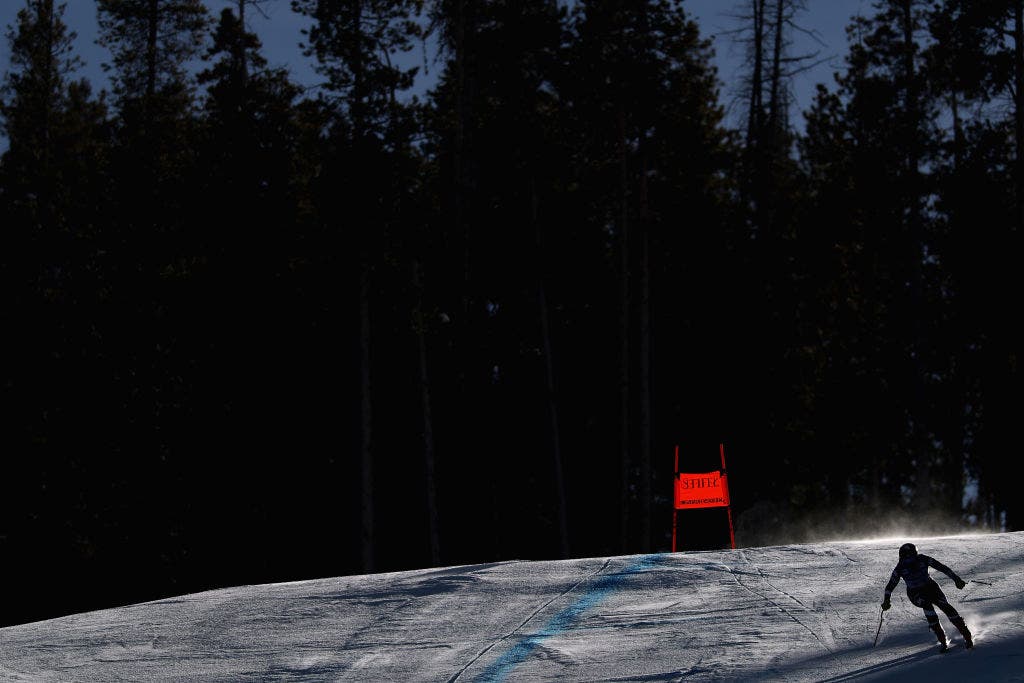
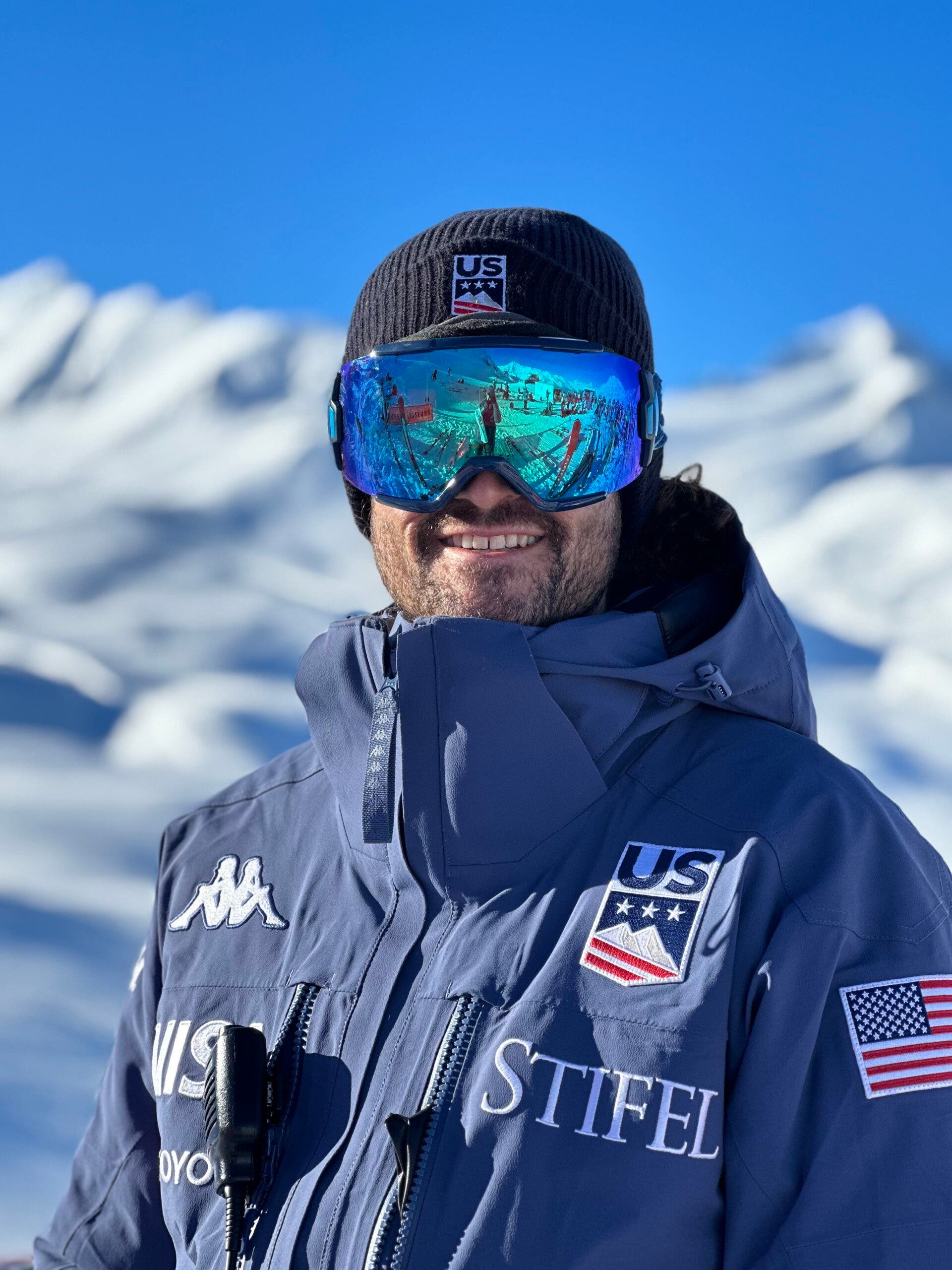
As a pool physician traveling internationally with the U.S. women’s alpine squad to storied racing venues in Portillo, Chile, Val d’Isère, France, and upcoming stops in Lillehammer, Norway, Lichtman witnesses the absolute peak of athletic performance and equipment tuning. However, he notes a profound disconnect between how elite competitors manage their gear and how recreational skiers approach theirs.
A pervasive myth among recreational skiers is that equipment failures or improper falls are the sole culprits behind knee injuries. In reality, as established by injury timelines, the vast majority of ACL tears transpire before the mechanical binding ever releases its hold on the boot. To mitigate this risk, recreational skiers must ensure that their DIN settings—the numerical scale determining how easily a binding releases under pressure—are accurately calibrated by a certified technician based on age, height, weight, and verified skiing ability.
"We’re not all Breezy Johnson skiing 80 mph and need our bindings cranked up," Lichtman notes, referencing the elite U.S. downhill racer. Setting bindings artificially high out of a misplaced sense of ego dramatically increases the likelihood of severe lower-extremity trauma during a routine fall.
Looking toward the future, the sports medicine community recognizes an urgent need for technological innovation. While modern bindings—such as Look’s multidirectional release systems—offer advanced safety mechanisms, no current ski setup provides absolute immunity against rotational knee injuries. Lichtman points to the development of bindings equipped with high-sensitivity sensors capable of detecting rapid internal tibial rotation in real-time as an essential frontier for future research.
Until such technological leaps become standard consumer fare, Lichtman’s message to the skiing public remains rooted in education, situational awareness, and proactive physical preparation. By mastering proper posture, respecting personal fatigue limits, understanding snow conditions, and investing in comprehensive off-season conditioning, skiers can dramatically alter their odds. For Dr. Greg Lichtman, every skier who adopts these preventative measures represents one less patient in his examination room, proving that the greatest victory in sports medicine is the injury that never happens.

