
For millions of winter sports enthusiasts worldwide, the arrival of the colder months marks the anticipation of fresh powder, meticulously groomed corduroy, and the pursuit of personal athletic milestones. While the objectives of a new ski season often sound simple—ski more frequently, maximize enjoyment, and refine technical execution along the way—achieving sustained progress requires a deliberate approach. Elevating one’s skiing technique does more than simply look polished; it unlocks access to more challenging terrain, significantly boosts confidence on steep or variable snow, and transforms a standard day on the mountain into a deeply rewarding experience.
As winter approaches and resorts begin ramping up their snowmaking operations, the skiing community is turning its attention toward instructional resources that promise to elevate performance. Among the most discussed recent resources is a comprehensive instructional video released by the popular digital platform Alpine Tutorials with George. The masterclass focuses heavily on how skiers across the entire spectrum of ability levels can foster continuous improvement, proving that skill acquisition is not exclusively reserved for the youth or elite professional athletes. Whether a novice is striving to link consistent parallel turns on gentle green runs, an intermediate carving enthusiast is attempting to conquer narrow chutes and steep bowls, or an advanced mountaineer is looking to polish their style in deep powder and tight moguls, the fundamental principles of progression remain constant.
Challenging Traditional Notions of Athletic Peak Performance
Traditional sports science has long suggested that athletic capabilities peak during early adulthood and steadily decline thereafter. However, the snowsports industry is increasingly challenging this paradigm, particularly in alpine skiing, where tactical intelligence, spatial awareness, and muscle memory can often compensate for minor reductions in raw explosive power. Alpine Tutorials with George actively dismantles the notion that a skier’s absolute best days on the mountain must be confined to their most physically dominant years.
Progression, as outlined by modern snowsports educators, is rarely linear and looks vastly different depending on the individual’s life stage and personal goals. For some seasoned veterans, true progress does not manifest as skiing at higher speeds or descending double-black-diamond cliffs. Instead, it might be measured by achieving effortless, fluid technique on intermediate terrain with minimal physical fatigue. For others, expanding one’s skillset involves diving into the academic side of the sport—studying snow science, obtaining avalanche safety certifications, and understanding terrain risk management before venturing into the unpatrolled backcountry.
Furthermore, many lifelong skiers find a renewed sense of purpose and technical mastery through mentorship. Teaching children, grandchildren, or close friends how to navigate the slopes requires a deep, fundamental understanding of biomechanics and balance, which in turn reinforces the instructor’s own technique. The overarching consensus among top-tier mountain educators is that the definition of a "successful" ski season is entirely subjective, and finding personalized avenues for engagement is the ultimate key to longevity in the sport.
The Three Pillars of Modern Ski Progression
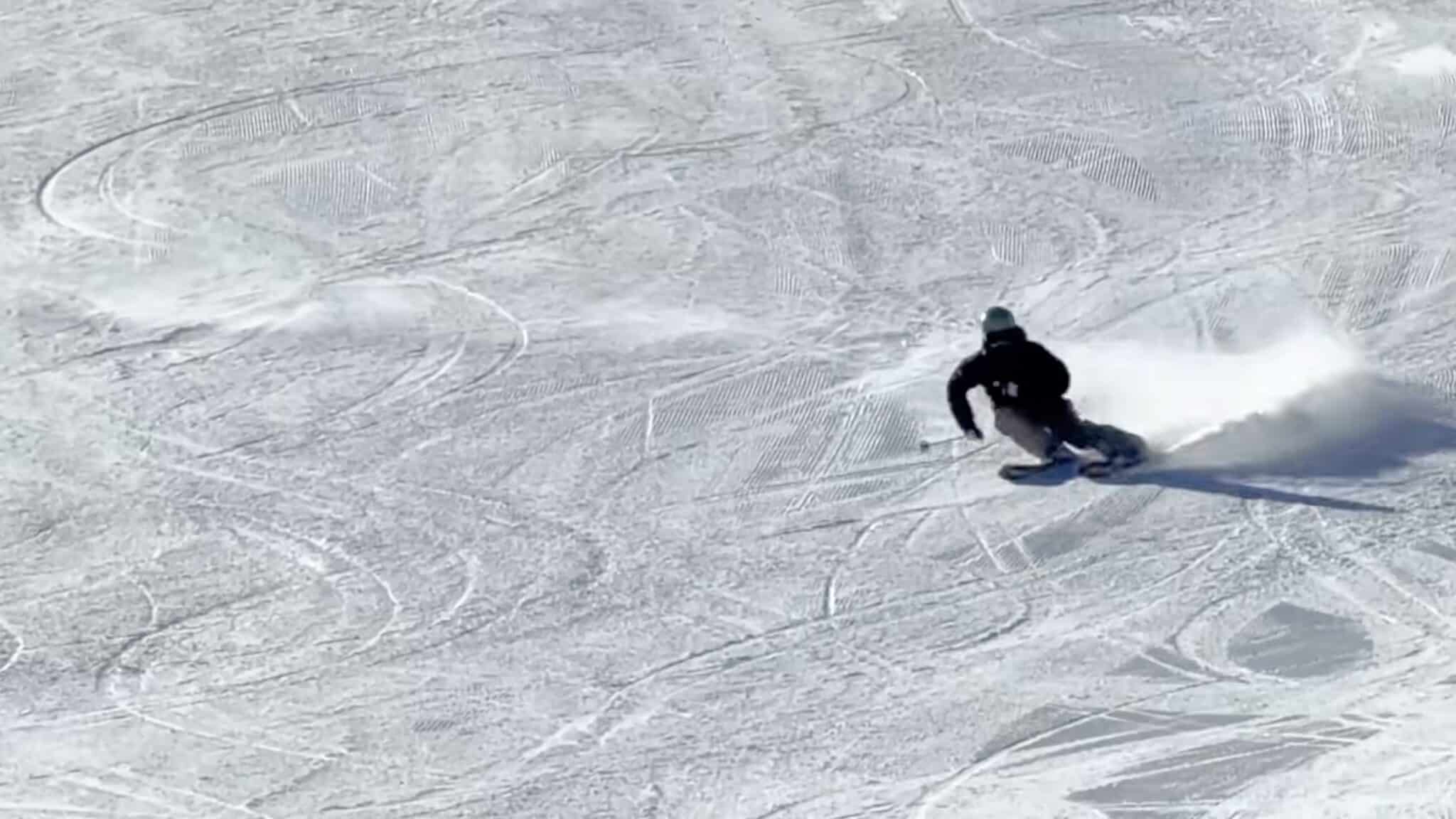
To maximize improvement without burning out or experiencing physical strain, instructional experts highlight three core pillars that form the foundation of any successful winter season. When integrated thoughtfully into a training regimen, these elements can radically transform a skier’s trajectory from one season to the next.
-
Prioritizing Sustainable Enjoyment and Motivation
The psychological component of athletic performance is frequently underestimated. Skiing is, at its core, a recreational pursuit meant to inspire joy and connection with the natural world. George’s instructional framework underscores that skiers who seek out exciting environments, explore diverse terrain, and surround themselves with supportive peers are far more likely to remain motivated throughout the grueling winter months. Burnout often occurs when skiers turn recreation into an overly rigid obligation. By balancing structured technical drills with purely exploratory, fun-focused ski days, athletes can maintain a healthy psychological relationship with the sport. -
Seeking Clear, Unambiguous Instruction
Alpine skiing is an inherently counterintuitive discipline. Movements that feel naturally protective—such as leaning backward away from a steep drop—are precisely the opposite of what physics and proper technique require. Consequently, vague or overly complex advice can quickly derail a skier’s progress, leading to frustration and bad habits. Modern coaching emphasizes the importance of simple, digestible explanations that break down intricate biomechanical movements into clear, actionable concepts. Understanding the "why" behind a specific movement, such as edge angulation or pressure distribution, allows skiers to self-correct in real-time while descending. -
Adopting a Structured, Individualized Roadmap
In the digital age, skiers are constantly bombarded with a relentless stream of disconnected tips, social media hacks, and conflicting drills. While these snippets can occasionally spark inspiration, they rarely lead to cohesive skill development. A sustainable roadmap requires an honest assessment of one’s current baseline abilities, followed by the identification of realistic, sequential next steps. Rather than attempting to completely overhaul a parallel turn overnight, skiers benefit from micro-goals—such as focusing exclusively on outside-ski pressure during morning sessions and upper-body separation in the afternoon.
The Historical Context of Ski Instruction and Modern Accessibility
To fully appreciate the modern landscape of ski progression, it is helpful to examine how instructional methods have evolved over the decades. In the mid-20th century, ski instruction was heavily militaristic and formal, heavily reliant on rigid European techniques such as the Arlberg method, which utilized the classic snowplow as the foundational gateway to parallel skiing. These techniques, while effective for their era, often required years of repetitive drilling before a recreational skier felt comfortable exploring varied terrain.
As equipment technology revolutionized the sport in the late 1990s and 2000s—most notably through the widespread adoption of parabolic shaped skis—instructional philosophy shifted dramatically. The hourglass shape of modern skis meant that carving turns required significantly less physical exertion and edge-angling force, allowing beginners to experience the sensation of true carved turns much earlier in their learning curve.
Today, the digital revolution has democratized ski instruction entirely. Platforms like YouTube, specialized coaching apps, and dedicated instructional channels have bridged the gap between professional resort ski schools and the average weekend warrior. Skiers no longer have to wait for an annual week-long family vacation to receive expert feedback; they can study professional demonstrations on their smartphones while riding the chairlift, visualizing proper body mechanics before executing them on the descent.
Economic and Demographic Implications for the Ski Industry
The shifting demographics of mountain visitors also underscore the importance of continuous, lifelong skill development. Major industry reports from organizations like the National Ski Areas Association (NSAA) indicate that the average age of the core skiing demographic has been steadily increasing, alongside a noticeable rise in participation among older adults and multi-generational families.
As aging populations look to maintain active, healthy lifestyles well into their sixties, seventies, and beyond, the demand for injury-prevention education, biomechanical efficiency, and low-impact terrain navigation has skyrocketed. Resorts and independent instructional academies are responding by tailoring specialized camps and clinics aimed at mature skiers who want to ski smarter, not harder. This demographic shift not only extends the athletic lifespan of individual skiers but also stabilizes the economic foundation of mountain resort towns, ensuring steady visitor volume across all age brackets.
Broader Impact and Actionable Takeaways for the Upcoming Winter
As snow begins to accumulate on peaks across North America and Europe, winter sports enthusiasts are presented with a blank canvas. The transition from the off-season to the winter operating period offers a vital window of opportunity for intentional practice. Industry analysts and coaching professionals alike recommend a methodical approach to the opening weeks of the season.
Rather than immediately rushing to tackle the most intimidating, steep, or icy terrain available on opening day, skiers are encouraged to dedicate their first several outings to warm-up runs on groomed, predictable slopes. This initial phase allows athletes to readjust their muscle memory, test their equipment functionality, and shake off the rust accumulated during the spring, summer, and autumn months.
Furthermore, conditioning plays an indispensable role in unlocking a skier’s full potential. Off-mountain preparation—incorporating eccentric leg strength training, core stabilization exercises, and cardiovascular endurance work—significantly reduces the risk of fatigue-related injuries. When the legs and core remain strong throughout a full day of skiing, maintaining proper technique becomes vastly easier, preventing the breakdown of form that typically occurs during the final hours of an afternoon session.
Ultimately, the pursuit of a better ski season is not defined by perfection, but by engagement, curiosity, and adaptability. By blending clear instructional guidance, a realistic roadmap of personal ability, and an unwavering commitment to pure enjoyment, skiers of all ages and backgrounds can ensure that their upcoming winter on the snow is their most fulfilling and successful season to date.

