
The landscape of American energy production is undergoing a tectonic shift, moving away from centralized, fossil-fuel-dependent generation toward a distributed, resilient grid powered by renewable sources. A critical battleground for this transition is not the halls of federal government, but the local municipal hearing room. In Reno, Nevada, a coalition of community members, scientists, and outdoor advocates recently achieved a significant victory for regional infrastructure with the formal approval of the Trego Battery Energy Storage System (BESS). The 200-megawatt project, designed to stabilize the regional power grid and facilitate the integration of solar energy, serves as a blueprint for how communities can navigate the complexities of modern energy infrastructure.
The Trego BESS Project: Technical and Economic Specifications
The Trego BESS is a utility-scale energy storage installation designed to address the inherent intermittency of renewable energy. By storing excess electricity generated during peak solar production hours, the facility can discharge power back into the grid during periods of high demand, such as extreme heat waves or cold snaps. The facility’s 200-megawatt capacity is substantial, capable of powering approximately 68,000 households, effectively mitigating the risk of brownouts and reducing the reliance on "peaker plants"—fossil-fuel-powered generators that are often inefficient and highly polluting.
Beyond its technical utility, the project represents a significant infusion of capital into the Nevada economy. Economic impact studies suggest that for every 5 megawatts of utility-scale storage capacity developed, local communities can expect to see approximately $14 million in economic activity. This includes tax revenue, the creation of high-skilled construction and maintenance jobs, and secondary economic stimulation for local vendors and service providers. For a region looking to diversify its economic base while simultaneously meeting state-mandated carbon reduction goals, the Trego project is both an environmental and financial imperative.
Chronology of the Approval Process
The path to approval for the Trego project was not instantaneous. It followed a rigorous, multi-year process characterized by regulatory review and community engagement.
Initial project proposals were introduced to regional planning authorities, where they faced the standard procedural hurdles of any major industrial development. Following the filing of necessary permits, the project entered a public comment period. It was during this phase that local skepticism, often categorized as NIMBYism (Not In My Backyard), began to surface. Concerns regarding land use, safety protocols, and the visual impact of battery infrastructure are common in such projects, as residents grapple with the unfamiliar nature of lithium-based storage technology.
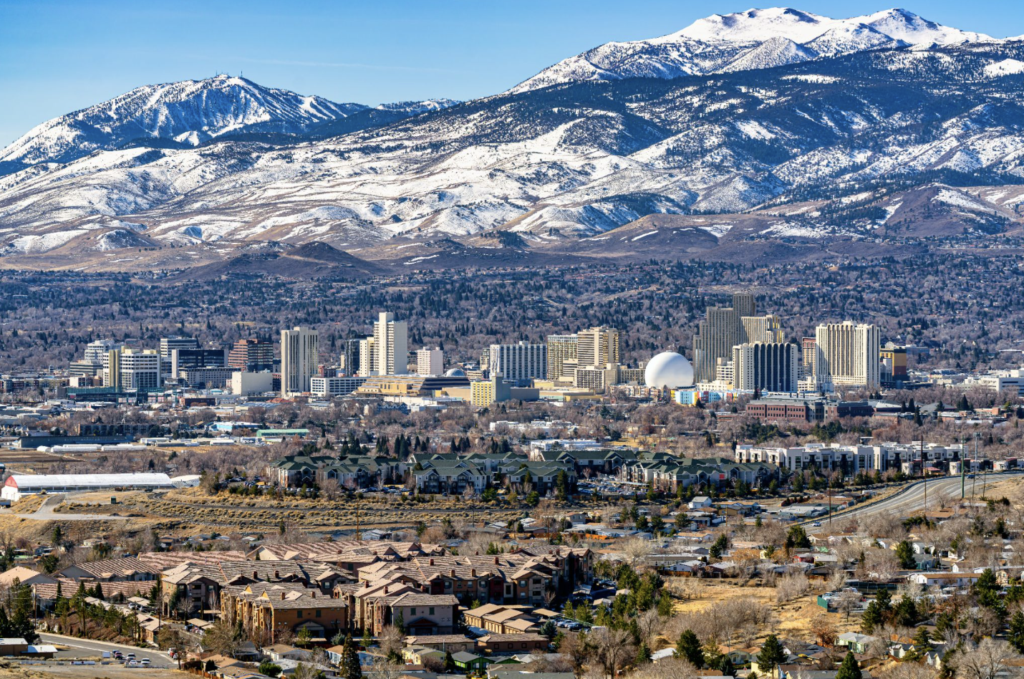
In response, project developers and local stakeholders—including members of the Protect Our Winters (POW) organization—launched an educational campaign. The goal was to pivot the conversation from abstract fear to evidence-based discussion. By the time the final public hearings were held in Reno, the discourse had shifted. Advocates, including Dr. Anne Nolin, a professor in the Geography Department at the University of Nevada, Reno, and a specialist in snow hydrology, provided testimony that addressed technical safety and environmental necessity. The commission’s final approval signaled the culmination of this grassroots effort, marking a transition from the planning phase to the pre-construction phase.
Safety Standards and Technological Evolution
A primary driver of public apprehension regarding battery storage is the historical association with early-generation lithium-ion chemistries, which were prone to thermal runaway in specific conditions. The Trego project, however, utilizes Lithium Iron Phosphate (LFP) technology. LFP batteries are chemically more stable than their nickel-manganese-cobalt (NMC) counterparts and are significantly less susceptible to overheating.
Industry data provided to the regional planning board emphasized that LFP systems include redundant safety features, such as advanced thermal management systems, fire suppression protocols, and continuous monitoring, which significantly reduce the risk profile of the facility. For proponents like Dr. Nolin, the transition to these safer, more efficient technologies was a decisive factor in moving from uncertainty to vocal support. By demystifying the technology, advocates were able to frame the project as a necessary upgrade to a 20th-century grid system that is increasingly incapable of handling 21st-century energy demands.
The Role of Local Advocacy in Climate Policy
The Reno victory highlights the increasing power of organized local advocacy. For many, the climate crisis can feel like an abstract, insurmountable global problem. The Trego BESS case study demonstrates that climate action is often defined by the "tactical localism" of citizens who participate in zoning board meetings, city council hearings, and county commission votes.
Dr. Nolin’s involvement underscores a broader trend: the mobilization of the scientific community. When experts in fields like geography and hydrology lend their voices to local government, they provide a layer of credibility that can counter misinformation. The testimonials provided in Reno were characterized by their clarity and focus on systemic reliability. As communities across the United States face the dual pressure of aging infrastructure and the urgent need to transition to renewable energy, the "Reno Model" of public participation provides a roadmap.
Broader Implications for the American Grid
The transition to a clean energy future is a monumental undertaking that requires the construction of thousands of gigawatts of new storage and transmission infrastructure. The Reno project stands as a microcosm of the challenges facing the nation. The federal government, through the Inflation Reduction Act and the Bipartisan Infrastructure Law, has provided the financial framework for this transition, but the execution remains largely a local matter.
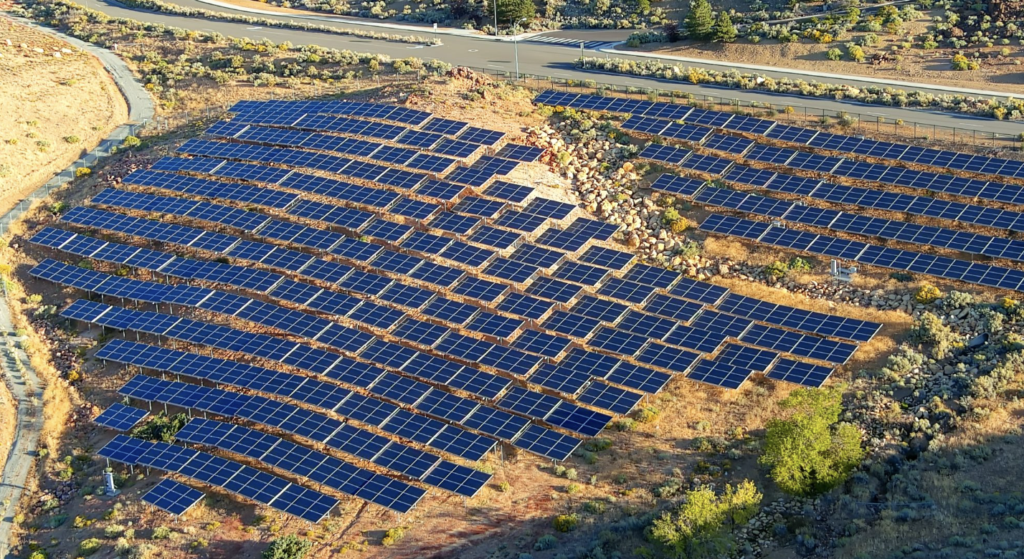
The successful permitting of the Trego project serves as a rebuttal to the idea that clean energy infrastructure is inherently unpopular. When projects are paired with transparent communication, high safety standards, and clear economic benefits, public opposition often softens into cautious support. Conversely, where communication is opaque or local concerns are ignored, projects frequently stall, leading to significant delays in achieving national carbon-reduction targets.
Future Outlook and Lessons Learned
As Nevada continues to expand its renewable energy portfolio, the lessons learned from the Trego BESS approval process will be applied to future developments. The state has set aggressive goals for renewable energy procurement, and the ability to store that energy is the linchpin of those goals.
For the general public, the primary takeaway is that municipal government is not a passive bystander in the energy transition. It is the gatekeeper. The success of the Trego project underscores that policymakers at the city and county levels are highly responsive to their constituents. When outdoor enthusiasts, scientists, and local taxpayers appear at public hearings to offer informed, reasoned support for climate-resilient infrastructure, they fundamentally change the decision-making calculus for local officials.
The path forward requires continued vigilance. As more projects move through the pipeline, the need for resources—such as the Clean Energy Toolkit provided by organizations like Protect Our Winters—becomes increasingly evident. These resources allow citizens to understand the jargon of the energy sector, participate effectively in the regulatory process, and hold developers and local governments accountable to both environmental and safety standards.
In conclusion, the Trego Battery Energy Storage System is more than just a collection of batteries on a plot of land in Nevada. It is a testament to the fact that when people engage with the mundane, often tedious work of local government, they can effect profound change. As the United States moves toward a cleaner, more reliable energy grid, the voices of those willing to show up at the town hall will prove to be the most vital component of the infrastructure itself. The Reno experience confirms that local action remains the most effective form of climate action, providing a tangible pathway to a future that is not only cleaner but more resilient for generations to come.

