
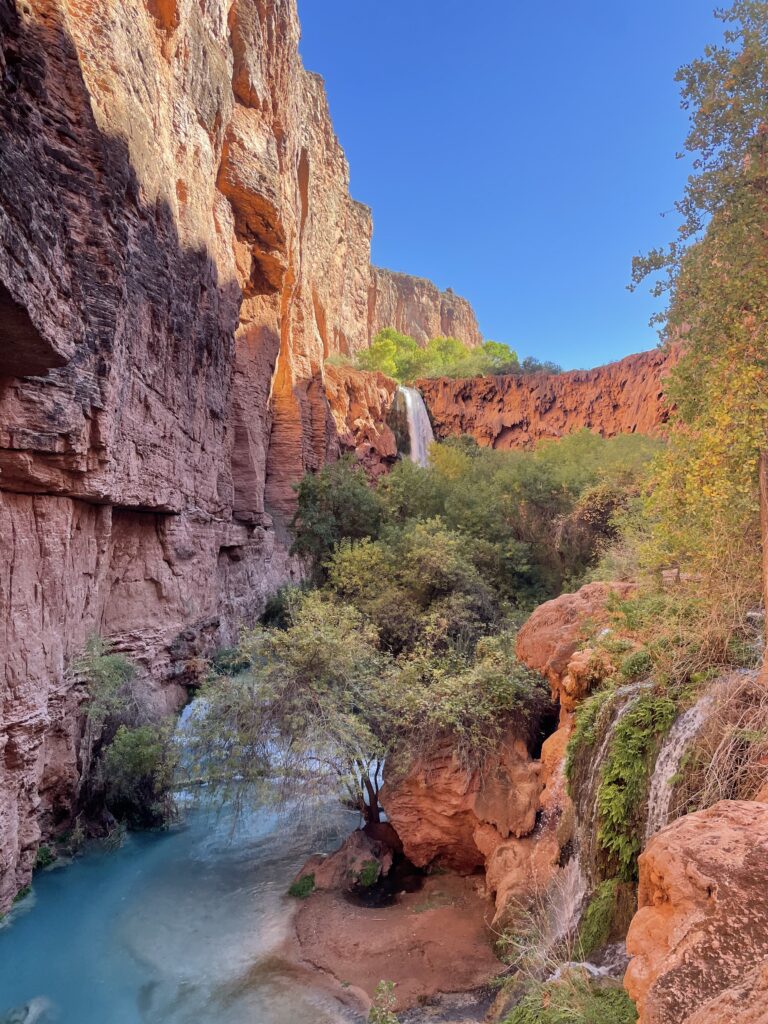
The outcome of the 2024 United States presidential election signaled a definitive shift in federal environmental policy, triggering a wave of structural changes that have fundamentally altered the landscape of conservation, public land management, and regulatory oversight. For Jared Shumate, a 2022 Winter Olympian and environmental advocate, the news of Donald Trump’s victory arrived three days after the polls closed, delivered in a moment of jarring contrast between the silence of the Arizona backcountry and the seismic political shift occurring in Washington. This transition of power, which ushered in a second Trump administration, has since been marked by the systematic rollback of environmental protections, sparking a broader reevaluation of how citizens, particularly within the outdoor recreation community, engage with the legislative process.
A Chronology of Post-Election Policy Shifts
The timeline of the 2024 election aftermath was defined by rapid, consequential administrative actions. Following the November 5, 2024, election, the federal government pivoted toward a deregulatory agenda. By early 2025, the administration had begun the process of re-evaluating and rescinding several key EPA policies, including those governing methane emissions from oil and gas operations and fuel efficiency standards for passenger vehicles.
For those immersed in the outdoor sector—a community that relies on the preservation of pristine ecosystems—these policy shifts were not merely bureaucratic updates but tangible threats to the environment. The administration’s focus on expanding domestic energy production included the opening of millions of acres of previously protected public lands to new oil, gas, and mineral extraction leases. By the spring and summer of 2025, the impact was visible: an increase in drilling applications on federal lands and the gradual dismantling of protections for sensitive habitats in the American West.

The Intersection of Athletics and Public Policy
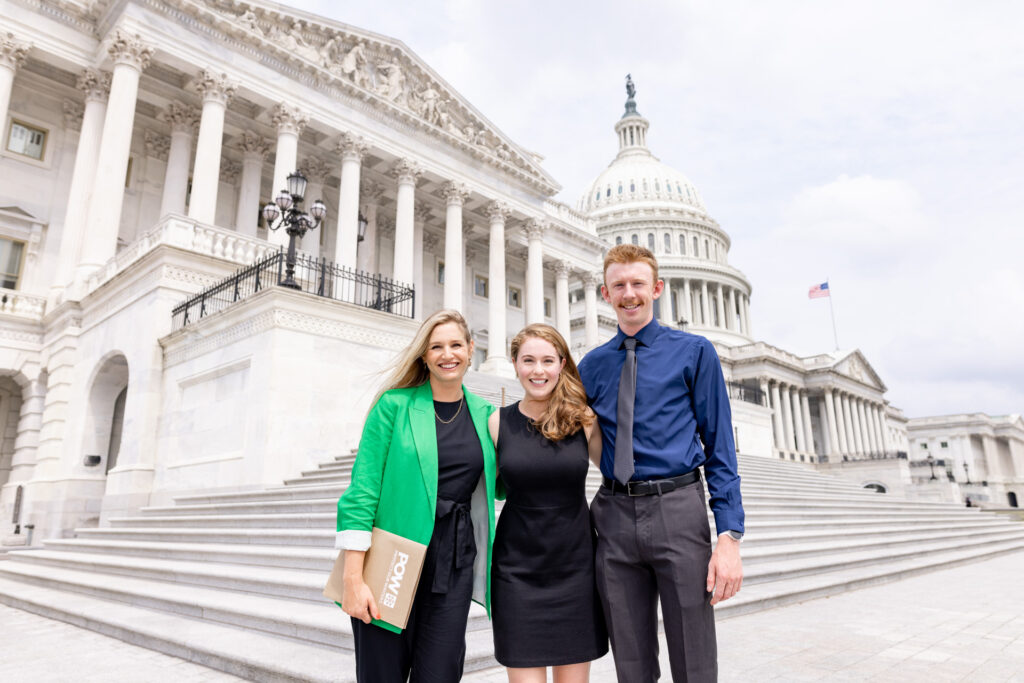
Jared Shumate’s journey from the slopes of the Nordic Combined circuit to the halls of academia represents a growing trend among professional athletes: the transition from advocacy-based activism to institutional policy involvement. Shumate, who has spent his career as a competitive skier and an ambassador for Protect Our Winters (POW), noted that his experience lobbying in D.C. provided him with a clear view of the legislative machinery. However, the 2024 election served as an inflection point.
"The emotional response to the election results—anger, disappointment, and a sense of vulnerability regarding our wild places—was the impetus for a deeper commitment," Shumate observed. Recognizing that grassroots advocacy, while essential, requires a sophisticated understanding of legal and policy frameworks to counter complex rollbacks, he opted to pursue a Master’s in Public Policy. This move reflects a broader realization within the environmental movement: that long-term preservation requires a permanent presence in the arenas where land-use decisions are codified.
Data-Driven Environmental Implications
The implications of the current administration’s environmental strategy are supported by substantial data regarding the scope of federal land management. According to the Congressional Research Service, the federal government owns approximately 640 million acres of land in the United States. Changes to the management of these lands, specifically the Department of the Interior’s focus on "energy dominance," have significant long-term consequences for carbon sequestration and biodiversity.
Fact-based analysis of current administrative actions suggests that the removal of protections for "Waters of the United States" (WOTUS) and the streamlining of the National Environmental Policy Act (NEPA) review process could accelerate infrastructure development in sensitive areas. Furthermore, environmental economists have noted that while these policies may provide short-term economic gains in the energy sector, they present long-term risks to the $862 billion outdoor recreation economy. As the Outdoor State—a coalition of 180 million Americans who participate in outdoor recreation—continues to grow, its economic leverage becomes a critical factor in the national discourse on conservation.
Perspectives from the Advocacy Sector
Organizations representing outdoor enthusiasts and conservationists have expressed unified concern regarding the acceleration of industrial activities on public lands. In public statements, advocacy groups have highlighted the need for rigorous oversight of mining and drilling permits. While the administration characterizes these actions as essential for energy independence and economic growth, environmental watchdogs emphasize the irreversible nature of habitat fragmentation.
"We are witnessing a decoupling of conservation goals from federal land management priorities," noted a policy analyst familiar with the current regulatory landscape. "The challenge for the next decade will be reconciling the push for domestic energy security with the imperative to maintain the ecological integrity of the American West."
Mobilizing the Outdoor State for Midterm Elections
As the United States approaches the upcoming midterm election cycle, the focus of the environmental movement has shifted from reaction to mobilization. The sentiment shared by advocates like Shumate is that apathy is the most significant obstacle to effective environmental governance. With every vote carrying the potential to influence local, state, and congressional outcomes, the Outdoor State is being urged to treat legislative participation as a primary responsibility of land stewardship.
The strategic importance of the midterms cannot be overstated. By electing officials who prioritize evidence-based climate policy and the protection of public lands, the constituency aims to create a legislative counterweight to executive-branch overreach. Momentum, as characterized by recent voter registration data from outdoor-centric districts, suggests that the demographics most impacted by environmental policy are becoming increasingly aware of the power inherent in the ballot box.
The Path Forward: From Individual Action to Collective Impact
The personal decision to pursue further education in public policy is one manifestation of a broader, systemic response to current political conditions. However, experts emphasize that systemic change does not rely on individual academic pursuits alone. Rather, it relies on the cumulative effect of constituent engagement. The "Action over Apathy" framework, which Shumate and similar advocates promote, encourages citizens to bridge the gap between their personal values and their political actions.
Whether through direct lobbying, community organization, or the simple act of voting, the goal is to integrate environmental priorities into the mainstream political conversation. The 2024 election cycle served as a definitive lesson in the volatility of environmental protections. It demonstrated that policies once considered settled law can be reversed with a change in executive administration. Consequently, the focus of the next four years is centered on durability—ensuring that protections for clean air, water, and public lands are woven into the fabric of the legal system in a way that withstands shifting political tides.
Conclusion
The evolution of the environmental movement in the wake of the 2024 election is characterized by a transition toward more technical, long-term advocacy. By combining the passion of the outdoor community with the precision of public policy, individuals are seeking to build a more resilient foundation for the future of the American landscape. The path from the backcountry to the policy arena is a difficult one, yet it underscores a fundamental reality of democracy: the future of the natural world is not determined solely by the beauty of the landscape, but by the strength of the institutions that govern its use. As the nation prepares for the next electoral challenges, the focus remains clear: the protection of the environment is a continuous, collective endeavor that requires the active participation of every citizen who claims a stake in the future of the outdoors.

