
The selection of appropriate lower-body apparel for alpine conditions remains a foundational consideration for winter sports enthusiasts, balancing the mechanical demands of turning, hiking, and prolonged chairlift exposure. Following an exhaustive testing regimen spanning 430 cumulative days on snow across 32 distinct models, gear analysts have released their definitive evaluations for the 2027 ski season. This year’s assessments emphasize the evolving engineering of waterproof membranes, breathability metrics, and ergonomic tailoring designed to withstand rigorous alpine environments from coastal Pacific Northwest cement to sub-zero Rockies powder.
Comprehensive Testing Methodology and Rigorous Field Protocols
The evaluation of technical ski apparel requires a systematic approach to endurance, meteorological variability, and ergonomic performance. The testing protocol implemented for the 2027 lineup involved a diverse roster of alpine specialists, ski patrollers, backcountry guides, and technical journalists logging a minimum of 30 days per season across North American resorts and backcountry zones. Testers subjected each pair of pants and bibs to severe operational thresholds, including abrasive bootpacking, prolonged sitting on frozen or rain-soaked chairlifts, high-output skinning sessions, and fluctuating temperatures ranging from negative fifteen degrees Fahrenheit to mild spring conditions above forty degrees.
Data collection focused on six primary performance pillars: waterproofing efficacy (prioritizing ratings exceeding 20,000 mm with fully taped seams), moisture vapor transmission rates (breathability), thermal regulation via strategic venting, fit customizability, material durability against metal ski edges and high-friction zones, and functional utility including pocket design and drop-seat accessibility. Comparative analysis incorporated longitudinal data from previous seasons alongside direct user feedback to ensure editorial objectivity and real-world applicability.
Editors’ Choice: Rab Bigline Bib Sets the Standard for Versatility
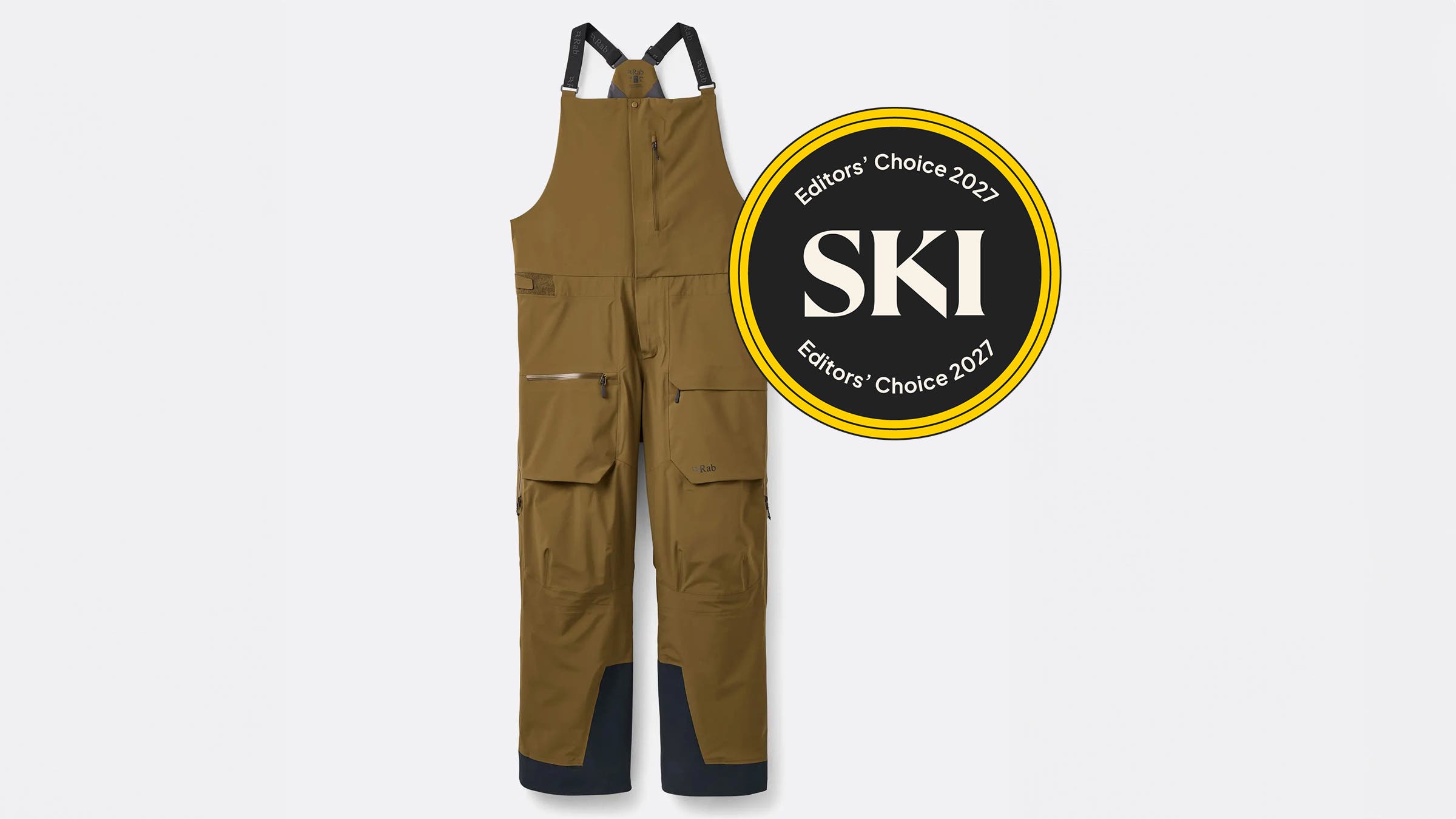
Earning the coveted Editors’ Choice designation, the Rab Bigline Bib emerged from testing as a masterclass in hybrid technical design. Constructed with a 3-layer Pertex Shield membrane, the pants deliver supple, mobile weather deflection without the rigid stiffness often associated with heavy shell garments. The upper bib section utilizes an ultra-stretchy polyamide fabric engineered for maximum breathability during high-output ascents, while the lower portion maintains structural integrity against wind and moisture.
Fit customizability is achieved through a triple-adjustment system featuring twin Velcro cinch straps, an integrated bungee waist trim capable of adjusting circumference by up to three inches, and individually adjustable suspenders designed to eliminate lower-back exposure. Freeride-inspired articulation in the knees accommodates bulky base layers, while thoughtfully placed thigh pockets feature internal mesh sleeves to secure electronics and climbing skins during slackcountry missions. While reviewers noted that the Pertex Shield membrane is slightly less impervious to sustained moisture than heavier Gore-Tex Pro alternatives, the overall balance of mobility, comfort, and versatile pocket architecture secured its top-tier ranking.
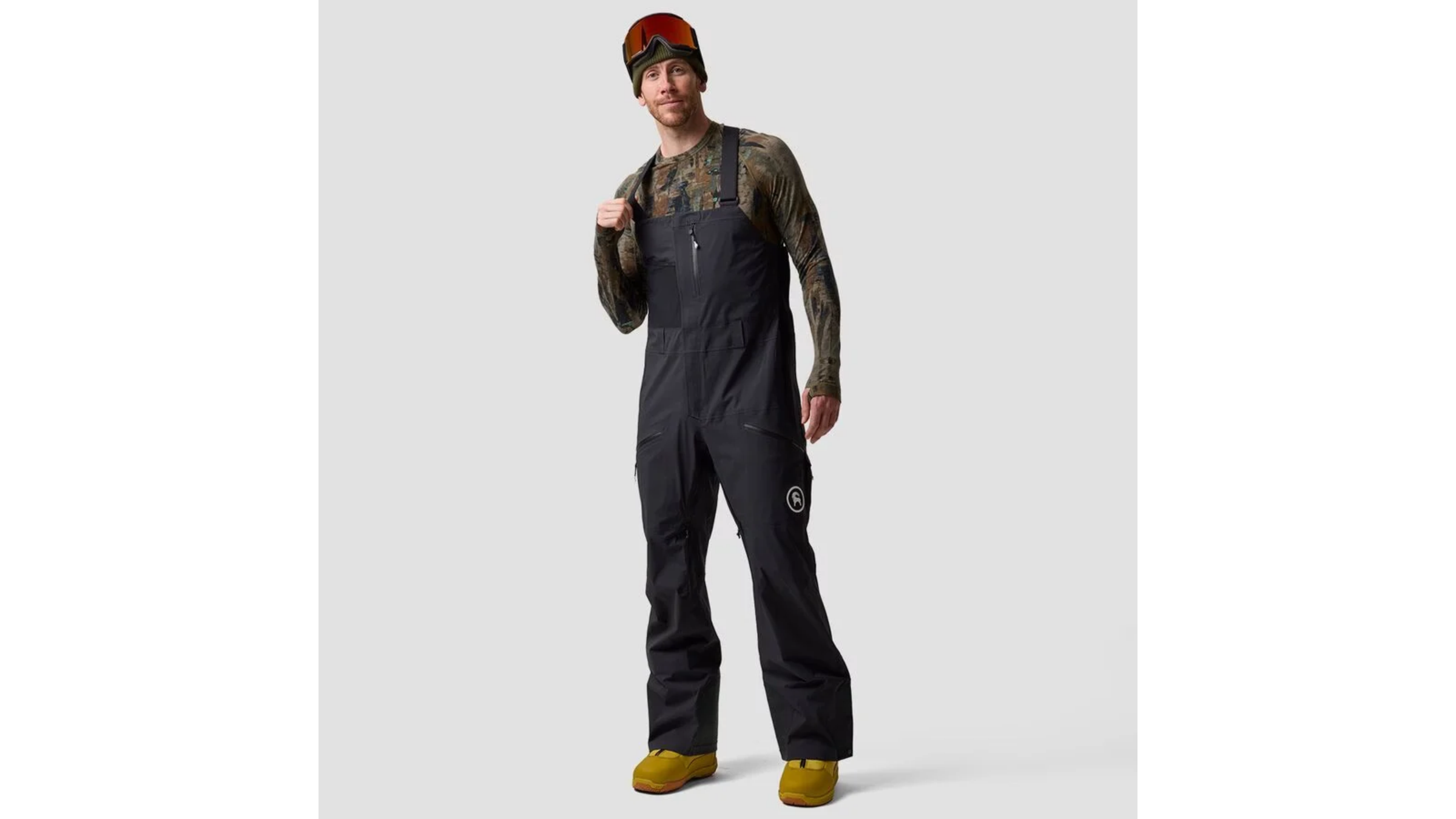
Best Value: REI Powderbound Cargo Snow Pants Deliver Performance Under $200
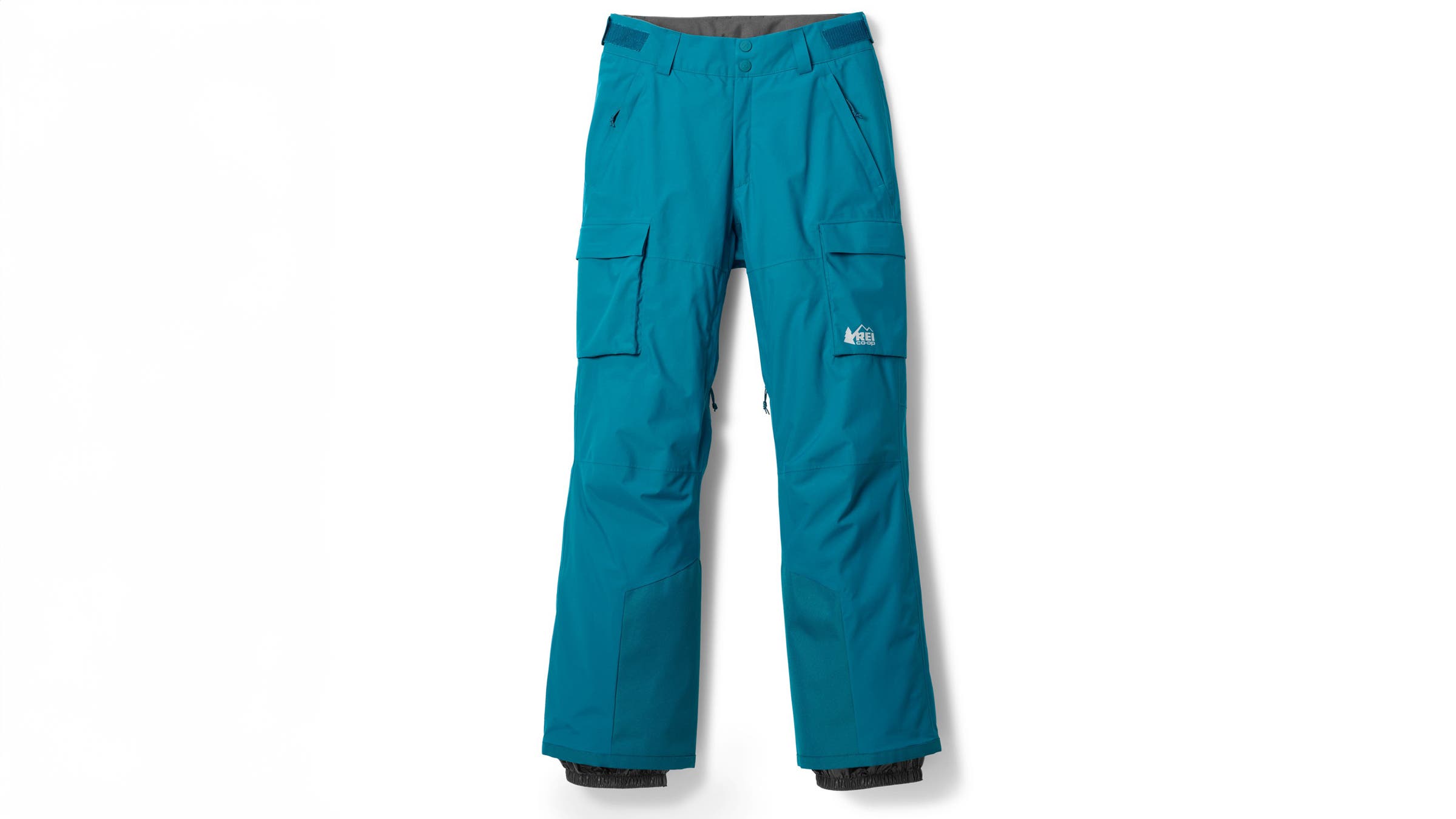
For budget-conscious consumers seeking reliable alpine protection without sacrificing technical features, the REI Powderbound Cargo Snow Pants represent an exceptional market value. Priced below the two-hundred-dollar threshold, these insulated pants successfully mitigated thirty-mile-per-hour ridge gusts during testing while maintaining internal thermal comfort via forty grams of synthetic insulation.
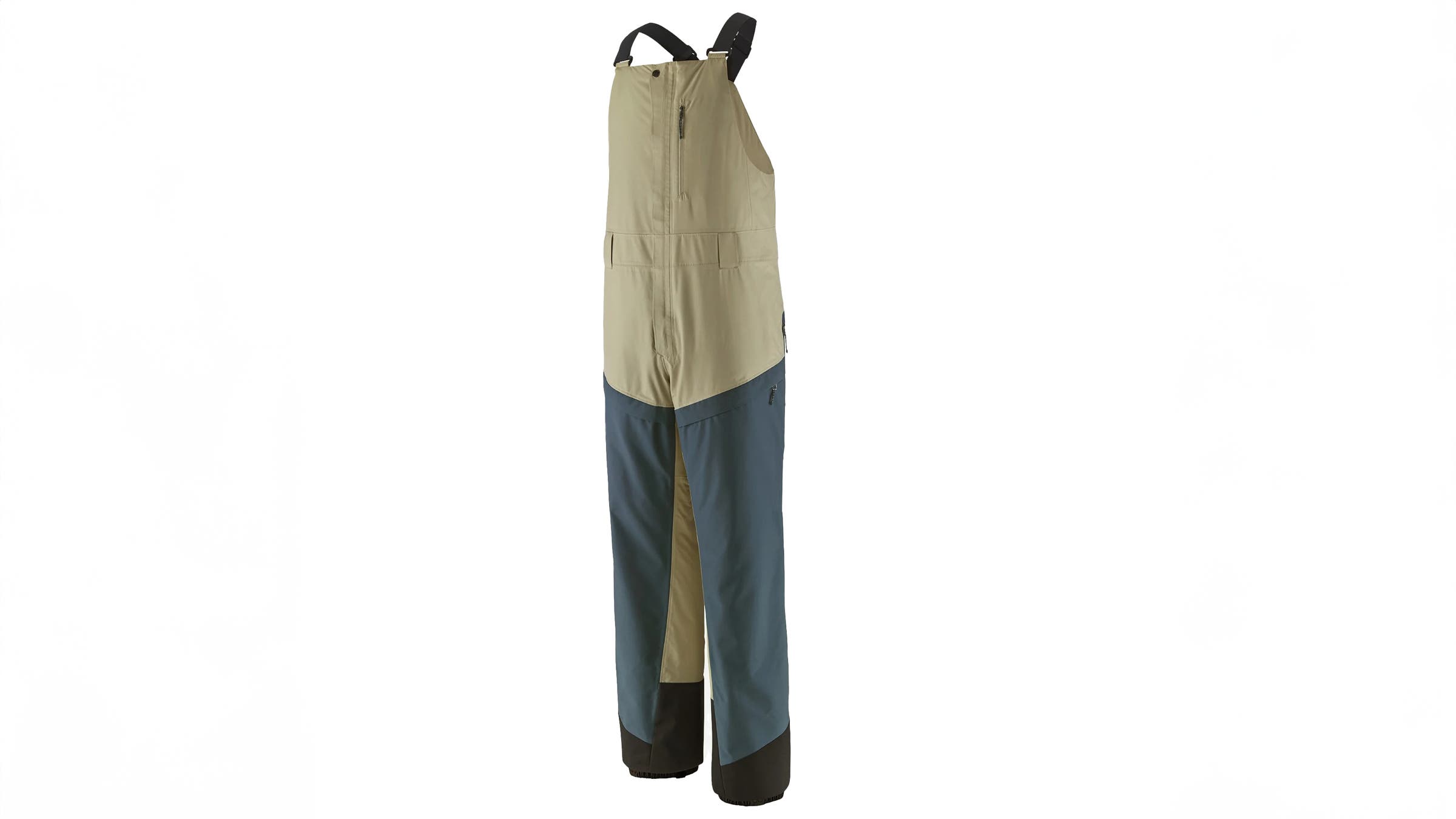
The garment features a proprietary waterproof-breathable shell complemented by a fleece-lined waistband and adjustable hook-and-loop tabs offering two inches of waist modification. Deep cargo pockets—one secured with a zipper—and fleece-lined hand warmers enhance daily resort utility. Field analysts observed certain performance limitations typical of entry-level price points, including a tendency to wet out during extended exposure to soggy chairlift surfaces and limited cooling capacity from the five-inch inner thigh vents during warmer afternoon sessions. Nonetheless, the inclusion of a soft, moisture-wicking interior lining makes the Powderbound an accessible and capable option for recreational resort skiers.
Specialized Category Winners: Resort, Backcountry, and Storm Performance
The 2027 market segmentation highlights distinct engineering solutions tailored to specific skiing disciplines:
- Best Resort Bib: The Rossignol Outerlimits Insulated Bib Pants combine 40 grams of PrimaLoft Black recycled synthetic insulation with a hybrid breathable upper section, offering exceptional thermal regulation for both below-zero Canadian Rockies skiing and mild Whistler groomers. A dedicated relief zipper and fleece-lined hand pockets provide operational convenience for less than three hundred dollars.
- Best Resort Pant: The Strafe Summit 2L Insulated Pant features PrimaLoft Silver insulation and a two-layer waterproof membrane. Testers praised its oversized pocket openings, helmet-compatible accessibility, and ten-inch unlined inner-thigh vents that effectively dump excess heat during spring temperature spikes.
- Best for Cold Weather: The Patagonia Insulated Snowfarer Bibs utilize Thermogreen recycled synthetic insulation concentrated in the seat and thighs. This targeted thermal mapping prevents leg stiffness in sub-zero conditions while maintaining breathability through hip-to-knee mesh-backed exterior vents.
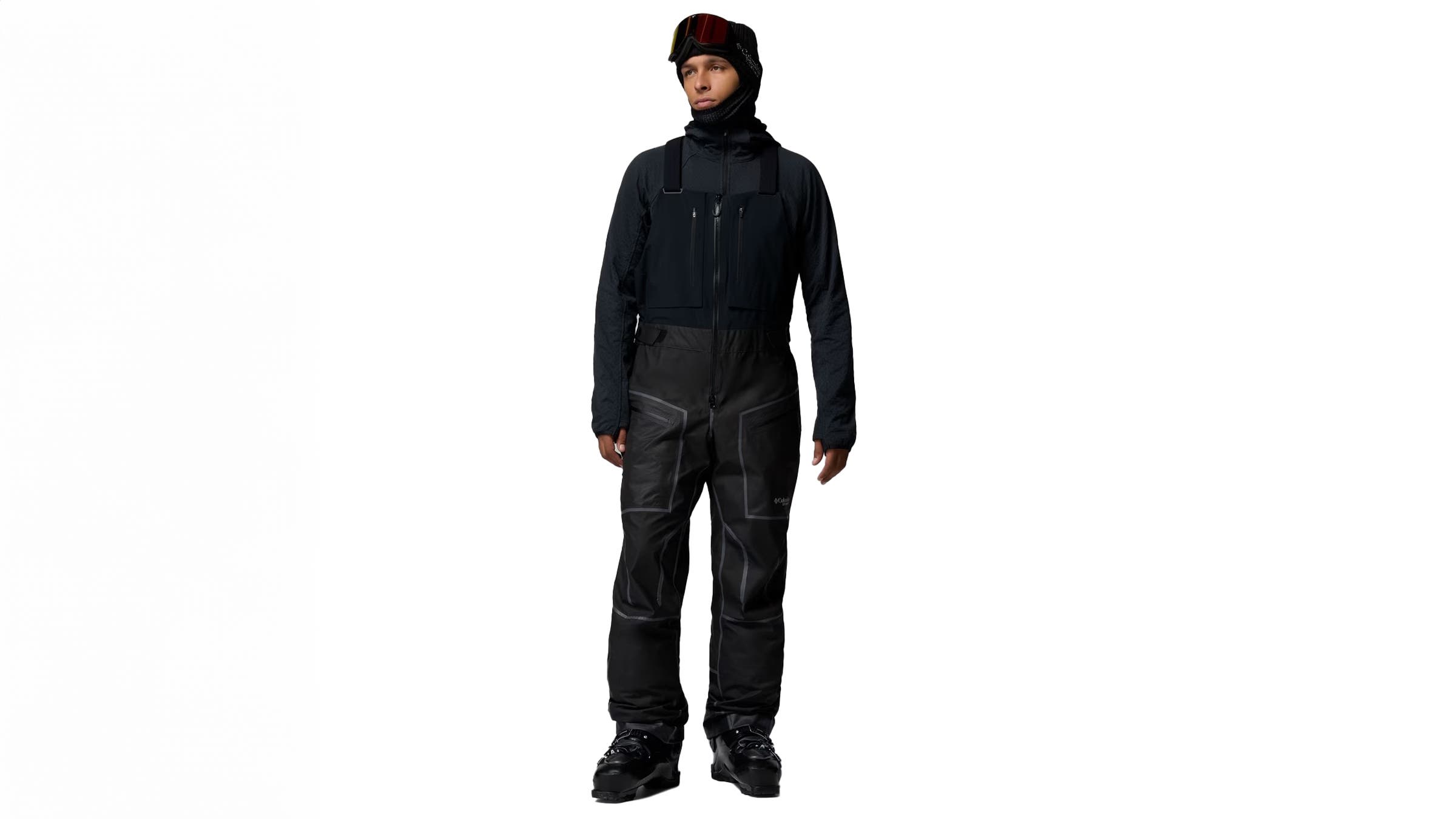
- Best for Storm Skiing: The Columbia Citadel Mountain Shell Bib employs OutDry technology, placing the waterproof-breathable membrane on the exterior to eliminate face fabric saturation entirely. Testers returning from wet Pacific Northwest rain days confirmed complete internal dryness, marking a significant advancement in wet-weather storm management.
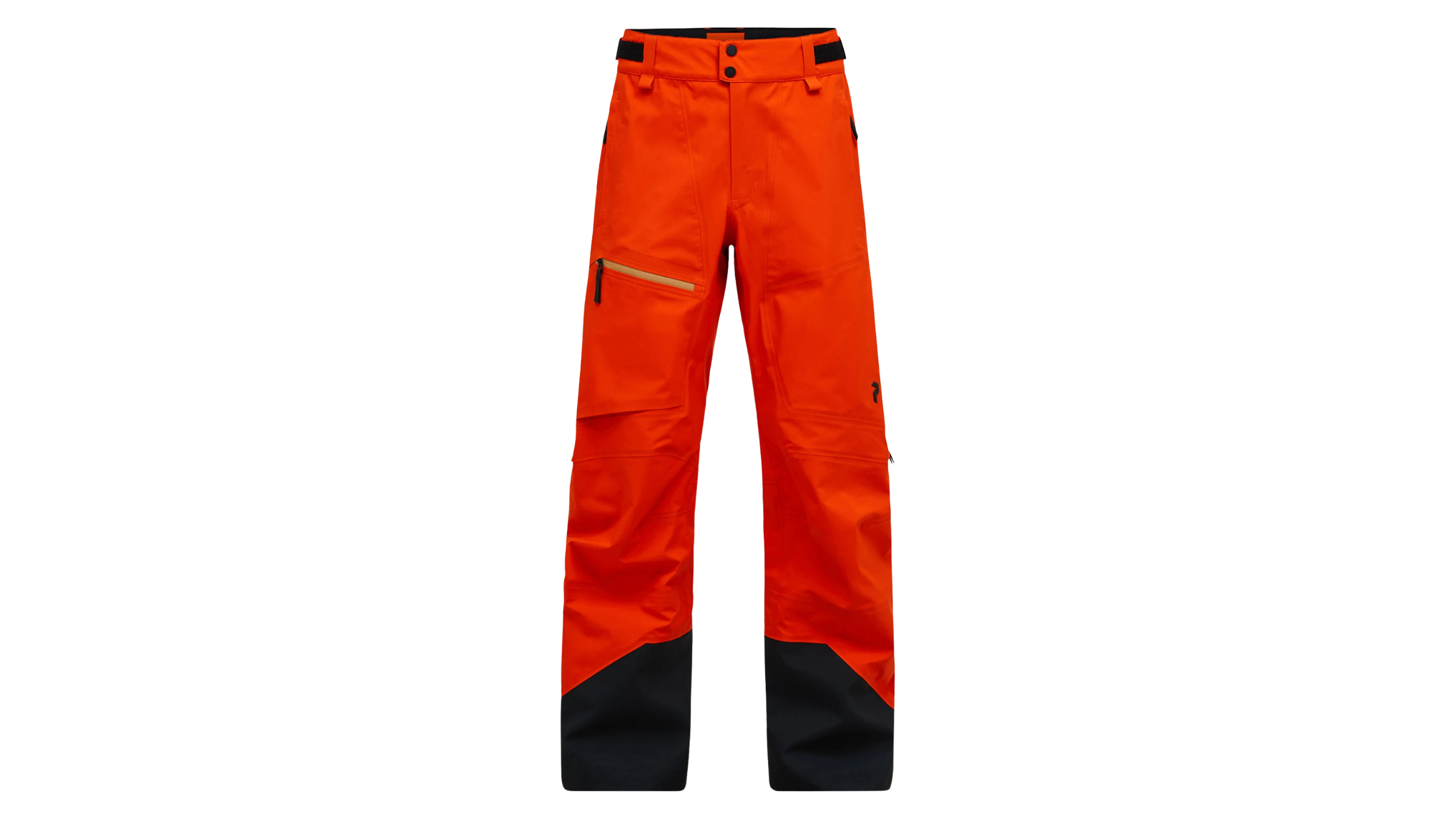
- Lightest Shell: The Peak Performance Alpine Gore-Tex C-Knit 3L Shell Pants integrate a recycled polyamide face with a supple knit membrane, offering 70-denier wind and precipitation deflection with minimal weight, making them ideally suited for extended ski touring.
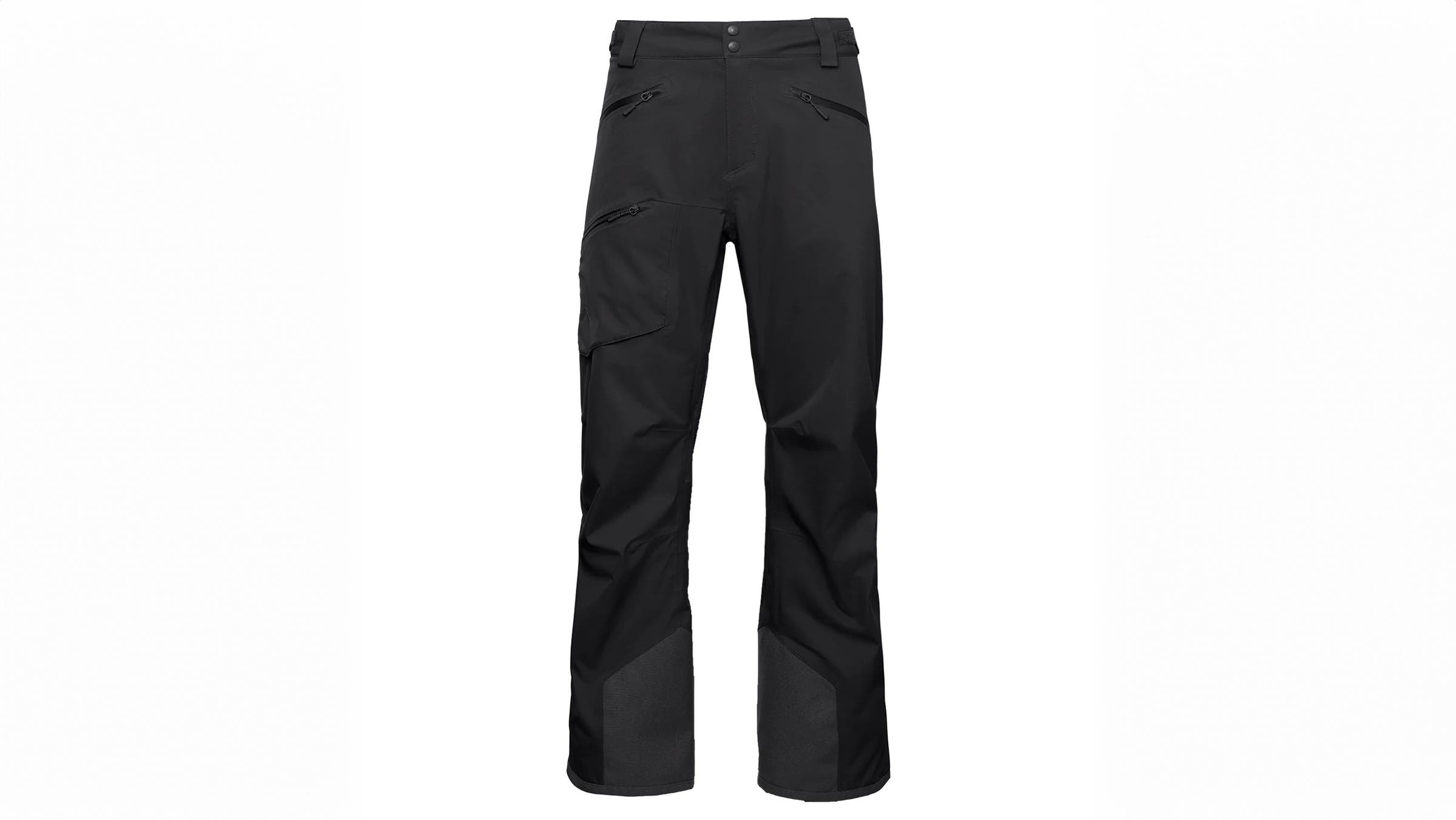
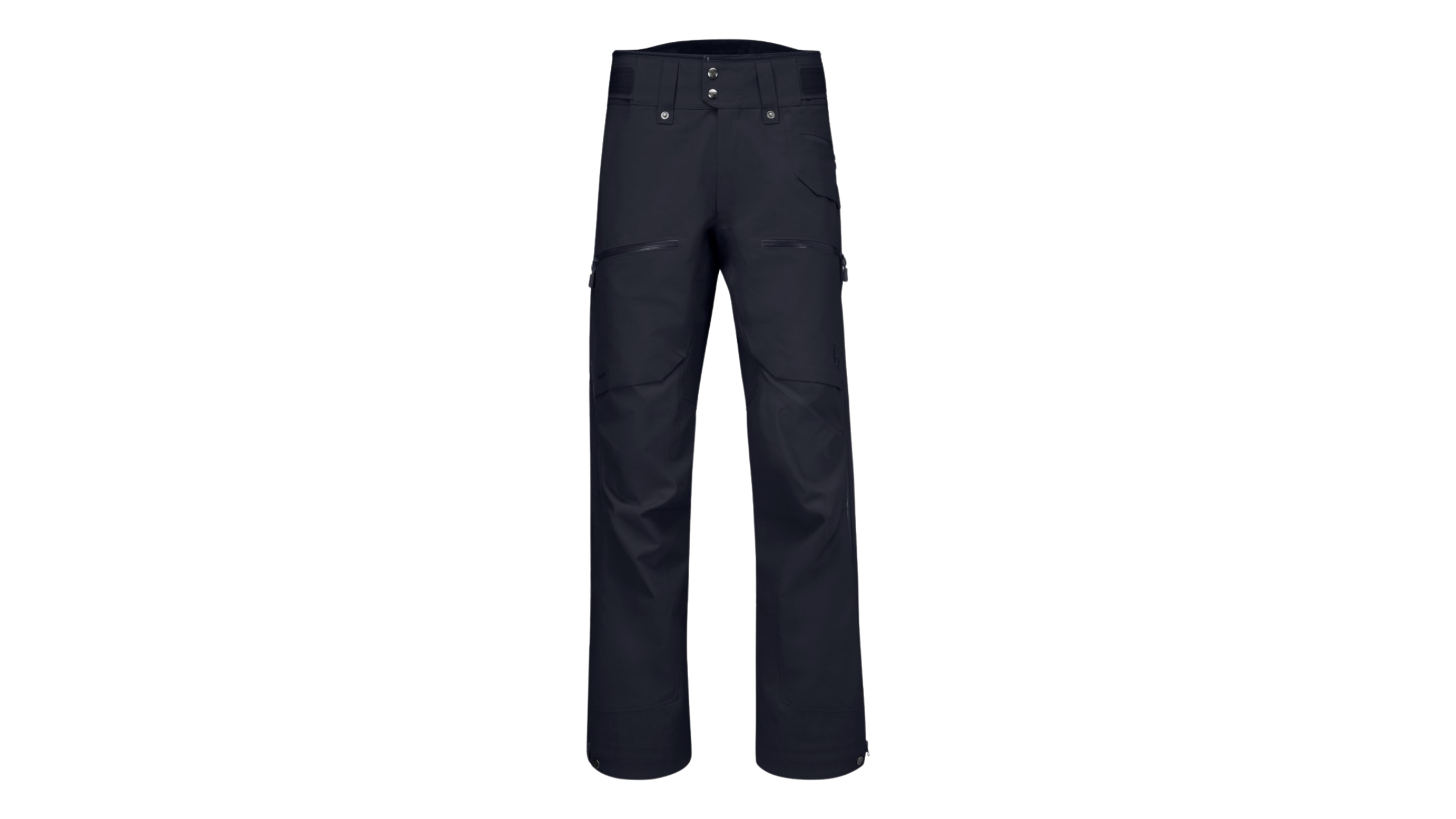
- Most Durable: The Norrøna lofoten Gore-Tex Pro Pants utilize heavyweight face fabrics and Gore-Tex Pro architecture to create an exceptionally robust barrier against severe alpine storms, supplemented by full-length ventilation zippers that permit removal without unbuckling ski boots.
- Best Insulated Pant: The Stellar Insulated Shell Pants balance post-consumer recycled Japanese two-layer waterproof fabrics with PrimaLoft Silver P.U.R.E. insulation, producing reduced carbon emissions alongside reliable sub-zero thermal retention and extensive thigh-ventilation control.
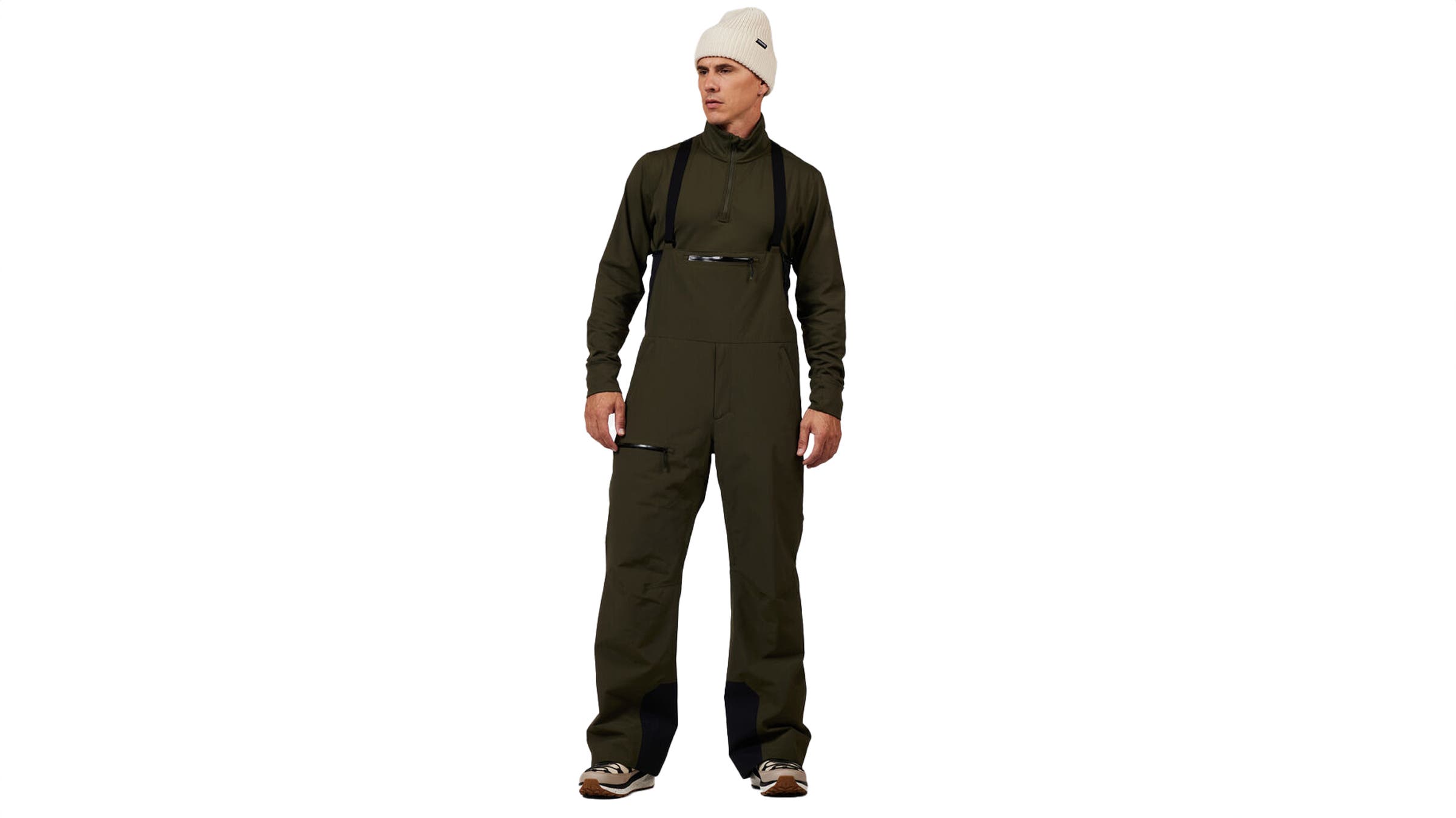
- Best Backcountry Bib: The Mountain Hardwear Mythogen Gore-Tex Pro Bib delivers a lightweight, feature-rich profile incorporating six secure pockets, durable Gore-Tex Pro fabric, and a functional U-shaped rear relief zipper that significantly simplifies backcountry sanitation stops.
Economic and Technical Implications for Consumers
The 2027 ski apparel landscape reflects broader industry trends toward sustainability, featuring increased integration of post-consumer recycled materials, P.U.R.E. manufacturing processes, and recycled synthetic insulations without compromising technical performance metrics. As extreme weather events and fluctuating El Niño winter patterns become more frequent, consumer demand has shifted decisively toward garments offering superior moisture management, immediate temperature regulation via expanded venting, and modular layering compatibility.
Industry analysts note that while premium shell garments utilizing top-tier membranes continue to command higher price points, advancements in proprietary waterproof technologies by brands like REI and Columbia have democratized weather protection. Consequently, consumers are better equipped than ever to select specialized legwear tailored precisely to their regional climate, output level, and frequency of mountain use.

