The modern downhill and backcountry skiing landscape relies heavily on a piece of equipment that rarely receives the spotlight of a new pair of powder skis or high-end boots: the ski binding. As ski manufacturing technology advances to produce lighter cores, wider platforms, and more versatile touring capabilities, bindings must evolve concurrently to ensure safety, power transmission, and reliable release mechanisms. The 2027 gear market brings a remarkable wave of engineering updates, bridging the gap between ultralight backcountry ascents and aggressive, high-speed resort carving. Whether navigating icy groomers, hunting for untracked powder in the backcountry, or logging vertical feet on a dedicated skintrack, choosing the correct binding requires a careful evaluation of boot sole compatibility, release values (DIN ranges), and intended skiing terrain.
Understanding Boot Sole Compatibility and Industry Standards
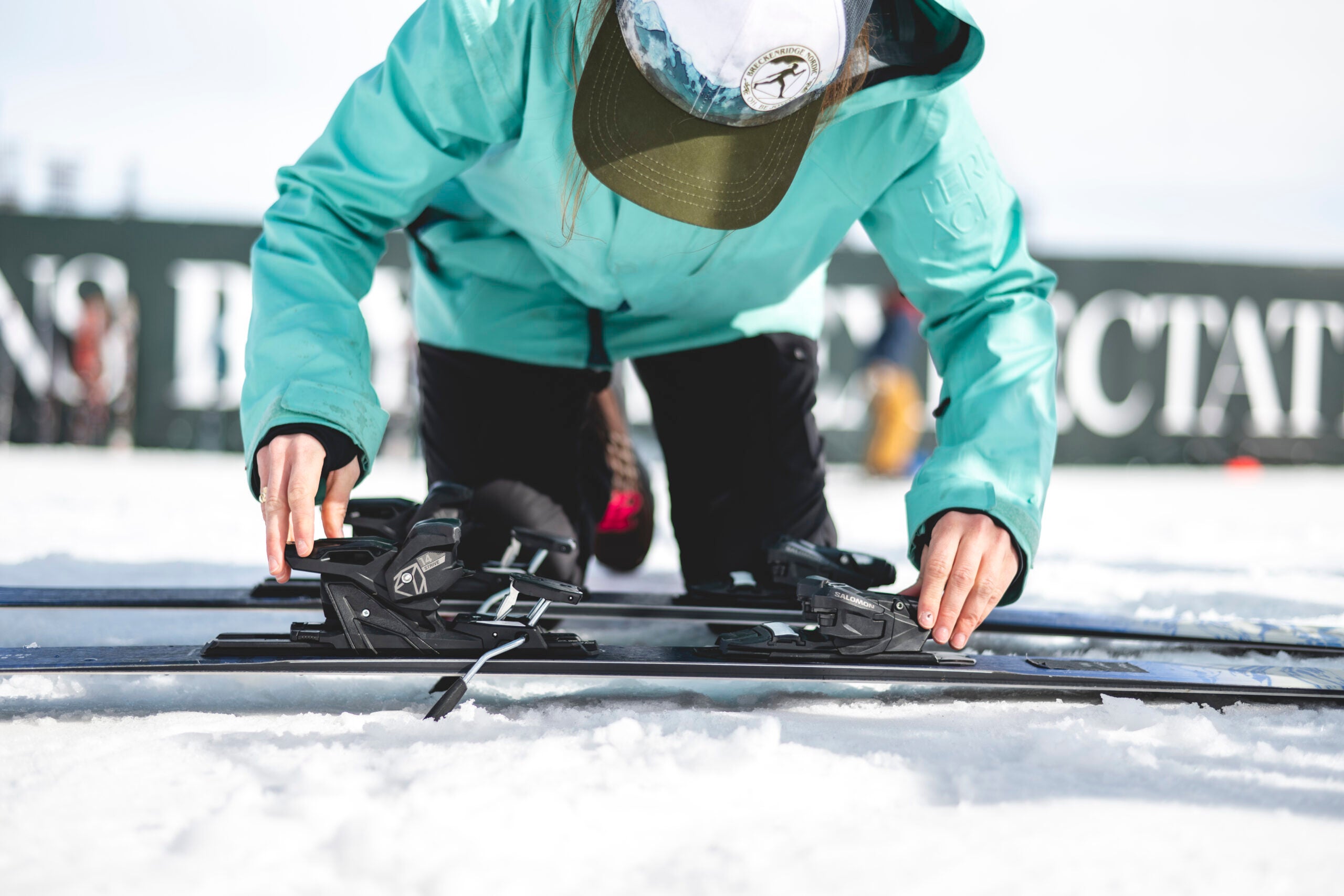
The historical simplicity of a standard alpine boot sole has given way to a diverse ecosystem of boot designs, making compatibility one of the most critical factors for skiers purchasing new gear. Modern ski boots utilize a variety of outsoles designed to improve traction on snow and rock, which unfortunately complicate how they interface with traditional alpine bindings.
Introduced widely over the past decade, GripWalk soles incorporate a rockered rubber outsole that enhances walking comfort and reduces slip hazards in resort parking lots and base areas. However, traditional alpine bindings that lack GripWalk certification cannot safely retain these soles, necessitating specialized hardware. To address this, manufacturers developed Multi-Norm Compatible (MNC) and WTR systems, which feature adjustable toe heights to accommodate traditional alpine soles (ISO 5355), GripWalk soles (ISO 23223), and even rockered touring soles (ISO 9523) equipped with rubber outsoles.
Failing to match boot soles with appropriate bindings can lead to inadvertent pre-release or failure to release during a fall, increasing the risk of severe injury. Consequently, major equipment manufacturers have streamlined their lineups for the 2027 season to offer broader cross-compatibility, reducing consumer confusion while maintaining rigorous ISO safety certifications.
The 2027 Binding Lineup: Detailed Reviews and Performance Analysis
Evaluating the top bindings for the 2027 season reveals distinct categories tailored to specific skiing styles, budgets, and performance metrics. Industry testing and expert panels have highlighted several standout models across various price points and application categories.
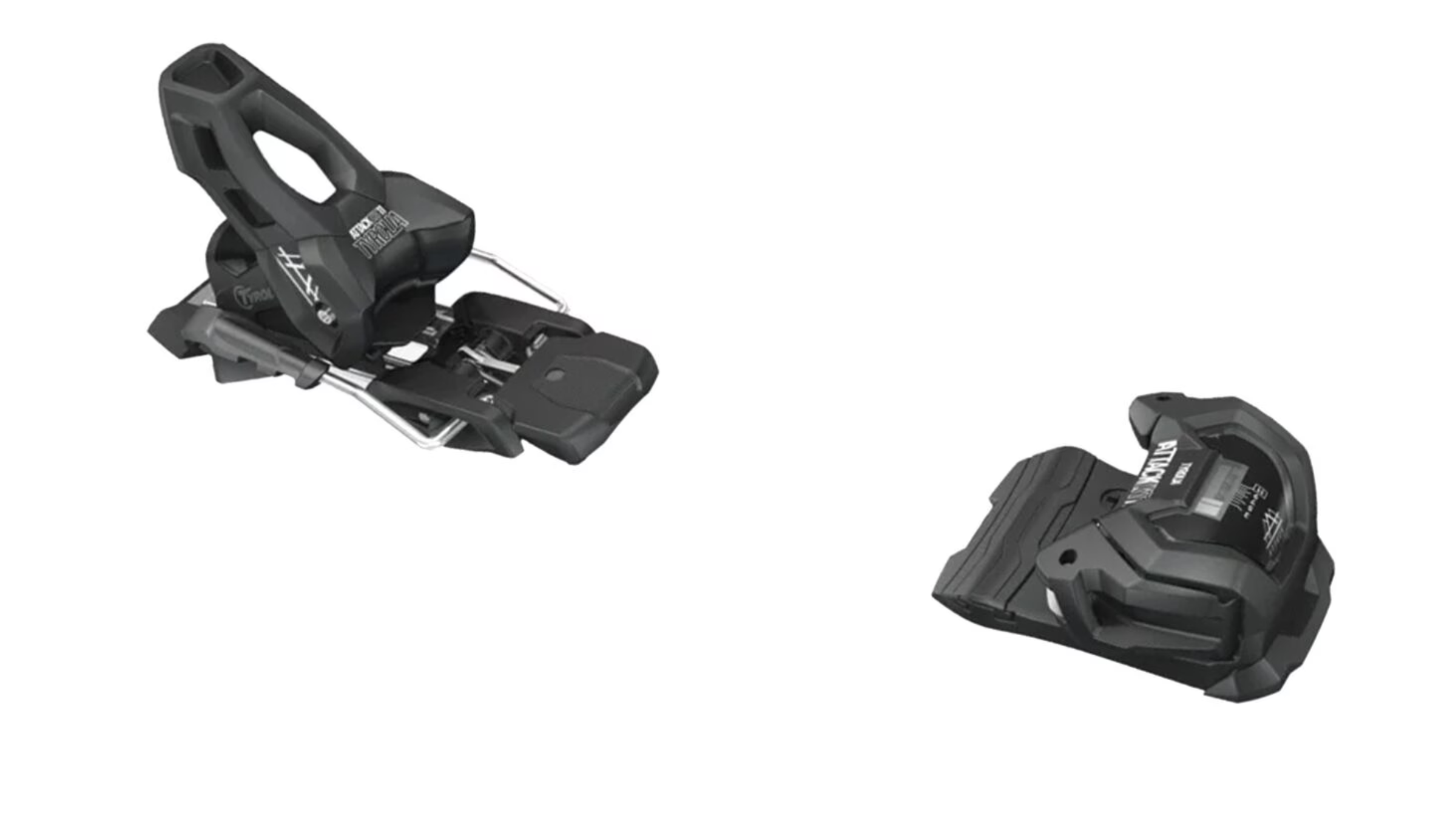
Best Value: Tyrolia Attack LYT 11 GW
For resort skiers who prioritize a lightweight setup without the high price tag associated with elite freeride gear, the Tyrolia Attack LYT series offers an exceptional balance of cost and performance. Priced at approximately $239, the Attack LYT 11 GW features automatic toe height adjustment that seamlessly accommodates both standard alpine and GripWalk soles. Offered in multiple DIN configurations—including models 9, 11, and 12—this binding is engineered for lighter-weight and less aggressive skiers who do not require massive maximum release values. Weighing in at 937 grams per binding, it reduces swing weight underfoot while delivering dependable elasticity and edge control for everyday resort cruising.
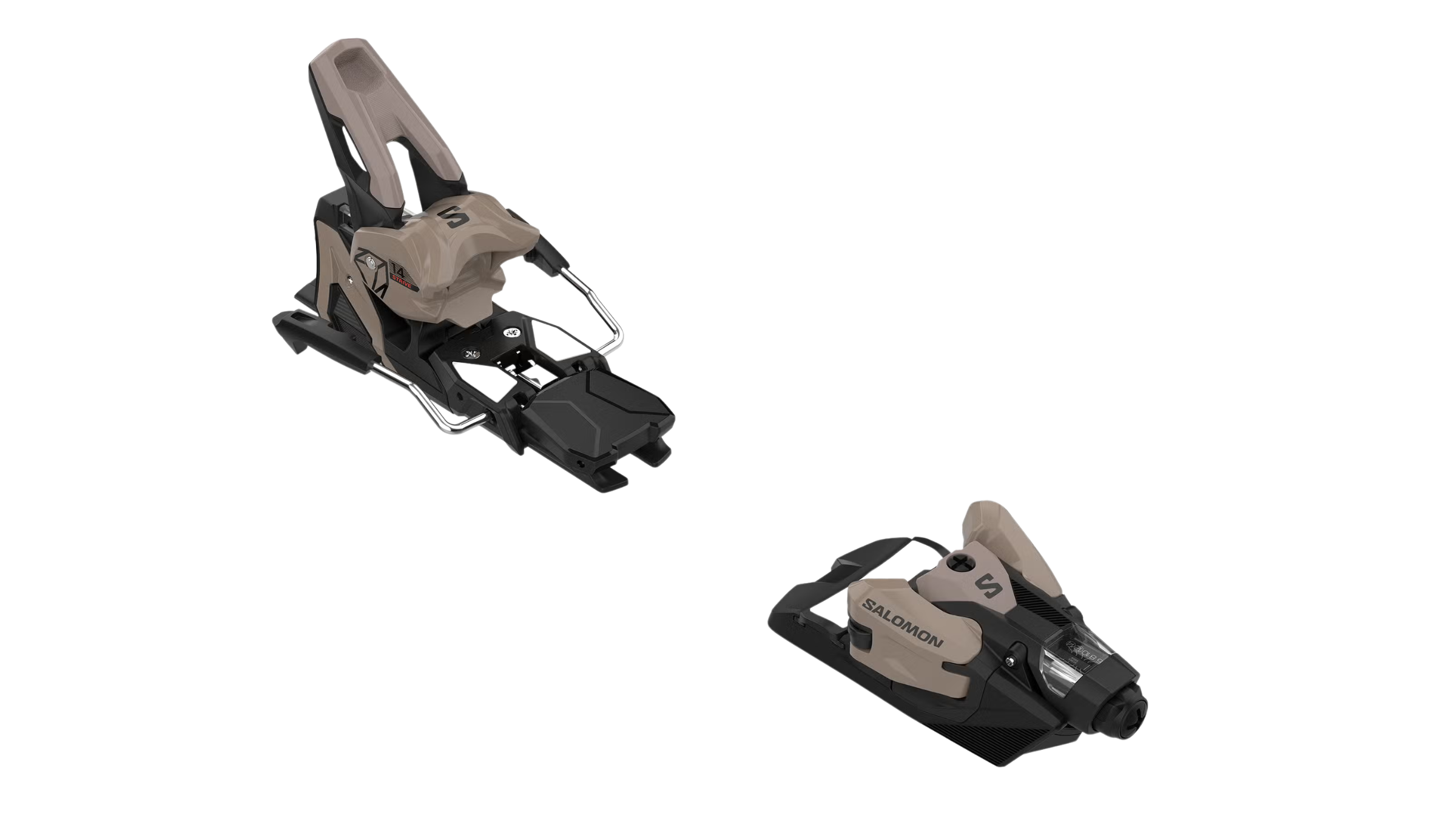
Most Compatible: Salomon, Atomic, and Armada Strive MN
Constructed on a proven platform shared across the Salomon, Atomic, and Armada brands, the Strive MN series represents the pinnacle of cross-standard versatility. Available in 14 ($300) and 16 DIN varieties, the Strive MN integrates a low-profile toe piece derived from touring-specific designs with the trusted STH heel architecture. This combination yields a remarkably low stack height, bringing the skier closer to the snow for instantaneous energy transfer and precise edge engagement. The Multi-Norm Compatible designation ensures that the binding accepts virtually every boot sole on the market, from traditional alpine to rubber-lugged touring boots. While highly adaptable, skiers who frequently swap between multiple pairs of boots with differing sole shapes will need to spend time manually adjusting the toe height via a screwdriver.
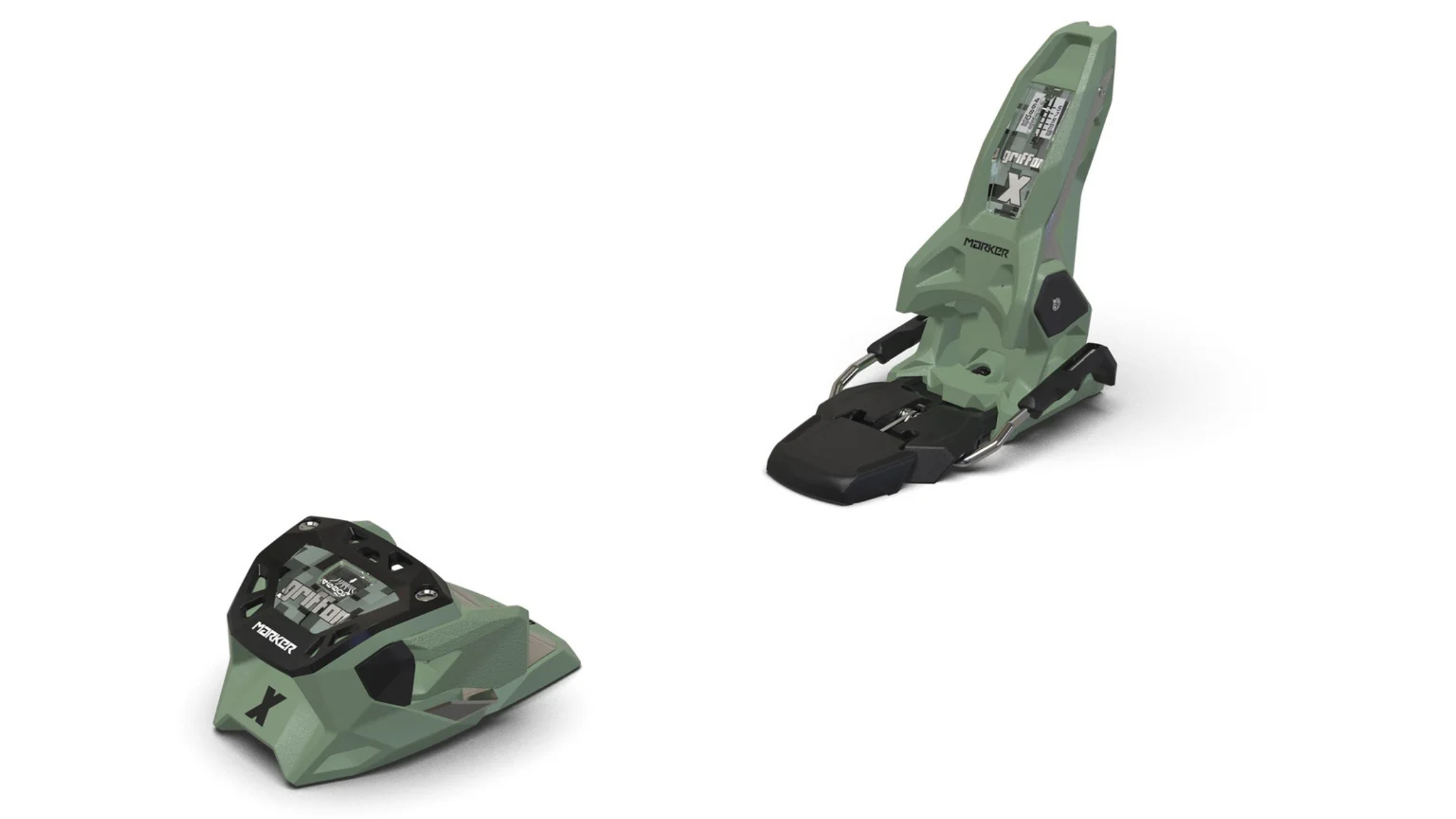
Best 2027 Update: Marker Griffon X 13
Marker has successfully trickled down advanced engineering from its high-end MWERKS lineup into the newly updated Griffon X 13, priced around $300. By integrating premium magnesium housing components and reducing the overall stack height by a full centimeter compared to legacy models, Marker has transformed the performance characteristics of one of the market’s most popular resort bindings. The lower profile allows for quicker edge-to-edge transitions and enhanced snow feel. Utilizing a DIN range of 4 to 13 and weighing 1,045 grams per binding, the Griffon X 13 is ideally suited for advanced younger skiers and lighter adults seeking professional-grade performance without the heavy-duty weight or cost of race-tier hardware. However, its heavy reliance on high-grade plastic housing in non-critical structural areas means it may be less durable than all-metal competitors for exceptionally aggressive or heavy skiers who abuse their equipment.
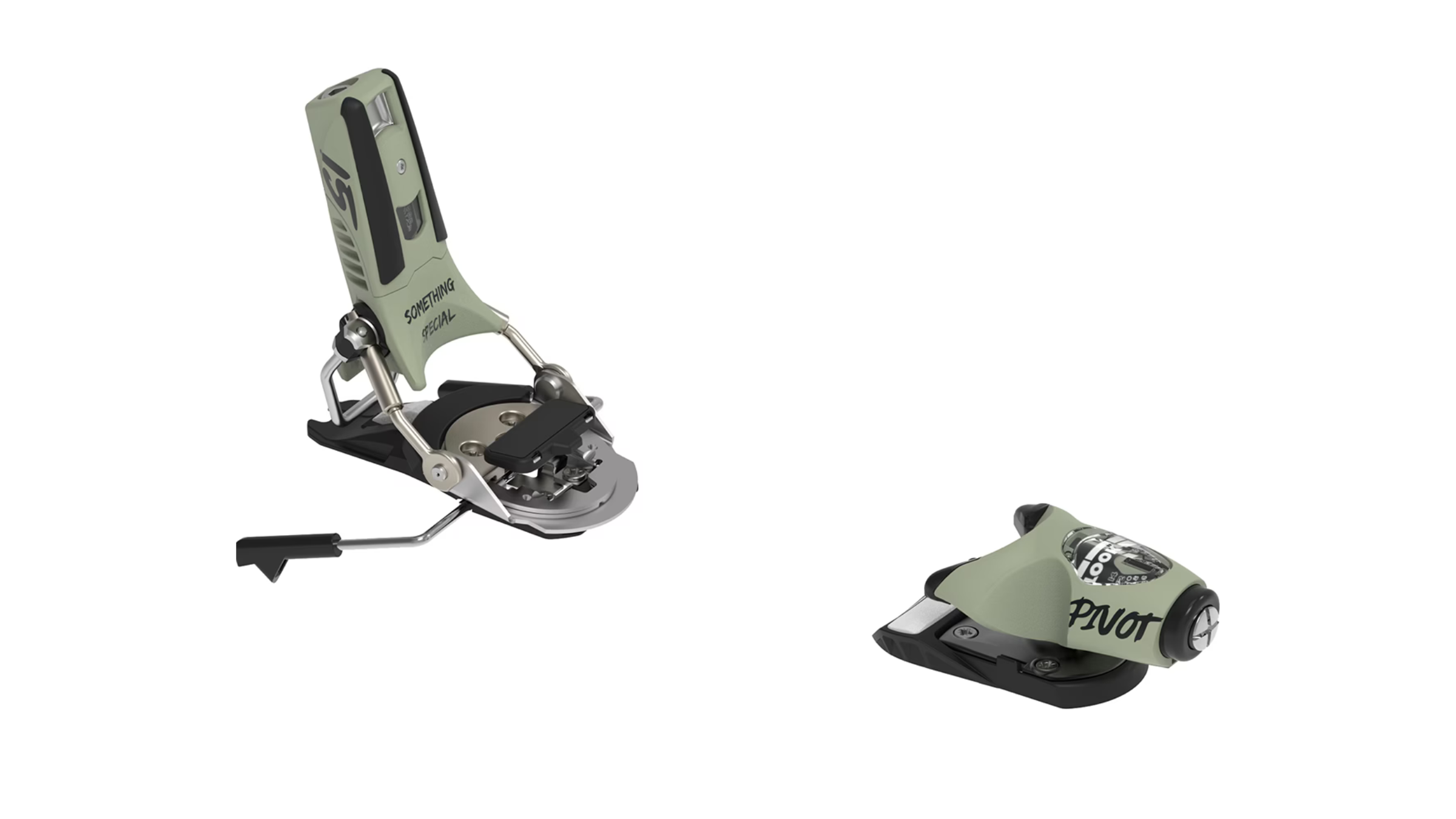
Best for Expert Skiers: Look Pivot 2.0 GW
For decades, the Look Pivot has maintained a cult-like following among freestyle skiers, park rats, and aggressive big-mountain freeriders. The Pivot 2.0 GW iteration continues this legacy, featuring an updated, user-friendly spring adjustment mechanism on its iconic rotating heel tower. The short mounting zone preserves the natural flex pattern of the ski, preventing dead spots underfoot. With 28 millimeters of vertical elasticity in the heel, the Pivot absorbs heavy shocks and reduces the likelihood of unwanted pre-releases during hard landings. Constructed with an all-metal toe piece on the 15 and 18 DIN models, the Pivot 2.0 GW is exceptionally burly and durable. Weighing 1,245 grams per binding and compatible with both alpine and GripWalk soles, it remains the gold standard for expert skiers willing to accept a heavier setup in exchange for ultimate reliability.
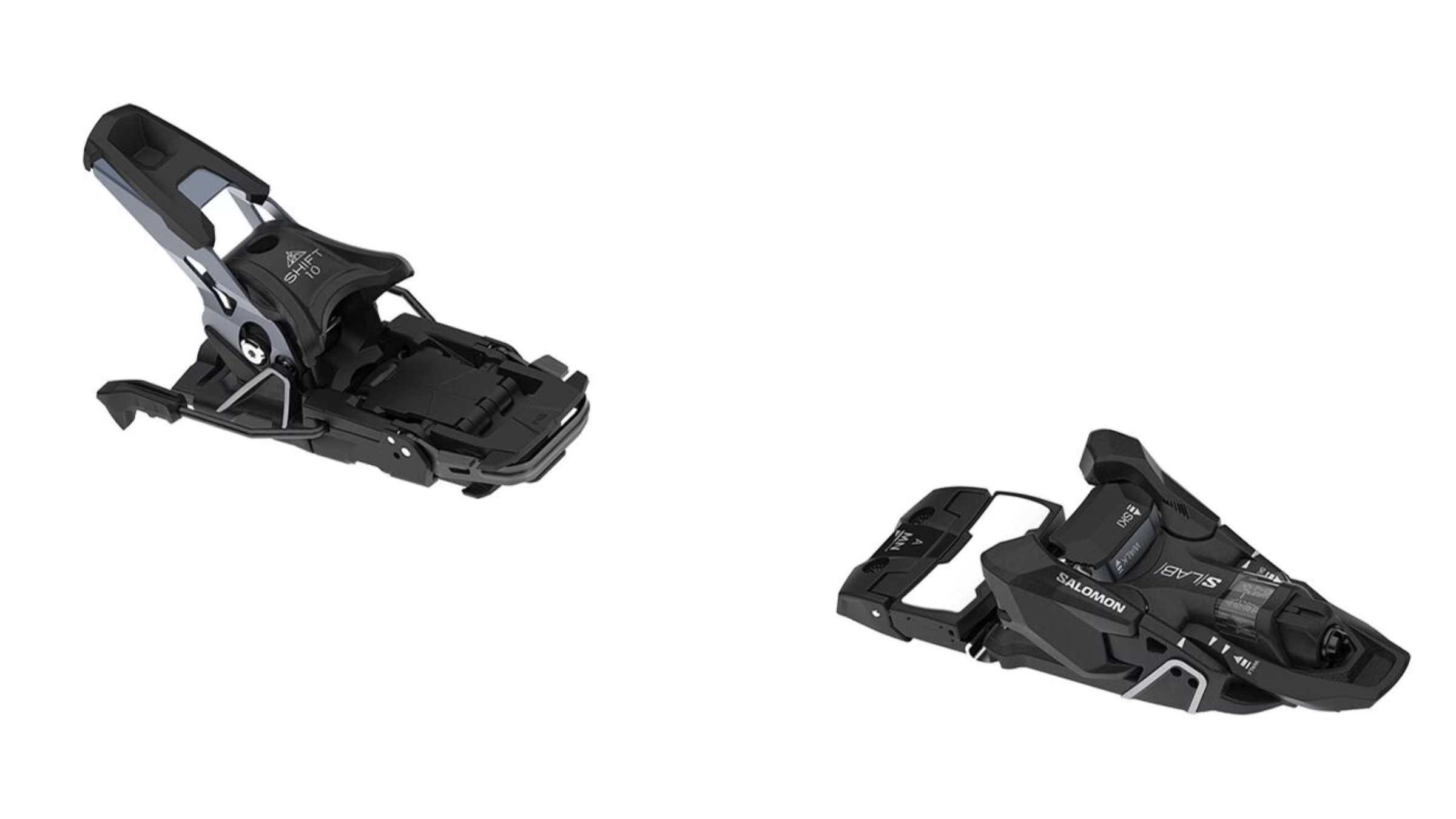
Most Versatile: Salomon, Atomic, and Armada Shift2 MN
Following early consumer feedback regarding durability on the original generation of hybrid touring bindings, manufacturers went back to the drawing board to engineer the Shift2 MN. Retailing between $630 and $750, the Shift2 MN features reinforced construction in the AFD (Anti-Friction Device) and a locked-in forward pressure system that resolves previous structural vulnerabilities. In ski mode, the Shift2 offers the power, elasticity, and retention of a traditional alpine binding like the Strive, yet it easily converts into a touring mode with a functional pin toe for uphill travel. Weighing 1,210 grams per binding, it is undeniably heavy for dedicated backcountry ski tourers, but it serves as an ideal one-ski-quiver solution for skiers who split their time evenly between resort chairlifts and backcountry terrain.
Best New Entry: Alpenflow Designs Alpenflow 89
Breaking into the binding market with a truly novel design, Alpenflow Designs has introduced the Alpenflow 89 hybrid binding, priced at $860. The binding features a unique architectural concept: a traditional alpine-style heel combined with a tech toe reminiscent of early hybrid systems. However, in ski mode, the toe pins are locked out entirely, and lateral and vertical release functions are managed exclusively by the heelpiece. The toe mechanism features a turntable design that only unlocks during an ejection event. Constructed primarily of durable metal while maintaining a relatively light weight of 790 grams per binding, the Alpenflow 89 accepts any boot equipped with both toe and heel tech inserts, including GripWalk, WTR, and MNC models. It offers the safety and predictable release of an alpine binding without the excessive weight typically associated with heavy hybrid touring bindings.
Best Pin Binding: Dynafit Superlight 150
For dedicated ski tourers and endurance mountaineers, the Dynafit Superlight 150 represents the pinnacle of minimalist efficiency. Weighing a mere 150 grams per binding, it utilizes a forged aluminum construction designed to withstand years of rigorous alpine abuse. Featuring a DIN range of 4 to 13 via interchangeable U-springs, it accommodates a broad range of skier weights despite its featherlight profile. While specialized pin bindings require standard tech inserts and demand careful clearing of snow and ice from the toe mechanism during transitions, the Superlight 150 delivers exceptional uphill efficiency and reliable downhill performance for those willing to trade resort-level dampness for ultralight backcountry mobility.
Frequently Asked Questions on Ski Bindings and Safety
What constitutes a GripWalk system, and how does it affect purchasing decisions?
GripWalk, introduced by Marker in 2016, replaces traditional flat plastic alpine soles with a convex, rubber-lugged outsole. This design significantly improves walking ergonomics and traction on slippery surfaces. Skiers must verify that their bindings explicitly bear the GripWalk or GW logo to ensure mechanical compatibility.
How do Multi-Norm Compatible (MNC) bindings function?
MNC bindings utilize an adjustable toe-height mechanism. By modifying the vertical clearance of the toe piece via a simple screw adjustment, the binding can safely accept traditional alpine soles, GripWalk soles, and certified alpine touring soles with rubber rocker profiles. This offers maximum flexibility for skiers who may switch between different boot models over the lifespan of the binding.
Does upgrading bindings provide performance benefits beyond sole compatibility?
Modern binding engineering focuses heavily on enhanced boot-to-ski power transmission, reduced stack heights for quicker edge initiation, and advanced elasticity metrics. Furthermore, high-end bindings utilize stronger, lighter alloy materials that improve long-term durability and structural integrity under high-stress conditions.
How should skiers select the appropriate DIN setting and binding category?
Skier classification depends primarily on terrain preference. Inbounds resort skiers should select alpine or hybrid bindings with DIN ranges matching their recommended release settings—typically peaking at 10 for lighter or recreational skiers, and extending to 15 or 18 for heavier, highly aggressive athletes. Backcountry enthusiasts must balance uphill weight penalties against downhill performance, choosing between lightweight pin bindings for long human-powered tours or heavy-duty hybrid options for lift-accessed sidecountry exploration.

