
Hokkaido, the northernmost of Japan’s main islands, has long held a mythical status among international winter sports enthusiasts, drawing skiers and snowboarders from across the globe to its legendary, feather-light powder snow. For many, a pilgrimage to Hokkaido represents the pinnacle of a lifetime of skiing aspirations. The island’s atmospheric conditions—driven by cold Siberian winds sweeping across the Sea of Japan—drop monumental quantities of dry, low-moisture powder onto its mountainous terrain year after year.
Yet, as global tourism to Japan reaches unprecedented heights, the traditional heavy-hitters of the Hokkaido ski scene, such as Niseko, Furano, and Rusutsu, are experiencing a paradigm shift. While these premier resorts boast world-class amenities and unforgettable snow quality, they are increasingly grappling with high costs, commercialization, and significant lift lines during peak periods. With an estimated 110 ski resorts scattered across Hokkaido’s rugged landscape, contemporary winter travelers are increasingly seeking comprehensive guidance on how to navigate the region, avoid the bottlenecks, and discover lesser-known alternatives that deliver authentic Japanese powder experiences.
A comprehensive breakdown of the island’s topography and resort offerings has recently been highlighted in a detailed video guide by avid skier and content creator The Slippery Slope. By analyzing each major destination’s strengths, weaknesses, pass affiliations, sidecountry accessibility, and ideal demographic, the guide offers a practical roadmap for anyone planning a Japanese ski vacation. Coupled with dry humor, the analysis addresses the realities of skiing in Hokkaido today, moving beyond standard promotional material to examine the logistical and cultural nuances of Japan’s premier winter playground.
Main Facts and Regional Overview
The geography of Hokkaido dictates its unique weather patterns and, consequently, the character of its ski resorts. The island features distinct mountain ranges that trap moisture-laden clouds, turning them into consistent, high-volume snowfall. However, the experience of skiing in Hokkaido varies dramatically depending on whether a visitor chooses an internationally commercialized resort or a localized, independent hill.
Niseko, internationally recognized as the crown jewel of Japanese ski tourism, remains the primary entry point for Western travelers. Comprising four interconnected resorts—Grand Hiratofu, Hanazono, Niseko Village, and Annupuri—Niseko offers expansive terrain, extensive night skiing, and an infrastructure heavily catered to English-speaking guests. Despite these advantages, Niseko faces notable drawbacks. In recent years, critics and visitors have pointed to rising operational costs, a heavily Westernized atmosphere that occasionally obscures local cultural experiences, and persistent logistical bottlenecks. Specifically, upper-mountain transit often relies on older, slower single-chair lifts, creating significant bottlenecks during peak powder days. Furthermore, navigating the interconnected base areas can prove cumbersome for visitors unaccustomed to the resort’s layout.
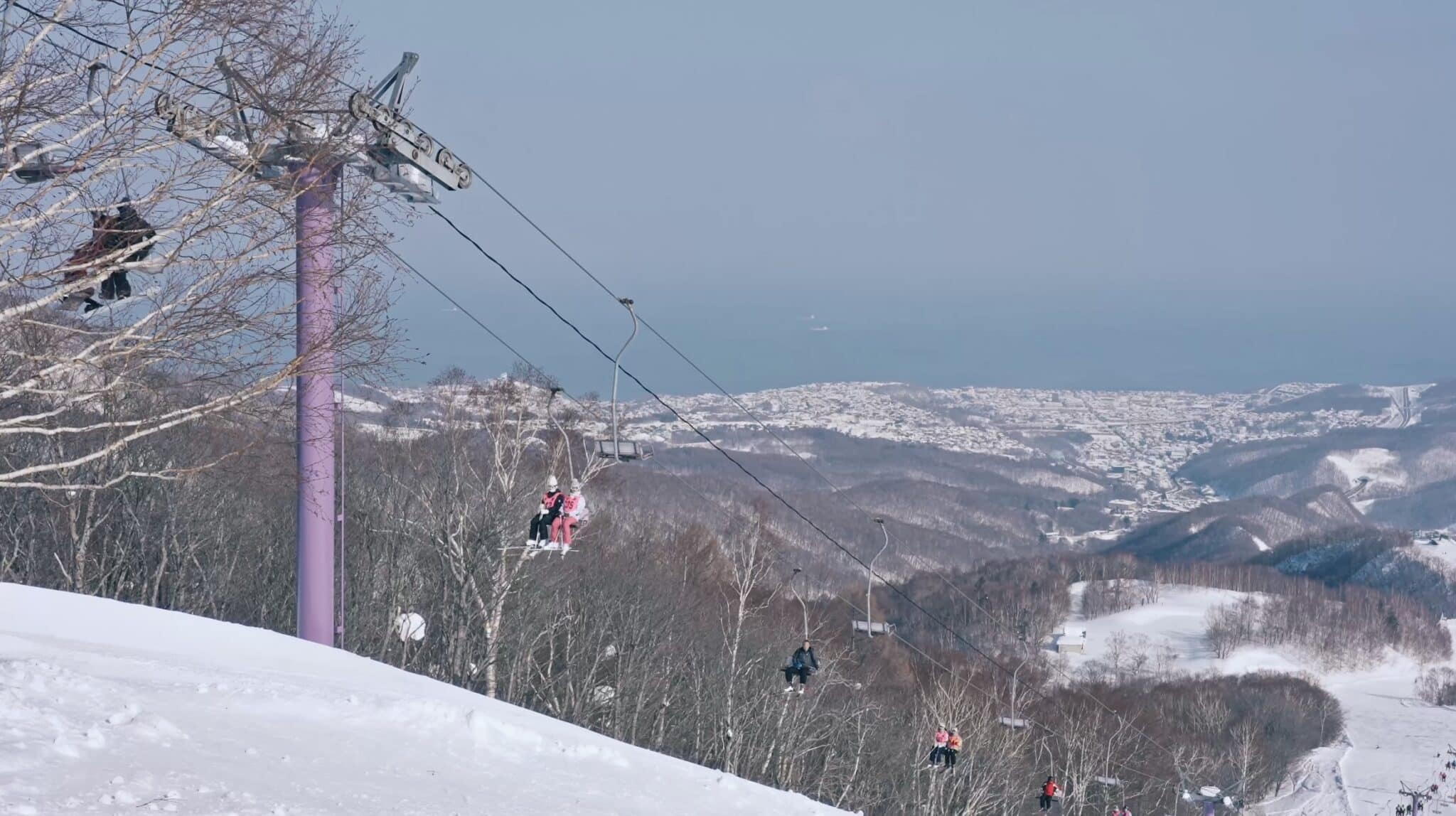
Adjacent to the bustling Niseko United area lies Moiwa, a smaller, fiercely independent resort that has captured the attention of powder purists. While Moiwa lacks the vast acreage of its famous neighbor, it provides exceptional sidecountry access and a more intimate, community-focused vibe, making it a favored alternative for those looking to escape the Niseko crowds without traveling across the island.
Chronology and the Evolution of Hokkaido Tourism
The meteoric rise of Hokkaido as a global skiing mecca did not happen overnight. Decades ago, the region was primarily a domestic destination, known largely to Japanese travelers and adventurous mountaineers. The pivot toward international acclaim began in earnest around the turn of the 21st century, catalyzed by foreign investment, a weak yen, and the viral spread of media showcasing the region’s seemingly bottomless powder cycles.
Timeline of Hokkaido’s Ski Industry Development:
- Late 1990s to Early 2000s: International awareness of Niseko’s snow quality expands rapidly among Australian and North American skiers, prompting initial waves of foreign real estate investment and hospitality development.
- 2010s: Resorts like Rusutsu and Furano gain broader international recognition, while infrastructure modernization transforms Niseko into a cosmopolitan resort hub complete with luxury hotels and fine dining.
- Late 2010s to 2020: The introduction of global multi-resort passes (such as the Epic and Ikon passes) further integrates Hokkaido into the mainstream international ski travel market, resulting in record-breaking visitation numbers.
- Post-2020 Era: Post-pandemic tourism surges bring renewed economic vitality to Hokkaido, coupled with a pressing need to manage overcrowding, rising prices, and infrastructure strain at major resorts. Skiers begin increasingly looking toward independent passes, such as the Indy Pass, and exploring secondary regional hills.
Supporting Data and Resort Comparison
Understanding the diverse topography and pricing models of Hokkaido’s ski hills is essential for tailoring an effective itinerary. Beyond Niseko, several major destinations dominate the conversation:
- Furano: Located in central Hokkaido, Furano offers a more traditional Japanese alpine experience compared to its western counterparts. It features well-rounded terrain suitable for families and intermediates, alongside steep groomers and manageable crowds. However, as word of its reliability and authentic atmosphere has spread, Furano has experienced noticeable increases in weekend traffic.
- Rusutsu: Situated south of Sapporo, Rusutsu is celebrated for its phenomenal tree skiing, rolling terrain, and unique features—including a partially snow-covered amusement park that operates as a surreal backdrop for winter visitors. While Rusutsu offers some of the best powder-hoarding opportunities on the island, it operates at a luxury price point, making it one of the more expensive destinations for lodging and lift tickets.
- Kiroro: Accessible via the historic ocean-side city of Otaru, Kiroro stands out as a prime destination for pass-holders, particularly through its affiliation with the Indy Pass. Kiroro is renowned for exceptional snow depth and top-tier in-bounds and backcountry access, catering directly to advanced and expert riders looking to maximize deep powder days away from the most heavily congested sectors.
Official Responses and Industry Perspectives

Local tourism boards, resort operators, and safety officials in Hokkaido have increasingly focused on balancing the economic benefits of international tourism with the preservation of local infrastructure and mountain safety.
With backcountry skiing and off-piste exploration surging in popularity, regional authorities and mountain rescue organizations have amplified warnings regarding avalanche risks and boundary navigation. While Hokkaido’s sidecountry access gates offer tempting entry points to untracked snow, officials consistently emphasize that venturing beyond controlled resort boundaries requires appropriate equipment and training. Search-and-rescue teams have reported an uptick in incidents involving unprepared tourists venturing into unmanaged terrain without proper avalanche safety gear—transceivers, probes, and shovels—or reliable communication devices.
Furthermore, regional hospitality associations have acknowledged the challenges posed by rapid commercialization. Efforts are underway in several municipalities to encourage tourists to venture off the beaten path, distributing visitor traffic to lesser-known towns and prefectures across Hokkaido to support regional economies while alleviating the environmental and infrastructural pressure on Niseko and Furano.
Broader Impact and Strategic Implications for Travelers
The ongoing evolution of Hokkaido’s ski ecosystem carries significant implications for the global winter sports community. As traditional powerhouse resorts become increasingly cost-prohibitive and crowded, the paradigm of international ski travel is shifting toward decentralized exploration.
For travelers planning a trip to Hokkaido, strategic timing and destination selection are more critical than ever. Industry experts recommend considering shoulder seasons—such as late March or early April—when snowpacks remain deep, temperatures moderate, and crowd densities drop significantly. Additionally, avoiding strict adherence to weather-chasing trends can prevent visitors from converging on the single resort that received the largest overnight snowfall report, thereby preserving the tranquility and quality of the experience.
Ultimately, Hokkaido retains its status as a bucket-list destination for good reason: its snow quality and geographical consistency are nearly unmatched anywhere else on earth. By looking beyond the heavily marketed marquee resorts, utilizing alternative multi-resort passes like the Indy Pass, and respecting the inherent challenges of the island’s mountain environments, travelers can still uncover the quiet, deep-powder magic that originally put Hokkaido on the global skiing map.

