
A significant legal precedent has been set in the Colorado ski industry following the sentencing of Eric “Riku” Banushi, who was ordered to serve 45 days in jail after a high-speed collision on the slopes of Aspen that left a fellow skier with life-altering injuries. The sentencing, handed down in early September 2026, marks the conclusion of a harrowing two-year legal battle that began with a violent encounter on the mountain in February 2024. Banushi’s conviction—encompassing third-degree assault, reckless endangerment, and a violation of the Colorado Ski Safety Act—serves as a stern warning to those who treat public mountain resorts as zones exempt from personal responsibility and the rule of law.
The incident occurred near the base of the Gent’s Ridge lift at an Aspen-area resort, a location typically busy with skiers transitioning from the lift to the runs. According to court testimonies and police reports, Banushi collided with Anne Cassidy, a skier who had just disembarked from the lift. The force of the impact was catastrophic. Cassidy sustained a laundry list of orthopedic injuries, including a bilateral ACL tear, an MCL tear, a medial root injury in her right knee, a torn meniscus, a shoulder injury, and significant trauma to her right hand. These injuries, which required extensive surgical intervention and prolonged physical rehabilitation, have had a lasting impact on her physical well-being and personal life.
A Chronology of the Incident and Legal Proceedings
The timeline of this case highlights both the physical danger of out-of-control skiing and the procedural hurdles faced by victims of on-mountain hit-and-runs.
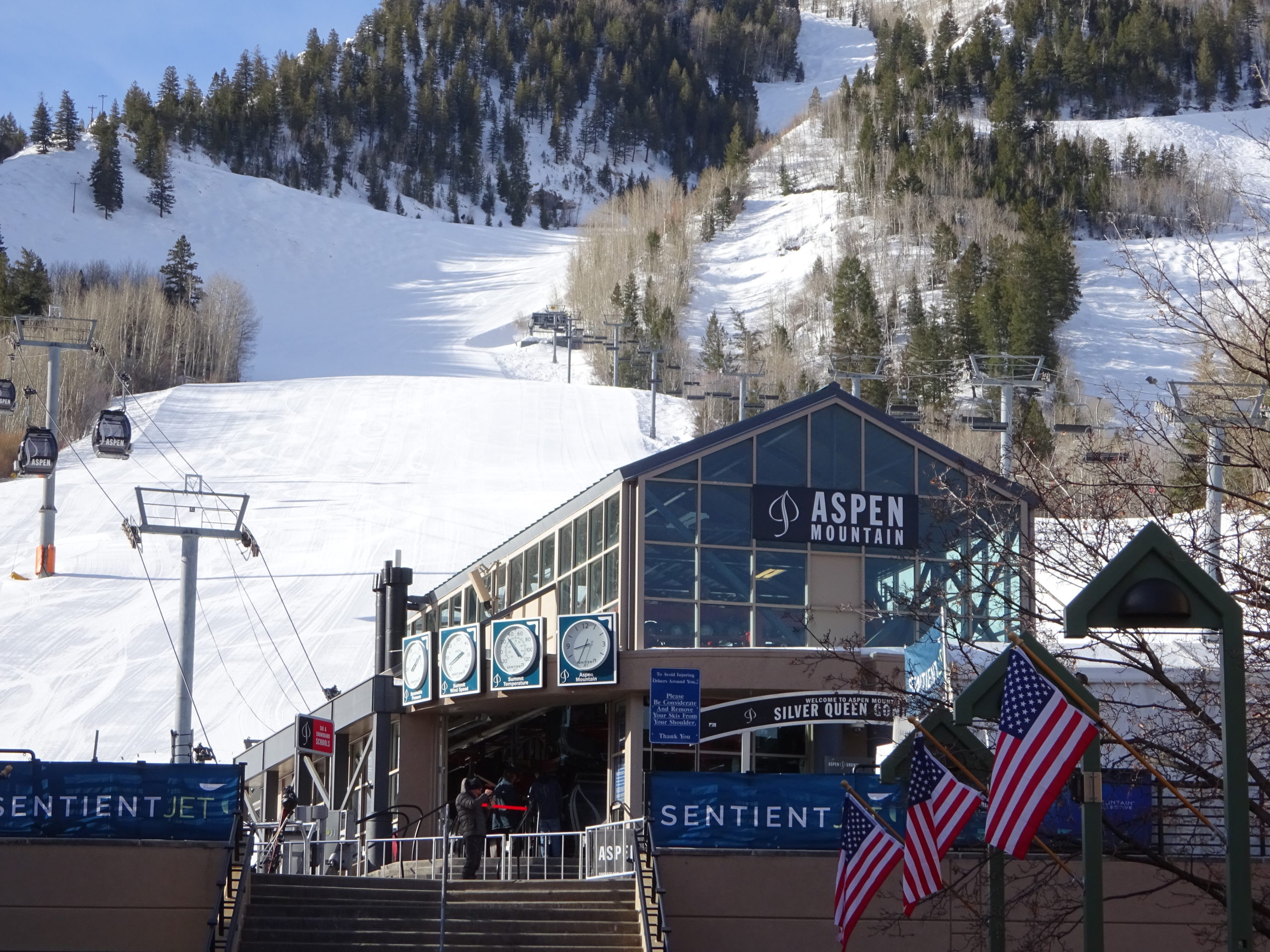
- February 2024: The collision occurs at an Aspen resort. Immediately following the impact, Banushi fails to stop or exchange identifying information with Cassidy, fleeing the scene and leaving her incapacitated on the slope.
- Spring/Summer 2024: An investigation is launched by local law enforcement. Investigators face the common challenge of identifying perpetrators in a crowded resort environment. By utilizing social media posts and photographic evidence captured by bystanders and resort cameras, authorities successfully identify Banushi.
- Late 2024–2025: Legal proceedings move through the 9th Judicial District Court. The case is prosecuted by the 9th Judicial District Attorney’s Office, with District Attorney Megan Machak emphasizing the gravity of the defendant’s decision to abandon the victim.
- September 5, 2026: The court sentences Banushi to 45 days in jail. The judge determines that the combination of reckless behavior and the subsequent flight from the scene warrants custodial time rather than simple probation or fines.
The Role of the Colorado Ski Safety Act
The Colorado Ski Safety Act serves as the backbone for legal regulation on the state’s world-famous slopes. The Act explicitly requires that any skier involved in a collision resulting in injury must remain at the scene and provide their name, contact information, and address to the injured party and the resort’s ski patrol. By failing to do so, Banushi not only committed a criminal act of negligence but also directly impeded the potential for immediate medical aid and insurance accountability.
District Attorney Megan Machak underscored this point during the trial. "The reason why this case particularly came forward to court is because the defendant, Banushi, didn’t stay on the scene," Machak stated. Under Colorado law, fleeing a collision is considered a significant escalation of an already dangerous situation. By choosing to flee, Banushi transformed what might have been a civil liability matter into a criminal prosecution, highlighting the state’s zero-tolerance policy for those who abandon others in vulnerable, high-altitude environments.
The Rising Crisis of Slope Safety
The sentencing of Banushi arrives at a time when mountain resorts globally are grappling with an increase in high-speed collisions. As equipment technology allows for higher speeds and easier carving, the density of skiers on popular runs has created a "perfect storm" for accidents.
Industry data suggests that while the total number of skiers has increased, the variance in skill levels sharing the same terrain has led to a rise in "out-of-control" incidents. Resort operators are increasingly utilizing video surveillance and digital tracking to monitor slope behavior, yet the sheer scale of mountain operations makes enforcement difficult. The Aspen case is expected to be cited in future discussions regarding the need for more robust signage, increased "ski patrol" presence, and harsher penalties for reckless conduct that endangers others.
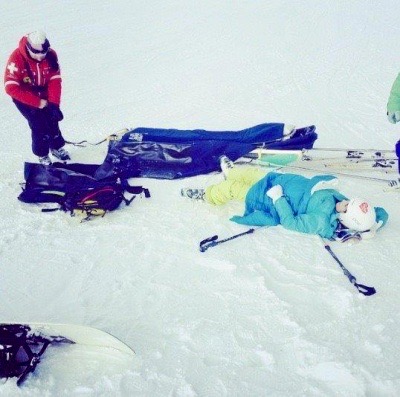
Anne Cassidy, reflecting on the outcome of the trial, spoke of the profound impact the collision had on her trajectory. "The collision upended my life and my family’s life for two years," she told The Aspen Times. Her statement highlights the hidden costs of such accidents—costs that extend far beyond the immediate medical bills, encompassing lost wages, chronic pain, and the psychological trauma of a sudden, violent event in a space meant for recreation.
Community and Judicial Response
The sentencing has drawn praise from victims’ advocates who have long argued that the courts have been too lenient on "slope crimes." By imposing jail time, the judge has sent a clear signal that the mountains are not "lawless zones." Cassidy expressed deep appreciation for the support system that allowed her to see the case through to a conviction.
"I am overwhelmed with feelings of gratitude for my community, including my family, friends and lawyer who supported me all along, the jurors and the judge who listened to all the evidence with grace and diligence, and the articulate, thoughtful witnesses who shared their expertise and truth," Cassidy said following the verdict. Her sentiment reflects the relief of a victim finally receiving validation from the judicial system after a two-year ordeal.
Broader Implications for the Ski Industry
The legal repercussions for Banushi may serve as a deterrent, but they also raise questions about how resorts manage liability. Insurance premiums for resorts and individual skiers alike are increasingly affected by the frequency of such litigation. Furthermore, the incident underscores the importance of the "skier responsibility code." This code, which is foundational to the sport, dictates that those in front have the right of way and that skiers must remain in control at all times.
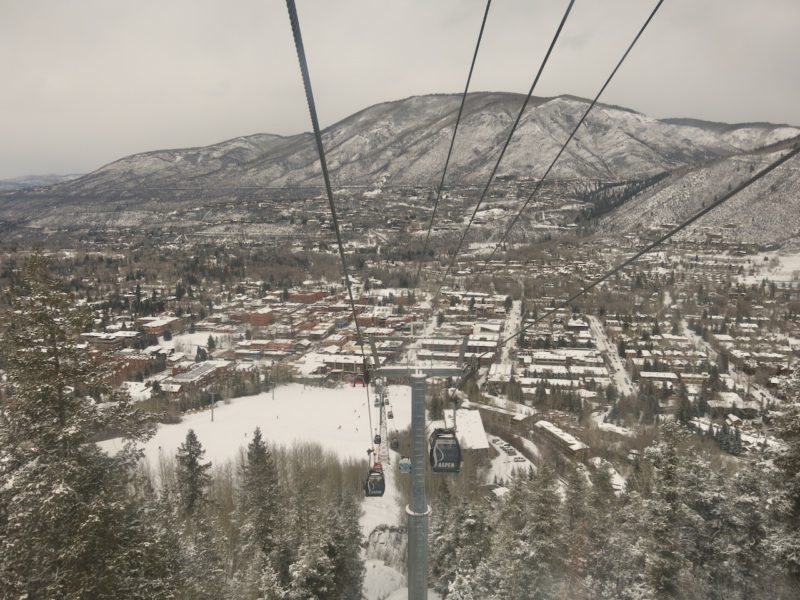
As the 2026-2027 ski season approaches, stakeholders in the Colorado tourism sector are likely to use this case as a teaching moment. There is a growing consensus that the "skier responsibility code" needs more than just printed signs; it needs active enforcement. If criminal charges, including jail time, become a standard response to hit-and-runs, it may force a cultural shift among visitors to prioritize safety over speed.
Conclusion
The case of Eric “Riku” Banushi is a stark reminder that the freedom of the slopes comes with an implicit social contract. When that contract is broken, the consequences can be severe. As Anne Cassidy moves forward with her recovery, the 45-day jail sentence serves as a definitive marker in the evolving legal history of Colorado’s ski industry. It establishes that while the mountains offer an escape from the complexities of daily life, they do not offer an escape from the laws of the land. For the victims of such incidents, the resolution of this case offers a measure of justice, while for the rest of the skiing community, it offers a sobering reminder of the responsibilities held by every person who straps on a pair of skis.

