
The trajectory of professional skiing has often been defined by the tension between raw physical output and the necessity of recovery. For Jonny Moseley, the 1998 Olympic gold medalist whose "new-school" approach revolutionized freestyle skiing, the pursuit of peak performance has evolved from the rudimentary tracking of the 1990s to a sophisticated, technology-integrated lifestyle. Today, Moseley is leveraging his experience as a pioneer of athletic data to champion a new era of wellness at Velvaere, a specialized residential community in Deer Valley, Utah. His current regimen—a blend of dynamic mobility, seasonal strength transitions, and cutting-edge recovery modalities—serves as a blueprint for how elite athletes maintain functionality and longevity well beyond their competitive primes.
The Historical Context of the 1998 Training Revolution
To understand Moseley’s current focus on high-tech wellness, one must look back to the unconventional methods that secured his gold medal in Nagano. In 1998, the field of sports science was in a state of transition. While the first wireless heart rate monitor had been released by Polar in 1982, it was not until the mid-to-late 1990s that elite athletes began to systematically use heart rate variability (HRV) and VO2 max data to dictate their training loads.
Moseley was an early adopter of these metrics. At the height of his career, he rejected the "more is better" philosophy that dominated the era, instead choosing to track his heart rate and maintain detailed journals of his daily performance. By monitoring "second-day soreness"—a colloquial term for Delayed Onset Muscle Soreness (DOMS)—he was able to identify the exact window in which his body reached peak supercompensation. This data-driven approach allowed him to arrive at the 1998 Winter Games not just fit, but perfectly peaked.
This analytical mindset was matched by his creative disruption of the sport. By incorporating snowboard-inspired grabs into his spins, Moseley challenged the rigid aesthetic of traditional mogul skiing. This "new-school" attitude required a different kind of physicality—one that prioritized air awareness and explosive agility over the sheer leg strength of his predecessors. This history of challenging the status quo informs his current role as an ambassador for Velvaere, where he continues to explore the boundaries of what technology can do for the human body.
The Integration of Artificial Intelligence in Modern Recovery
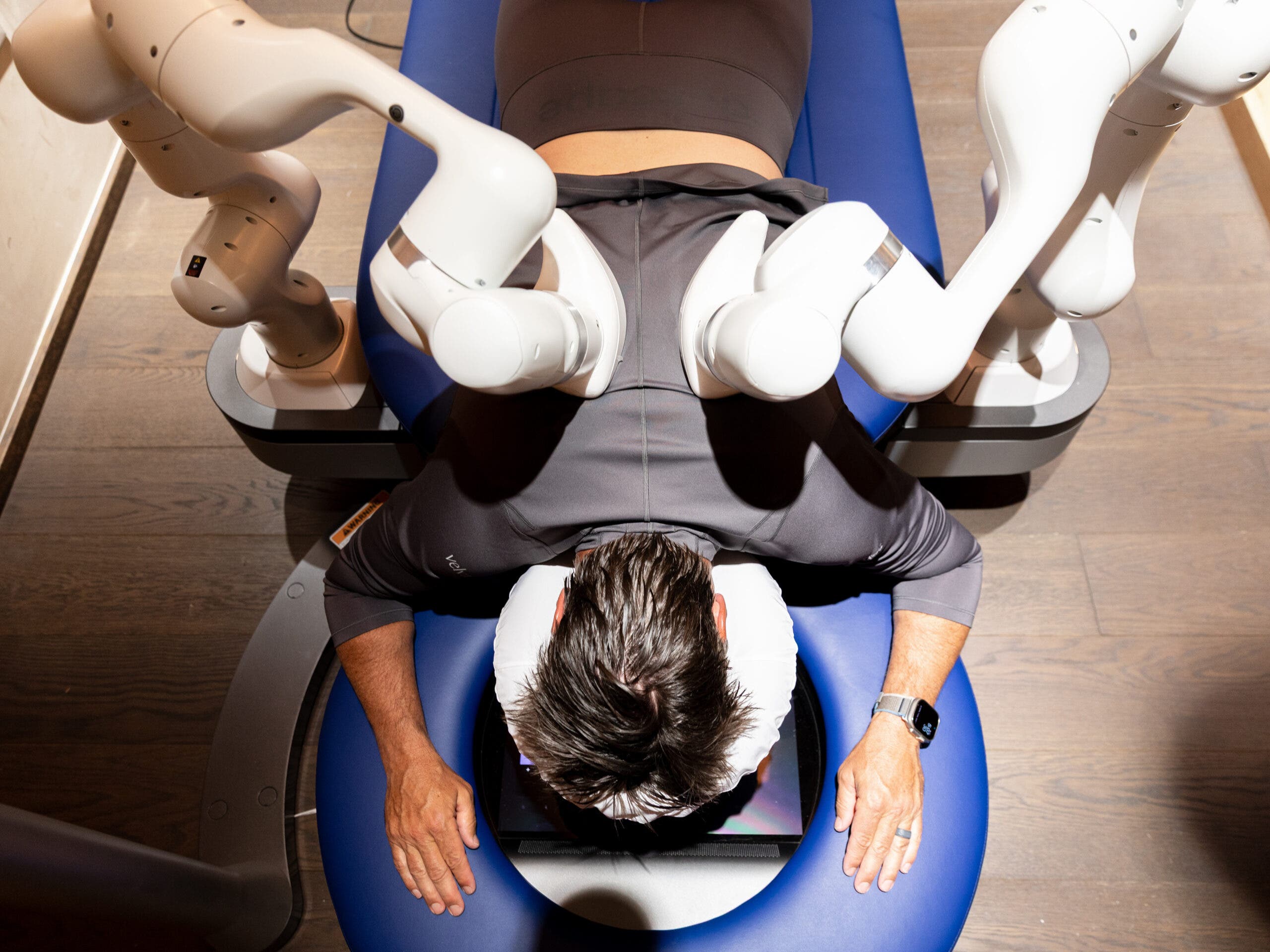
The centerpiece of Moseley’s current wellness philosophy is the integration of advanced recovery technologies that were once the exclusive domain of Olympic training centers. At Velvaere, Moseley has access to a suite of amenities that represent the current frontier of the wellness industry. This includes an AI-powered robotic massage system, which utilizes sophisticated sensors to evaluate muscle tension and body alignment before administering a customized treatment.
Unlike traditional massage therapy, which relies on the subjective touch of a practitioner, AI-driven systems provide a level of consistency and data-driven precision that appeals to the analytical athlete. These systems can track changes in muscle density and recovery progress over time, providing a feedback loop that informs the athlete’s next training session.
In addition to robotic therapy, Moseley’s routine incorporates several other medical-grade recovery modalities:
- Cryotherapy: The use of extreme cold to reduce systemic inflammation and accelerate metabolic recovery.
- LightStim LED Therapy: Utilizing specific wavelengths of light to stimulate cellular repair and reduce joint pain.
- Flotation Therapy: Sensory deprivation tanks that facilitate deep mental relaxation and magnesium absorption through Epsom salt-saturated water.
- Hyperbaric Environments: Utilizing saunas and cold plunges to trigger the "mammalian dive reflex" and improve cardiovascular resilience.
Moseley notes that these facilities mirror the "geeking out" environment of the United States Olympic & Paralympic Training Centers, where the focus is constantly on the cutting edge of athletic potential. The shift from manual tracking to AI-integrated recovery represents a logical progression for an athlete who has spent decades obsessed with the timing of strain and recovery cycles.
A Seasonal Approach to Strength and Endurance
While recovery technology is a significant component of his routine, Moseley maintains a rigorous physical training schedule that adapts to the changing seasons. His approach is categorized by a distinct shift in focus as the ski season approaches, moving from general strength to sport-specific endurance and power.
The Summer Strength Phase
During the early summer months, Moseley’s primary objective is the cultivation of a strong physical foundation. This phase is characterized by traditional weightlifting, though his modern approach is more balanced than the lower-body-heavy routines of his youth. While compound lifts remain a staple, he now incorporates more upper-body and core stability work to ensure a holistic physical profile. This balance is a response to the natural changes in the aging body, where maintaining muscle mass and joint integrity becomes more critical than raw power.
The Autumn Endurance Transition
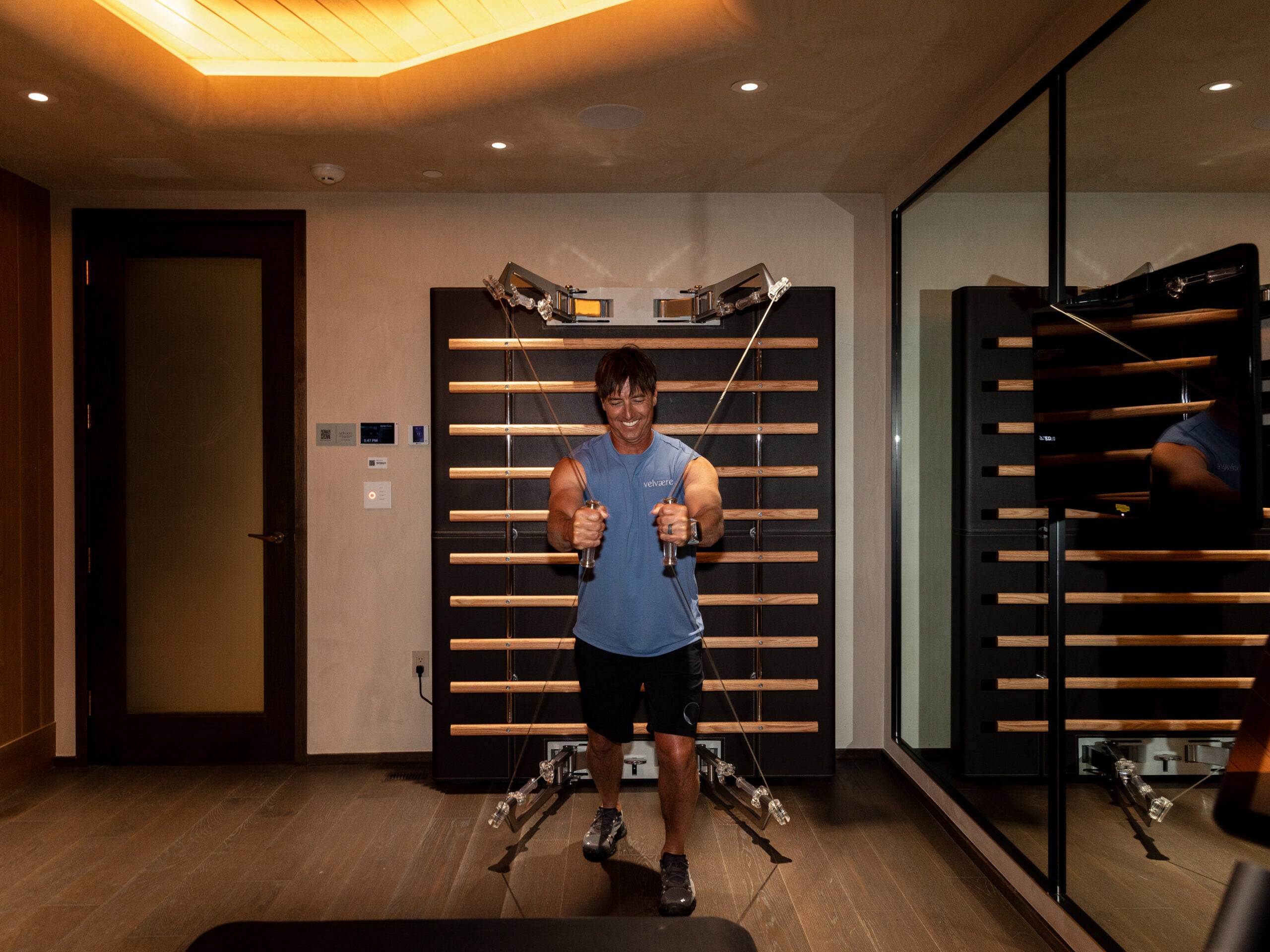
As temperatures drop, the training focus shifts toward cardiovascular endurance and lateral stability. Moseley utilizes a strict morning routine consisting of 30 to 60 minutes of cardio, often performed on a treadmill or through active recovery such as walking his dog in the Tahoe or Park City terrain. To prepare for the specific demands of skiing, he employs one-leg training and slide boards. These tools mimic the side-to-side weight transfers and eccentric loading required to navigate moguls and steep terrain, ensuring that his muscles are conditioned for the specific "burn" of a long descent.
The Winter Plyometric Peak
The final stage of his pre-season preparation involves transitioning into "plyometric mode." Moseley identifies box jumps as the "gold standard" for skiers, as they train the explosive power and shock absorption necessary for high-level skiing. However, he advocates for a graduated approach, cautioning that moving directly from a sedentary state to high-intensity box jumps can be "jarring" for the joints. By starting with lower heights and focusing on landing mechanics, he builds the necessary resilience to handle the impact of the slopes.
The Role of Mobility and "Hot Yoga" in Longevity
Perhaps the most significant shift in Moseley’s contemporary routine is the prioritization of mobility over sheer strength. "I’m a hot yoga guy," Moseley admits, highlighting a departure from the rigid training protocols of the 1990s. Hot yoga provides a dual benefit: the heat allows for deeper stretching of the fascia and connective tissues, while the isometric holds build the kind of stabilizing strength that is vital for preventing injuries in unpredictable alpine environments.
This focus on mobility is a tactical response to the aging process. As athletes age, the risk of injury often stems from a loss of range of motion rather than a loss of strength. By maintaining limber joints and a flexible spine, Moseley is able to continue engaging in high-impact activities like skiing and wing foiling—a sport that requires significant core strength and balance.
The Broader Implications for the Wellness Industry
Moseley’s partnership with Velvaere reflects a broader trend in the luxury real estate and wellness markets. There is an increasing demand for "wellness-integrated living," where high-end amenities are not just add-ons but are central to the home’s design. The global wellness real estate market was valued at approximately $275 billion in 2020 and is projected to continue its rapid growth as more individuals prioritize health-centric environments.
The inclusion of TechnoGym equipment, AI-driven recovery, and hyper-localized wellness communities suggests a shift in how society views health. It is no longer about a periodic visit to a gym or a spa; it is about an "always-on" approach to physical maintenance. For Moseley, being part of a community where wellness is a lifestyle contributor is the greatest factor in his continued performance.
Analysis of the Modern Athlete’s Lifecycle
Jonny Moseley’s evolution from a data-tracking Olympian to a high-tech wellness ambassador illustrates a significant shift in the athletic lifecycle. In the past, the end of a competitive career often signaled a sharp decline in physical conditioning, frequently exacerbated by the lingering effects of old injuries. However, the advent of "biohacking" and advanced recovery tech has enabled a new generation of "master athletes" to maintain elite-level functionality well into their 40s and 50s.
The implications of this are twofold. First, it extends the career span of professional athletes, allowing them to remain competitive or active in their sports for longer periods. Second, it democratizes high-performance technology. While AI massages and cryotherapy were once reserved for the likes of Moseley, they are increasingly becoming available to the general public through wellness-focused developments and private memberships.
Conclusion: The New Standard of Peak Performance
As the ski season commences, Jonny Moseley’s investment in lifestyle wellness becomes most visible. By combining the "gumption" of traditional outdoor training with the precision of AI and modern sports science, he has successfully transitioned from an Olympic champion to a model of sustainable health. His routine proves that peak performance is not a static destination reached in one’s twenties, but a dynamic, evolving process that requires a balance of intensity, mobility, and, most importantly, a commitment to the science of recovery.
In an era where "wellness" is often a vague marketing term, Moseley’s approach is grounded in the same empirical rigor that won him gold in 1998. Whether it is through a box jump, a hot yoga session, or a session with an AI massage robot, the goal remains the same: to remain "limber" and ready for the next shot on the "main big stage," whatever that stage may be in the years to come.

