
For millennia, the landscapes of Southern California were defined by a constant state of flux. Large herds of animals moved across the terrain in a rhythmic response to water availability, forage quality, and seasonal shifts. Native grasses were grazed, trampled, and redistributed long before the advent of modern fire suppression or urban sprawl. In this ancestral ecology, vegetation did not merely accumulate; it was consumed and recycled through a natural cycle of migration and regrowth. Fire, too, was a frequent visitor, though it rarely achieved the catastrophic scale of modern megafires. Instead, it functioned as a tool of interruption, preventing the uniformity that now characterizes much of the region’s overgrown wildlands.
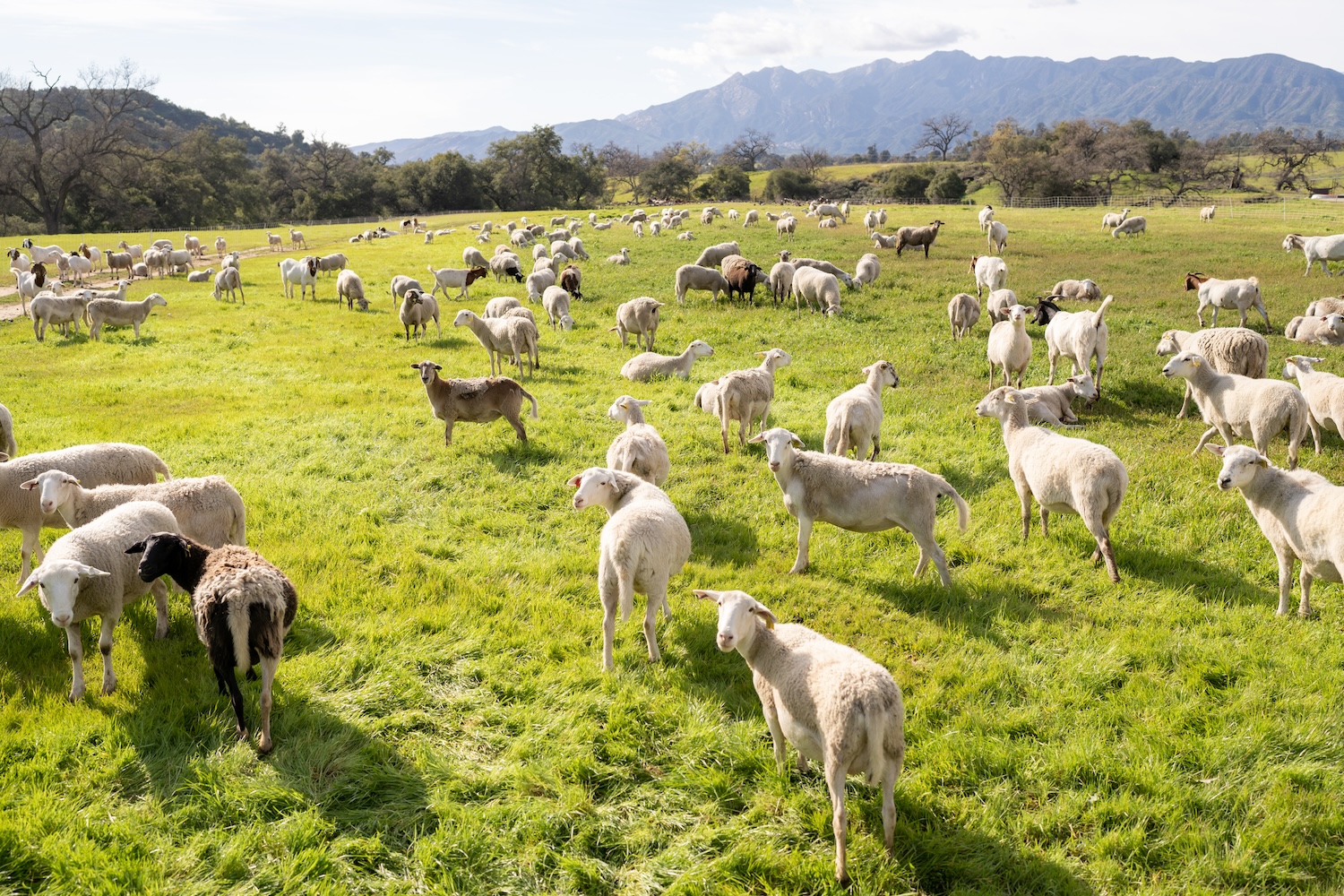
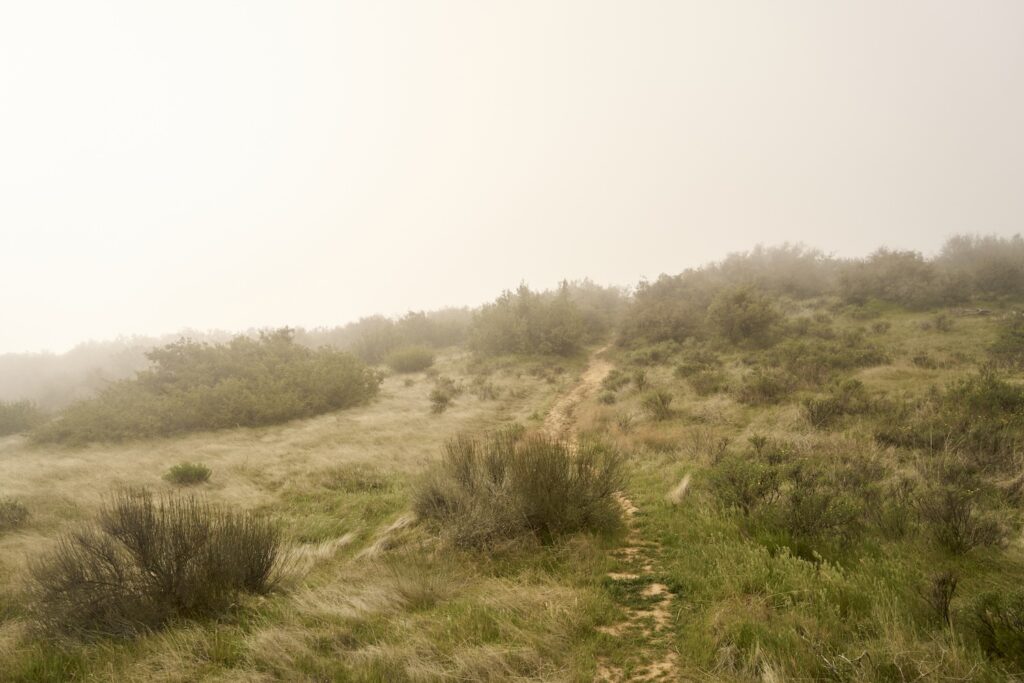
Today, that ancient balance has been replaced by a volatile structural condition. A combination of rising temperatures, prolonged drought, and the proliferation of invasive annual grasses has transformed the regional ecology. Decades of aggressive fire suppression have led to an unprecedented accumulation of "fuel loads"—dense thickets of dry brush and dead wood—that turn minor ignitions into uncontrollable infernos. As climate change intensifies, the public relationship with the California landscape is increasingly defined by smoke inhalation, mandatory evacuations, and the instability of the insurance market. In response, a traditional yet innovative strategy has reemerged: prescribed grazing. Across the hillsides of Ventura and Santa Barbara counties, bands of sheep and goats are being deployed as a frontline defense, moving through the landscape to restore a semblance of the ecological movement that once kept the region resilient.
The Ecological Shift: From Resilience to Volatility
The transformation of the Southern California landscape is not merely a matter of rising thermometers. According to data from the National Oceanic and Atmospheric Administration (NOAA), the frequency and severity of wildfires in the Western United States have increased significantly over the last two decades. Hotter temperatures lead to increased evaporation, drying out vegetation and creating "brittle" environments that are highly susceptible to ignition.
Furthermore, the introduction of non-native plant species has fundamentally altered the fire cycle. Invasive grasses, which dry out much earlier in the season than native perennials, act as "fine fuels." These plants allow fire to spread rapidly across open spaces and climb into the canopies of larger trees, such as the region’s iconic oaks. When these fires occur, they do more than destroy property; they release massive quantities of carbon into the atmosphere, creating a feedback loop that further accelerates global warming. The resulting erosion on fire-scarred hillsides often leads to secondary disasters, such as the debris flows and mudslides that have devastated communities like Montecito in recent years.
A Chronology of Modern Fire and Adaptation
The shift toward proactive land management in Southern California gained significant momentum following a series of landmark fire events.
- 2017 – The Thomas Fire: At the time, it was the largest wildfire in California history, burning over 280,000 acres across Ventura and Santa Barbara counties. It served as a wake-up call for the Ojai Valley, demonstrating that traditional suppression methods were insufficient against wind-driven fires in the urban-wildland interface.
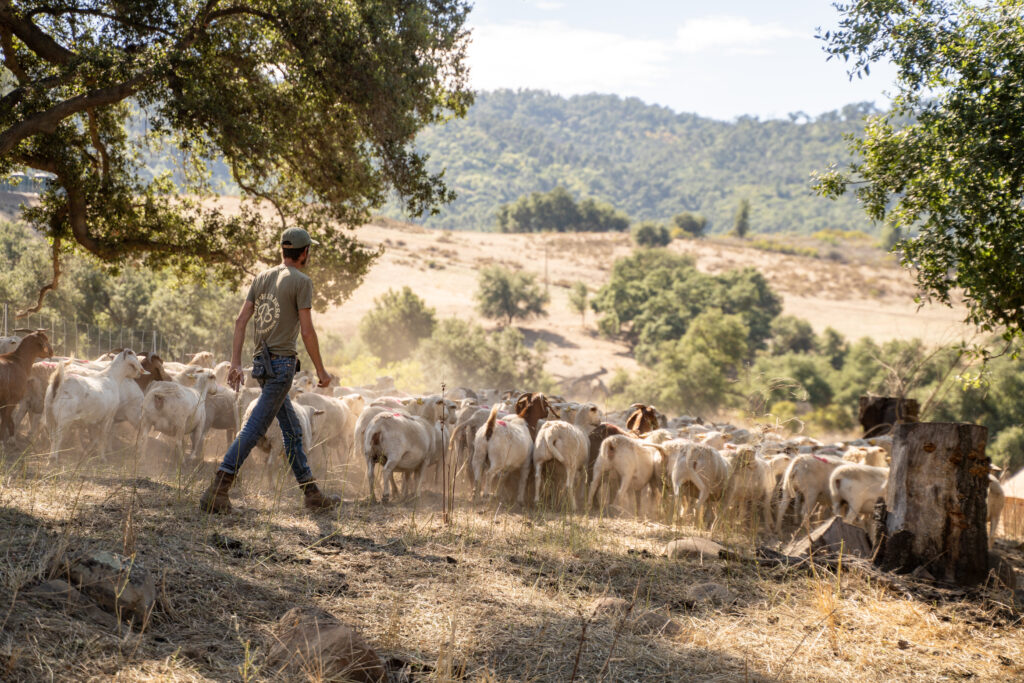
- 2020-2023 – The Rise of Prescribed Grazing: During the global pandemic, practitioners like Cole Bush, founder of Shepherdess Land and Livestock Co., began scaling operations. The focus shifted from simple livestock production to "ecosystem services," using animals specifically for fuel reduction and soil health.
- January 2025 – The Los Angeles County Fires: A series of fast-moving blazes, including the Kenneth Fire near Agoura Hills and the Madre Fire, tested the region’s emergency infrastructure. These events highlighted the critical need for large-animal evacuation networks and pre-fire fuel management.
- 2026 – The Sandy Fire: This event further underscored the importance of fire roads and defensible space in Ventura County, where active management strategies, including grazing, were credited with slowing the fire’s progression toward residential areas.
The Mechanics of Prescribed Grazing: The "Combo Punch"
Prescribed grazing is an intentionally designed form of land stewardship that mimics the natural disturbances once provided by wild herbivores. Unlike traditional grazing, which may leave animals in one area for extended periods, prescribed grazing is highly controlled and observational.
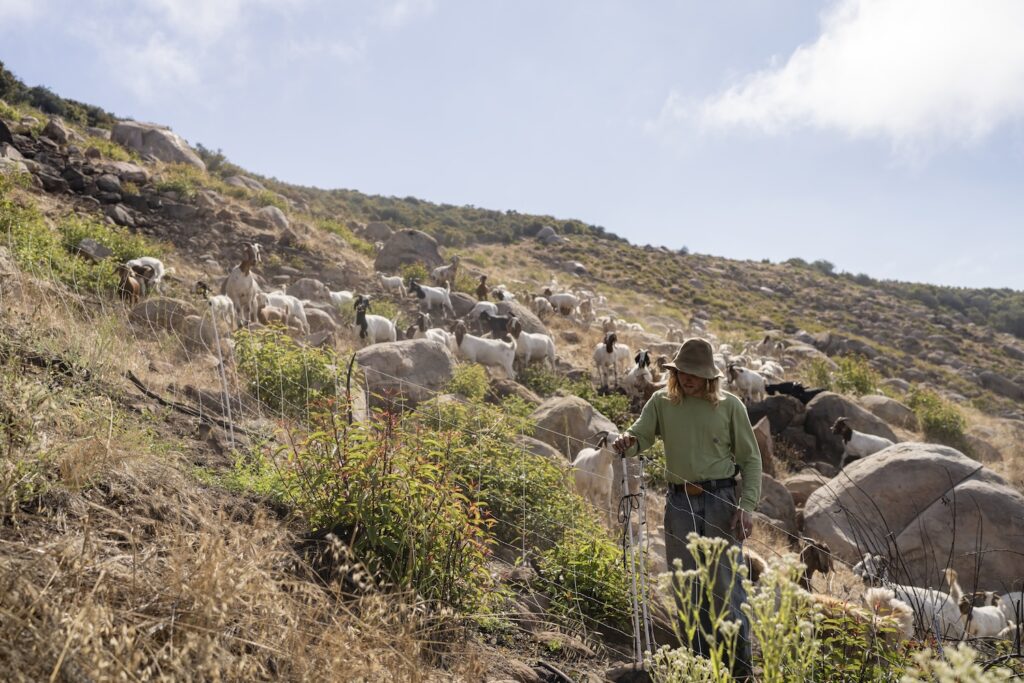
Cole Bush, a prominent practitioner in the Ojai Valley, describes the use of sheep and goats as a "combo punch" for land management. The two species serve distinct ecological functions:
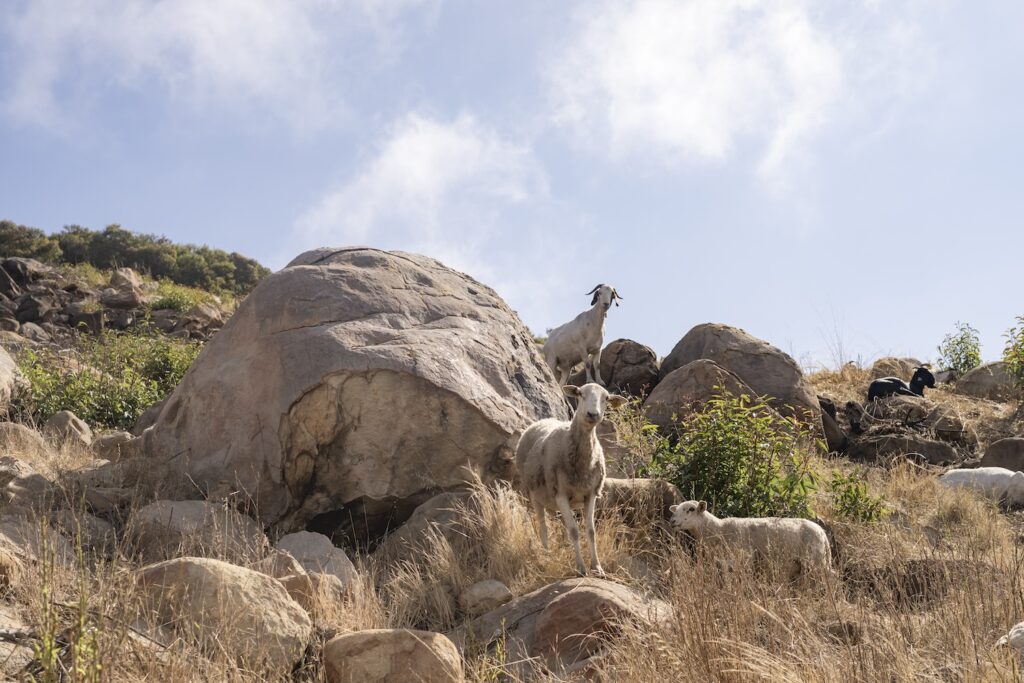
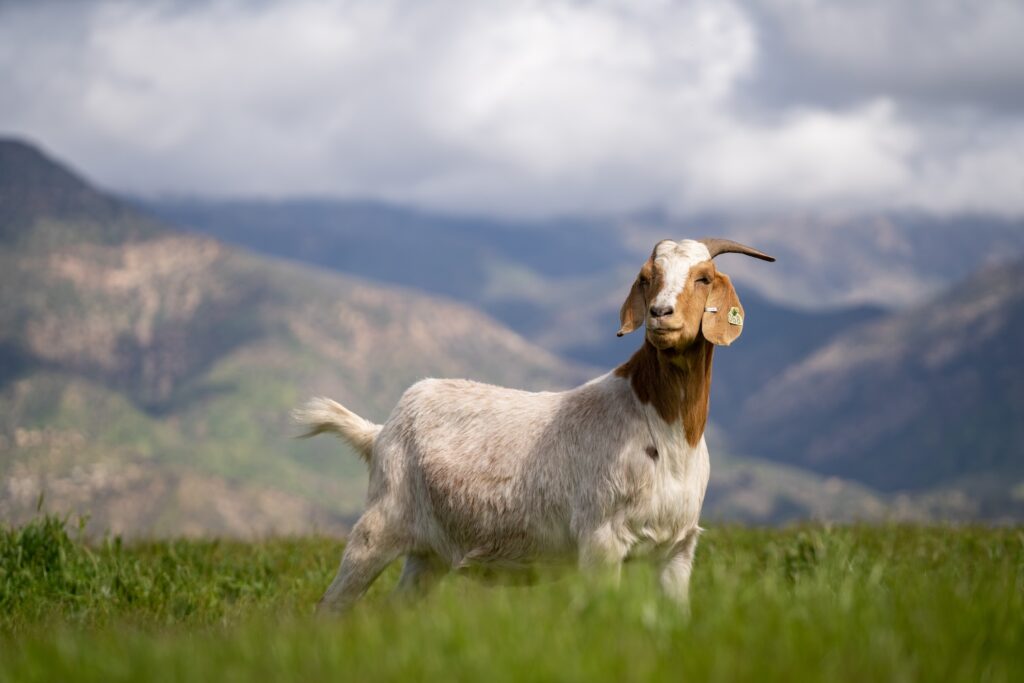
- Goats (Browsers): Goats naturally prefer woody vegetation, shrubs, and low-hanging tree branches. They are highly effective at thinning out thickets of brush that serve as "ladder fuels," which allow ground fires to climb into the forest canopy.
- Sheep (Grazers): Sheep focus on grasses and lower-growing forage. By keeping grass heights low, they reduce the speed at which a fire can move across a hillside.
The deployment of these animals is particularly advantageous in the "urban-wildland interface," where steep terrain and proximity to homes make the use of heavy machinery or prescribed burns difficult or dangerous. Sheep and goats can navigate utility corridors and rocky ridgelines with minimal ecological footprint, requiring far less water than cattle and producing no carbon emissions compared to mechanical mowers.
Policy and Economic Implications: The Insurance Crisis
The ecological instability of California has triggered a profound economic shift. In recent years, major insurance providers, including State Farm and Allstate, have restricted or ceased the issuance of new homeowners’ policies in California, citing the catastrophic risk of wildfire. This has forced thousands of residents into the California FAIR Plan, the state’s insurer of last resort, which often carries higher premiums and more limited coverage.
In response, state and local policies are shifting toward mandatory "defensible space" and community-wide resilience projects. Organizations like the Ojai Valley Fire Safe Council are working to bridge the gap between private landowners and public agencies. According to Kalli O’Connor, Assistant Director of the Council, wildfire resilience is no longer an optional environmental goal; it is a structural necessity for the continued habitability of the region.
This shift is reflected in updated fire hazard maps and new regulations that require homeowners to manage vegetation within 100 feet of their structures. However, experts argue that individual efforts must be matched by landscape-scale interventions. Prescribed grazing provides a scalable solution that addresses the vast "no-man’s-land" between suburban backyards and deep wilderness.
The Human Element: Recreation as Stewardship
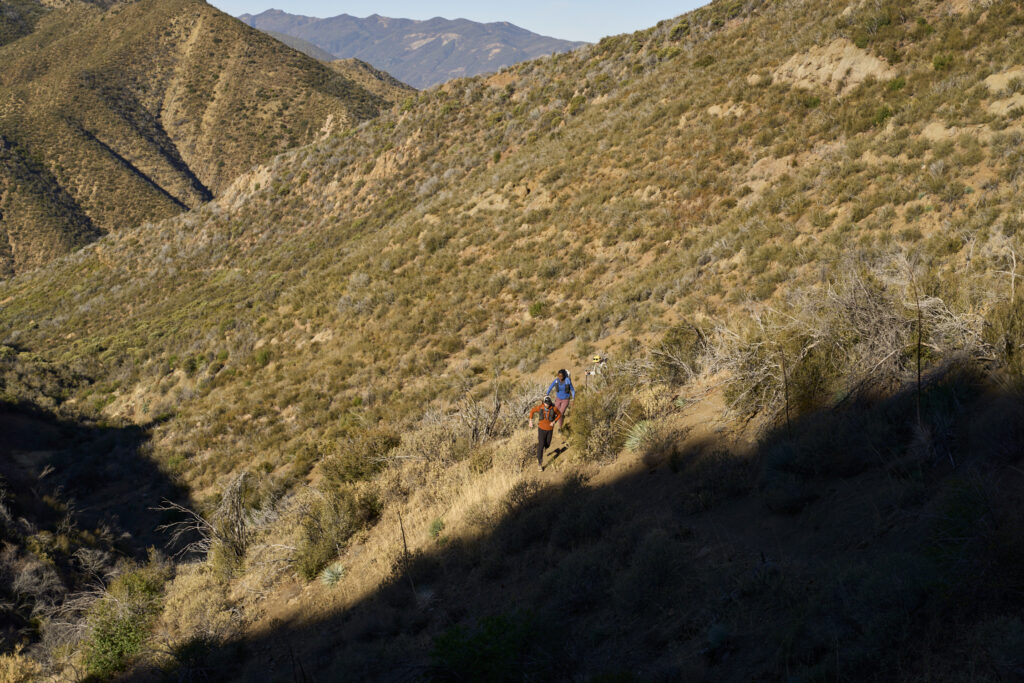
The changing ecology of the West is also reshaping the culture of outdoor recreation. For trail runners, hikers, and cyclists, the mountains of the Los Padres National Forest and the Santa Monica Range are no longer just places of escape; they are classrooms for observing ecological change.
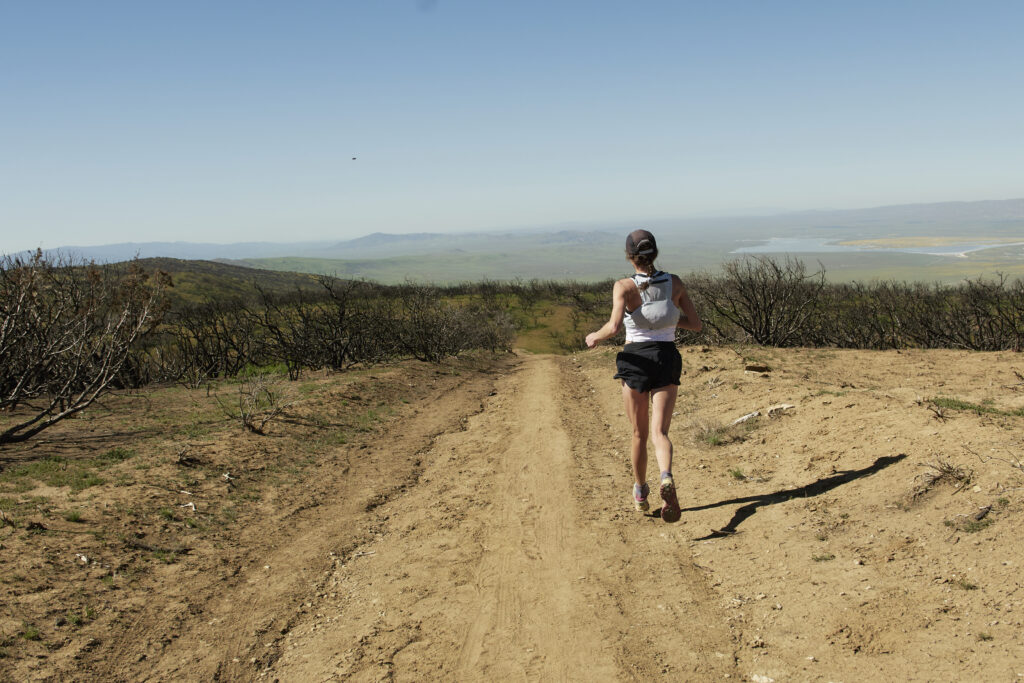
Liam Pickhardt, a photographer and trail runner based in Ojai, notes that those who move through these landscapes on foot often develop an intimate awareness of the land’s health. "Trail runners interact with landscapes on a very intimate level," Pickhardt says. "That connection can really only be compared to the relationships that animals have with a landscape." This perspective is increasingly common among outdoor enthusiasts who are moving away from a "leave no trace" philosophy toward one of "active stewardship."
The realization is growing that the trails and open spaces the public enjoys require active management to remain viable. Without intervention, these areas become impassable due to overgrowth or are closed for years following catastrophic burns and subsequent erosion.
Analysis: The Future of the Modern Shepherd
The reintroduction of shepherding to Southern California represents a form of "ecological activism." As Cole Bush suggests, the role of the modern shepherd is not one of domination over nature, but of rhythmic response to it. By observing soil compaction, invasive species pressure, and wildlife corridors, shepherds can tailor animal movements to benefit the entire biological community.
However, challenges remain. Scaling these programs requires significant investment in infrastructure, such as portable fencing and water transport, as well as a new generation of trained practitioners. The "Grazing School of the West" and similar initiatives are working to professionalize the field, framing it as a viable career path for those interested in climate adaptation.
As Southern California faces a future of increased climatic volatility, the "movement" of animals may be the key to preventing the "stillness" of ecological decay. The story of wildfire in California is no longer just one of destruction; it is a story of how communities—human and animal alike—are learning to live within the realities of a fire-prone world. By integrating ancient wisdom with modern data, the region is attempting to build a landscape that does not just survive the next fire, but is shaped by a more resilient relationship with it.

