
Jonny Moseley, the Olympic freestyle skier who redefined the sport of moguls at the 1998 Nagano Winter Games, has transitioned from a high-impact innovator into a leading advocate for integrated wellness and sophisticated recovery. While his name was once synonymous with the "Moseley Grab" and a defiant "new-school" attitude that challenged the traditional skiing establishment, his current focus centers on the intersection of dynamic movement, mobility, and the cutting edge of sports science. This evolution is highlighted by his recent partnership as an ambassador for Velvaere, a specialized wellness community in Deer Valley, Utah, where high-performance athletic training meets advanced medical-grade recovery technology.
The 1998 Paradigm Shift: Data-Driven Performance in an Analog Era
To understand Moseley’s current philosophy, one must examine the revolutionary nature of his preparation for the 1998 Winter Olympics. At a time when many freestyle skiers relied on raw talent and repetitive on-snow practice, Moseley adopted a meticulous, data-driven approach that was decades ahead of its time. He was an early adopter of heart rate monitoring, using then-nascent technology to track his cardiovascular strain and recovery. By maintaining a detailed journal of his daily performance and paying close attention to "second-day soreness"—now scientifically understood as Delayed Onset Muscle Soreness (DOMS)—he was able to identify the precise windows when his body reached peak physiological readiness.
The stakes of the Olympic cycle played a significant role in this obsession with timing. Moseley has often reflected on the unique pressure of the "four-year cycle," where an athlete’s entire professional legacy can hinge on a single performance. This environment necessitated a mastery of "periodization"—the systematic planning of athletic training to ensure peak performance at a specific moment. In 1998, this strategy paid off spectacularly. Moseley dominated the World Cup circuit before arriving in Nagano, where he executed a 360-degree mute grab—a move borrowed from snowboarding—that fundamentally altered the trajectory of freestyle skiing. By merging technical mogul skiing with the creativity of the emerging freeskiing movement, Moseley did more than win gold; he expanded the sport’s commercial and cultural horizons.
The Modern Training Regimen: From Strength to Endurance
Decades after his Olympic triumph, Moseley’s training has shifted from the explosive, high-impact demands of competitive moguls to a balanced routine designed for longevity and functional fitness. His current regimen is characterized by seasonal shifts that align with the demands of the environment and the skiing calendar.
During the summer months, Moseley focuses on foundational strength, utilizing heavy resistance training to maintain muscle mass and bone density—critical factors for an athlete navigating the middle stages of life. As autumn approaches and temperatures drop, his focus pivots toward endurance and ski-specific lateral movements. He employs slide boards and one-leg training to mimic the side-to-side forces encountered on a mountain. This "eccentric" loading is vital for skiers, as it prepares the muscles to absorb the energy generated during high-speed turns.
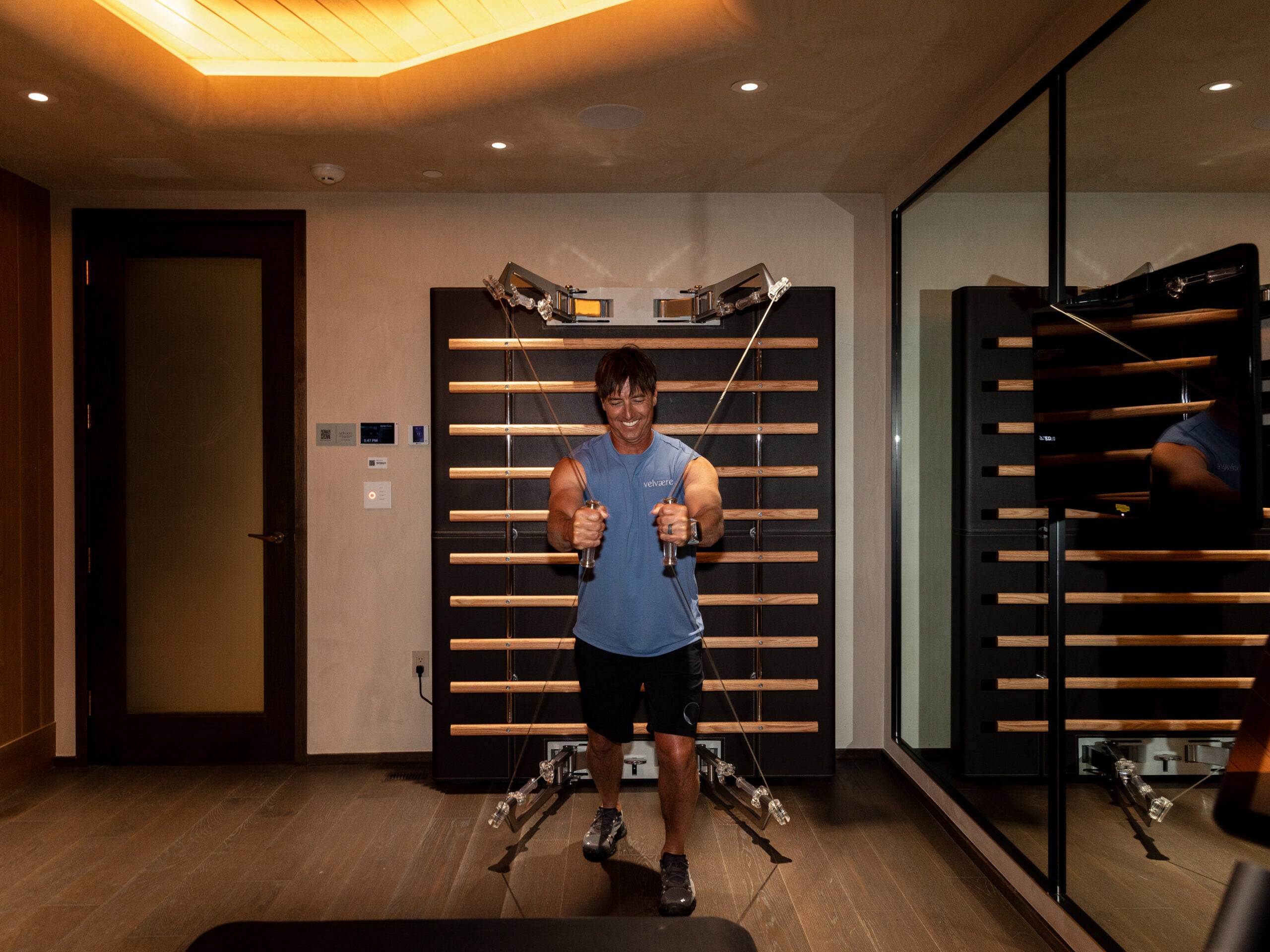
Moseley also emphasizes the importance of plyometrics, citing box jumps as the "gold standard" for maintaining the explosive power required for skiing. However, he offers a pragmatic caveat for the average enthusiast: the transition from a sedentary lifestyle to high-impact plyometrics must be gradual. He advocates for starting with lower heights to prevent joint strain, a reflection of his matured understanding of injury prevention.
The Pivot to Mobility and Holistic Wellness
Perhaps the most significant change in Moseley’s routine is his embrace of "soft tissue" work and mobility. "I’m a hot yoga guy now," Moseley admits, acknowledging that the rigid strength of his youth has been replaced by a need for flexibility and range of motion. This shift highlights a broader trend in the athletic community where "longevity" has replaced "intensity" as the primary goal.
In addition to yoga, Moseley incorporates recreational activities like wing foiling—a sport that requires significant core stability and balance without the high-impact landings of mogul skiing. This diversification of movement helps prevent overuse injuries while maintaining the proprioceptive skills necessary for high-level skiing.
The Technological Frontier: Velvaere and the Future of Recovery
Moseley’s partnership with Velvaere represents the next chapter in his lifelong exploration of human performance. Located in the luxury enclave of Deer Valley, Velvaere is a 60-acre "wellness community" that integrates residential living with world-class athletic facilities. The amenities available at the facility represent the current "cutting edge" of sports science, mirroring the elite resources found at United States Olympic & Paralympic Training Centers.
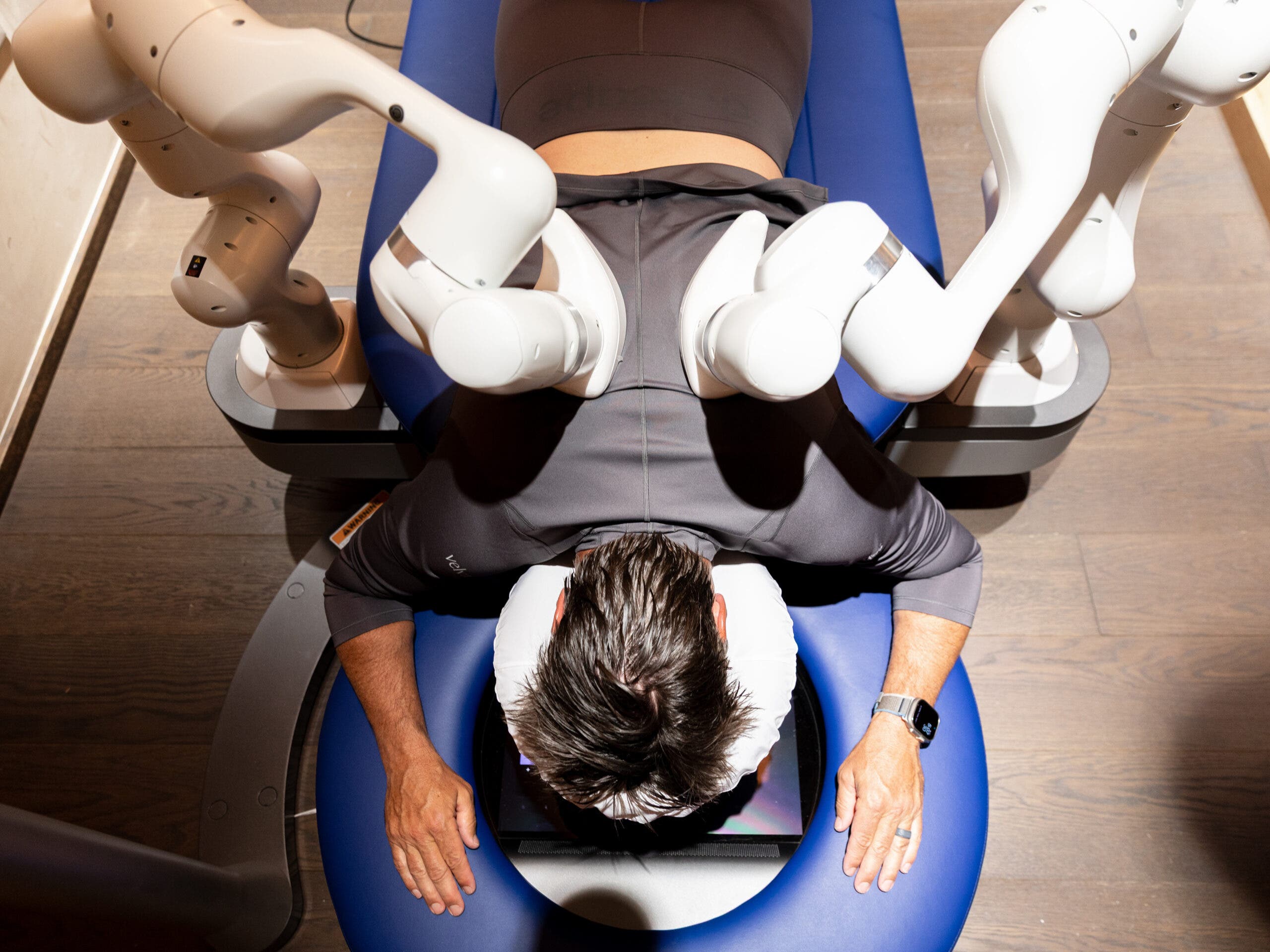
One of the most notable features of the Velvaere program is an AI-powered massage robot. This system uses advanced sensors to scan and evaluate the human body, identifying areas of tension and misalignment before administering a customized, precision massage. For Moseley, this represents the natural evolution of the data-tracking he began in the 1990s. Where he once had to manually journal his soreness, AI can now quantify it and provide a direct therapeutic intervention.
The facility also offers a suite of "biohacking" tools, including:
- Cryotherapy: The use of extreme cold to reduce systemic inflammation and accelerate muscle recovery.
- LightStim LED Therapy: Utilizing specific wavelengths of light to stimulate cellular repair and collagen production.
- Flotation Therapy: Sensory deprivation tanks that allow for deep mental relaxation and the relief of joint pressure.
- Sauna and Cold Plunge Circuits: Contrast therapy designed to improve vascular health and metabolic function.
Moseley notes that these technologies, while seemingly futuristic, follow the same trajectory as the heart rate monitors of the 1980s. What begins as an elite, experimental tool eventually becomes a standard component of a comprehensive wellness lifestyle.
Chronology of an Evolution: 1982 to 2025
The evolution of Moseley’s career mirrors the broader history of sports science and fitness technology:
- 1982: The first wireless heart rate monitor is released, beginning the era of quantifiable personal fitness.
- Early 1990s: Sports science begins to move from the lab to the field, with coaches emphasizing VO2 max and recovery cycles.
- 1998: Moseley wins Olympic Gold in Nagano, proving the efficacy of data-driven training and "new-school" creativity.
- 2000s-2010s: Moseley transitions into a media and ambassador role, maintaining a high level of fitness through traditional strength and conditioning.
- 2020s: The "Wellness Revolution" takes hold, with a focus on longevity, mobility, and high-tech recovery.
- 2025: Moseley aligns with Velvaere, championing the use of AI and integrated recovery to extend the "athletic life" of skiers and outdoor enthusiasts.
Implications for the Broader Fitness Industry
Jonny Moseley’s journey offers a blueprint for the "aging athlete"—a demographic that remains highly active but must adapt to the physiological realities of time. His emphasis on recovery and mobility suggests that the future of fitness lies not just in how hard one can train, but in how effectively one can recover.
The integration of AI and medical-grade recovery into residential communities like Velvaere indicates a shift in the real estate and hospitality sectors. Wellness is no longer an "add-on" amenity like a simple gym; it is becoming the central pillar of luxury living. For the general public, Moseley’s endorsement of these technologies suggests that the tools once reserved for Olympic gold medalists are becoming increasingly accessible, potentially democratizing the ability to maintain peak physical health well into one’s later years.
Conclusion: A Legacy of Innovation
Jonny Moseley has spent his career at the forefront of skiing, whether it was through the technical execution of a mute grab or the early adoption of heart rate variability tracking. Today, his focus on the "cycle of strain and recovery" serves as a reminder that peak performance is not a static achievement but a continuous process of adaptation. By embracing everything from hot yoga to AI-driven robotics, Moseley continues to challenge the perception of what is possible, proving that with the right balance of discipline and technology, the pursuit of excellence has no expiration date.

