
For generations of winter sports enthusiasts, the ritual of strapping into a rigid pair of downhill ski boots has been accepted as an uncomfortable necessity. Far removed from the cushioned comfort of modern running shoes or everyday sneakers, ski boots are traditionally viewed as instruments of constraint. Countless skiers treat minor foot pain, localized bruising, and post-slope numbness not as warning signs of injury, but as a rite of passage—a badge of honor earned after a demanding day carving down the mountain. However, as medical professionals and podiatric specialists increasingly emphasize, enduring chronic discomfort in the name of winter recreation may carry long-term health consequences that extend far beyond the final chairlift of the season.
Recent clinical observations from orthopedic and podiatric specialists shed light on a troubling reality: keeping human feet locked in rigidly fixed, high-pressure environments can exacerbate, or even induce, permanent structural foot deformities. While the thrill of the slopes remains a powerful draw for millions of participants globally, the mechanical demands placed on the feet inside a hard plastic shell warrant a closer examination of footwear safety. Experts argue that the cultural acceptance of boot pain is masking preventable injuries, prompting a renewed focus on proper equipment fitting, customized orthotics, and proactive foot care within the winter sports community.
Clinical Perspectives on Foot Deformities and Nerve Damage
Medical professionals point to a variety of chronic conditions that are either triggered or severely aggravated by improperly fitted ski equipment. Dr. Nelya Lobkova, a New York City-based podiatrist and seasoned skier, notes that conditions such as bunions—a progressive forefoot deformity often rooted in genetics—and Morton’s neuroma—characterized by a painful thickening of nerve tissue situated between the metatarsal bones—are particularly susceptible to the mechanical forces exerted by ski boots.
According to Dr. Lobkova, pathology can arise from extremes at both ends of the fitting spectrum. When a boot features an overly restrictive toe box, continuous friction against the skin and underlying bone structures can accelerate the inflammation associated with bunions, hammertoes, and neuromas. Conversely, boots that are too large or improperly secured present an alternate set of hazards. In an oversized boot, the foot tends to slide forward repeatedly during deceleration and downhill maneuvers, causing excessive impact against the front of the shell and chronically impinging the toe bones.
These mechanical stressors frequently extend to the toenail beds. Pressure concentrated at the front of the boot commonly induces subungual hematomas—accumulations of blood trapped directly beneath the toenail—as well as severe ingrown toenails. Left unaddressed, these injuries can progress to secondary bacterial or fungal infections, occasionally necessitating oral antibiotic regimens or the surgical removal of the nail plate. Furthermore, repeated trauma to the delicate nail bed can cause irreversible structural damage, resulting in permanent alterations in nail growth, thickness, and aesthetics.
Differentiating Normal Discomfort from Pathological Fit
Despite the severity of these potential complications, podiatric specialists emphasize that these outcomes are entirely preventable. The prevailing consensus among sports medicine professionals is that the equipment itself is not inherently flawed, but rather the methods by which consumers select, fit, and utilize it.
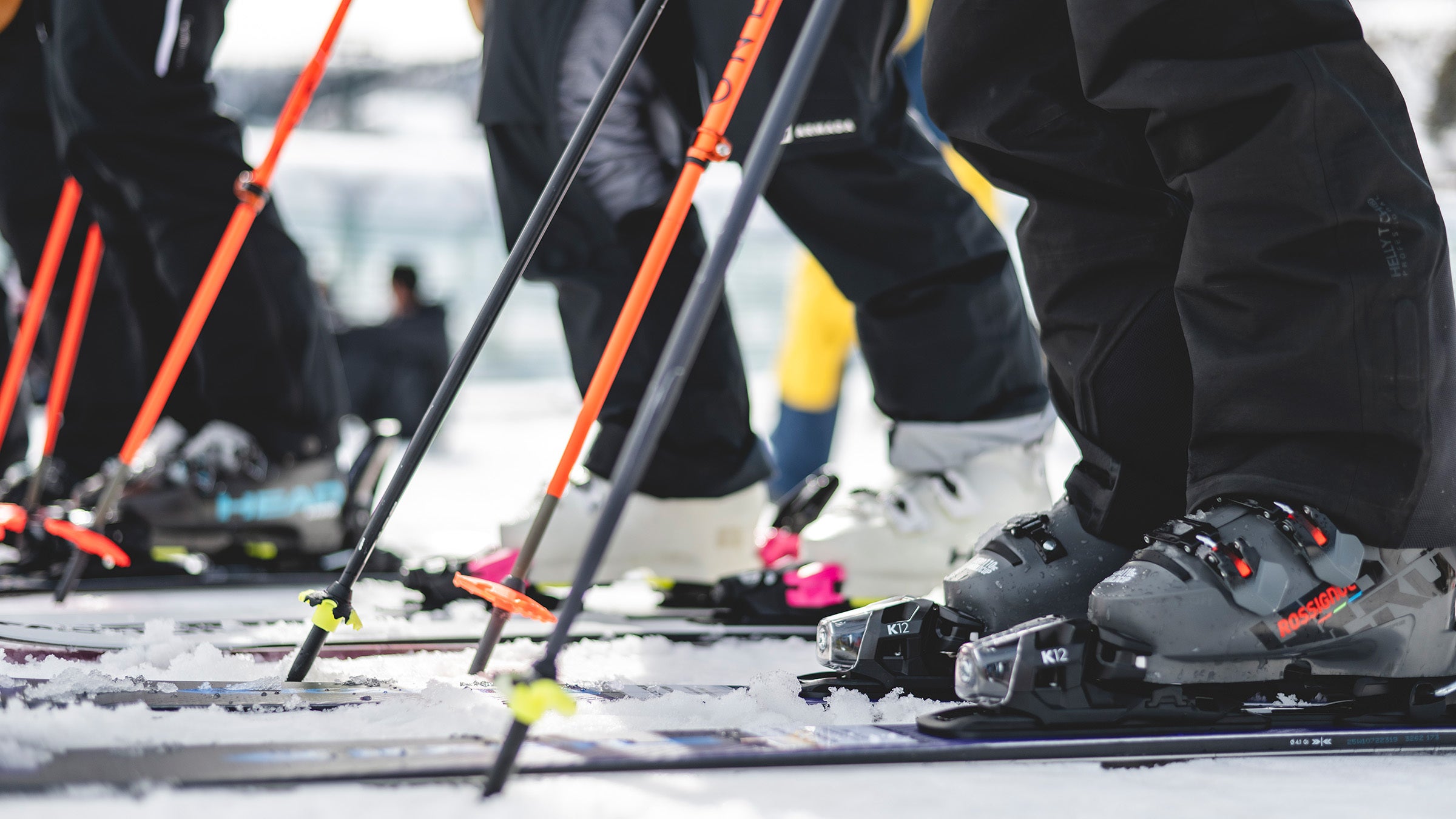
Dr. Mikel Daniels, a Baltimore-based podiatric surgeon, summarizes this distinction concisely: ski boots are not inherently detrimental to foot health, but poorly fitted ski boots certainly are. Understanding this nuance requires skiers to recognize the critical boundary between standard athletic discomfort and pathological mechanical stress. When donning a newly purchased boot, a snug, encompassing sensation is entirely normal. While standing upright in a neutral posture, the wearer’s toes should lightly graze the front interior wall of the boot shell. When the skier subsequently flexes their ankles forward into an authentic athletic skiing stance, the heel should remain firmly anchored while the toes pull back slightly away from the front wall.
New equipment inherently requires a break-in period, during which internal foam liners compress and conform to the unique contours of the user’s foot. A generalized, dull muscular ache following a full day on the slopes is common and should dissipate shortly after the boots are removed. However, localized sharp pain, persistent numbness, acute pins-and-needles sensations, or chronically cold digits indicate a compromised fit that requires professional intervention. Dr. Daniels maintains a practical guiding principle for winter athletes: if foot discomfort consistently distracts the skier from the athletic experience itself, the equipment requires immediate adjustment.
Technological Solutions: Heat-Molding, Shell Punching, and Custom Orthotics
To combat the inherent anatomical challenges posed by rigid plastic shells, modern ski boot fitting has evolved into a precise science. Industry professionals recommend that skiers invest in specialized fitting processes, starting with thermal customization. Heat-molding allows specialized technicians to warm the internal liner and, in many advanced models, the exterior plastic shell, enabling the materials to mold precisely around prominent anatomical features such as bunions, prominent joint spaces, and structural abnormalities.
When thermal adaptation is insufficient to relieve localized pressure points, boot fitters frequently employ mechanical expansion techniques, commonly referred to as "punching." By utilizing specialized hydraulic or manual stretching tools, technicians can locally expand the polymer shell outward in targeted zones, such as the lateral edge of the fifth metatarsal or the primary toe box. This targeted expansion provides crucial volumetric relief while maintaining the structural integrity and retention capabilities of the surrounding boot architecture.
Beyond modifications to the shell and liner, footbed architecture plays a vital role in weight distribution and biomechanical alignment. Prefabricated insoles supplied by manufacturers are frequently too thick or structurally generic to accommodate individual foot profiles. Consequently, specialists frequently fabricate bespoke, low-profile custom orthotics designed specifically for downhill ski boots. These specialized devices often feature embedded metatarsal pads, which actively encourage the spreading of the forefoot bones and tendons, thereby reducing friction and mitigating the onset of nerve impingement syndromes like Morton’s neuroma.
Best Practices for Rental Equipment and On-Hill Management
While customized solutions offer optimal protection for dedicated enthusiasts who purchase their own gear, recreational skiers utilizing rental equipment face distinct challenges. Because fully customized alterations are rarely feasible with rental inventory, consumers must rely on strategic precautions to safeguard their foot health.
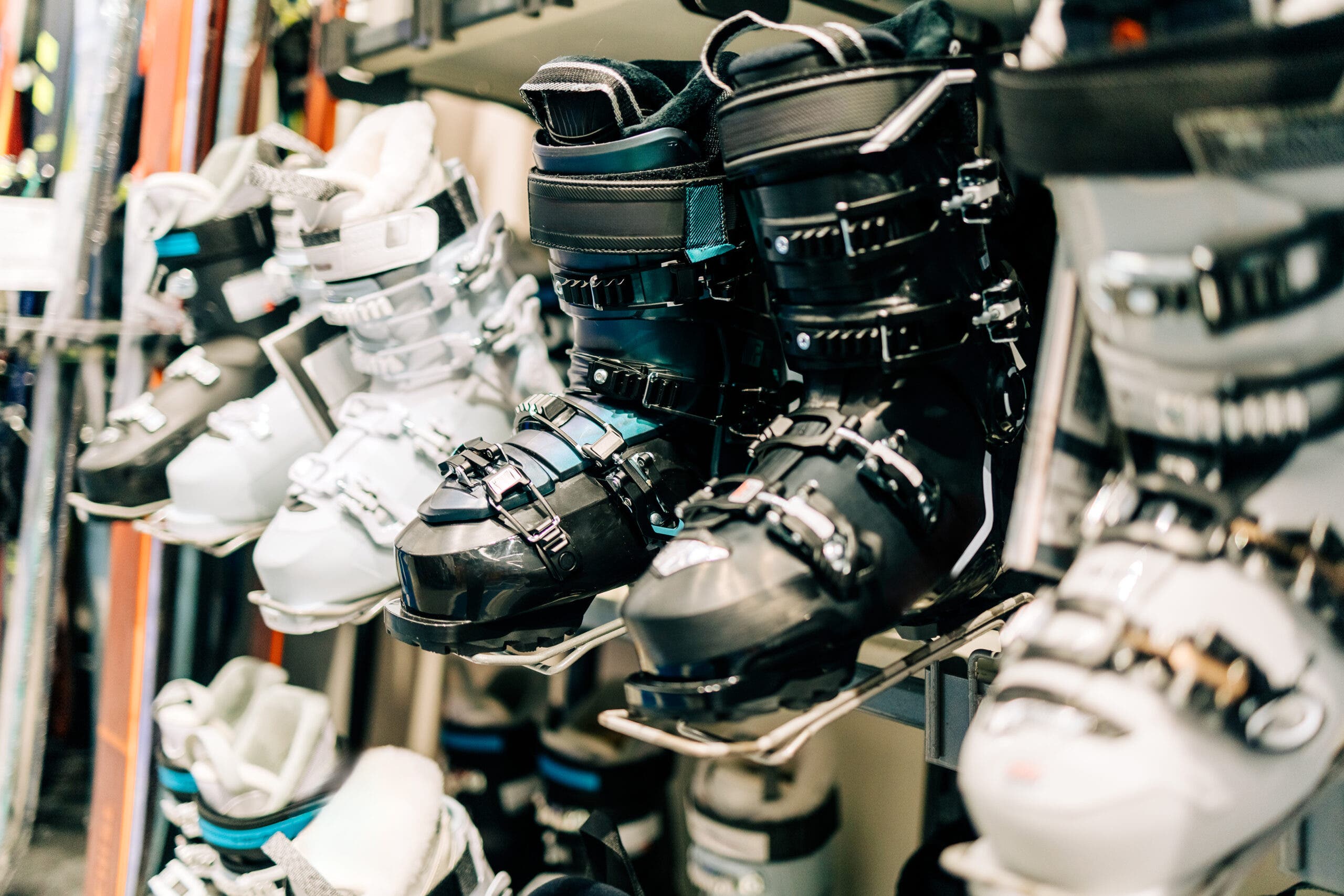
Experts advise renters to communicate openly with fitting technicians regarding any pre-existing structural conditions, prior injuries, or chronic pain points. When selecting from available rental stock, skiers should prioritize a securely fitting shell over excessive internal volume. A common error among recreational skiers is selecting an oversized boot in an attempt to avoid tightness, subsequently over-tightening the external buckles to compensate for the loose shell. This practice creates severe, localized pressure points and restricts overall athletic control while impeding proper circulation.
Furthermore, material selection plays a critical defensive role against friction and thermal injury. Skiers are strongly encouraged to utilize specialized, high-density alpine socks constructed from technical fibers such as merino wool. These garments manage moisture effectively and cushion vulnerable skin areas, whereas traditional cotton socks absorb moisture rapidly, significantly increasing the probability of blister formation and localized skin breakdown. Individuals who utilize corrective orthotics in their everyday footwear are also advised to transfer those inserts into their rental ski boots, provided internal volume permits.
The Physiology of Breaks and Thermal Transitions
Environmental factors also contribute significantly to foot trauma on the mountain. Dr. Lobkova highlights the physiological impact of thermal transitions, noting that feet and ankles naturally expand when moving from sub-freezing outdoor environments into heated indoor lodges, restaurants, or base facilities. If a skier maintains tightly buckled boots during these warm-up periods, the expanding tissues press aggressively against the unyielding plastic shell. This phenomenon creates a localized tourniquet effect, severely restricting arterial blood flow and venous return, which can exacerbate numbness, accelerate cold-weather injuries, and induce acute discomfort.
To mitigate this physiological stress, experts recommend routinely loosening or completely removing ski boots during mid-day rest periods. This practice permits the vascular system to normalize, allows trapped perspiration to evaporate, and provides critical muscular relief to the intrinsic muscles of the foot and lower leg.
Broader Industry Implications and the Future of Boot Fitting
As awareness surrounding chronic foot pathology in winter sports continues to grow, the broader ski industry is experiencing a cultural shift. Equipment manufacturers are increasingly investing in advanced shell materials that offer enhanced thermal plasticity, allowing for more aggressive and precise customization out of the box. Simultaneously, specialty ski shops are expanding their educational outreach, framing professional boot fitting not as an optional luxury for elite racers, but as an essential health investment for skiers of all ability levels.
Ultimately, sports medicine specialists emphasize that longevity in alpine sports relies heavily on heeding early physiological signals. By replacing the outdated cultural expectation of enduring foot pain with proactive preventative measures—ranging from professional shell modifications to mindful management of on-mountain breaks—skiers can protect their musculoskeletal health, enhance their on-snow performance, and ensure that their passion for winter sports remains a lifelong, pain-free endeavor.

