
The fitness landscape of major metropolitan areas is perpetually evolving, driven by consumer demand for workouts that deliver maximum cardiovascular and muscular efficiency within constrained timeframes. In January 2026, this evolution expanded into winter sports conditioning with the United States debut of NRTHRN Strong, a Danish-founded boutique fitness concept located in New York City’s Flatiron district. The studio introduces an alternative modality to urban fitness enthusiasts by translating the biomechanics of cross-country skiing into an indoor, high-intensity interval training (HIIT) environment. Utilizing custom-engineered apparatuses that mimic elite Nordic training equipment, the studio bridges the gap between outdoor winter athletics and year-round indoor conditioning, catering to both seasoned winter athletes and urban residents seeking low-impact, total-body conditioning.
Background Context and the Biomechanics of Ski Conditioning
Cross-country skiing has long been recognized by sports scientists and kinesiologists as one of the most comprehensive full-body conditioning activities available. Unlike localized exercises, the sport demands the synchronized engagement of the cardiovascular system, upper extremities, lower extremities, posterior chain, core stabilizers, and vestibular balance systems simultaneously.
Physiological studies corroborate these assertions. Empirical data indicates that moderate-intensity cross-country skiing expends between 400 and 700 calories per hour, depending on the individual’s mass and exertion levels. Comparative physiological research published in sports medicine literature underscores the energetic efficiency of the discipline, demonstrating that roughly two and a half hours of alpine downhill skiing are required to equal the caloric expenditure achieved in just one hour of cross-country skiing.
Despite these substantial health benefits, participation in cross-country skiing has historically faced significant barriers to entry. The sport is geographically and climatically dependent on adequate natural snowfall and requires specialized, often costly, equipment. While urban runners and cyclists have long utilized treadmills and stationary bicycles to replicate outdoor training environments within constrained indoor spaces, cross-country skiers lacked a comparable mass-market equivalent until recent advancements in fitness technology produced specialized ergometric machinery.
The Evolution of Indoor Nordic Equipment
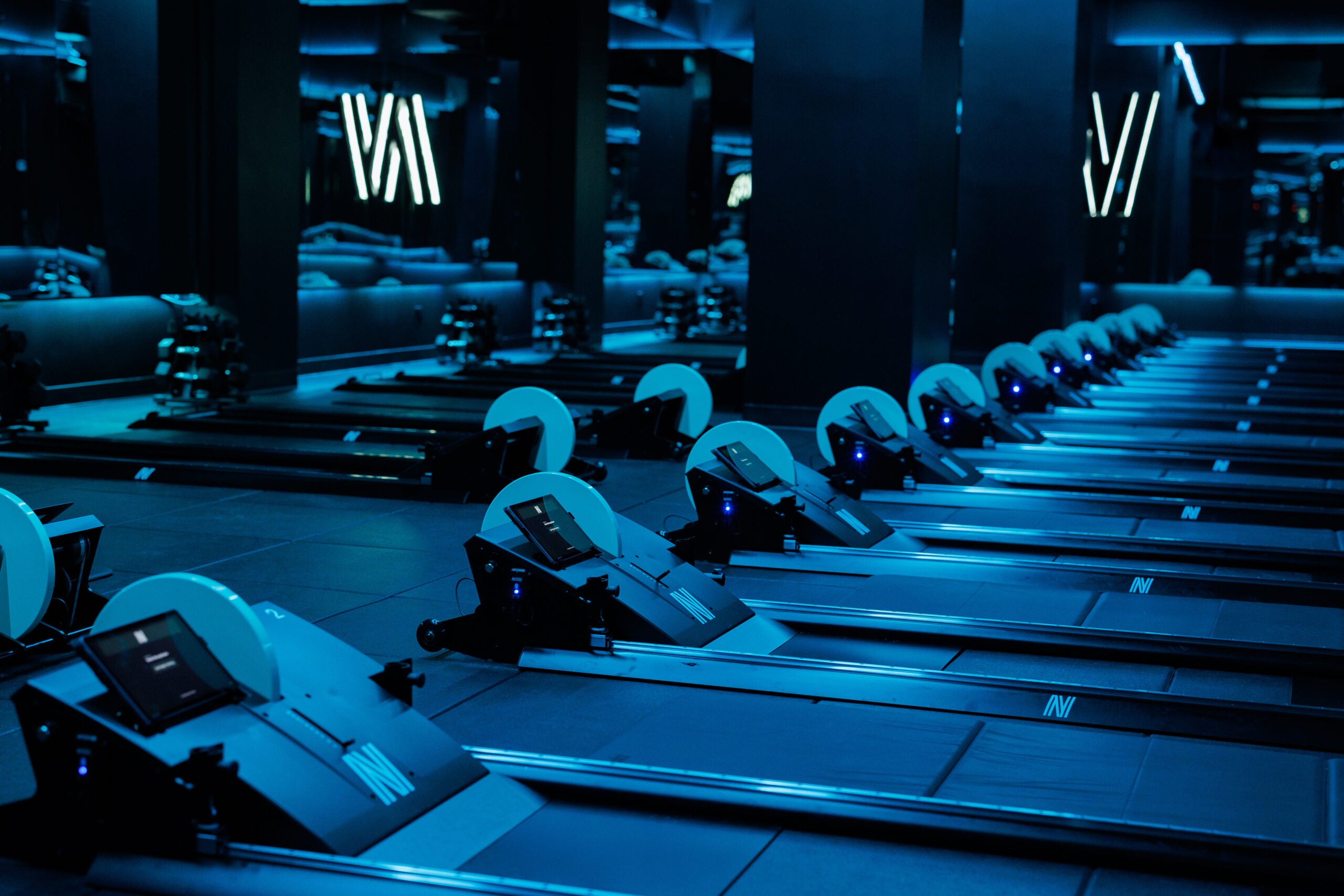
The engineering behind indoor ski simulation has evolved significantly over the past decade, shifting from rudimentary resistance cords to sophisticated, data-driven ergometers. The apparatus utilized by NRTHRN Strong—referred to as the NRTHRN Trainer—represents the latest iteration of this technological progression. Resembling a hybrid between a rowing ergometer and a sliding platform akin to a Pilates reformer, the machine features dedicated sockets for specialized ski poles that track user movement along a linear track.
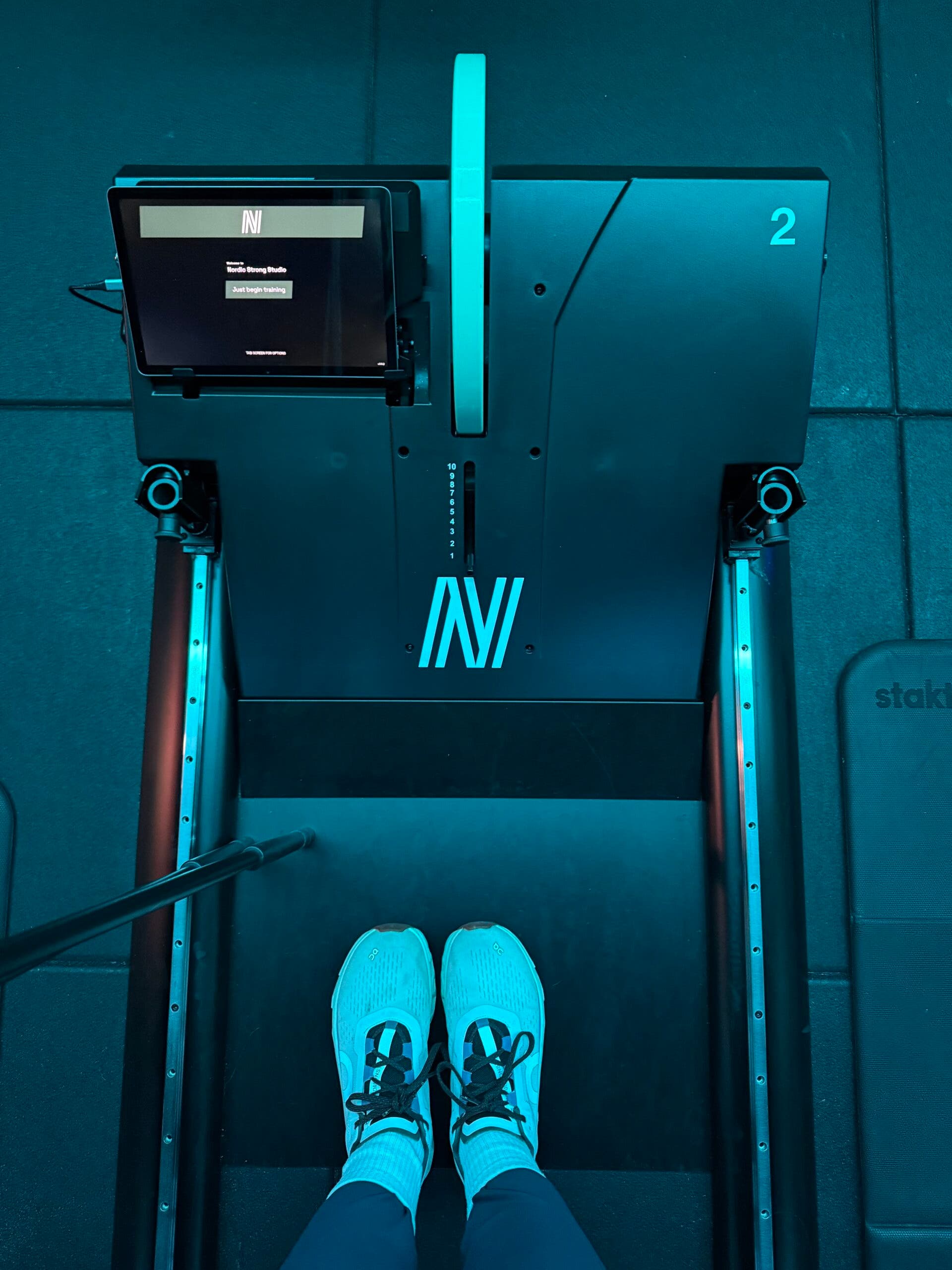
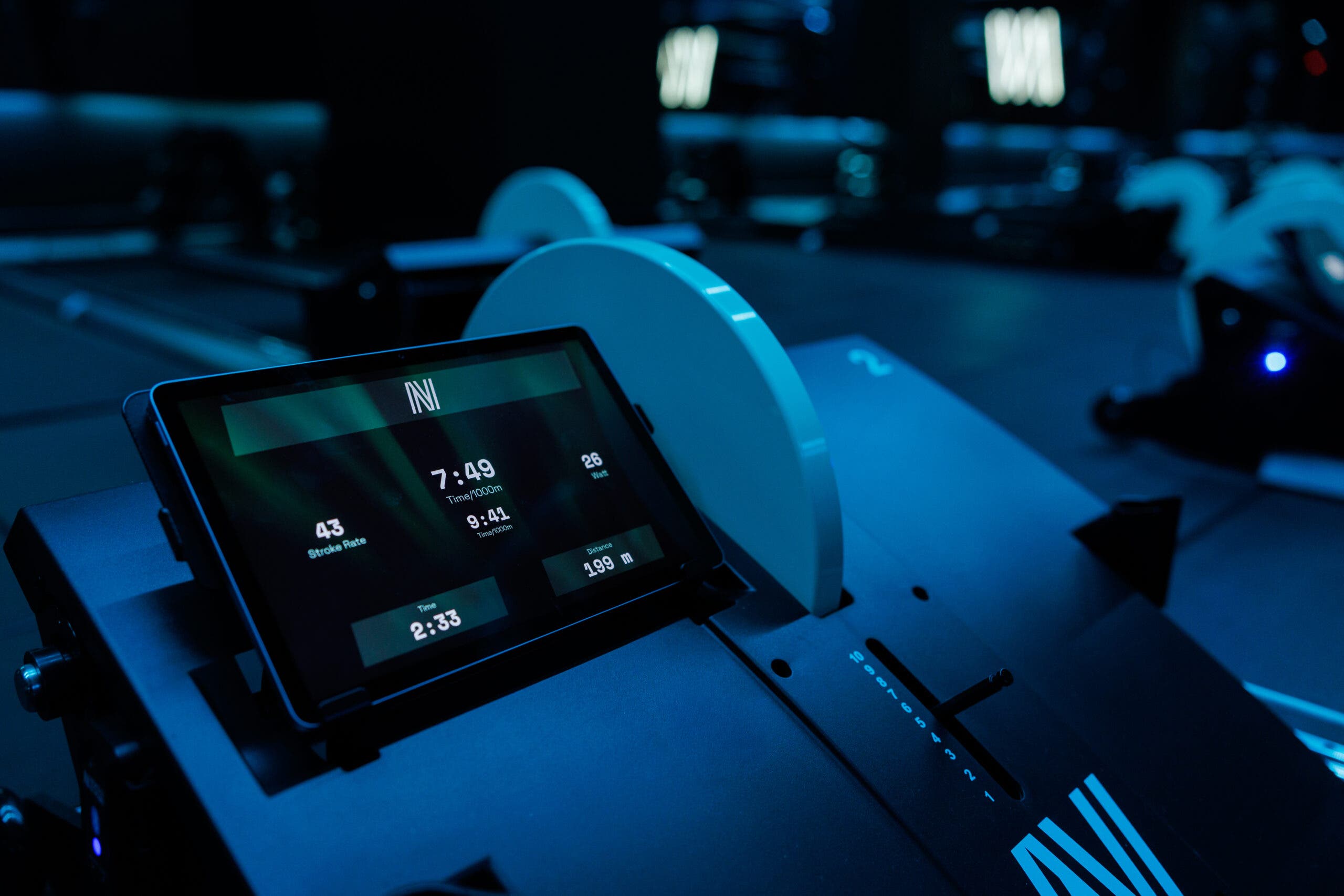
At the front of each unit, an integrated digital monitor provides real-time analytics, including stroke rate, elapsed time, calculated pace per 1,000 meters, and cumulative distance traveled. This data-transparent environment allows participants to self-regulate their intensity while enabling instructors to prescribe specific target metrics during high-intensity intervals. The equipment is designed to place the user in control of the resistance and velocity, ensuring that the mechanical load remains proportional to the user’s applied force rather than forcing predetermined mechanical cadences.
Chronology and Studio Integration in New York City
The introduction of the NRTHRN Strong concept to the North American market marked a strategic expansion for the Copenhagen-based brand, which aims to capitalize on the growing popularity of specialized, metrics-driven boutique fitness classes. Located in the densely populated Flatiron neighborhood—a noted hub for innovative fitness concepts in Manhattan—the studio opened its doors to the public following a pre-launch phase designed to refine class programming for urban consumers.
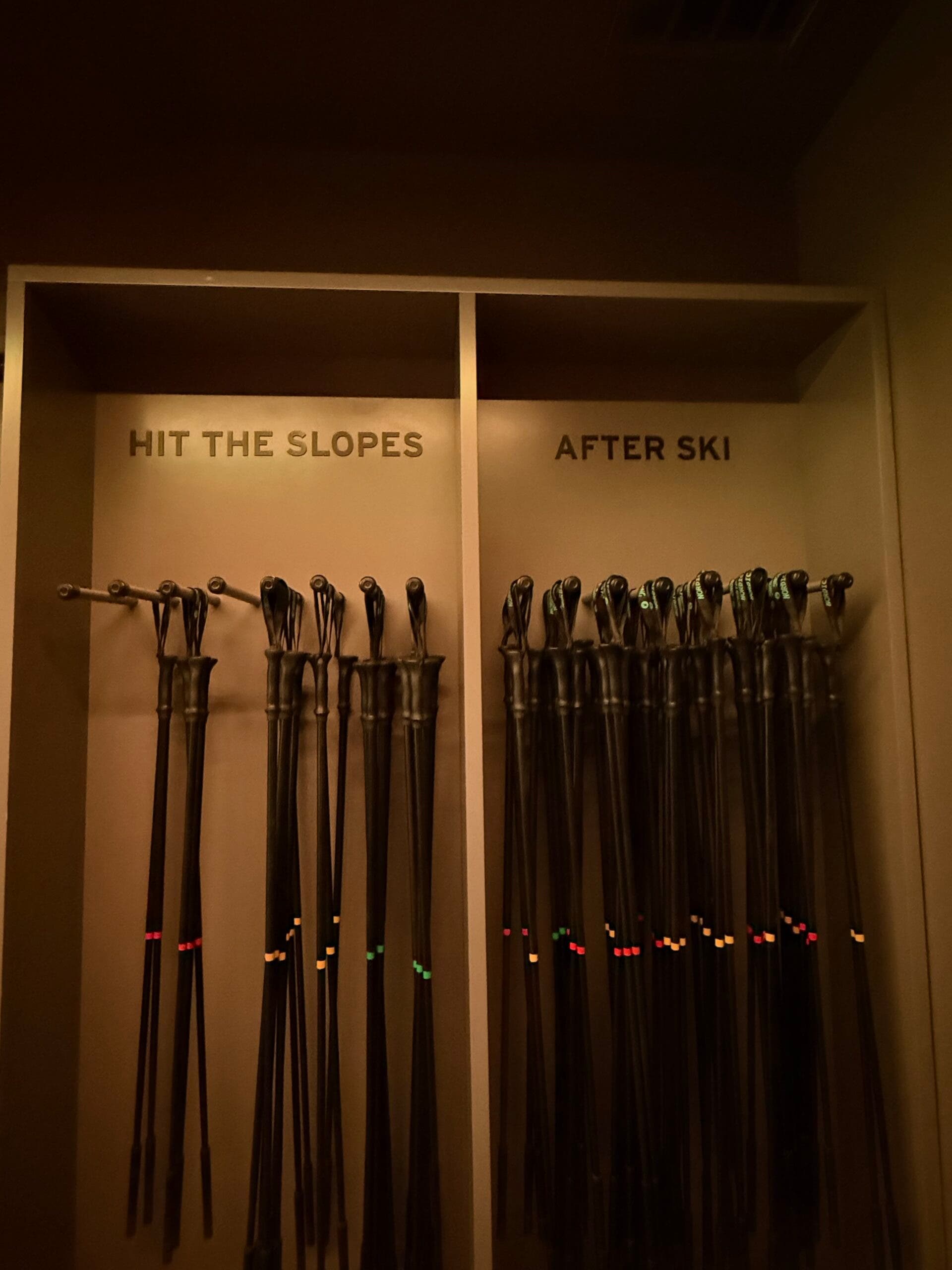
Upon arrival, participants are equipped with sized ski poles that mirror the weight, length, and feel of outdoor Nordic equipment. Prior to the commencement of the inaugural sessions, instructional staff conduct comprehensive onboarding tutorials. Because the apparatus is novel to the vast majority of urban clientele—with industry estimates suggesting that approximately one-third of initial attendees possess no prior cross-country skiing experience—the curriculum is structured to accommodate varying skill levels simultaneously.
The standard 50-minute class format employs a structured HIIT framework. Participants cycle through timed intervals divided between the NRTHRN Trainer and adjacent floor mats. A typical session incorporates approximately ten-minute blocks on the ski machine—focusing on explosive, plyometric movements that target distinct muscle groups—alternated with ten-minute sequences dedicated to lower-body strength and core stabilization exercises performed on mats. This rotation is repeated multiple times throughout the session, maximizing muscular time under tension and elevating heart rates within the opening minutes of the class.
Expert Analysis and Kinesiological Implications
From a kinesiological perspective, the integration of low-impact, high-effort sliding mechanics offers distinct advantages for both general fitness enthusiasts and populations with specific physical considerations. Industry professionals note that the smooth, gliding trajectory of the poles and carriage minimizes the concussive joint impact typically associated with high-intensity running or plyometric jumping on hard surfaces.
Experts in exercise science have observed that the movement patterns enforced by the NRTHRN Trainer promote functional joint mobility and core stability, making the workout viable for individuals with varying degrees of mobility or those recovering from certain orthopedic restrictions. By requiring users to maintain stabilization through the core while executing repetitive upper- and lower-body extension strokes, the workout engages stabilizing muscles that are frequently neglected in traditional stationary cycling or standard weight-training regimens.
Furthermore, the carryover value to outdoor winter sports has been noted by participants with backgrounds in alpine and Nordic skiing. Anecdotal feedback from early adopters indicates that preseason conditioning on ski-simulation apparatuses enhances functional strength, proprioception, and cardiovascular endurance, potentially easing the physical transition to natural snow environments when winter seasons commence.
Broader Industry Impact and Market Outlook
The establishment of NRTHRN Strong’s New York location reflects a broader commercial trend within the boutique fitness sector: the diversification of cardio modalities beyond traditional running, rowing, and cycling. As urban consumers continually seek novel ways to achieve functional fitness and metabolic conditioning, sports-specific simulators are gaining traction as viable alternatives to standard gym equipment.
Operating seven days a week with specialized programming tailored toward muscular strength, endurance, and sculpting, the studio occupies a unique niche within the Manhattan fitness market. While maintaining dual operations in Copenhagen and New York City, the brand’s performance metrics and consumer reception in the U.S. market will likely serve as a barometer for the broader commercial viability of sport-specific, simulation-based fitness concepts moving forward. As urban demographics continue to prioritize efficient, low-impact, and high-metric training environments, the adaptation of outdoor endurance sports into indoor studio formats points toward a sustained direction in the evolution of commercial health and wellness.

