
The crisp air of a winter morning on the slopes brings millions of enthusiasts to mountain resorts worldwide, but underneath the thrill of carving fresh powder lies a persistent physical hazard that haunts winter sports enthusiasts: the dreaded anterior cruciate ligament, or ACL, tear. While orthopedic medicine has advanced remarkably in its ability to surgically reconstruct damaged knees, healthcare professionals on the front lines are increasingly pivoting their focus away from the operating table and toward proactive injury prevention. Among those leading this charge is Dr. Greg Lichtman, a practicing orthopedic surgeon based in Auburn, California, near the Tahoe region, whose career has been defined by a singular, overarching mission: keeping skiers safe, stable, and completely out of surgical suites.
A Foundation Forged in Elite Athletics
Dr. Lichtman’s journey toward becoming a leading advocate for ski injury prevention began long before he established his California practice. During a formative gap year that separated him from traditional career tracks, Lichtman secured a prestigious placement at Vail’s renowned Steadman Philippon Research Institute. While many of his peers spent their time working basic hospitality jobs at ski resorts or teaching fundamentals to toddlers on beginner slopes, Lichtman immersed himself in advanced orthopedic research.
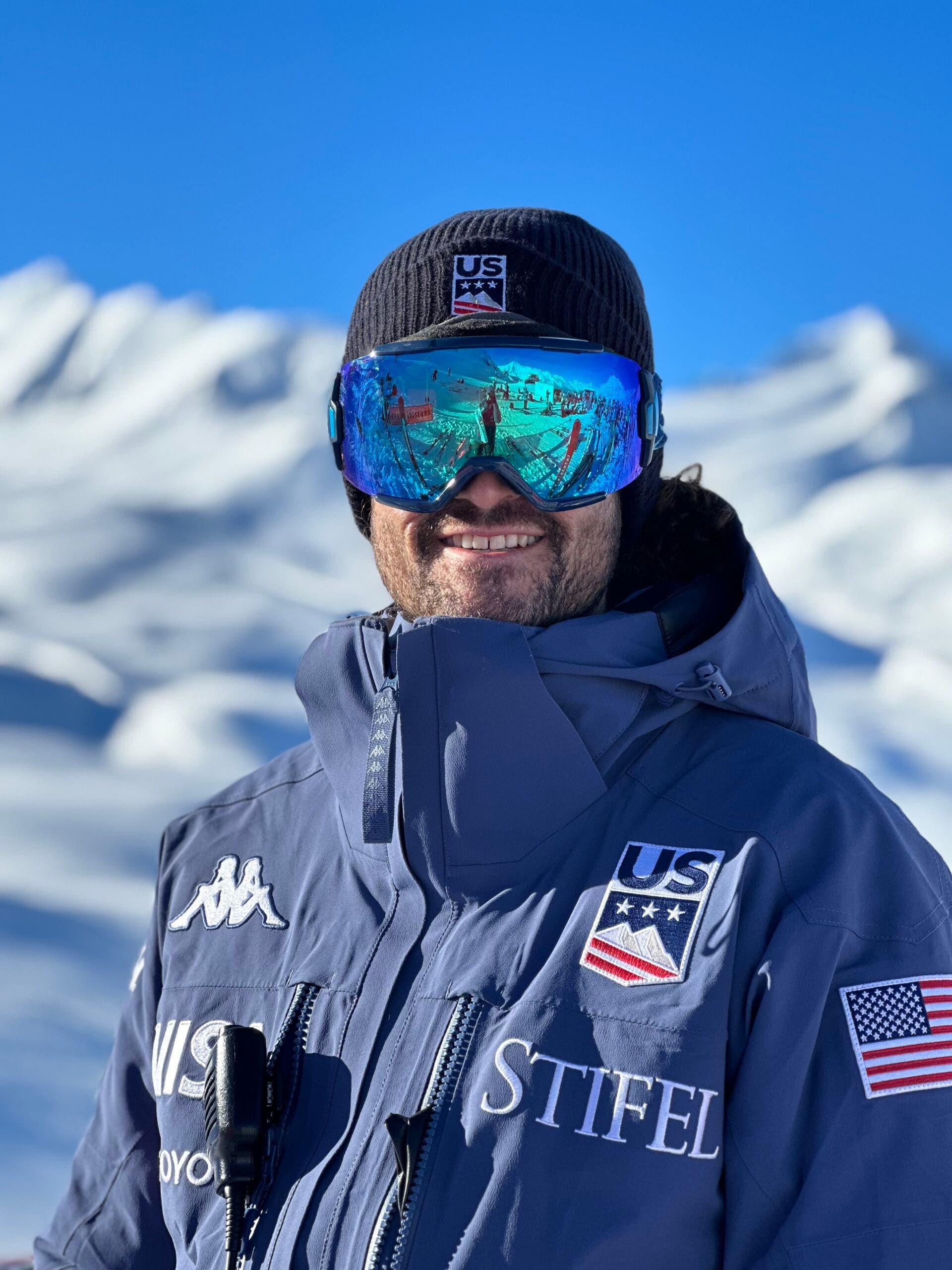
Working shoulder-to-shoulder with elite medical professionals, he treated members of the U.S. Ski Team who frequently required surgical intervention for high-velocity injuries. At the same time, he logged extensive days on the mountain, gaining firsthand insight into the intense physical demands placed on competitive athletes. This early exposure fundamentally shaped his professional outlook, cementing an acute awareness of how devastating and common ACL tears are within the ski community.
Following his time in Vail, Lichtman completed a specialized sports medicine fellowship at the University of Massachusetts. Drawing on his background as an avid East Coast skier, he began noticing a glaring discrepancy in sports medicine literature. While land-based team sports such as soccer, basketball, and American football boasted comprehensive, heavily researched injury prevention programs that yielded dramatic reductions in knee trauma, winter sports lacked equivalent, widely adopted protocols. Motivated by a deep personal passion for skiing and a professional desire to bridge this knowledge gap, Lichtman set out to understand the precise biomechanical triggers behind alpine injuries.
Today, Lichtman splits his professional focus between performing delicate reconstructive surgeries, guiding patients through grueling months of physical rehabilitation, and traveling internationally as a pool physician for the U.S. Women’s Ski Team. Accompanying the elite squad to legendary global venues such as Portillo in Chile, Val d’Isère in France, and upcoming competitions in Lillehammer, Norway, Lichtman describes his dual role as the ultimate convergence of work and play. Yet, despite his technical proficiency with surgical tools, he firmly adheres to the medical adage that an ounce of prevention is fundamentally worth a pound of cure.
Deconstructing the Mechanism of Injury
To effectively prevent knee trauma, Lichtman stresses that skiers must first understand the root physiological causes of an ACL tear. Contrary to popular belief, severe knee injuries rarely occur as a result of chaotic, high-impact collisions or dramatic high-speed cartwheels. Instead, they frequently happen within a fraction of a second, often before the skier even realizes they are falling.
According to Lichtman, the single most dangerous position for a skier is being caught in the "backseat"—a posture characterized by sitting back on the heels with hips and knees deeply flexed, causing the skier to lose central control over their equipment. When a skier tumbles into this compromised position, they risk encountering what medical professionals call the "slip-catch" mechanism.
This dangerous sequence unfolds within a microscopic window of roughly 60 milliseconds. It typically begins when the downhill ski briefly loses contact with the snow surface. As the ski re-engages, the leg straightens abruptly and undergoes sudden compression. This dynamic loading forces the lower leg, or tibia, into valgus deformation or internal rotation. It is this precise internal twisting motion of the lower leg that places catastrophic tension on the anterior cruciate ligament, ultimately causing it to tear.
Another frequent culprit in alpine injuries is the infamous "phantom foot" mechanism. This scenario typically plays out when an off-balance skier, already sliding backward in a seated posture with their weight shifted toward the mountain, attempts to stand up and salvage a fading turn. As the uphill ski unweights, the skier’s entire body weight thrusts onto the inside edge of the downhill ski. In this instance, the rigid plastic ski boot and ski itself act as a long lever arm, or a "phantom foot," generating immense rotational torque that twists the knee joint violently long before modern binding release mechanisms can engage to mitigate the force.
The Hidden Culprits: Fatigue, Visibility, and Terrain
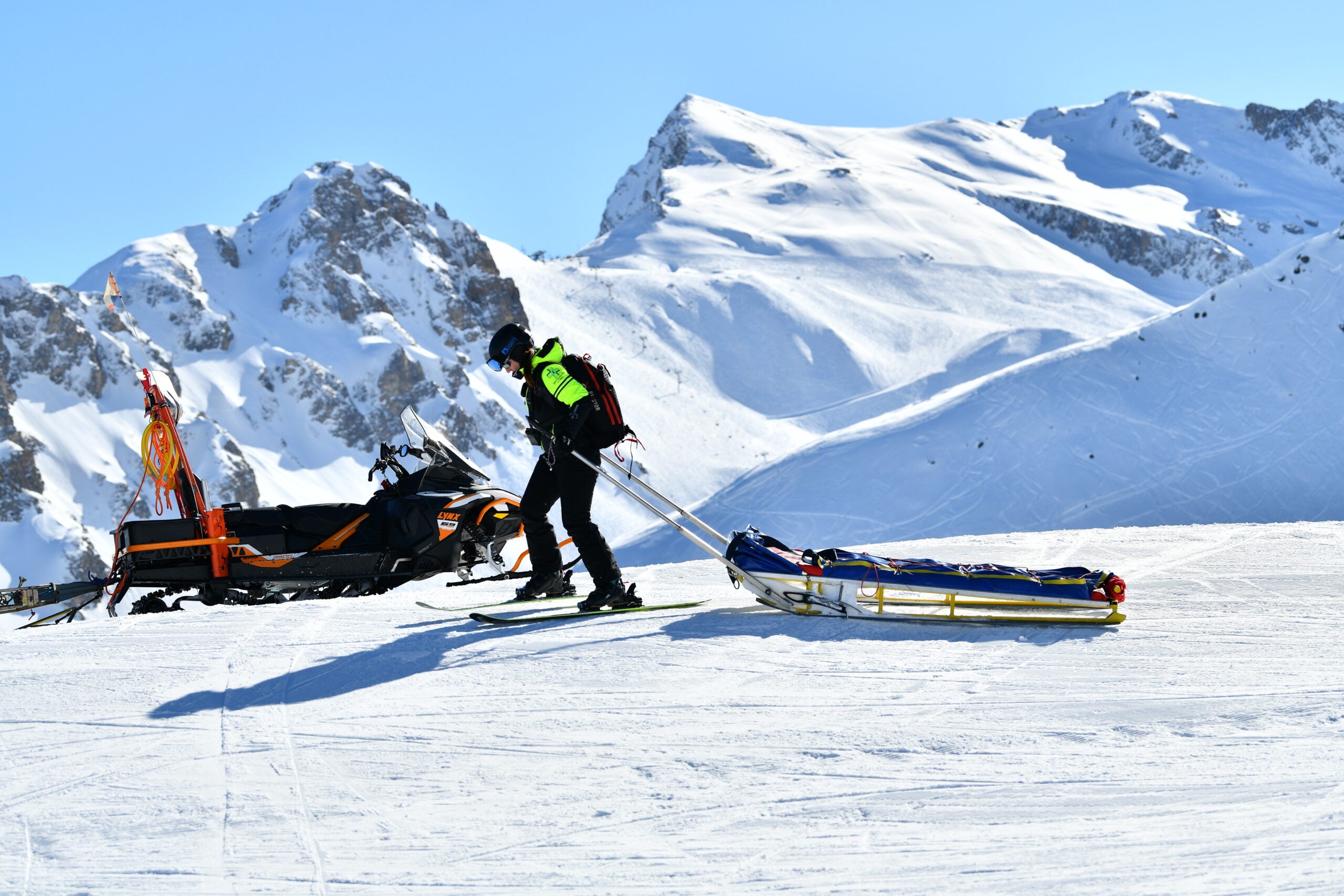
While understanding biomechanics is essential, Lichtman emphasizes that environmental and physiological factors play an equally critical role in determining who walks off the mountain and who requires evacuation on a sled. Among recreational skiers, fatigue is arguably the most insidious enemy.
Clinical data and seasonal observations consistently reveal massive spikes in orthopedic emergency room visits during peak holiday periods, particularly in December, when seasonal enthusiasts return to the snow with undertrained muscles. As the body tires over a long day of skiing, an athlete’s core stability deteriorates. This physical exhaustion inevitably pulls them out of an athletic stance and forces them back into the vulnerable backseat position. Recognizing the early warning signs of fatigue and voluntarily calling it a day before exhaustion sets in is one of the most effective safety measures a skier can adopt.
Environmental variables also heavily dictate injury rates. Flat-light conditions—where overcast skies obliterate shadows and erase surface contrast—are strongly correlated with a higher incidence of ACL tears. When skiers cannot accurately read the micro-terrain beneath them, they are significantly more prone to being thrown off balance by unexpected undulations. Similarly, hardpack, wind-scoured ice and variable, heavy snow conditions present distinct geographic hazards. East Coast skiers frequently encounter the icy slip-catch mechanism due to hard, slick surfaces that fail to properly engage ski edges, whereas skiers in California’s Sierra Nevada mountain range must navigate heavy, moisture-dense snow affectionately known as "Sierra Cement," which can easily grab a ski tip and abruptly alter trajectory.
Furthermore, excessive speed relative to individual skill level remains a major risk factor. Lichtman notes that many recreational skiers overestimate their technical proficiency, leading to dangerous scenarios such as launching off terrain park jumps without adequate air awareness and landing heavily in the backseat.
Bridging the Gap in Off-Season Conditioning
Given that the vast majority of severe knee ligament tears occur in milliseconds—long before traditional safety bindings can mechanically release—preventative physical conditioning must serve as the primary line of defense. While conventional wisdom often reduces pre-season ski preparation to a simple two-minute wall sit designed to burn the quadriceps, Lichtman argues that this approach is dangerously incomplete.
In land-based athletics, structured neuromuscular conditioning programs have successfully driven down ACL injury rates by 40 to 60 percent. Skiing, however, continues to lag behind in adopting standardized, universally validated dry-land protocols. Lichtman advocates for a comprehensive, full-body approach to off-season fitness that places heavy emphasis on core stability and hip mechanics.
Specifically, strengthening the oblique and abdominal core muscles allows skiers to maintain a stable center of gravity directly over their equipment, providing crucial stability when unexpected bumps or variable snow threaten to knock them off balance. Additionally, targeting the gluteus medius—the muscle responsible for lateral leg raises—is instrumental in keeping the knees properly aligned over the toes, preventing the inward collapse that stresses the ACL. Despite the clear biomechanical benefits of these targeted exercises, even high-level competitive athletes frequently overlook these foundational muscle groups in favor of heavy, linear weightlifting.
Re-Evaluating Gear and Future Innovations
Beyond physical conditioning and environmental awareness, skiers must also approach their equipment with a critical eye. A common misconception among recreational winter athletes is that simply having ski bindings professionally adjusted guarantees safety. While recreational skiers must ensure their DIN settings—the release tension metric determined by age, height, weight, and skiing ability—are accurately calibrated rather than arbitrarily cranked up to professional levels like elite racers such as Breezy Johnson, hardware alone cannot prevent every injury.
Modern high-end gear, such as Look bindings featuring multidirectional release mechanisms, offers advanced safety features, but no current ski setup provides absolute immunity against rotational forces. Looking toward the future of winter sports safety, Lichtman highlights a critical frontier for biomechanical research: the development of next-generation bindings equipped with advanced sensors capable of detecting and reacting to internal leg rotation in real time.
Until technological breakthroughs catch up with the high demands of the sport, the burden of prevention rests squarely on education, mindfulness, and preparation. By respecting personal physical limits, recognizing the subtle onset of fatigue, investing time in comprehensive core-focused off-season training, and maintaining an active awareness of snow conditions and visibility, skiers can drastically reduce their risk of catastrophic injury. For Dr. Greg Lichtman and orthopedic surgeons across snowy mountain ranges worldwide, the ultimate professional victory is not performing a flawless knee reconstruction, but rather ensuring that the mountains remain a place of exhilaration, adventure, and lifelong health.

