
The annual transition from the off-season to the first snowfall represents a critical window for winter sports enthusiasts to transition their physical conditioning from general fitness to sport-specific readiness. While skiing is often perceived as a gravity-assisted activity, the biomechanical demands of navigating variable terrain, high-velocity turns, and sustained descents require a specialized form of fitness known as power endurance. According to industry experts and elite conditioning coaches, the ability to maintain explosive muscular output over extended durations is the primary differentiator between high-performance skiing and fatigue-induced performance degradation. As the 2025-2026 ski season approaches, the emphasis on pre-season conditioning has shifted from traditional heavy lifting toward integrated circuits that prioritize stability, core recruitment, and metabolic conditioning.
The Scientific Foundation of Power Endurance in Alpine Sports
Power endurance, often referred to in physiological terms as anaerobic endurance, is the capacity of the neuromuscular system to produce high levels of force repeatedly under conditions of metabolic fatigue. In the context of alpine skiing, a typical descent may last anywhere from two to ten minutes, requiring the legs and core to absorb hundreds of pounds of pressure with every turn. Unlike pure strength training, which focuses on maximum force production in a single effort, or traditional cardio, which focuses on low-intensity sustained effort, power endurance bridges the gap by training the body to clear lactic acid while maintaining the explosive power necessary for carving and mogul navigation.
Coach Chris Miller, a veteran trainer of world-class ski racers, emphasizes that true ski fitness is not merely about the size of the quadriceps but the efficiency of the entire kinetic chain. "Preparing your body for the unique demands of skiing means focusing on specific, targeted movements that build not only muscle but endurance under fatigue," Miller notes. This approach is essential because skiing involves a high degree of eccentric loading—the lengthening of muscles under tension—which is the primary cause of muscle soreness and fatigue on the slopes. Without a foundation of power endurance, a skier’s technique typically begins to fail as the day progresses, leading to a "backseat" posture that places excessive strain on the anterior cruciate ligament (ACL) and other critical joints.
Historical Context and the Evolution of Ski Conditioning
The necessity for specialized training has evolved alongside advancements in ski technology. The introduction of "shaped" or "parabolic" skis in the late 1990s revolutionized the sport by allowing skiers to engage the edges of their skis more easily to create carved turns. However, this advancement also increased the centrifugal forces acting on the skier’s body. Modern carving requires a higher degree of lateral stability and core strength than the traditional "straight ski" techniques of the past.
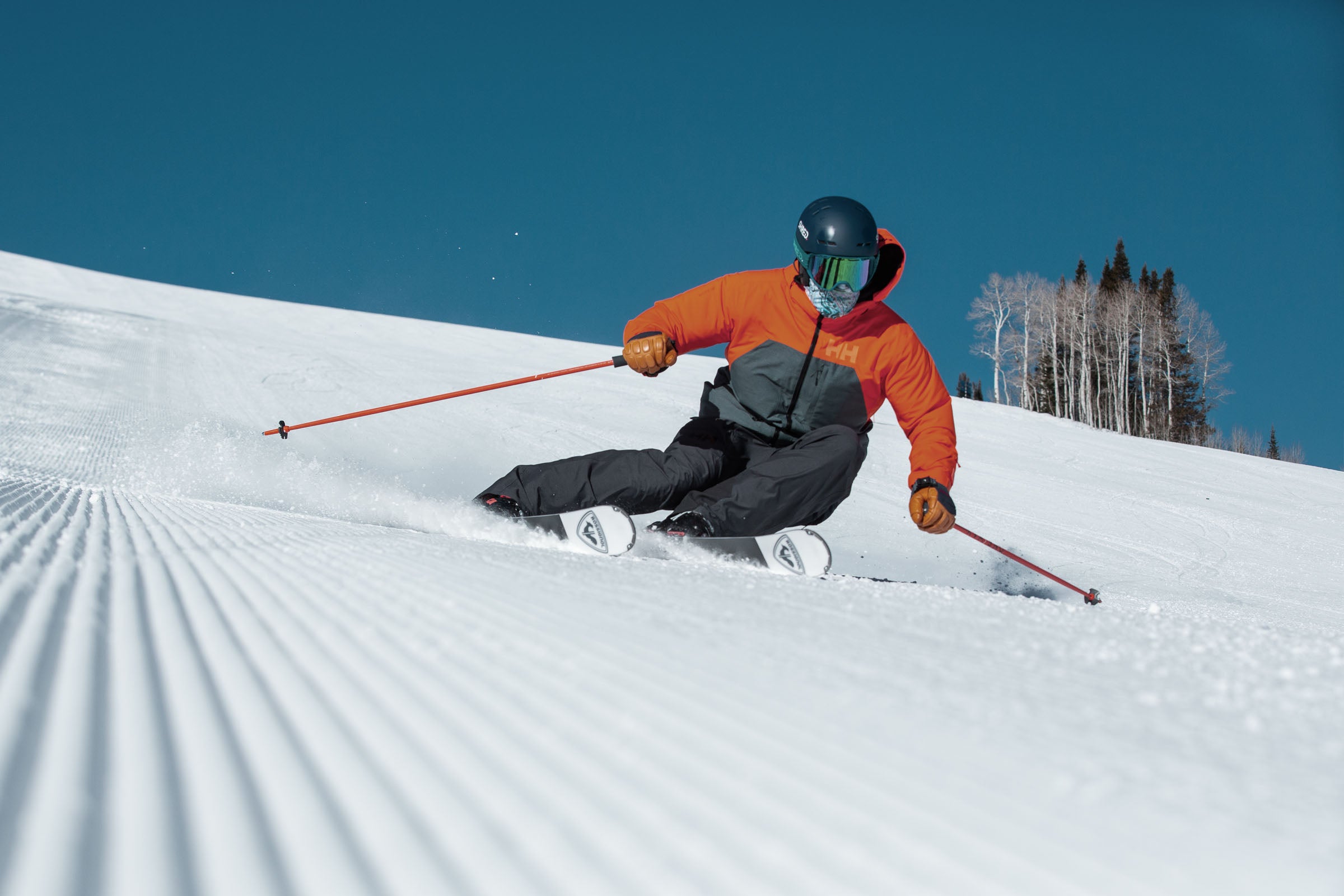
The annual SKI Test, a benchmark event for the industry, serves as a recurring reminder of these physical demands. During these tests, athletes and reviewers spend consecutive days pushing the latest equipment to its limits on "pristine corduroy" and technical terrain. These high-intensity environments have historically highlighted the gap between general gym fitness and "mountain legs." Observations from these tests have driven the development of workout programs that simulate the rhythmic, explosive, and stabilizing requirements of high-speed descent.
Detailed Chronology of a Pre-Season Training Block
For a skier to achieve peak performance by mid-winter, a structured 8-to-12-week training block is generally recommended. The timeline typically follows a progression from hypertrophy and general strength to power and, finally, power endurance.
- Weeks 1-4: General Strength and Mobility. Focus on foundational movements like squats, deadlifts, and lunges to build a base of muscle mass and joint integrity.
- Weeks 5-8: Power and Explosiveness. Integration of plyometrics, such as box jumps and broad jumps, to improve the rate of force development.
- Weeks 9-12: Power Endurance and Sport-Specific Circuits. This final phase utilizes high-repetition explosive movements with minimal rest, simulating the duration and intensity of a full ski run.
The workout recently popularized by Chris Miller is designed to be implemented during this final, crucial phase. It focuses on three distinct pillars: the Quadruped Series for mobility and activation, the Leg Circuit for explosive power, and the Trunk Circuit for "anti-movement" stability.
Technical Breakdown of the Power Endurance Circuit
The prescribed workout utilizes minimal equipment—specifically sandbags and floor mats—making it accessible for "weekend warriors" and competitive athletes alike.
Phase I: The Quadruped Series and Dynamic Warm-up
The workout begins with a Quadruped Series, which targets the deep stabilizing muscles of the spine and hips. By performing movements on all fours, the athlete engages the "cross-body" neurological pathways essential for balance. This is followed by a Lunge Series and a Dynamic Series, designed to increase the heart rate and lubricate the joints through a full range of motion. Unlike static stretching, these dynamic movements prepare the nervous system for the high-velocity demands of the subsequent circuits.

Phase II: The Leg Power Circuit (Sandbag Series)
The core of the power endurance training lies in the Leg Circuit. This involves four sets of explosive movements with no rest between exercises. A standout component is the "Skater Hop," a lateral plyometric movement that mimics the side-to-side weight transfer of a carved turn. By incorporating sandbags, trainers introduce an element of "live weight"—shifting loads that force the stabilizer muscles to react in real-time, much like navigating unpredictable snow conditions. The 45-second rest interval between sets is intentionally short, forcing the body to adapt to performing while partially fatigued.
Phase III: The Trunk and Anti-Movement Circuit
The final phase focuses on the "Trunk," or the core. In skiing, the core’s primary job is not to move the body, but to resist unwanted movement. This is known as "anti-movement" training. Exercises like the "Dead Bug" and various plank iterations train the athlete to keep their upper body quiet and stable while their legs are working independently below them. This separation is the hallmark of advanced skiing technique.
Data Analysis: The Correlation Between Fatigue and Injury
The push for better power endurance is supported by sobering statistics regarding alpine injuries. According to data from the National Ski Areas Association (NSAA) and various sports medicine studies, a significant percentage of non-collision injuries occur after 2:00 PM. This "afternoon spike" is attributed to muscular fatigue. When the primary movers—the quadriceps and glutes—become exhausted, the body loses its ability to absorb shock. This energy is then transferred directly to the ligaments of the knee.
Furthermore, studies on ACL injury prevention suggest that neuromuscular training (NMT), which includes the balance and plyometric components found in Miller’s power endurance circuit, can reduce the risk of lower-extremity injuries by up to 50% in alpine athletes. By training the body to maintain "active" stability even when tired, skiers can significantly lower their risk of a season-ending injury.
Broader Implications for the Winter Sports Industry
The shift toward comprehensive pre-season conditioning has broader implications for the ski industry and mountain communities. High injury rates not only impact individual health but also place a strain on mountain rescue services and local healthcare infrastructure. From an economic perspective, a fitter skiing population translates to more "bell-to-bell" days and increased multi-day pass utilization, benefiting resort operators.

Furthermore, the rise of "easy-to-follow" digital training content has democratized elite-level coaching. Previously, specialized power endurance programs were the domain of Olympic-level training centers. Today, through video tutorials and structured digital workouts, the average enthusiast can access the same methodologies used by professionals. This "professionalization" of the amateur skier is expected to lead to a higher overall standard of safety and performance on public slopes.
Expert Analysis and Final Outlook
The integration of power endurance training represents a maturation of the sport. Skiing is no longer viewed merely as a recreational pastime but as an athletic pursuit that requires a deliberate physical foundation. As Chris Miller’s training philosophy suggests, the goal is to make the mountain experience "smoother, stronger, and more fun."
As the winter season commences, the success of these training programs will be measured not just in the speed of the descent, but in the longevity of the season. For the skier who has dedicated the autumn months to jump squats, sandbag lunges, and trunk stability, the rewards are found in the ability to tackle the final run of the day with the same precision and power as the first. In the high-stakes environment of alpine sports, where terrain and weather are unpredictable, physical preparation remains the only variable within the athlete’s absolute control.

