
As autumn transitions into the cooler months preceding the winter solstice, winter sports enthusiasts and competitive athletes alike turn their focus toward physical preparation for the upcoming alpine ski season. While the temptation to rely entirely on winter operations to regain fitness remains prevalent among recreational visitors, sports medicine research increasingly emphasizes the critical necessity of structured preseason conditioning. Neglecting preparatory training often leads to early-season fatigue, decreased performance efficiency, and a substantially elevated risk of acute musculoskeletal trauma.
The Physiology of Skiing and the Imperative for Preseason Conditioning
Alpine skiing places unique and demanding physiological loads on the human body, requiring a complex integration of eccentric and concentric muscular contractions, high-level cardiovascular endurance, dynamic core stability, and precise neuromuscular control. Unlike linear sports such as running or cycling, alpine skiing forces the lower extremities to absorb high-frequency impacts, rapidly shift edge angles, and resist significant gravitational and centrifugal forces while navigating variable snow conditions and steep descents.
Without adequate preparation, the quadriceps, gluteus muscles, and core stabilizers fatigue rapidly under these demands. This fatigue compromises joint integrity, particularly at the knee, where the anterior cruciate ligament (ACL) is especially vulnerable. According to long-term data tracked by sports medicine organizations, including studies on alpine ski students conducted in Sweden, targeted preseason neuromuscular training programs can reduce the incidence of ACL injuries by nearly half over a two-season monitoring period. These findings underscore the transition of preseason training from a supplementary fitness measure to an essential injury-prevention protocol.
Evolving Demographics and Long-Term Athletic Longevity
The demographic profile of alpine skiers has evolved significantly over the past two decades. A growing segment of the skiing population consists of middle-aged and older adults—individuals in their 40s, 50s, 60s, and beyond who remain committed to high-output alpine pursuits. For these athletes, maintaining joint health, preserving muscle mass, and sustaining aerobic capacity are paramount.
Medical professionals and physical therapists stress that age-related physiological shifts necessitate a more deliberate approach to off-season fitness. Conditioning regimens designed for mature skiers focus not only on raw power generation but also on proprioception, joint mobility, and neuromuscular responsiveness. By establishing a robust fitness foundation in the autumn, athletes of all age brackets can mitigate the physiological shocks of the first winter storms, ensuring sustained participation well into later decades.
Outdoor Alpine Preparation: Hiking and Mountain Biking
To bridge the gap between summer and winter, sports scientists and veteran coaches advocate for outdoor activities that closely replicate the biomechanical and cardiovascular demands of skiing. Among these, alpine hiking and mountain biking serve as premier conditioning modalities.
Hiking up ski resort terrain or steep mountain trails forces the cardiovascular system to adapt to significant elevation gains while challenging the lower body through sustained climbs and descents. The eccentric loading experienced when descending steep grades strengthens the quadriceps and calves, directly mirroring the muscle activation patterns utilized during long ski runs. Incorporating weighted packs or vests further simulates the load of backcountry equipment, increasing metabolic expenditure and core engagement.
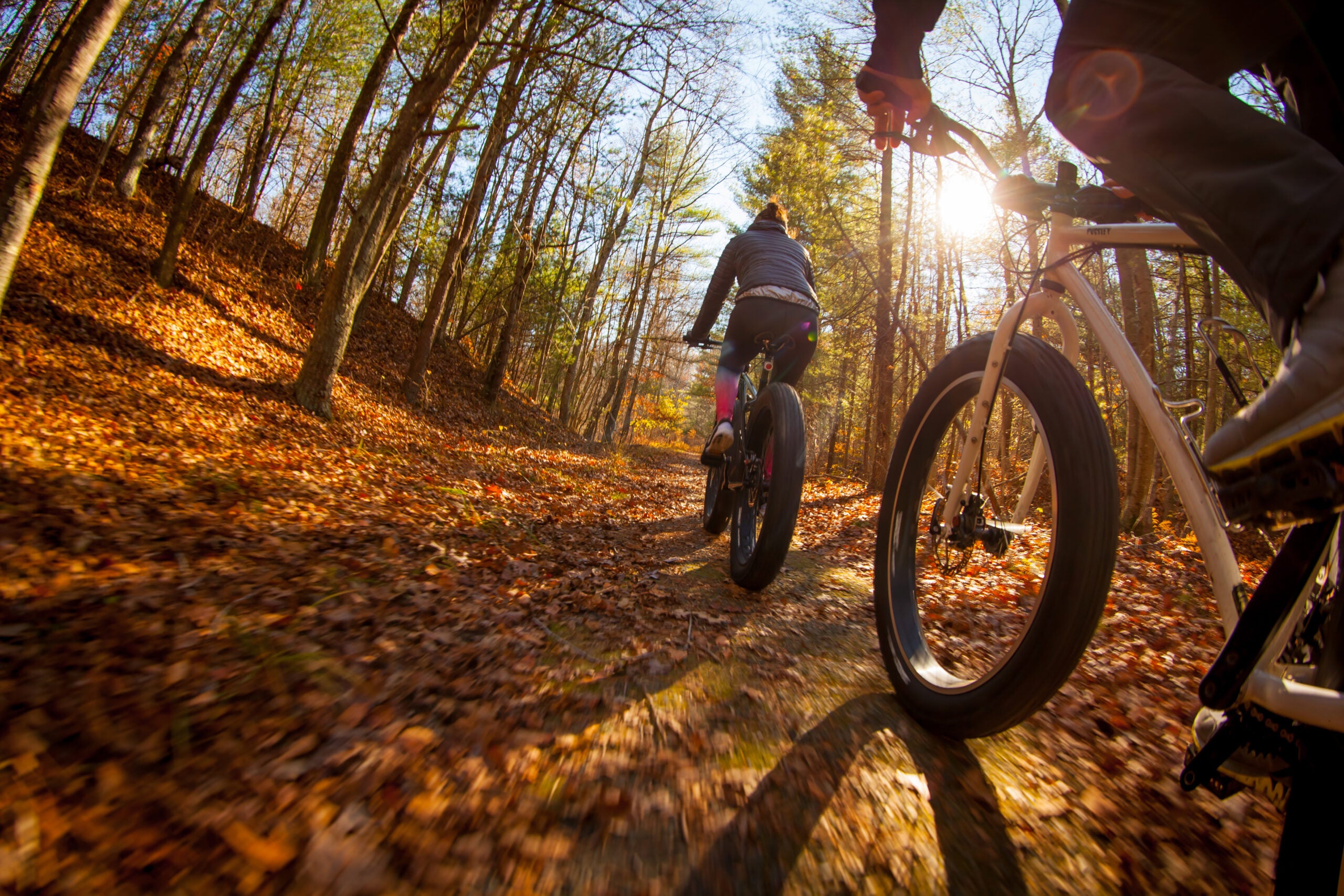
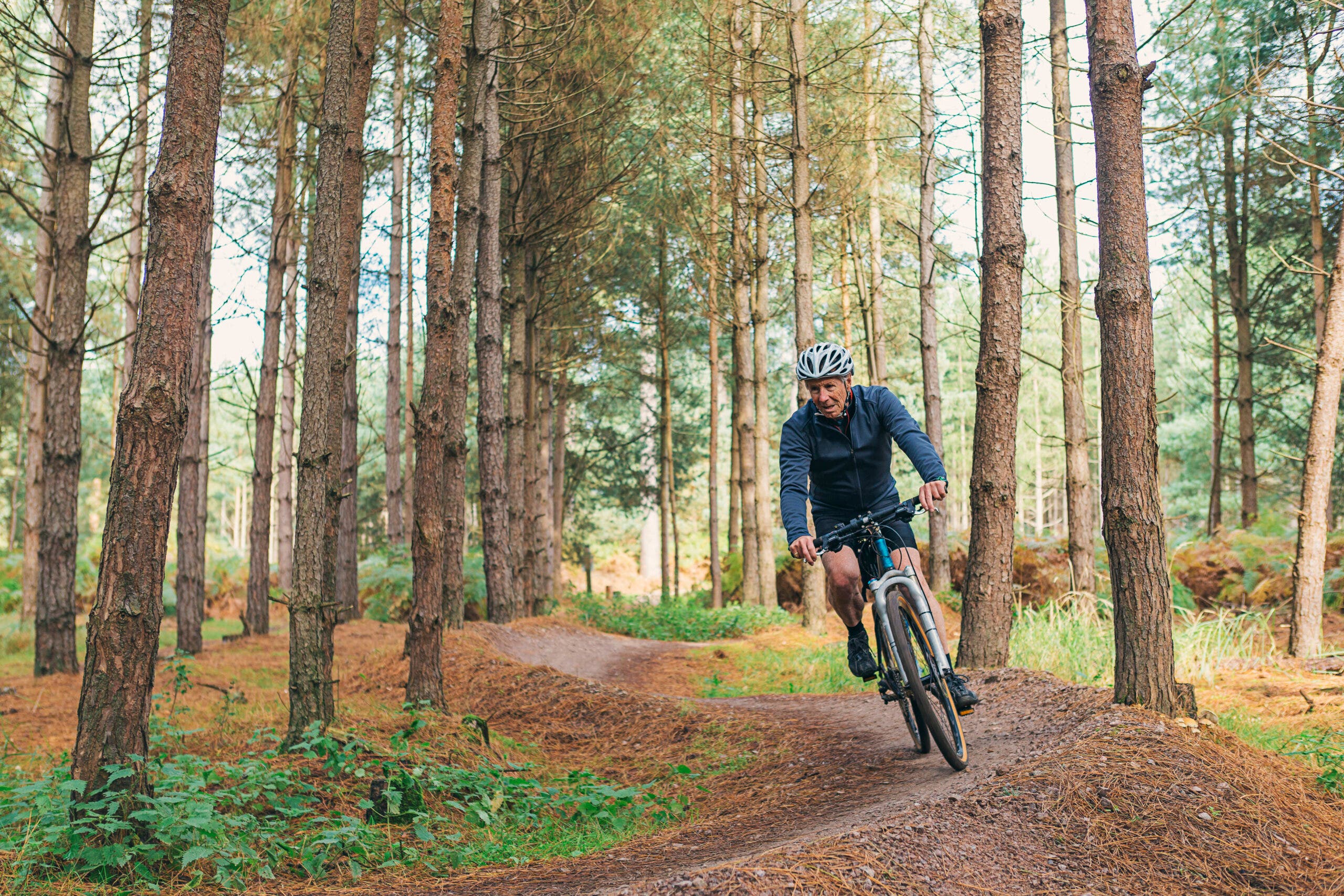
Similarly, mountain biking offers substantial cross-training benefits for alpine athletes. Navigating technical singletrack requires continuous micro-adjustments, dynamic balance, and precise line choice—skills that translate directly to edge control and terrain reading on snow. The constant shifting of body weight and the activation of core musculature during off-road cycling help develop the upper-lower body separation essential for modern carving techniques.
Advanced Vertical Training: Via Ferratas and Altitude Exposure
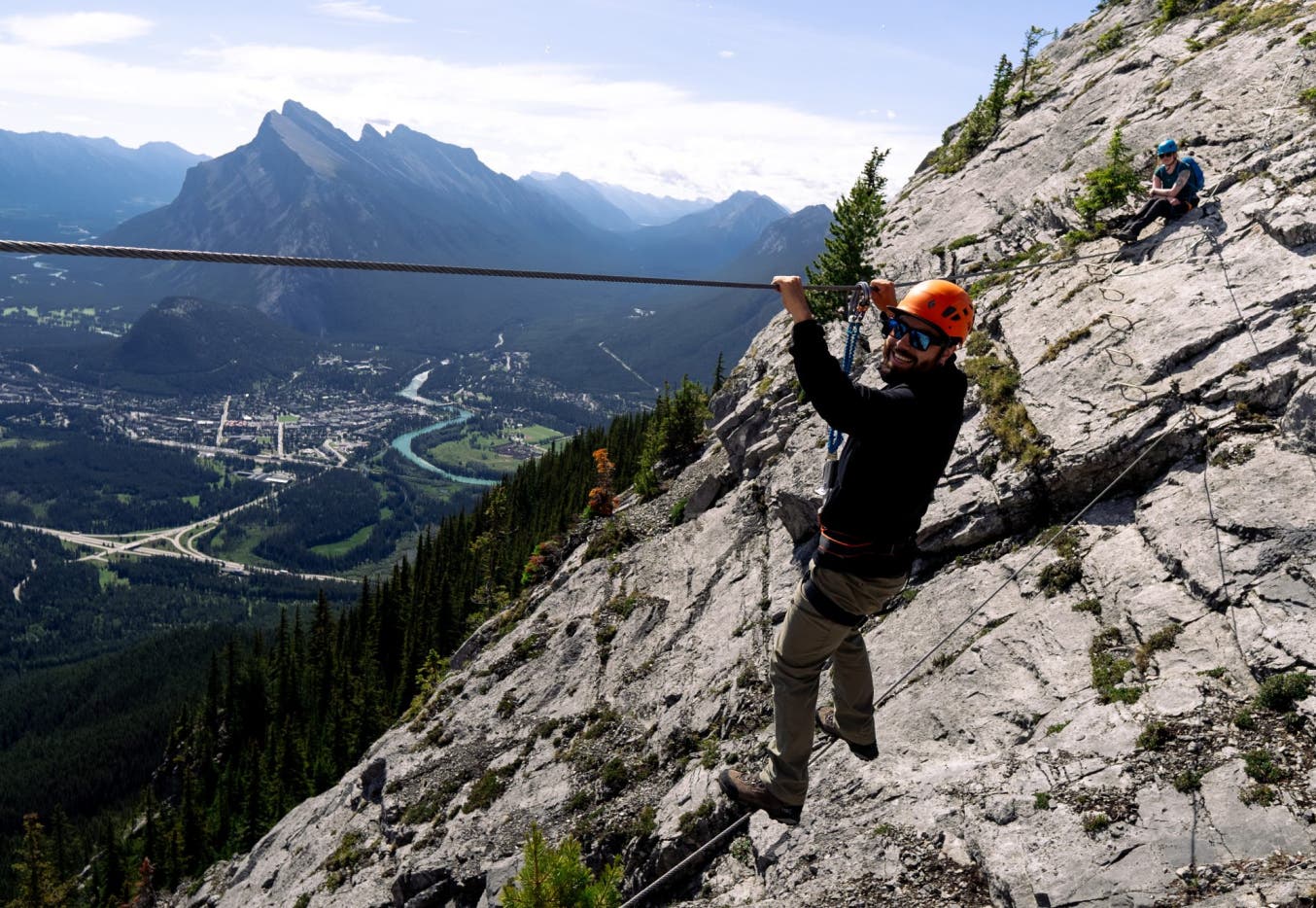
For athletes seeking high-consequence environments to test endurance and mental focus, via ferratas—protected climbing routes equipped with steel cables, ladders, and iron rungs—have gained traction as sophisticated cross-training tools. Originating in the European Alps and increasingly established across North America, these routes combine elements of rock climbing, scrambling, and endurance hiking. Navigating a via ferrata requires continuous upper-body endurance, grip strength, core stability, and acute spatial awareness, all of which contribute to a comprehensive physical profile suited for demanding alpine conditions.
Concurrently, cardiovascular training conducted at high altitudes accelerates physiological adaptations beneficial to winter performance. Exercising in oxygen-reduced environments stimulates erythropoiesis (the production of red blood cells), enhances oxygen delivery systems, and forces the heart and lungs to operate with greater efficiency. Athletes who integrate high-altitude trail running or power-hiking into their autumn schedules often report a smoother transition when facing the thin air and physical exertions of high-elevation ski resorts.
Technological Innovations in Indoor Ski Simulation
While outdoor terrain remains the gold standard for conditioning, geographic constraints often limit access to mountains and trails for urban populations. In response, the sports technology sector has invested heavily in indoor training facilities and advanced ski simulators designed to replicate alpine mechanics year-round.
Modern indoor centers utilize continuous revolving slopes—often referred to as infinite slopes—and interactive simulator platforms that allow skiers to practice carving, weight shifting, and edge engagement under controlled conditions. These facilities enable high-volume repetitions of specific technical movements without the variables of weather, visibility, or lift lines. Furthermore, sports biomechanists note that indoor training environments provide an optimal setting for video analysis, allowing coaches and athletes to correct postural imbalances, hip angulation, and edge pressure distribution before stepping onto snow.
Broader Economic and Public Health Implications
The systematic adoption of preseason conditioning protocols carries implications that extend beyond individual athletic performance. The winter tourism industry, which generates billions of dollars annually and supports thousands of mountain communities, relies heavily on participant safety and operational continuity. High rates of severe early-season injuries place a measurable strain on regional healthcare infrastructure, emergency response teams, and orthopedic medical centers located in mountain resort corridors.
By encouraging comprehensive autumn preparation through public health campaigns, ski resorts, and athletic associations, the industry aims to reduce the incidence of catastrophic joint injuries and emergency evacuations. Ultimately, a well-conditioned skiing population ensures lower healthcare utilization costs, minimized downtime for participants, and a more sustainable, vibrant ecosystem for winter sports globally.

