
If your outdoor pursuits this summer have felt increasingly arduous, the data suggests your experience is not an anomaly. Heat waves are no longer mere seasonal fluctuations; they are becoming more frequent, more persistent, and significantly more intense, reaching regions previously insulated from such extreme thermal events. To parse the meteorological mechanisms driving these shifts, we consulted Will Stikeleather, a Boston-based atmospheric scientist and member of the POW Science Alliance, whose expertise bridges the gap between jet stream analysis and the practical realities of a changing climate.
Defining the Phenomenon of the Heat Wave
While the National Oceanic and Atmospheric Administration (NOAA) formally classifies a heat wave as two or more consecutive days of abnormally high temperatures, meteorologists often view this definition as an oversimplification. Stikeleather notes that the true impact of these events is frequently obscured by an overly narrow focus on peak thermometer readings. "The technical definition is intentionally broad because the manifestation of heat varies, but focusing solely on temperature fails to capture the physiological hazard," Stikeleather explains. "Humidity is a critical, often overlooked factor that exponentially increases heat stress on the human body."
At the core of these events are large-scale, upper-atmosphere high-pressure systems known as "heat domes." These systems function as atmospheric traps, forcing air downward, where it compresses and warms. As the air sinks, it creates a localized cycle of heat intensification. Because these domes rotate air counterclockwise, they often act as pumps, drawing in warm, moisture-laden air from lower latitudes—a process that exacerbates the "feels like" temperature through increased humidity.

The Atmospheric Traffic Jam
When these heat domes stall, the consequences can be catastrophic. Stikeleather points to "blocking patterns"—atmospheric "traffic jams" where the jet stream becomes stagnant, preventing weather systems from moving eastward as they typically would. A primary example of this was the 2021 Pacific Northwest heat wave, which saw temperatures in British Columbia and Washington State soar past 115°F. Such events are increasingly attributed to a phenomenon known as Arctic Amplification. As the poles warm significantly faster than the rest of the planet, the temperature gradient between the Arctic and the mid-latitudes diminishes. This weakening of the gradient leads to a "wavier" jet stream, which is more prone to stalling and holding high-pressure systems in place for weeks at a time.
A Historical Perspective on Escalating Trends
The upward trajectory of global temperatures provides the baseline for this new climate reality. Since 1895, the contiguous United States has experienced a warming trend of approximately 2°F. While this figure may appear modest, it represents a profound shift in the probability distribution of extreme weather. NOAA research indicates that the frequency of heat waves in the United States has nearly tripled since the 1960s. Perhaps more concerning is the expansion of the heat wave season; the window between the first and last heat wave of the year has widened from approximately 25 days to 70 days, effectively pushing extreme heat events into the margins of the spring and autumn months.
The Sixth Assessment Report from the Intergovernmental Panel on Climate Change (IPCC6) reinforces this trend, labeling the link between human-induced climate change and the frequency and severity of heat extremes as "virtually certain." The 2021 Western Canada event, once considered a "one-in-a-thousand-year" anomaly, was estimated to be 2°C hotter specifically due to the influence of human-caused warming.
Regional Vulnerability and the Urban Heat Island Effect
Geography plays a definitive role in how heat waves are experienced. The East Coast of the United States, for instance, faces a dual threat: rising sea surface temperatures are fueling increased evaporation, which in turn elevates humidity levels across the region. This trend is mirrored in Europe, where Wet Bulb Global Temperature (WBGT) records—a standard for measuring heat stress on humans—were shattered in June 2026. Data shows that 45% of Western European urban areas recorded record-high WBGT levels during that period.
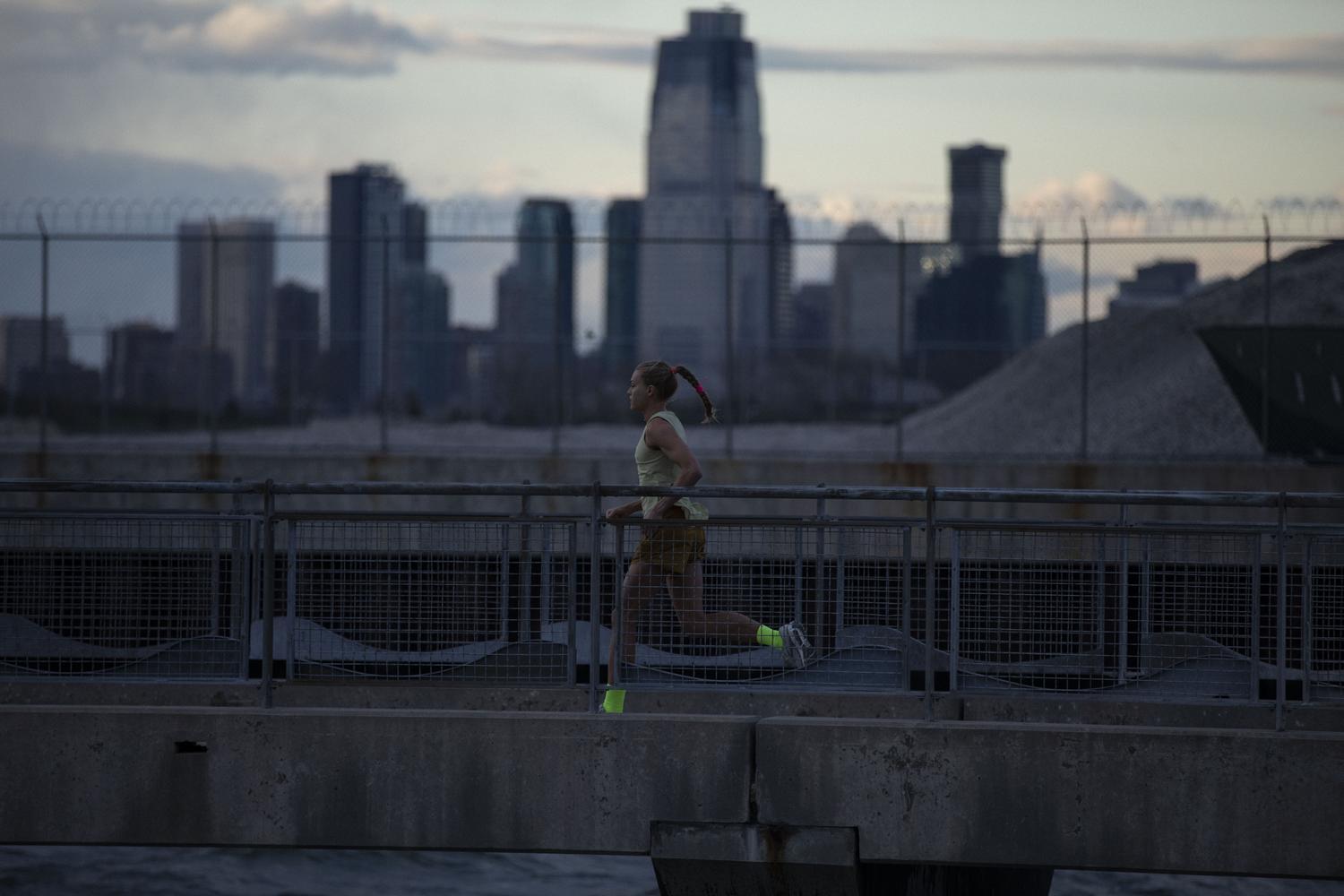
Furthermore, urban centers are disproportionately affected by the "urban heat island" effect. Concrete, asphalt, and dark-colored roofing materials possess low albedo, meaning they absorb rather than reflect solar radiation. Unlike rural landscapes, where vegetation provides natural cooling through evapotranspiration, cities retain this heat long after the sun sets. This lack of nighttime cooling is a critical public health concern, as the human body requires lower nocturnal temperatures to recover from the heat stress accumulated during the day.
The Nexus of Wildfire and Extreme Heat
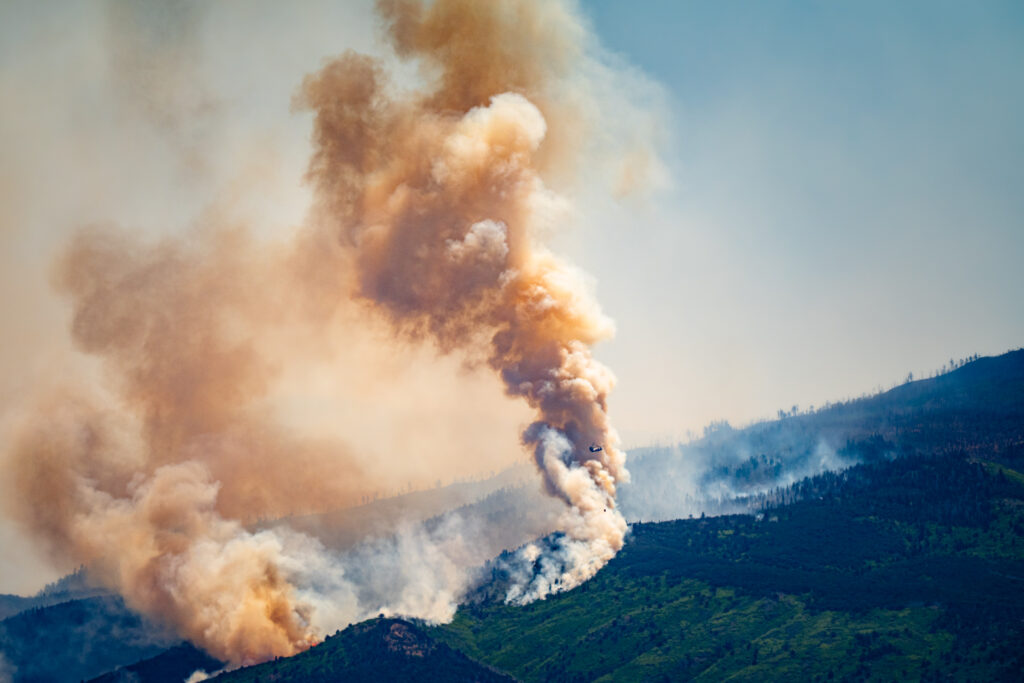
The compounding effects of these meteorological shifts are perhaps most evident in the landscape’s response to drought. Prolonged heat domes, paired with record-low snowpack in regions like the Rockies, have created a landscape of dry, "cured" vegetation that is highly susceptible to ignition. In the Pacific Northwest, the fire season has begun weeks ahead of historical norms. In 2026, vegetation in parts of Washington state reached critical fuel-load status by late July, a condition typically not seen until September. This shift not only expands the wildfire season but also increases the likelihood of extreme fire behavior, threatening urban-wildlife interfaces that were previously considered lower-risk.
Implications for Public Policy and Infrastructure
The reliance on air conditioning as a primary response to these events creates a feedback loop of systemic risk. As demand for electricity spikes to power cooling systems, the grid faces immense strain. If that energy is derived from fossil fuels, the resulting increase in greenhouse gas emissions further accelerates the warming cycle.
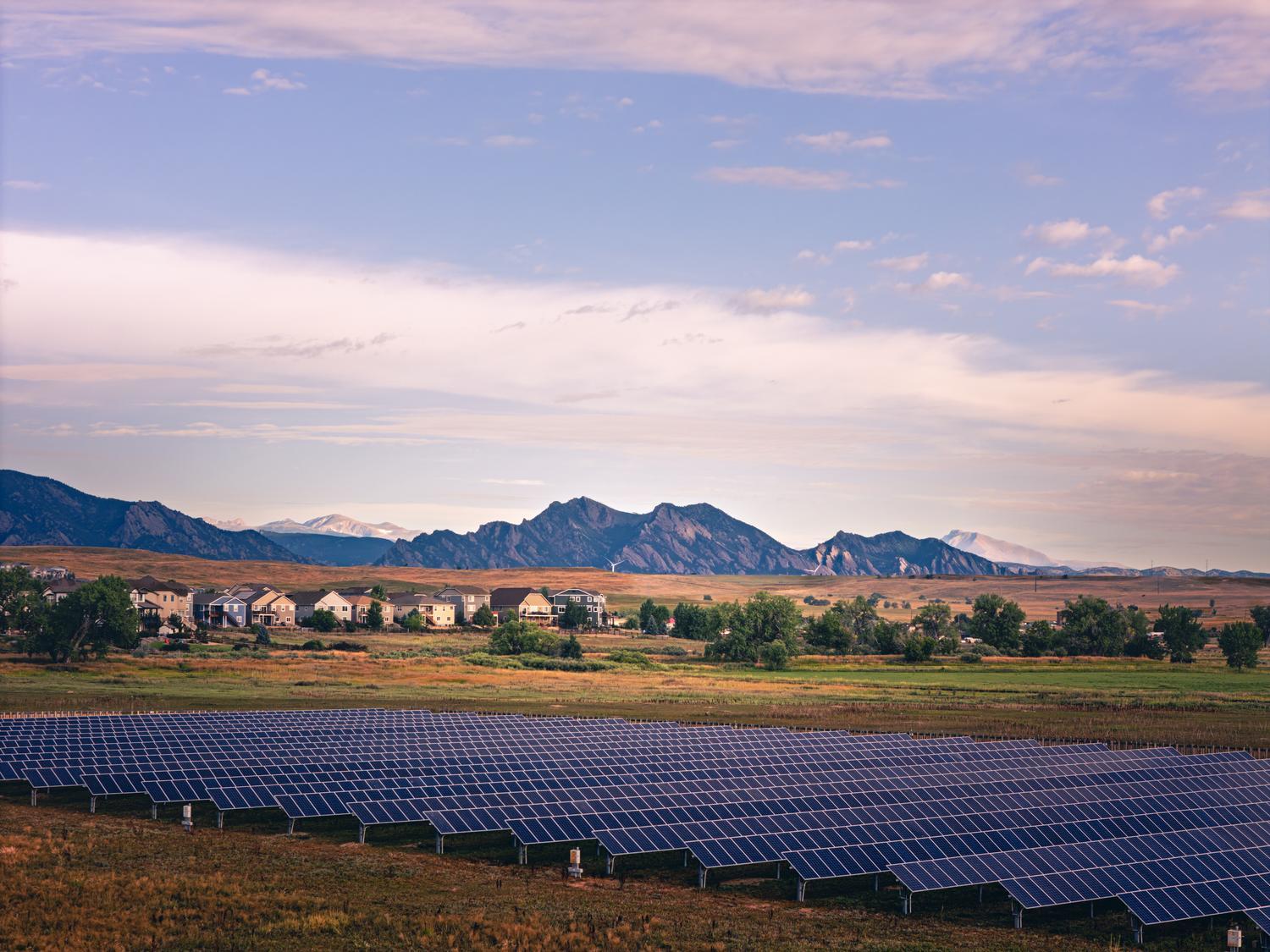
Stikeleather and other climate experts argue that the solution requires a move toward structural resilience rather than temporary adaptation. This includes the widespread adoption of decentralized, renewable energy sources such as community-based solar gardens, which reduce the burden on the traditional electrical grid and offer more reliable power during peak demand periods.
The "Outdoor State" and the Path Forward
For those who rely on the outdoors for recreation and well-being, the changing climate necessitates a shift in behavior. The era of "business as usual" for summer activities is closing; outdoor enthusiasts are increasingly forced to plan around peak heat hours, prioritize areas with high tree canopy cover, and monitor regional air quality indices, which often degrade during heat-induced wildfire events.
The broader imperative, however, lies in community action. Organizations like Protect Our Winters are advocating for local-level energy transitions, providing toolkits to help municipalities upgrade their energy infrastructure and reduce dependence on carbon-heavy power. By focusing on localized, resilient energy solutions, communities can begin to mitigate the most severe impacts of the climate crisis.
Ultimately, the science confirms that the heat waves of the current decade are not merely a stroke of bad luck. They are the cumulative result of decades of warming, amplified by persistent atmospheric patterns and the built environment of our cities. While individuals can protect themselves through hydration and strategic planning, the mitigation of these risks requires a sustained, evidence-based approach to energy policy and a commitment to long-term environmental stewardship. As researchers continue to map the complex interactions between Arctic warming and jet stream stability, the message remains clear: the baseline for summer has changed, and our infrastructure and habits must evolve in tandem to meet the challenge.

