
As the winter season approaches, ski enthusiasts and resort communities across North America and Europe begin preparations for the annual influx of mountain tourism. While alpine skiing and snowboarding offer exhilarating outdoor recreation, they also carry inherent physical risks. Whether navigating early-season hazards such as hidden rocks and thin snowpacks or tackling peak-winter powder and moguls, skiers constantly subject their bodies to high-speed impacts, rapid directional changes, and severe gravitational loads. Collisions, falls, and unexpected terrain transitions can lead to orthopedic trauma, ranging from mild muscle strains to severe ligament tears.
While external variables like weather conditions, trail maintenance, and the behavior of fellow skiers remain outside an individual’s control, conditioning the human body to withstand external forces is a highly manageable proactive measure. According to orthopedic and sports physical therapists, bridging the gap between sedentary off-season habits and the rigorous physical demands of downhill skiing requires a structured, multi-month training regimen. Medical professionals emphasize that establishing a well-rounded ski fitness routine well before the first snowfall is the single most effective defense against season-ending injuries.
The Anatomy of Alpine Trauma: Understanding Mountain Risks
To comprehend why specialized pre-season conditioning is necessary, one must examine the biomechanical stress skiing places on the musculoskeletal system. Unlike linear endurance sports such as running or cycling, alpine skiing demands continuous lateral stability, rapid eccentric muscle lengthening, and sustained isometric contractions. The lower extremities—specifically the quadriceps, hamstrings, gluteal complex, and calves—must act as biological shock absorbers against relentless vertical and lateral G-forces.
Data compiled by winter sports safety organizations indicate that knee injuries, particularly anterior cruciate ligament (ACL) tears, remain the most prevalent and debilitating trauma sustained by alpine skiers. Additionally, lower back strain, shoulder separations from falls, and medial collateral ligament (MCL) damage account for a significant percentage of visits to resort medical clinics. Medical researchers note that fatigue is a primary precursor to these incidents. As muscles exhaust toward the end of a long run or a full day on the mountain, proprioception—the body’s ability to sense its position in space—diminishes, compromising joint stability and increasing vulnerability to sudden trauma.
Consequently, modern sports medicine has shifted away from generalized cardiovascular conditioning in favor of targeted neuromuscular preparation. Physical therapists advocate for a regimen that specifically replicates the physical stressors encountered on steep, variable terrain. Below is a comprehensive breakdown of five essential physical training modalities that every skier should integrate into their off-season and pre-season routine to cultivate a resilient, injury-resistant body.
- Eccentric Strengthening: Mastering the Art of Deceleration
The primary physical challenge of skiing downhill is not pushing off, but rather controlling the descent. This requires superior eccentric muscle strength, which occurs when a muscle lengthens while under tension.
Why It Matters on the Slopes
When a skier carves a turn or absorbs a mogul, the quadriceps and glutes do not simply contract concentrically (shortening); they lengthen under heavy load to brake the body’s momentum and stabilize the joints. Think of the lowering phase of a deep squat or a controlled drop down a steep pitch. Without adequate eccentric conditioning, the musculoskeletal system fails to efficiently dissipate the kinetic energy generated by gravity and speed, transferring excessive shock directly to the knee joints and lumbar spine. Over time, this leads to rapid muscle fatigue and heightened susceptibility to trauma.
How to Train Eccentrically
Athletes can build eccentric capacity by deliberately manipulating the tempo of their resistance training. During standard lifts such as squats, Bulgarian split squats, or leg presses, the concentric (lifting) phase should be performed at a normal speed, while the eccentric (lowering) phase must be slowed down to a count of three to five seconds. This extended time under tension forces muscle fibers to adapt to heavy loads through a full range of motion, translating directly to smoother terrain absorption and greater endurance during long, sustained ski descents.
- Isometric Training: Eliminating the Dreaded Quad Burn
Every skier is intimately familiar with the deep, searing muscle fatigue that sets in during a long, uninterrupted arcing turn down a steep groomer or an endless field of moguls. This phenomenon is driven by isometric muscle contractions.
Why It Matters on the Slopes
An isometric contraction occurs when a muscle generates force without changing the length of the surrounding joint angle—essentially holding a static position under load. On the mountain, skiers maintain constant joint angles in the ankles, knees, and hips to preserve stability, carve edges, and maintain balance. When these muscles lack sufficient isometric endurance, they fatigue rapidly, causing posture to break down and increasing the likelihood of a loss of control.
How to Train Isometrically
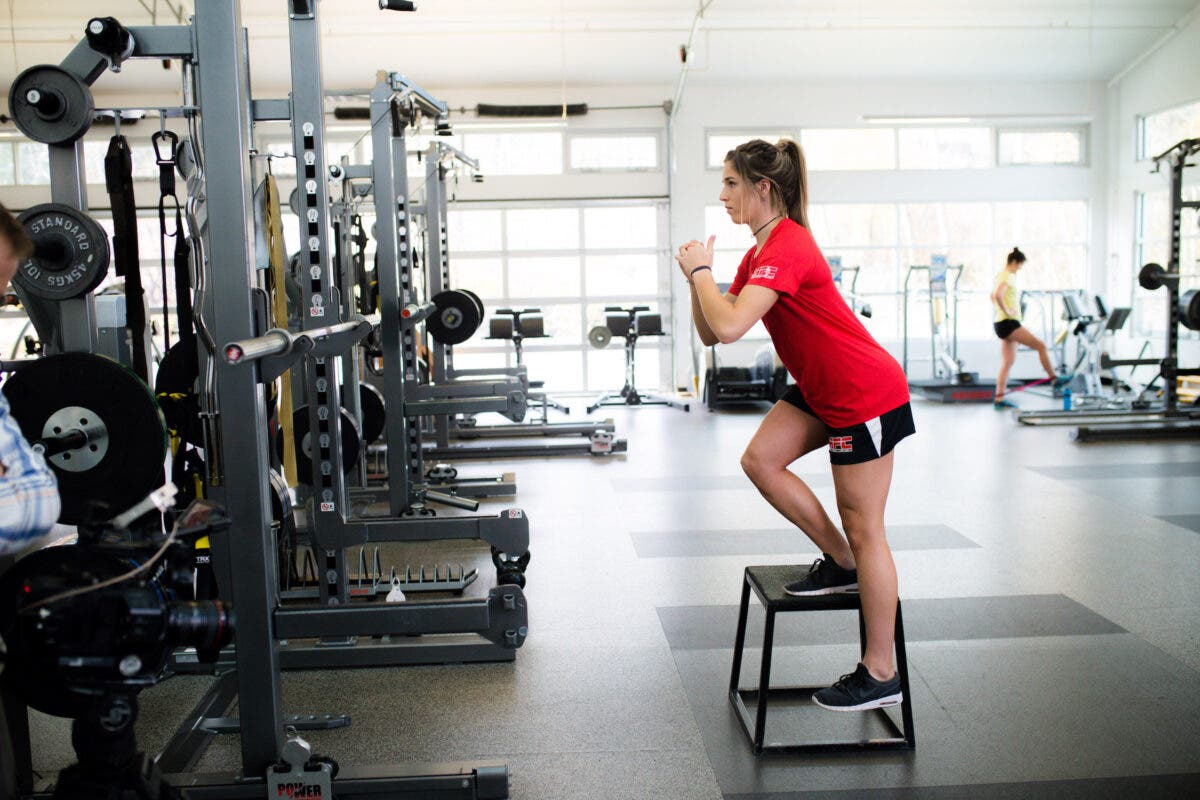
The most accessible and effective foundational movement for isometric leg strength is the classic wall sit. To maximize its transferability to skiing, practitioners should challenge themselves by holding the position for extended durations while introducing upper-body resistance, such as holding dumbbells or pressing a medicine ball overhead. Other effective variations include static lunges, hollow-body holds, and single-leg wall sits, all of which train the nervous system to maintain force output when joints are held in fixed alignments.
- Single-Leg Mechanics: Addressing Asymmetry and Lateral Stability
Alpine skiing is fundamentally an asymmetric sport. While both skis are engaged simultaneously, weight distribution constantly shifts from the downhill ski to the uphill ski, and from inside edge to inside edge, as the skier navigates dynamic mountain contours.
Why It Matters on the Slopes
Bilateral movements like standard squats and deadlifts are valuable for building raw strength, but they fail to address the independent stabilization required of each leg on the snow. If a skier possesses a strength or stability imbalance between their left and right sides, the weaker leg is significantly more vulnerable to injury when unexpected terrain changes, heavy powder, or ice patches demand immediate unilateral adaptation.
How to Train Single-Leg Stability
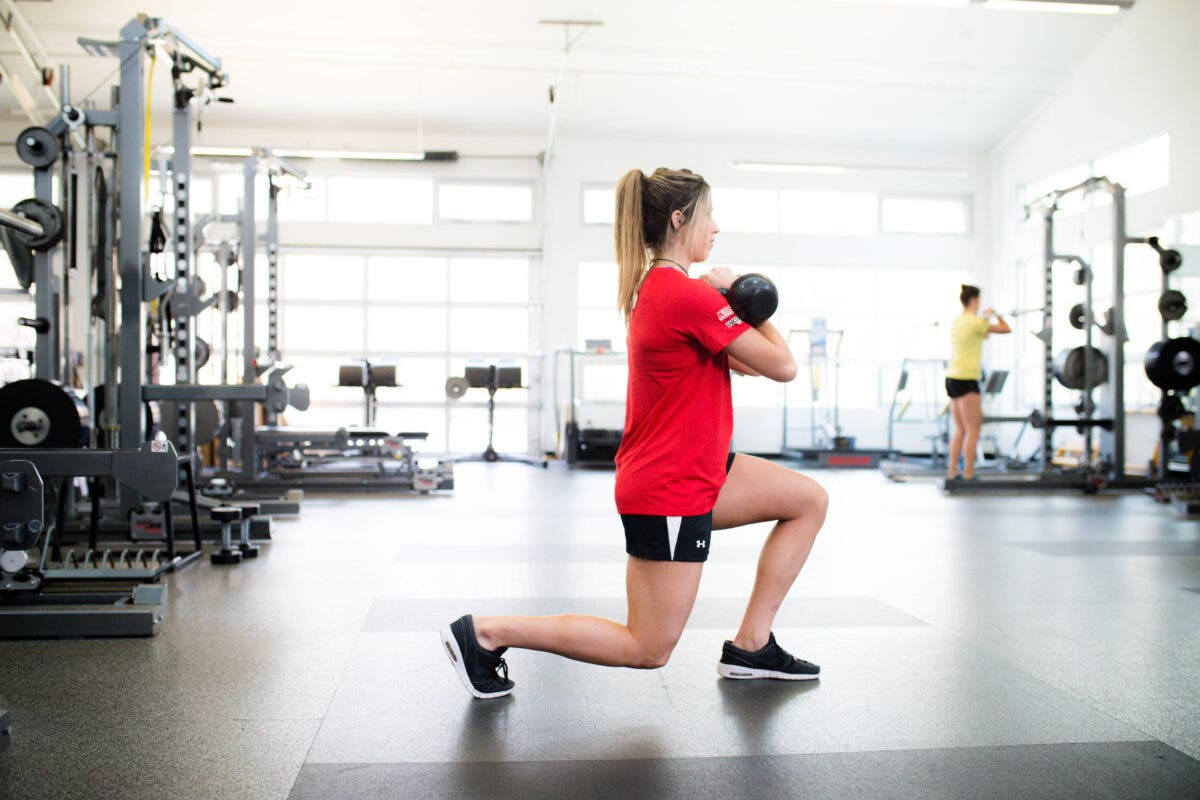
To prepare the body for the unilateral demands of skiing, athletes must incorporate multi-planar lunges—moving forward, backward, and laterally—into their routines. Single-leg deadlifts, step-ups, and pistol squats further challenge the stabilizing muscles of the hips, ankles, and feet. Performing these exercises on unstable surfaces, such as foam pads or balance boards, enhances proprioceptive feedback, ensuring that the ankles and knees can automatically adjust to shifting snow conditions without compromising structural integrity.
- Advanced Core Variations: Securing the Upper and Lower Extremities
A common misconception among recreational skiers is that downhill performance relies exclusively on leg strength. In reality, the core acts as the vital kinetic bridge between the upper body and the lower body.
Why It Matters on the Slopes
Skiers must dynamically control their upper extremities—holding poles, initiating turns with the upper body, and absorbing shocks—while maintaining a rigid, stable trunk to withstand centrifugal forces during high-speed turns. Without a robust core, the torso collapses or rotates prematurely, throwing off the skier’s center of gravity and forcing the knees and lower back to compensate for the instability.
How to Train Core Stability
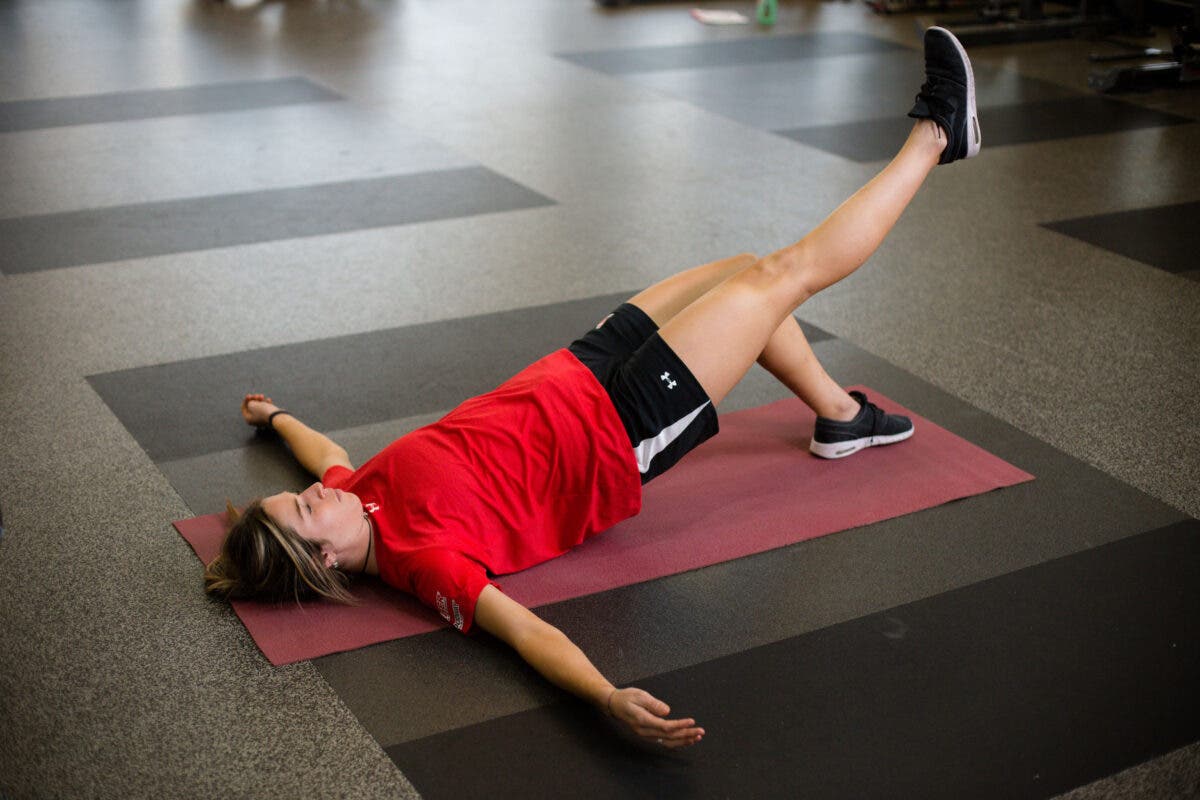
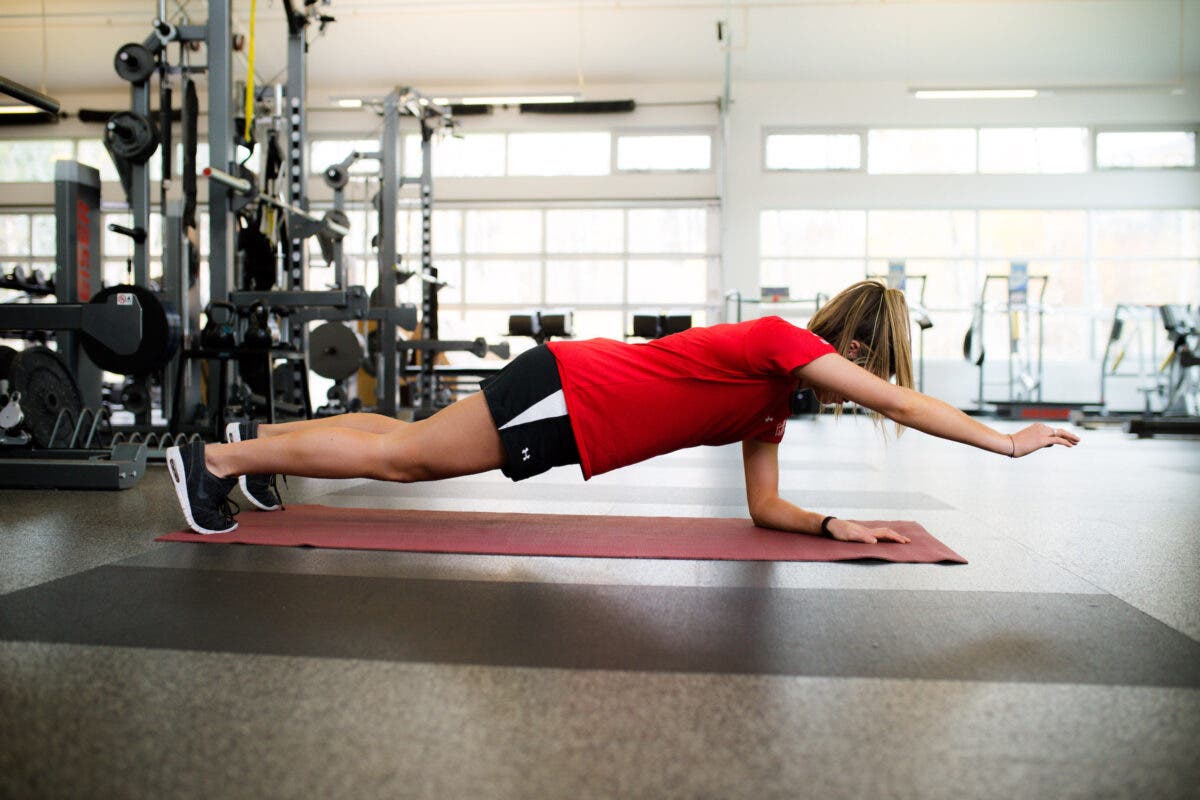
Traditional crunches or sit-ups offer limited functional value for skiers, as they do not train the core to resist movement. Instead, physical therapists recommend advanced plank variations that challenge the midsection from multiple angles. Beyond standard forearm planks, athletes should practice side planks, planks with alternating arm or leg reaches, and advanced progressions like the Copenhagen plank—a demanding side-plank variation that aggressively targets the adductors and deep stabilizers of the hip and core. These movements teach the spine and pelvis to remain rigid under rotational and lateral stress.
- Comprehensive Mobility Work: Pre-Hab and Post-Ski Recovery
Strength and stability are rendered largely ineffective if a skier lacks the necessary range of motion to execute proper technique. Mobility training is the final, essential pillar of a comprehensive injury-prevention framework.
Why It Matters on the Slopes
Stiff ankles, tight hips, and a restricted thoracic spine force the body to adopt compensatory movement patterns. For example, limited ankle dorsiflexion prevents a skier from maintaining a proper forward athletic stance, forcing them into the "backseat" position—a notoriously dangerous posture that strains the lower back and overloads the quadriceps while eliminating steering control. Furthermore, dedicated mobility work before and after physical activity accelerates tissue recovery, flushes metabolic waste, and maintains optimal muscle elasticity throughout a grueling ski season.
How to Train Mobility
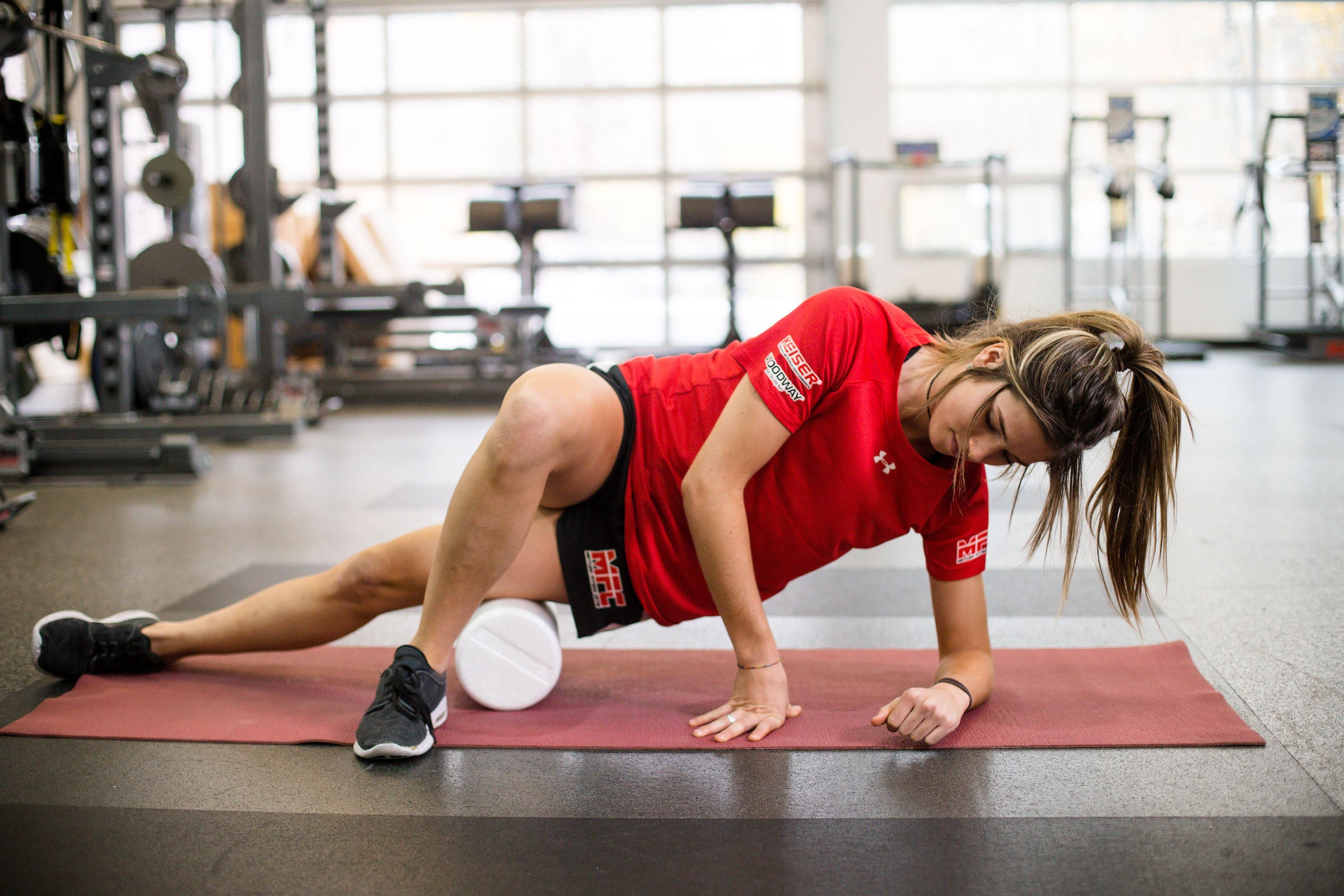
A functional mobility routine should target areas prone to stiffness, specifically the ankles, hips, knees, and thoracic spine. Practitioners can utilize self-myofascial release tools such as foam rollers and massage guns to break up fascial adhesions in tight muscle groups, combined with dynamic stretching prior to workouts and static stretching during recovery periods. Resistance bands can also be integrated to actively pull joints through full ranges of motion, improving joint capsule health and neuromuscular control.
Expert Perspectives and Broader Industry Implications
The medical community within alpine resort regions has increasingly emphasized preventive conditioning as winter tourism numbers continue to break seasonal records. Orthopedic specialists point out that public health campaigns focused on physical preparedness significantly reduce the burden on emergency medical services and mountain rescue teams during peak holiday periods.
"When individuals invest time in their physical literacy before hitting the slopes, we see a measurable drop in catastrophic knee injuries," notes Dr. Matt Hastings, an orthopedic and sports physical therapist at The Alpine Athlete who specializes in alpine trauma rehabilitation. "Skiing is an elite-level physical activity that requires preparation akin to competitive athletics. Treating the off-season as a training window rather than a period of inactivity is the ultimate key to longevity in the sport."
As ski resorts prepare for the upcoming winter season, industry analysts and safety experts urge participants of all skill levels—from weekend warriors to seasoned backcountry explorers—to evaluate their fitness baselines honestly. By committing to a structured program emphasizing eccentric loading, isometric endurance, unilateral stability, core rigidity, and joint mobility, skiers can transform their physical resilience, ensuring they spend less time in physical therapy clinics and more time enjoying the mountain safely.

