
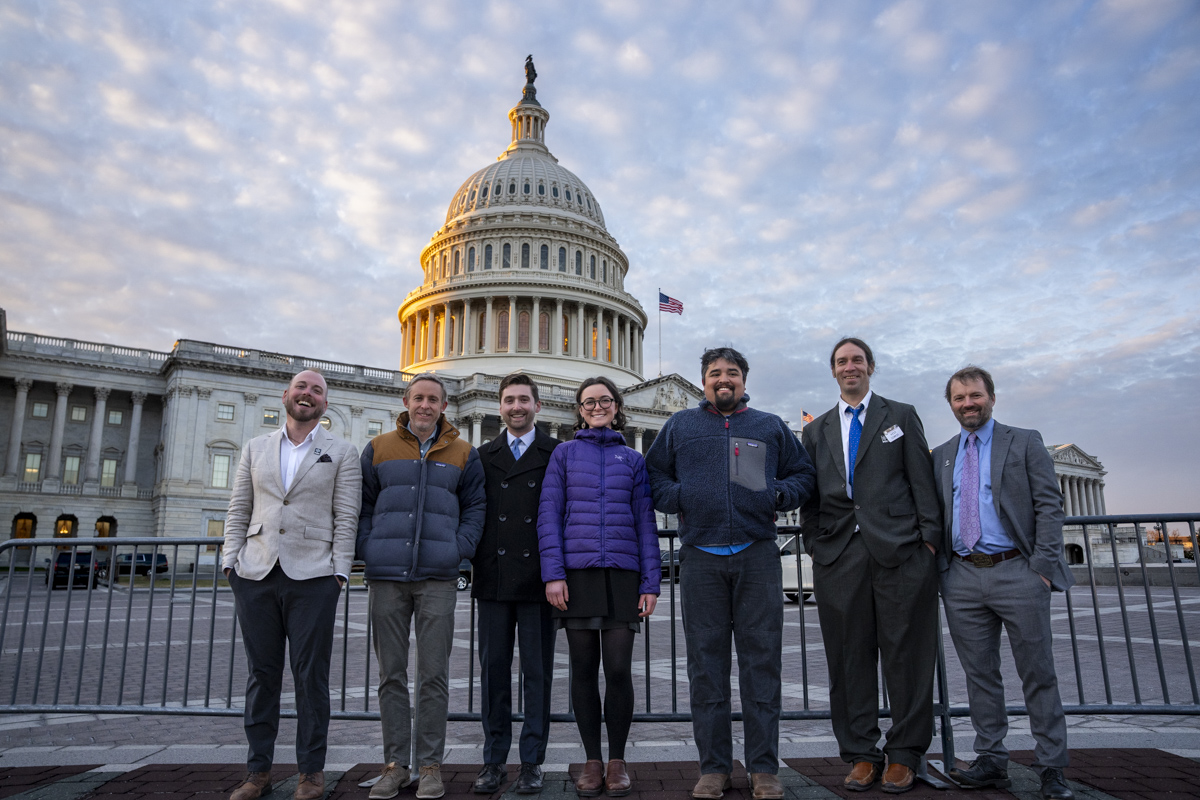
Representatives from the climate advocacy organization Protect Our Winters and the Alaska Wilderness League arrived on Capitol Hill this week to hand-deliver a 74-page petition containing more than 6,000 signatures from members of the outdoor recreation community. The delegation, which included professional athletes, climate scientists, and Indigenous advocates, sought to secure permanent protections for the Arctic National Wildlife Refuge and the National Petroleum Reserve in Alaska. This mobilization occurred as the federal government moved to finalize legislative measures intended to streamline oil and gas exploration in the region, marking a significant escalation in the decades-long conflict over the ecological and economic future of America’s northernmost wilderness.
The two-day "fly-in" event was a coordinated effort involving Protect Our Winters, the Alaska Wilderness League, and the League of Conservation Voters. By bringing a diverse group of stakeholders directly into the offices of lawmakers, the coalition aimed to demonstrate that the "Outdoor State"—a term used to describe the collective economic and social power of the outdoor recreation industry—remains a formidable force in federal policy discussions. The timing of the visit was dictated by recent executive and legislative actions by the Trump administration, which has prioritized domestic energy production through expanded leasing in carbon-rich Arctic landscapes.
The Legislative Context and Administrative Actions
The Arctic National Wildlife Refuge (ANWR) has been a focal point of American environmental policy since its establishment. The current tension stems largely from the Tax Cuts and Jobs Act of 2017, which included a provision mandating two lease sales in the refuge’s 1.5-million-acre Coastal Plain, also known as the 1002 Area. While the first lease sale in 2021 saw limited interest from major oil companies, the current administration has sought to remove regulatory hurdles to ensure future sales are more robust.
Last Friday, the Trump administration signed new legislation designed to ease the path for drilling and mining operations in Arctic Alaska. These measures aim to reduce the duration of environmental reviews and provide more legal certainty for energy developers. Proponents of these bills argue that expanded Arctic drilling is essential for national security, domestic energy independence, and the Alaskan economy, which relies heavily on oil revenue for its state budget.
In response, the coalition on Capitol Hill argued that these legislative shifts ignore the changing landscape of global energy markets and the urgent need for climate mitigation. The petition delivered to Congress serves as a formal objection to these policies, asserting that the Arctic is not a "bargaining chip" for short-term political or economic gains.
Strategic Advocacy and the "Outdoor State" Perspective
The coalition’s strategy relied on a multi-disciplinary approach, pairing the emotional resonance of storytelling with the objective rigor of scientific data. Professional athletes, such as POW Climb Alliance member Tommy Caldwell, joined scientists and filmmakers to explain how climate change is already altering the landscapes they rely on for their livelihoods and personal pursuits.
The outdoor recreation industry is a significant contributor to the United States economy. According to data from the Bureau of Economic Analysis, the outdoor recreation economy accounts for approximately $1.1 trillion in annual economic output and supports nearly five million jobs. By framing Arctic protection as an economic necessity for this sector, the coalition sought to appeal to lawmakers on both sides of the aisle.
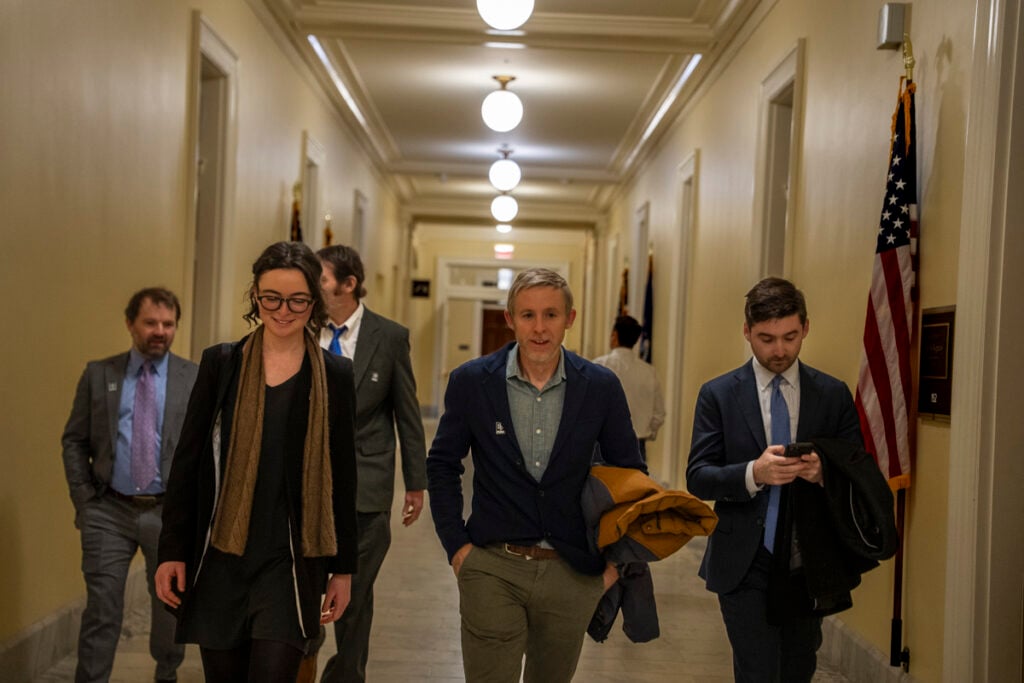
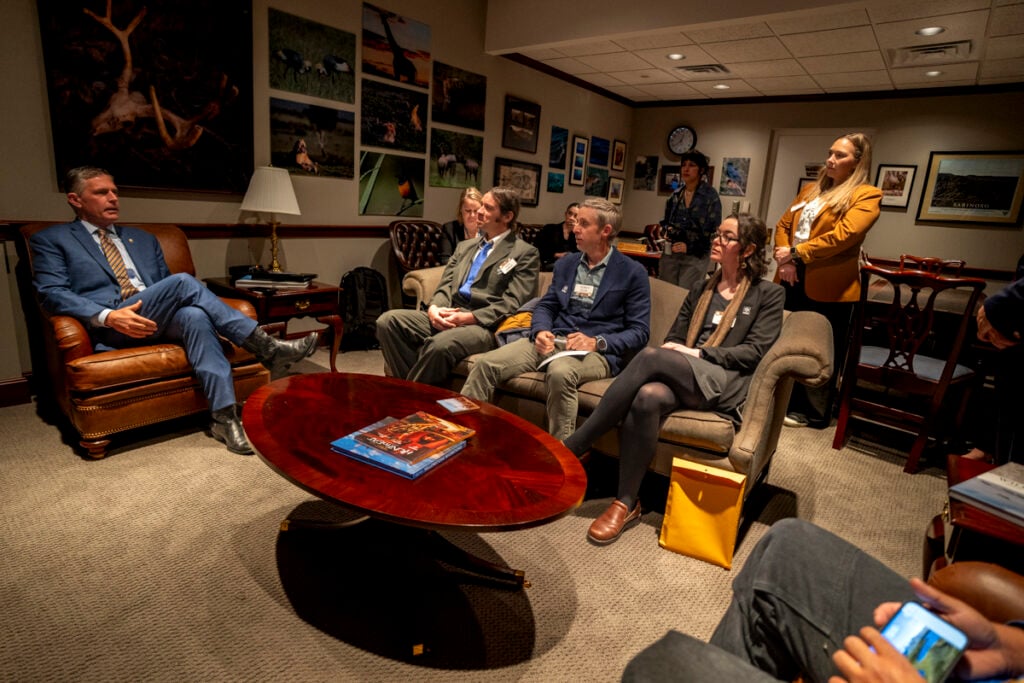
During the fly-in, the group participated in dozens of meetings with key Senate and House offices. The discussions focused on three primary objectives:
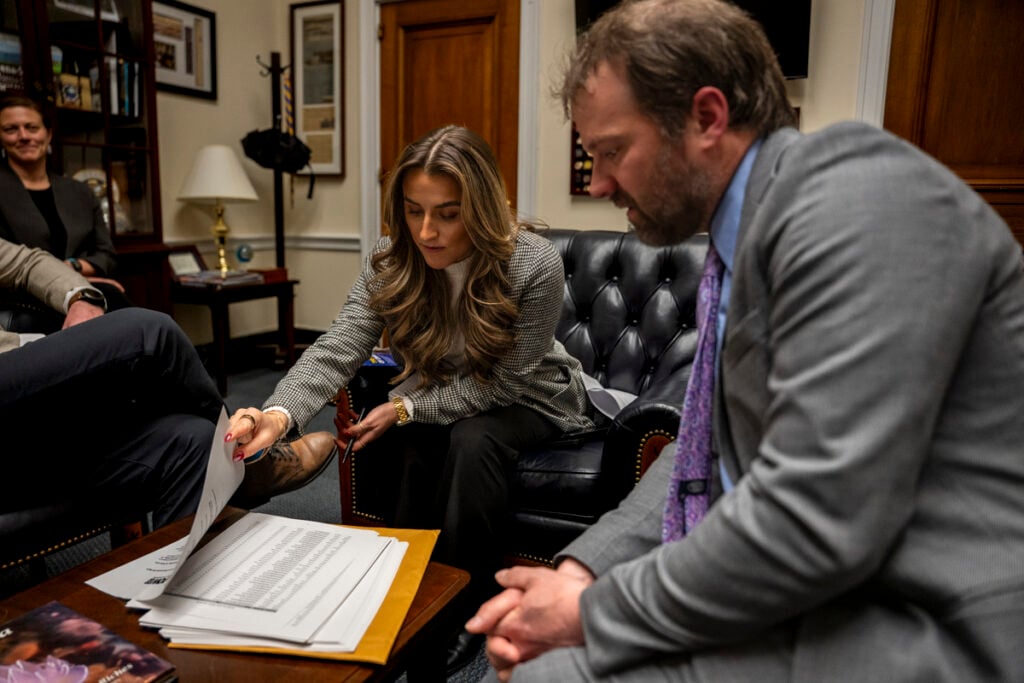
- The formal delivery of the 74-page Arctic petition to demonstrate widespread public opposition to new leasing.
- Advocacy for the Energizing Our Communities Act (EOCA), a piece of legislation that proposes community-level solutions for clean energy infrastructure.
- The presentation of data regarding the financial and environmental risks associated with Arctic extraction.
The Economic and Environmental Case Against Drilling
The arguments presented to lawmakers were grounded in what the coalition describes as "clear economic realities." Beyond the environmental impact, the group highlighted the fiscal risks of Arctic drilling. In recent years, several major global financial institutions—including Goldman Sachs, JPMorgan Chase, and Wells Fargo—have announced policies that prohibit or strictly limit the financing of new oil and gas projects in the Arctic. These banks cite the high reputational risk and the potential for "stranded assets" as the world transitions toward renewable energy.
Furthermore, the Arctic National Wildlife Refuge is one of the most carbon-rich landscapes in North America. Disturbance of the permafrost and the introduction of heavy industrial infrastructure could release significant amounts of stored carbon and methane, exacerbating global warming. The coalition also emphasized the importance of the refuge to the Gwich’in people, who refer to the Coastal Plain as "The Sacred Place Where Life Begins" due to its role as the calving ground for the Porcupine Caribou Herd.
"Like it or not, policy is the only thing that has the chance to fix our climate and save our public lands," stated Tommy Caldwell during the visit. He noted that the trip provided a vital pathway for the outdoor community to engage directly with the legislative process, ensuring that the voices of those who spend their lives on public lands are heard in the halls of power.
The Role of the Energizing Our Communities Act (EOCA)
While much of the focus was on opposing oil and gas expansion, the coalition also pushed for proactive energy solutions. The Energizing Our Communities Act was a central theme of the meetings. This proposed legislation is designed to support the development of clean energy transmission lines by providing tangible benefits to the local communities that host them.
By advocating for the EOCA, the coalition aimed to show that they are not merely "anti-drilling" but are supporters of a pragmatic, bipartisan transition to a clean energy economy. The act seeks to address the "not in my backyard" (NIMBY) challenges that often stall renewable energy projects by ensuring that local residents see direct economic improvements and energy resilience from new infrastructure. This dual-track approach—protecting the Arctic while building the future energy grid—was intended to build bridges with moderate lawmakers and those representing districts with high energy demands.
Indigenous Sovereignty and Lived Experience
A critical component of the delegation was the inclusion of Indigenous voices and Arctic residents. For many members of the coalition, the fight for the Arctic is a matter of cultural survival. The Gwich’in and other Alaska Native groups have long advocated for the protection of the refuge, noting that industrial development threatens their traditional way of life and food security.
The presence of Indigenous storytellers helped cut through the abstract nature of policy debate. By sharing lived experiences of the changing northern climate—including thinning sea ice, shifting migration patterns, and the impact of permafrost melt on local infrastructure—the advocates grounded the political discussion in tangible reality. Brennan Lagasse, a POW Creative Alliance member, noted that this was his third trip to D.C. for this cause, emphasizing that "every office reiterated it mattered that we were there, hand-delivering these petitions from constituents."
Broader Implications and Future Outlook
The delivery of the petition and the conclusion of the fly-in mark the beginning of what Protect Our Winters calls "Phase Two" of their Arctic campaign. Despite the recent signing of legislation by the Trump administration to ease drilling, the coalition remains committed to escalating pressure on both the legislative and corporate fronts.
The long-term implications of this advocacy work are multifaceted. First, it reinforces the role of the outdoor industry as a political stakeholder. Second, it maintains a public record of opposition that can be used in future litigation. Historically, many Arctic lease sales have been delayed or overturned in federal court due to challenges regarding the adequacy of environmental impact statements. By delivering 6,000 signatures and engaging in direct dialogue with the Arctic Congressional Delegation, the coalition is laying the groundwork for future legal and political challenges.
The financial sector’s response will also be a key factor. As the coalition continues to make the case that Arctic drilling is a poor investment, the pressure on oil companies to justify the high costs of exploration in a remote, hostile environment will likely increase.
As the 2026 election cycle approaches, the status of the Arctic Refuge and the NPRA will likely remain a polarizing issue. The coalition has indicated that they will continue to monitor federal actions and engage their base of athletes, scientists, and outdoor enthusiasts to respond to new developments.
"Even in meetings with those pushing to open the Refuge to oil extraction, we found at least some common ground—or at minimum, established communication channels," said Ming Poon, a photographer and POW Creative Alliance member. This sentiment reflects a broader goal of the mission: to ensure that even in a divided political climate, the protection of significant ecological landscapes remains a part of the national conversation.
The coalition departed Washington D.C. with a vow to remain vigilant. With the 74-page petition now in the hands of lawmakers, the focus shifts to how the "Outdoor State" will mobilize its resources to counter the implementation of the newly signed drilling legislation in the months to come.

