
The 30th Annual United Nations Climate Change Conference (COP30), held in the Brazilian city of Belém, concluded with a complex mixture of diplomatic progress and significant systemic failures. Set against the backdrop of the Amazon rainforest—often described as the "lungs of the planet"—the summit gathered approximately 60,000 participants from nearly 200 nations. While the location was intended to symbolize a turning point for global conservation and Indigenous rights, the final outcomes underscored the persistent tension between scientific necessity and the economic interests of major oil-producing states. Despite a clear global demand for accelerated climate action, the conference struggled to bridge the gap between ambitious rhetoric and the concrete policy shifts required to limit global warming to 1.5°C above pre-industrial levels.
The Geopolitical Landscape of COP30
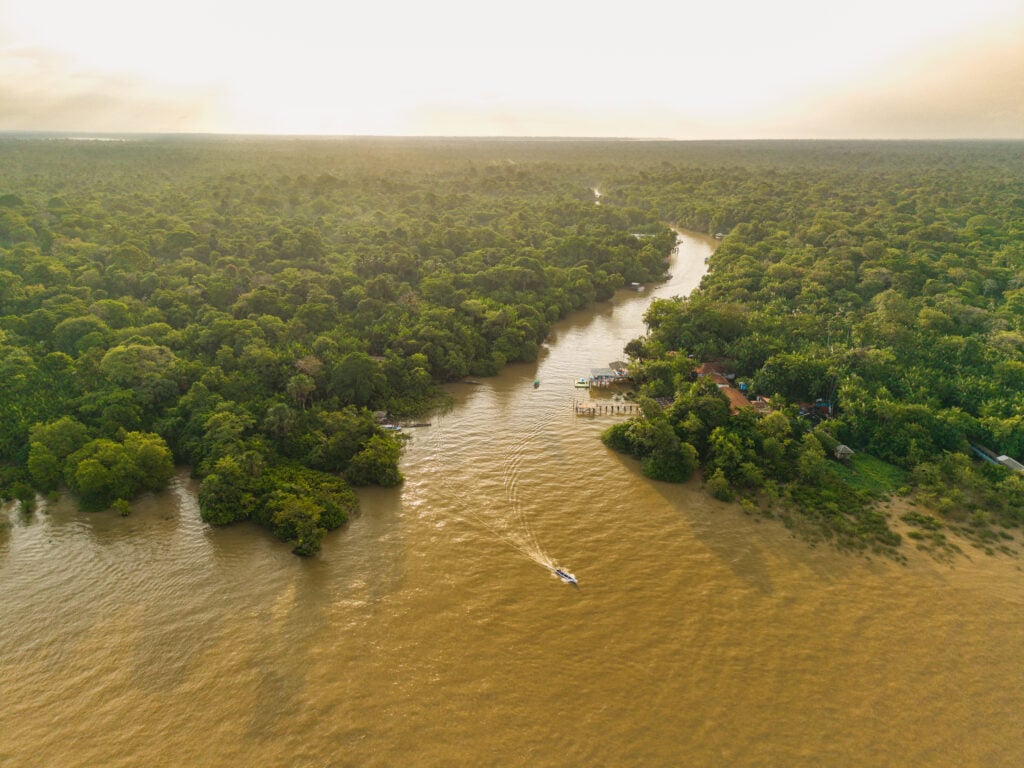
Belém, known as the "gateway to the Amazon," served as the primary stage for the summit, placing the world’s most critical carbon sink at the center of the conversation. The "Blue Zone," the restricted area managed by the United Nations Framework Convention on Climate Change (UNFCCC), acted as the epicenter for official negotiations. Within this space, a diverse tapestry of national pavilions, non-governmental organizations (NGOs), and scientific coalitions engaged in a two-week marathon of side events, press conferences, and high-level diplomacy.
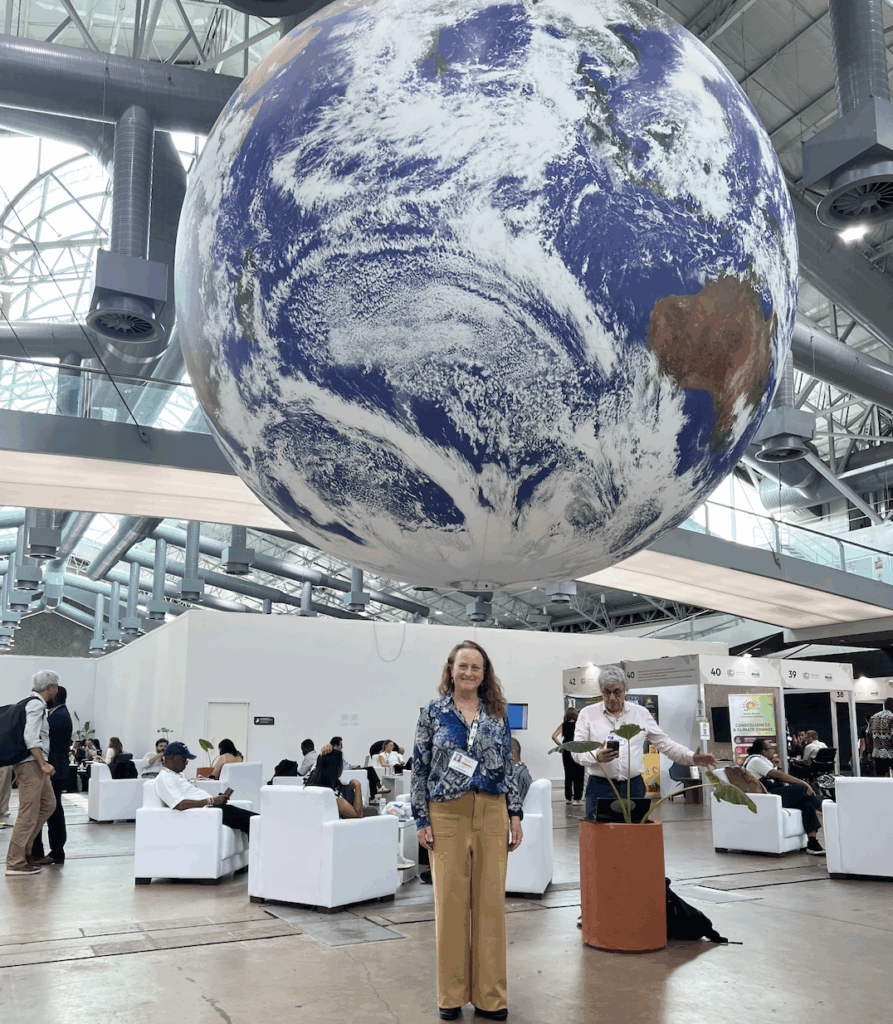
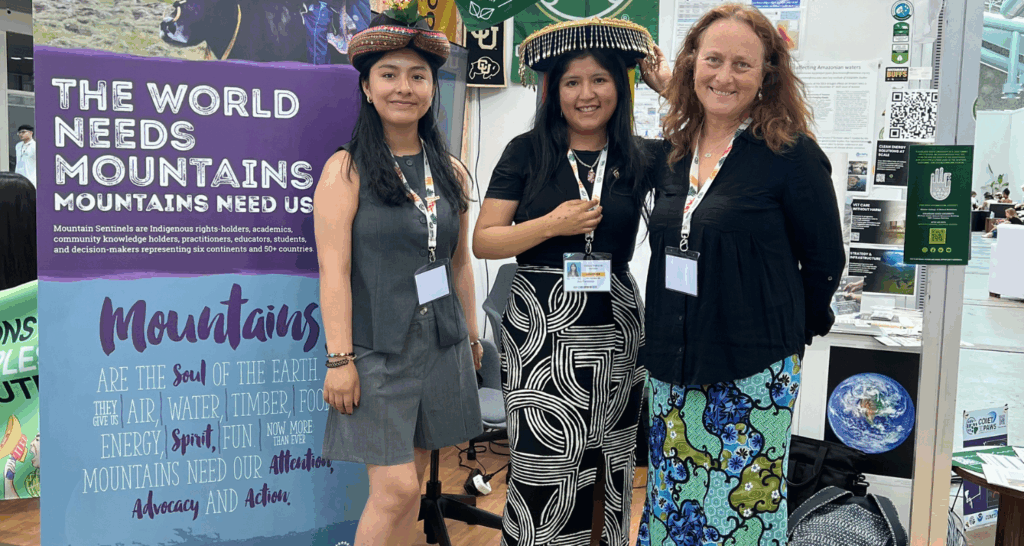
The presence of the Research and Independent Non-Governmental Organizations (RINGO) constituency was particularly notable this year. Academic institutions, including Colorado State University and the University of Colorado Boulder, joined forces with the Mountain Sentinels Alliance and the Peru-based Instituto de Montaña to showcase climate research and adaptation strategies spanning from the Rocky Mountains to the Andes. These groups aimed to highlight the vulnerability of mountain ecosystems, which provide essential water resources to billions but are warming at rates significantly higher than the global average.
The Omission of Fossil Fuels and Petrostate Influence
One of the most contentious aspects of COP30 was the final negotiated text. Despite an alliance of more than 80 nations pushing for a clear commitment to "phase out" or "transition away" from fossil fuels, the final document failed to include the term "fossil fuels" entirely. This omission was largely attributed to intense lobbying and diplomatic pressure from petrostates, whose economies remain deeply integrated with oil and gas production.
For climate scientists and environmental advocates, this omission represents a staggering disconnect from reality. To maintain a pathway toward the 1.5°C target, the United Nations Environment Programme (UNEP) estimates that global greenhouse gas emissions must be reduced by 55% by 2035. The absence of a mandate to address the primary driver of these emissions—fossil fuel combustion—has raised questions about the efficacy of the COP process in its current form. The frustration was compounded by the fact that Brazil, the host nation, moved forward with new exploratory oil drilling projects just days before the summit commenced, highlighting the domestic contradictions faced by even the most vocal climate advocates.
The United States: A Tale of Two Delegations
The role of the United States at COP30 was marked by a significant shift in federal participation. The Trump administration did not send an official negotiating team to Belém, a move that former U.S. diplomats suggested hindered the ability of the international community to finalize critical agreements. Historically, U.S. negotiators have played a pivotal role in brokering compromises between developing nations and industrialized economies.
However, the absence of a federal presence did not mean the United States was unrepresented. A robust "sub-national" delegation consisting of governors, mayors, and local leaders filled the vacuum. California Governor Gavin Newsom was a prominent figure during the first week, securing methane reduction agreements with Colombia and electric vehicle (EV) expansion partnerships with Nigeria. Organizations such as "America’s All In" and the "U.S. Climate Alliance," which represent states and cities accounting for a significant portion of the U.S. GDP and carbon footprint, maintained their commitment to the Paris Agreement goals.
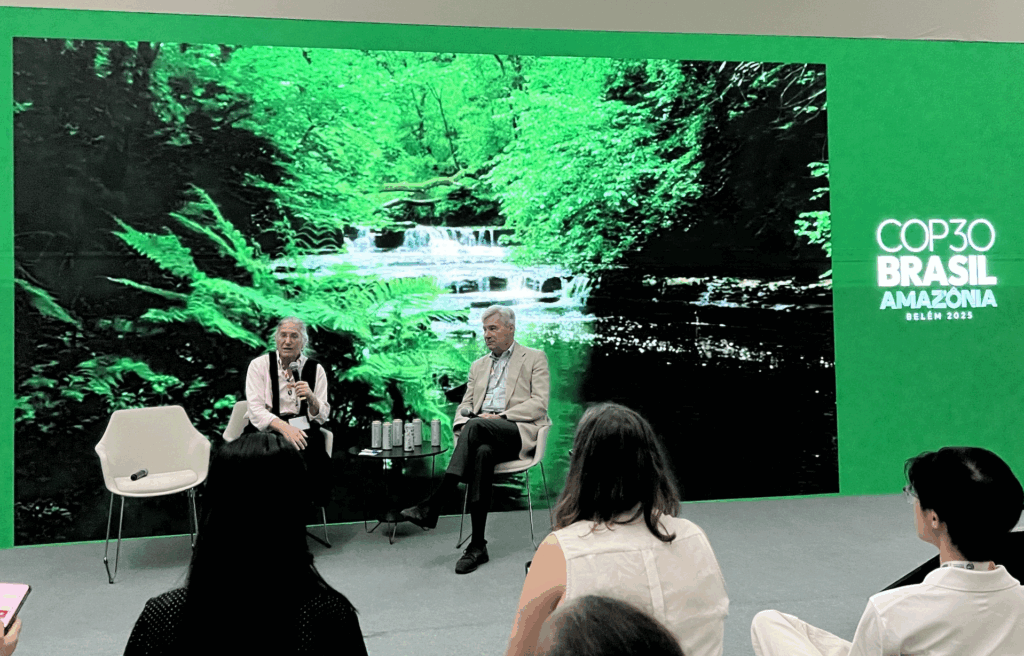
In the halls of the summit, Senator Sheldon Whitehouse of Rhode Island stood as the lone member of the U.S. Congress. He addressed audiences of students and activists, emphasizing that the "artificial state" of climate partisanship in the U.S. is largely fueled by the financial influence of the fossil fuel industry. His presence served as a reminder of the ongoing domestic struggle over federal climate policy and the importance of transparency and accountability in governance.
Indigenous Leadership and the Struggle for Substantive Power
Hosting the conference in the Amazon was a deliberate move to elevate Indigenous voices, which are recognized as one of the nine official UNFCCC constituencies. The number of Indigenous delegates rose to approximately 900 this year, a threefold increase from the 300 present at COP29. These leaders brought with them generations of land stewardship knowledge and demanded that their territories be recognized as central to national climate targets.
However, many delegates argued that their increased visibility was more symbolic than substantive. Indigenous representatives were frequently excluded from the high-level "closed-door" sessions where final decisions were made. Furthermore, they were outnumbered more than two-to-one by fossil fuel lobbyists, who maintained a pervasive presence within the Blue Zone.
The summit also faced criticism regarding accessibility and equity. While the Mountain Sentinels Alliance and Instituto de Montaña successfully brought Indigenous Fellows to the event, others were blocked by bureaucratic hurdles. A participant from Cameroon was unable to secure a transit visa, and Quechua-speaking delegates from the Andes found many critical events inaccessible due to a lack of Spanish or Indigenous language interpretation in sessions that were exclusively conducted in English.
Chronology of Key Events at COP30
- Pre-Summit: The Local Leaders Forum in Rio de Janeiro convenes 26 U.S. state leaders to coordinate sub-national climate strategies.
- Day 1-3: Opening ceremonies emphasize the Amazon’s role. Protesters briefly break through security barriers to demand an immediate end to fossil fuel subsidies.
- Day 4-6: Governor Newsom signs international agreements on methane and EVs. Saúl Luciano Lliuya, the Peruvian farmer famous for his lawsuit against German energy giant RWE, participates in a Greenpeace action to highlight "loss and damage" liability.
- Day 7-10: Negotiations stall over the language regarding "fossil fuels." Technical committees work on Article 6, focusing on the rules for international carbon credit markets.
- Day 11-14: The final "Global Stocktake" is released. While it includes advancements in carbon market regulation, it fails to mention fossil fuel phase-outs, leading to widespread condemnation from climate-vulnerable island nations and NGOs.
Technical Milestones: Article 6 and Carbon Markets
Despite the disappointment surrounding fossil fuel language, COP30 achieved a significant technical milestone regarding Article 6 of the Paris Agreement. Negotiators reached an agreement on the operational frameworks for international carbon markets. This allows countries to trade carbon credits more effectively, theoretically incentivizing the protection of forests and the development of renewable energy projects in developing nations.
The agreement on Article 6 is seen as a "meaningful win" because it establishes a more transparent accounting system to prevent "double-counting" of emissions reductions. For the host nation, Brazil, and other Amazonian countries, this could unlock billions of dollars in climate finance aimed at halting deforestation. However, critics warn that without a simultaneous reduction in actual emissions, carbon markets risk becoming a "pay-to-pollute" scheme for wealthy nations.
Implications for Global Climate Stability
The results of COP30 leave the international community in a precarious position. The world is currently on a trajectory that exceeds the 1.5°C threshold, a limit that scientists warn is essential for preventing the most catastrophic effects of climate change, including the irreversible melting of mountain glaciers and the collapse of the Amazonian ecosystem.
The lawsuit led by Saúl Luciano Lliuya remains a critical touchstone for the future of climate litigation. By holding major polluters legally responsible for the melting of Andean glaciers, the case has created a roadmap for "polluter pays" models. At COP30, this theme was echoed by those demanding that the "Loss and Damage Fund" be significantly expanded to compensate communities already facing the destruction of their homes and livelihoods.
As the summit concluded, the sentiment among civil society was best summarized by a U.S. negotiator who addressed a group of university students: "We need everyone, everywhere, all at once." The phrase reflects the reality that while international summits like COP30 provide a necessary framework for dialogue, the actual labor of climate mitigation is increasingly falling to local governments, the scientific community, and grassroots activists.
The "Outdoor State"—a term used to describe the millions of people whose lives and economies depend on healthy natural environments—now looks toward COP31 with the realization that diplomatic delays have real-world consequences. For the mountain communities of the Andes and the Indigenous tribes of the Amazon, the failures of Belém are not merely political; they are existential. The lack of a federal U.S. mandate and the continued influence of the fossil fuel lobby remain the primary obstacles to a sustainable future, leaving the global community to navigate an increasingly volatile climate with a toolkit that many feel is still missing its most essential components.

