
The physical demands of high-altitude alpine sports often create a physiological paradox: while skiing provides immense psychological benefits and cardiovascular health, the mechanical toll on the human musculoskeletal system frequently results in chronic, long-term debilitation. For many enthusiasts, the "action" of a thousand powder days eventually triggers an "equal and opposite reaction" in the form of structural injuries and persistent pain. Recent developments in sports science and personal testimonies from the skiing community suggest that the traditional methods of recovery—such as yoga, stretching, and rest—may be insufficient for addressing the fundamental muscle imbalances caused by the sport. Instead, a shift toward consistent weight training and posterior chain strengthening is emerging as the primary strategy for ensuring athletic longevity.
The Physical Toll of Alpine Excellence: A Case Study in Chronic Pain
The trajectory of a 33-year-old skier serves as a representative case study for the hidden costs of a life dedicated to the mountains. With over 1,000 days of skiing logged over a decade, the individual reported a corresponding 3,650 days of chronic back pain. This ratio highlights a significant issue within the community: for every day of performance, there are often multiple days of physical "debt" paid in the form of inflammation and soreness.
The injuries documented in this case were not limited to general fatigue. They included a fractured and dislocated elbow sustained eight years prior, hip soreness during rhythmic movements such as cycling or ski touring, and, most critically, debilitating lower back pain. This pain ranged from persistent stiffness to acute episodes where the subject was unable to move from bed. These symptoms are common among skiers who rely on their core and lower back to stabilize their frames during high-speed descents without sufficient muscular support.
The Mechanics of the Lower Back Spasm
A turning point in this case occurred at age 32, when the subject experienced a series of severe lower back spasms. In clinical terms, a back spasm is a protective mechanism where muscles involuntarily contract to prevent further injury to the spine or surrounding tissues. However, the resulting pain can be more incapacitating than the initial injury. In this instance, the spasms were so severe that the individual was forced to crawl to the bathroom and found that simple actions, such as sneezing, triggered agonizing tension.
These episodes lasted for approximately one week each and occurred twice within a short period. Such events often force athletes to confront a grim reality: the potential end of their participation in the sport. The transition from "managing" pain to "solving" it requires a move away from passive recovery and toward active structural reinforcement.
Addressing the Evolutionary Gap: Expert Analysis on Muscle Imbalance
To understand why skiers are prone to these injuries, it is necessary to examine the biomechanics of the sport. Franco Morris, Head of Program Delivery at a prominent athletic facility in Sydney, Australia, identifies muscle imbalance as the primary culprit for the chronic achiness experienced by skiers. Morris notes that human evolution has not kept pace with the demands of modern high-impact sports.
"We’re not evolved for what we do, whether that’s skiing, skateboarding, or, as is more often the case, sitting," Morris states. This "evolutionary gap" is exacerbated by individual physical proportions. For example, an athlete with a tall 6’3” frame and a narrow 31-inch waist possesses a high center of gravity and relatively small hips. This anatomical structure puts immense pressure on the lower back, which must stabilize broad shoulders and a constantly moving upper body without adequate assistance from the gluteal muscles.
As athletes age, muscle tissue becomes less malleable and slower to respond, increasing the risk of tears and structural failure. The "gluteal sidekick"—the gluteus maximus and medius—often remains underutilized in daily life, especially for those in sedentary professions, leading the lower back to overcompensate during the intense physical exertion of skiing.
The Role of the Posterior Chain in Alpine Performance
The posterior chain refers to the group of muscles on the backside of the body, including the calves, hamstrings, glutes, and erector spinae. In the context of skiing, a strong posterior chain acts as the body’s suspension system.
For many professionals and enthusiasts, the transition to a desk-based career results in "gluteal amnesia," where the muscles of the posterior chain weaken from disuse. When these individuals return to the slopes, the lack of support leads to the aforementioned imbalances. To counter this, sports scientists recommend a regimen focused on several essential movements:
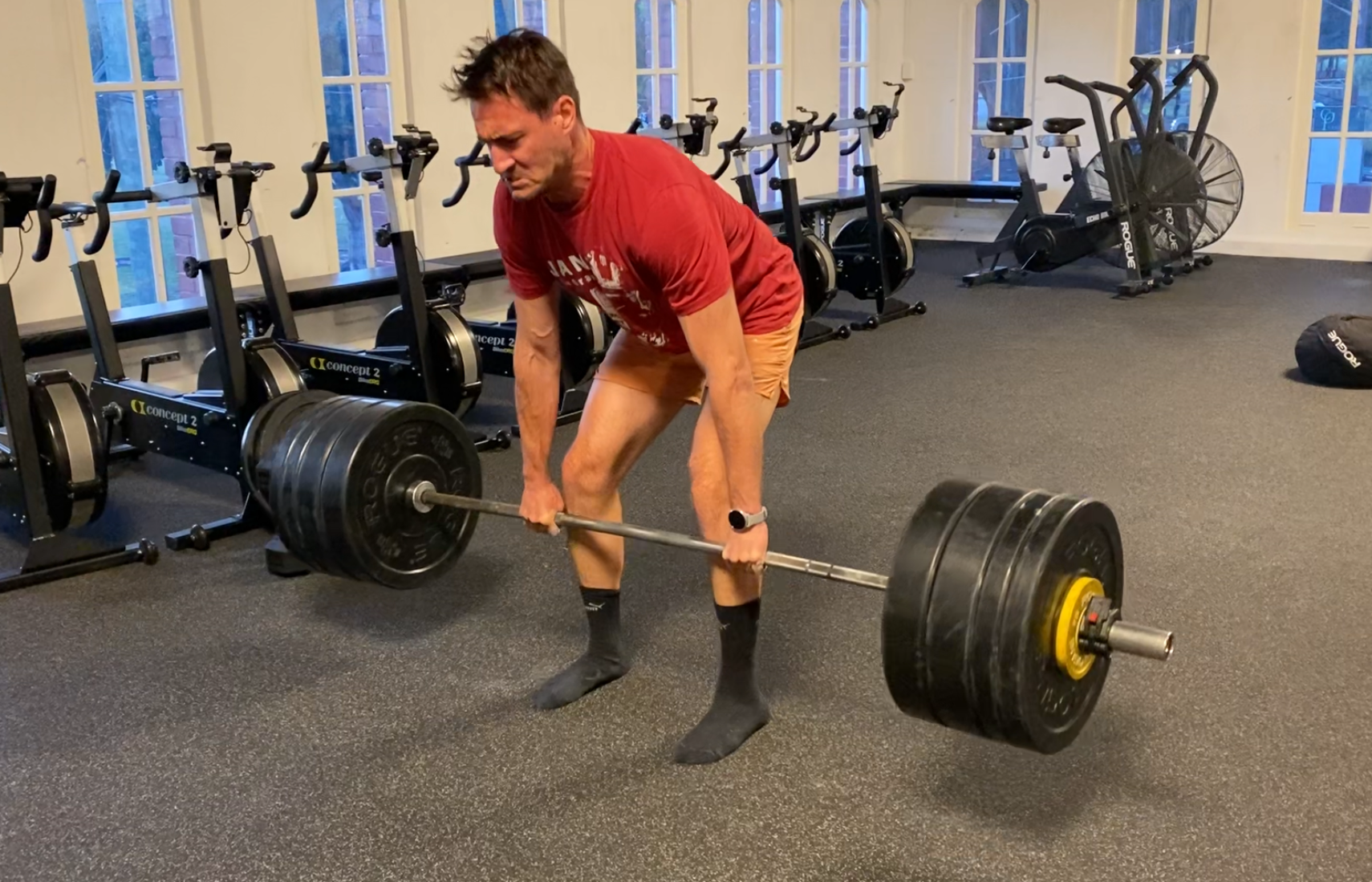
- The Deadlift: This exercise involves lifting a barbell from the ground to hip level with a neutral spine. It is considered the gold standard for engaging the entire posterior chain and building functional strength that translates directly to the stabilization required in skiing.
- Kettlebell Swings: By utilizing explosive power from the hips to swing a weight to chest height, athletes can train their glutes to fire rapidly, a necessity for navigating moguls or variable terrain.
- Barbell Hip Thrusts: This movement specifically targets glute strength, providing the pelvic stability needed to protect the lower back.
- Step-Ups: Executed with a barbell or weights, step-ups mimic the unilateral (one-legged) strength requirements of skiing, where weight is constantly shifted from one ski to the other.
Strategic Implementation: Training Protocols for the Endurance Athlete
A common misconception among skiers is that weight training will lead to excessive muscle mass, which could be detrimental to mountain performance. However, journalistic analysis of modern training protocols reveals a focus on "volume over weight."
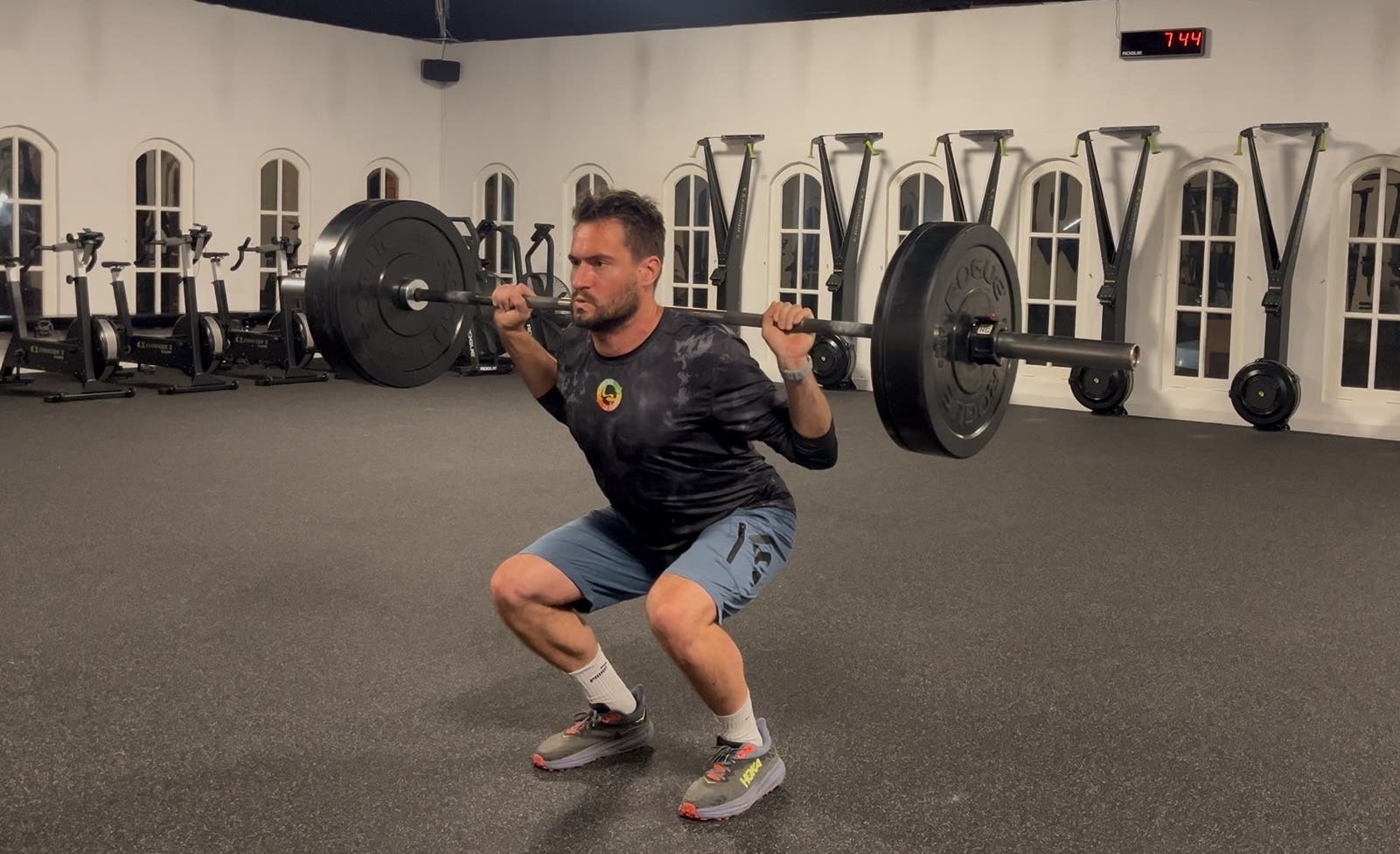
For endurance athletes, the goal is not hypertrophy (muscle size) but rather muscular endurance and structural integrity. Trainers recommend performing higher repetitions—typically 10 reps at approximately 60% of one’s maximum capacity—rather than low-rep, high-weight sets. This approach builds the "cushioning tissue" around the bones and increases bone density without adding the "glamour muscle" mass (biceps, chest, abs) that can weigh an athlete down during long climbs or technical descents.
Furthermore, "control" is prioritized over speed. Moving a weight slowly and under tension forces the stabilizer muscles to engage, correcting the underlying weaknesses that lead to chronic pain.
The Economic and Social Realities of the "Ski Town" Lifestyle
Beyond the physical mechanics, there is a socio-economic dimension to the "action and reaction" of the skiing life. Long-term residents of ski towns often face a unique set of challenges that parallel their physical injuries. The "reaction" to a decade of powder days often includes:
- Financial Instability: The loss of early compounding interest in retirement savings due to seasonal or low-wage employment.
- Career Gaps: A lack of professional work experience that can make transitioning out of the mountain lifestyle difficult in later years.
- Social Fragmentation: Difficulty in finding long-term partners in transient communities.
When chronic pain is added to these factors, the "miracle cure" of weight training becomes more than just a fitness goal; it becomes a tool for maintaining a lifestyle. The ability to continue skiing into one’s 40s, 50s, and 60s is essential for those whose social and professional identities are tied to the mountains.
Broader Impact and Implications for the Industry
The shift toward strength training reflects a broader trend in the outdoor industry toward "pre-habilitation"—the practice of strengthening the body to prevent injuries before they occur. This movement is supported by statements from medical professionals, including U.S. Ski Team surgeons, who emphasize that building muscle mass around vulnerable joints like the knees can significantly reduce the risk of ACL tears.
For the average skier, the investment in a trainer or a structured weight program is increasingly viewed as a necessary "insurance policy." While the cost of group training (averaging approximately $45 USD per week in some regions) may seem like an added expense, it is significantly lower than the cost of surgery, physical therapy, or lost wages due to injury.
Conclusion: The Prognosis for the Aging Athlete
A year into a dedicated weight training regimen, the case study subject reported feeling "as if I were 18 years old" on many days. While some minor aches remain—the inevitable result of past fractures—the chronic, debilitating pain has largely subsided. This suggests that the human body possesses a remarkable capacity for recovery when the correct mechanical stimulus is applied.
As Franco Morris concludes, "The sky’s the limit. Most people have so much room for improvement that they can counter the effects of aging for a long time." For the skiing community, this is a promising prognosis. By embracing the rigors of the weight room with the same intensity they bring to the slopes, skiers can ensure that their "action" results in a reaction of strength and longevity rather than pain and decline. The metamorphosis from a "sore skier" to a "strong athlete" is a challenging process, but for those who wish to live forever in the mountains, it is a necessary one.

