
As the alpine community prepares for the upcoming winter season, sports medicine professionals are emphasizing the critical importance of specialized physical conditioning to mitigate the inherent risks of downhill skiing. While the sport offers unparalleled recreational and competitive opportunities, the combination of high velocities, unpredictable terrain, and complex biomechanical demands creates a high-stakes environment where injury is a persistent threat. Dr. Matt Hastings, a Doctor of Physical Therapy at The Alpine Athlete in Denver, Colorado, highlights that while external factors like hidden rocks, dense tree lines, and sudden terrain changes are beyond a skier’s control, internal physiological readiness is a variable that can be meticulously managed through evidence-based exercise protocols.
The Biomechanics of Alpine Risk Management
The physical demands of skiing are unique among outdoor sports, requiring a blend of explosive power, sustained endurance, and reactive stability. Data from sports medicine clinics indicates that knee injuries—specifically tears of the Anterior Cruciate Ligament (ACL) and Medial Collateral Ligament (MCL)—account for approximately 30% to 40% of all skiing-related injuries. These incidents often occur during the "catch-an-edge" scenario or during high-impact landings where the body’s musculoskeletal system fails to absorb the kinetic energy.
To address these risks, physical therapists advocate for a transition from general fitness to sport-specific "ski fitness." This approach focuses on five primary pillars: eccentric loading, isometric stability, unilateral strength, core integration, and mobility. By implementing these strategies well before the first snowfall, skiers can develop the "body armor" necessary to withstand the rigors of the mountain.
Phase 1: Eccentric Loading and the Science of Shock Absorption
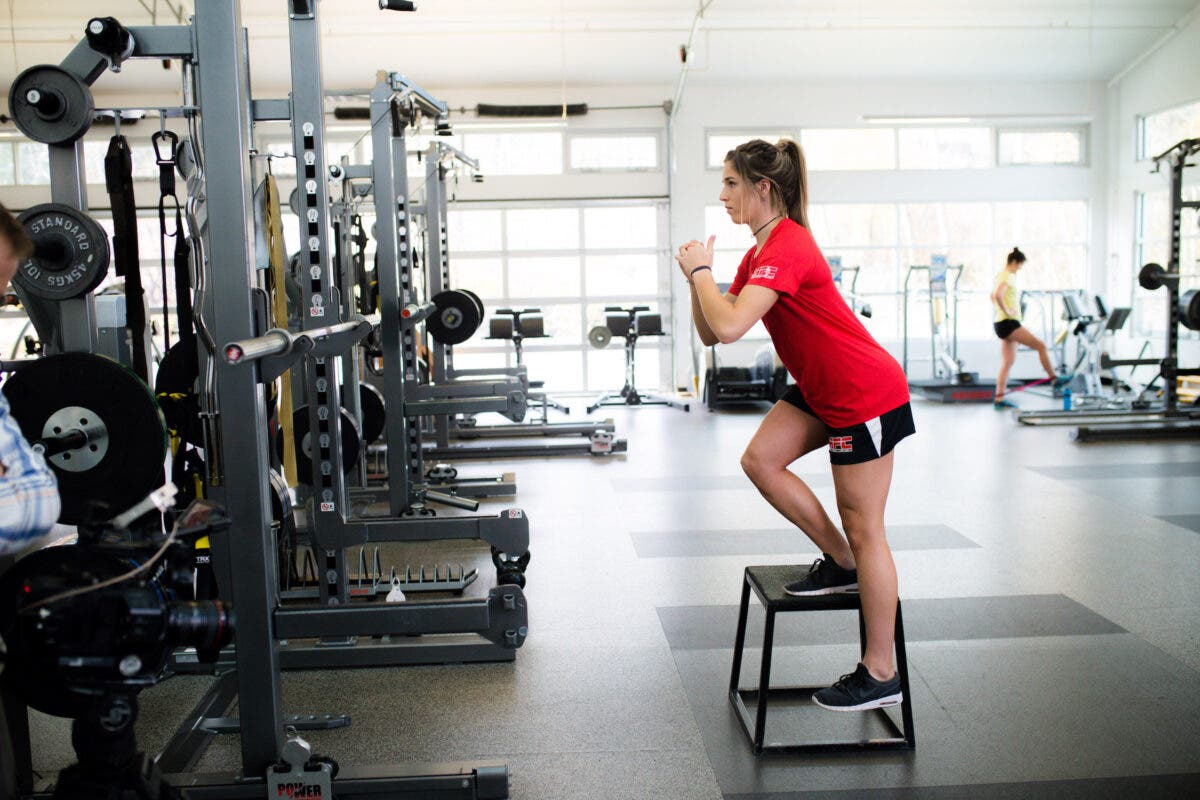
One of the most misunderstood aspects of ski conditioning is the role of eccentric muscle contractions. In physical therapy, an eccentric contraction occurs when a muscle lengthens under tension—the "lowering" phase of a movement. For a skier, this is the primary mechanism for absorbing terrain. As a skier navigates bumps, moguls, or the compression of a high-speed turn, the quadriceps and glutes must act as shock absorbers, decelerating the body against the force of gravity.
"When we take on the forces of the downhill, we are eccentrically loading our legs," notes Dr. Hastings. To train this specifically, athletes are encouraged to alter the tempo of their traditional lifts. Instead of a standard one-second descent in a squat or leg press, a ski-specific protocol might involve a four-to-six-second controlled lowering phase. This "tempo training" increases the muscle’s structural integrity and its ability to withstand high-load resistance over time, effectively teaching the legs to handle the "input" of the ski hill without buckling or fatiguing prematurely.
Phase 2: Isometric Strengthening to Combat Metabolic Fatigue
The "quad burn" experienced during a long, sustained descent is a hallmark of isometric and quasi-isometric muscle activity. In an isometric contraction, the muscle fires at a stable joint angle without visible movement. When a skier holds a tuck or maintains a deep, arcing turn, the muscles are under constant tension, restricting blood flow and leading to the accumulation of metabolic byproducts like lactic acid.
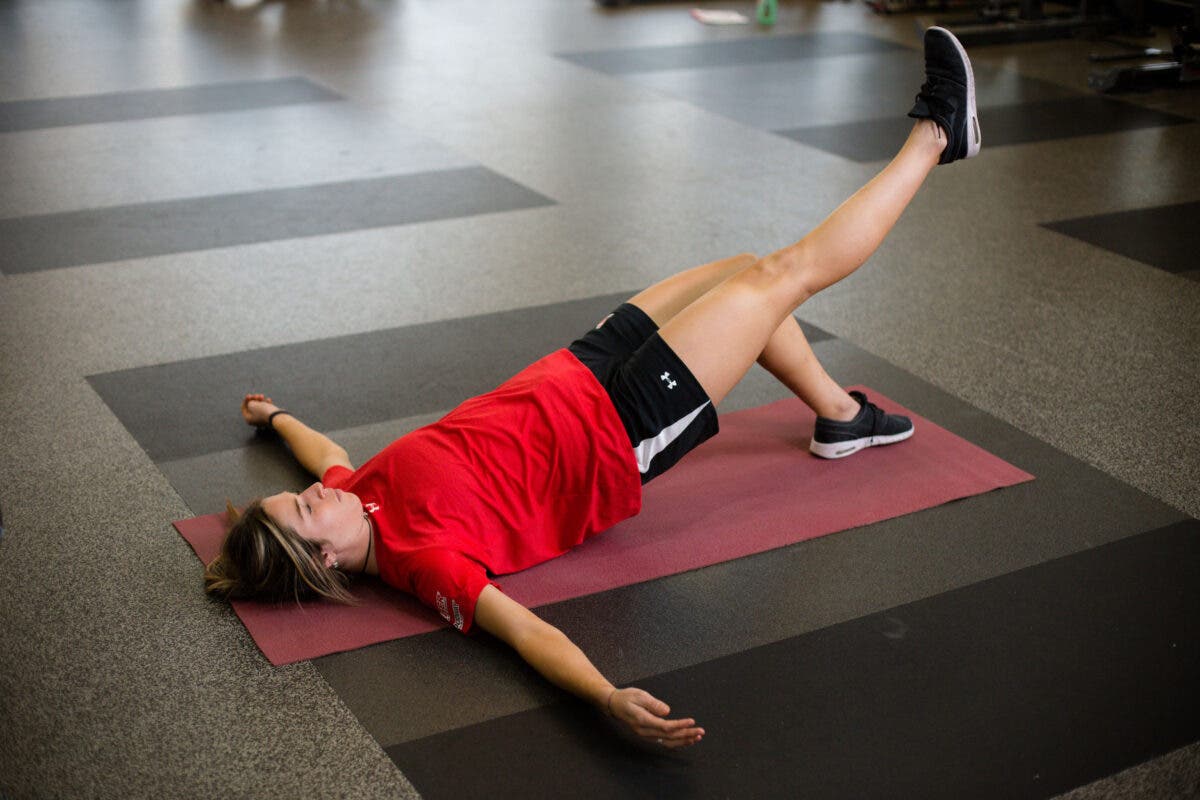
To combat this, isometric exercises such as the wall sit or the single-leg glute bridge hold are essential. Research suggests that isometric training not only builds localized muscular endurance but also strengthens the tendons, which is vital for joint protection. Dr. Hastings recommends challenging the system by adding weighted resistance or incorporating "long-duration holds" that mimic the length of a typical ski run, which can range from two to five minutes depending on the trail.
Phase 3: Unilateral Training and the Dynamics of Weight Shifting
Skiing is fundamentally a single-leg sport performed in tandem. As a skier initiates a turn, the majority of the load shifts to the downhill ski, requiring the athlete to maintain balance and edge control on one limb while the other manages transition. This dynamic weight shifting demands exceptional proprioception—the body’s ability to sense its position in space—and unilateral strength.
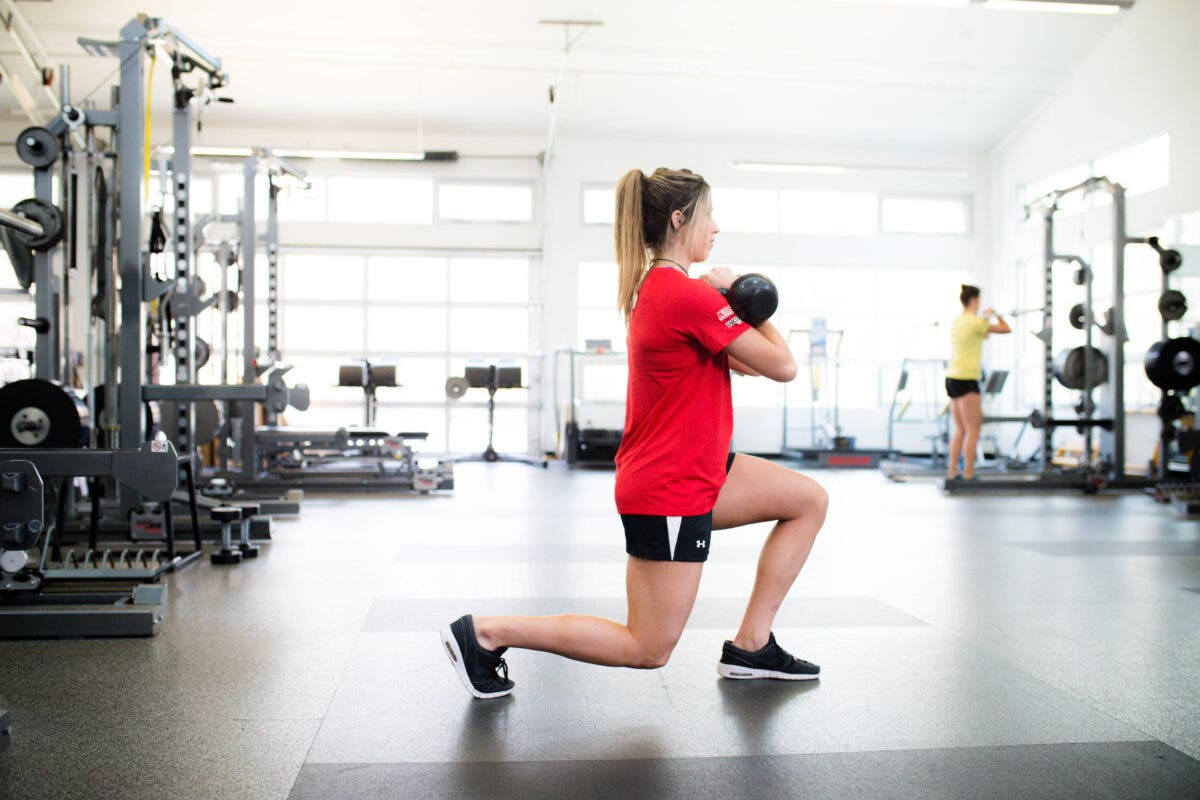
Lunges in multiple planes of movement are the gold standard for this requirement. While traditional forward lunges are beneficial, skiers must also incorporate lateral (side) lunges and reverse lunges to challenge the stabilizers in the hips and ankles. Lateral lunges, in particular, mimic the side-to-side movement patterns of slalom and carving. By isolating each leg, skiers can identify and correct muscular imbalances, ensuring that a dominant leg does not overcompensate for a weaker one, which is a common precursor to injury.
Phase 4: Core Stability and the Copenhagen Plank
A stable trunk serves as the anchor for all extremity movement. In skiing, the core must remain quiet and strong while the legs move independently underneath. Without a robust "chassis," the force of a turn is transferred directly to the lower back, leading to chronic pain or acute spinal injuries.
Standard planks are often insufficient for the high-intensity demands of the slopes. Physical therapists are increasingly pointing toward variations like the Copenhagen plank—a side plank where the top leg is supported on a bench, targeting the adductors (inner thighs) and the deep lateral core. These advanced variations improve "trunk-to-pelvis" stability, allowing the skier to maintain a professional "quiet upper body" even when the terrain becomes technical and jarring.
Phase 5: Mobility and the Chronology of Recovery
The final pillar is mobility, which differs from simple flexibility. Mobility refers to the usable range of motion within a joint. For skiers, restricted mobility in the ankles and hips is a leading cause of poor form. If a skier cannot achieve sufficient "dorsiflexion" (the ability to lean the shin forward into the boot), the body compensates by shifting the weight backward—a position known as being "backseat," which drastically increases the risk of an ACL tear.
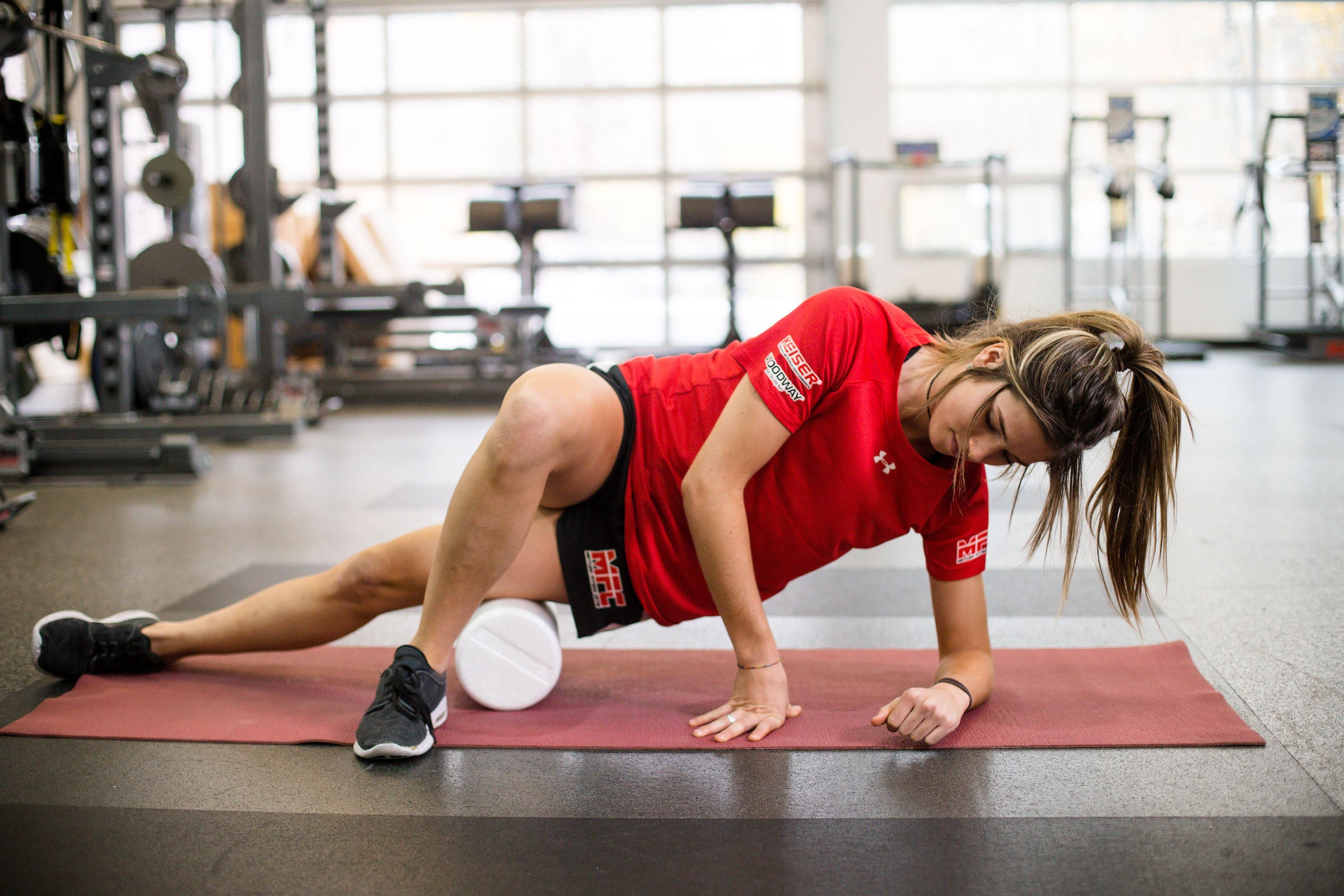
Dr. Hastings emphasizes that mobility work should be a year-round endeavor but must become a daily ritual during the season. Tools such as foam rollers, massage guns, and resistance bands are used to target the "fascial" restrictions in the IT band, hip flexors, and calves. Pre-ski mobility focuses on "dynamic" movements to wake up the nervous system, while post-ski recovery focuses on "static" stretching and myofascial release to aid in tissue repair.
Supporting Data: The Impact of Fatigue on Injury Rates
Statistical analysis of mountain resort data reveals a clear "fatigue curve." The majority of non-collision injuries occur during the final hour of the ski day, typically between 2:00 PM and 4:00 PM. This timing correlates with the depletion of glycogen stores and the failure of the muscular "shock absorbers" trained through eccentric and isometric work. When the muscles fail, the stress of the downhill is transferred to the ligaments and bones.
Furthermore, a study of collegiate alpine athletes demonstrated that those who engaged in a structured 8-week pre-season eccentric and plyometric program saw a 45% reduction in lower-extremity overuse injuries compared to those who followed a general weightlifting routine. This data underscores the "preventative medicine" aspect of physical therapy-led conditioning.
Professional Perspectives and Industry Implications
The broader implications of these training strategies extend beyond individual health. The ski industry, an multi-billion dollar sector, relies heavily on repeat visitors and "pass holders." High injury rates not only lead to personal tragedy but also impact resort operations, insurance premiums, and local economies in mountain towns.
Dr. Hastings’ approach represents a shift in the "weekend warrior" mentality. By treating the recreational skier as an "alpine athlete," the medical community is attempting to foster a culture of longevity. "When I’m not helping others get back to the activities they love, I’m pushing myself on my skis," Hastings says, highlighting the personal stakes involved in maintaining a functional, resilient body.
A Timeline for Preparation
For those targeting a late-November or December opening day, the following chronology is recommended by sports medicine experts:
- June – August (Base Phase): Focus on general cardiovascular health and foundational strength.
- September (Hypertrophy Phase): Begin increasing weight and volume to build muscle mass in the lower body and core.
- October (Sport-Specific Phase): Introduce heavy eccentric loading, isometric wall sits, and multi-planar lunges.
- November (Power and Reactive Phase): Incorporate plyometrics (jumping and landing) to prepare the nervous system for high-impact terrain.
- In-Season (Maintenance Phase): Shift focus to mobility, recovery, and short, high-intensity "tune-up" workouts to maintain strength without inducing excessive fatigue.
By adhering to these five essential strategies—eccentric, isometric, unilateral, core, and mobility training—skiers can significantly alter their risk profile. While the mountain will always remain an environment of inherent danger, a scientifically grounded physical preparation ensures that the skier is an active participant in their own safety, rather than a passive observer of the terrain’s whims. As Dr. Hastings and his colleagues suggest, the best day on the mountain is the one that ends in the lodge, not the clinic.

