
Maine’s rugged wilderness, renowned for its breathtaking landscapes and abundant wildlife, plays host to one of the largest moose populations in the contiguous United States. With an estimated 40,000 to 60,000 of these majestic creatures roaming the state, encounters between humans and moose are becoming increasingly common, particularly for hikers and outdoor enthusiasts venturing into their natural habitat. The ongoing commercial logging in the northern forests has inadvertently created an ideal environment for moose, fostering a continuous supply of young trees and shrubs that form their primary diet. Coupled with the state’s extensive network of wetlands, rivers, ponds, and lakes, which serve as crucial habitats, Maine offers a sanctuary for these massive herbivores. This thriving population, while a draw for nature lovers, also necessitates a heightened awareness of wildlife safety protocols, as illustrated by recent footage capturing a close encounter between a hiker and a moose.
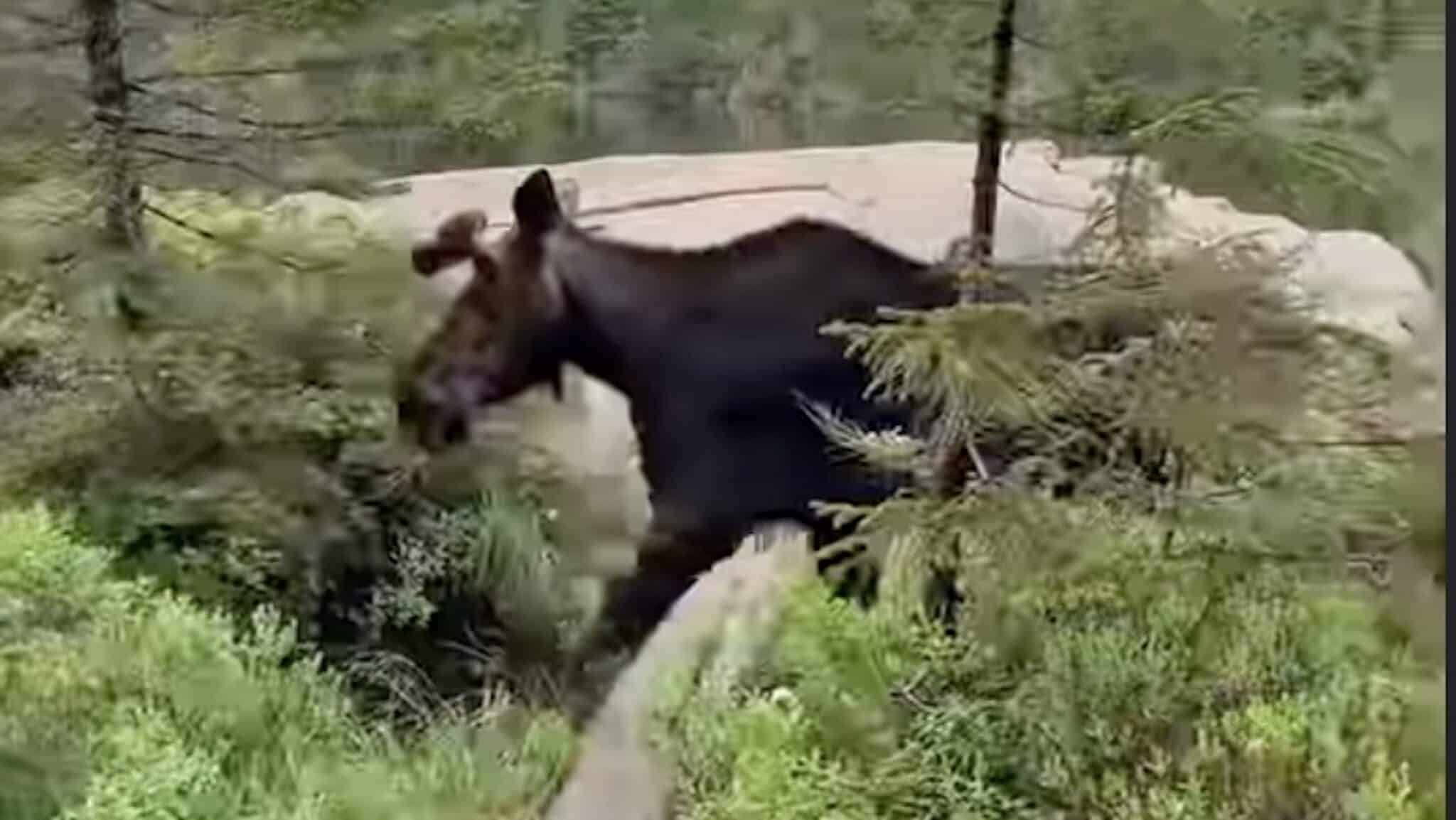
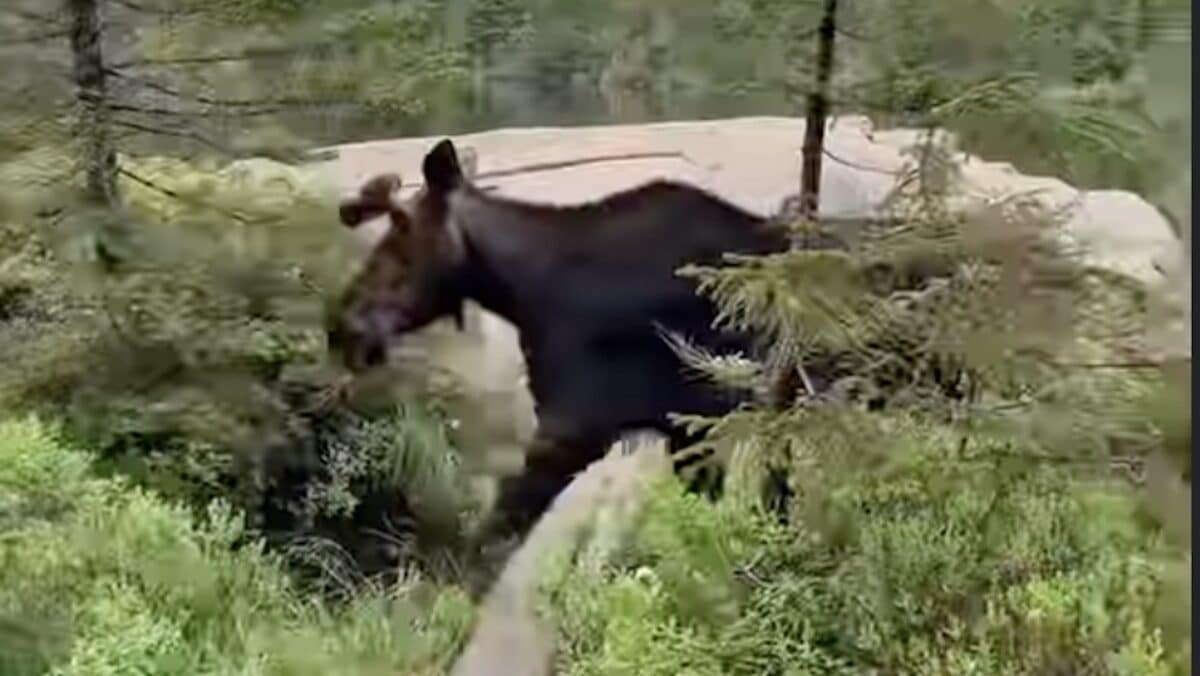
The incident, captured in a viral video, depicts a hiker navigating a trail when they come face-to-face with a moose. While the specific date and location of this particular encounter are not detailed in the initial report, the video serves as a potent reminder of the inherent risks and the importance of understanding moose behavior. Such encounters, though often fleeting, underscore the critical need for outdoor recreationists to be prepared and informed. The Appalachian Mountain Club (AMC) provides comprehensive guidance on responding to moose encounters, emphasizing that recognizing the animal’s behavioral cues is paramount to ensuring a safe passage for both the hiker and the moose.
Understanding Moose Behavior and Warning Signs
Moose, despite their often placid appearance, are powerful animals capable of defending themselves when they perceive a threat. According to wildlife experts, a moose’s typical response to feeling threatened is to either retreat from the area or react aggressively to drive away the perceived danger. The threshold for this perceived threat is closer than many people realize. If a moose alters its behavior in response to a human’s presence, it is a clear indication that the observer is too close. Therefore, maintaining a significant distance is crucial, allowing enough space for a hiker to reach cover in the event of a charge.
The AMC outlines several key warning signs that indicate a moose is becoming agitated and potentially aggressive. These signs, which can escalate to a charge within mere seconds, include:
- Ears laid back against the head: This is a classic sign of agitation in many animals, signaling stress or aggression.
- Head held low with neck outstretched: This posture can precede a charge, as the moose prepares to lower its center of gravity and gain momentum.
- Mouth open or panting: Similar to other mammals, an open mouth and rapid breathing can indicate stress or exertion.
- Bristles raised along the back: This is a physical manifestation of alarm or aggression, making the animal appear larger.
- Snorting or blowing: These vocalizations can serve as a warning to back away.
- Pawing the ground: This behavior is a clear indicator of an animal preparing to charge or defend its territory.
If a moose exhibits any of these warning signs, it is imperative for the individual to back away slowly and deliberately. Standing one’s ground is not advised. In the unfortunate event that a moose initiates a charge, the immediate action should be to run, seeking to place a sturdy object, such as a tree or a large rock, between yourself and the animal. Moose primarily strike with their powerful front hooves, and their charges can be surprisingly swift. Should an individual be knocked down, the priority remains to continue efforts to escape and find protection.
The Ecology of Maine’s Moose Population
Maine’s significant moose population is not an accidental phenomenon. The state’s geography and land management practices have created an ideal ecological niche for Alces alces. The extensive boreal forests, characterized by coniferous trees, provide shelter and a food source, particularly during the winter months. However, it is the dynamic interplay between logging and natural regeneration that most significantly supports moose numbers.
Commercial logging operations, while having broader environmental impacts, create clearings and edge habitats that stimulate the growth of young, nutrient-rich vegetation such as saplings, shrubs, and herbaceous plants. These are precisely the preferred food items for moose, especially during the spring and summer when they require substantial nutrition for growth and reproduction. The fragmented landscape created by logging, interspersed with meadows and regenerating forest stands, offers a diverse and readily accessible food buffet.
Furthermore, Maine’s landscape is dotted with numerous wetlands, including bogs, marshes, and swamps, along with a vast network of rivers, lakes, and ponds. These aquatic environments are vital for moose. They provide a source of water, but more importantly, they offer relief from insects during the warmer months. Moose are known to submerge themselves in water to escape biting flies and mosquitoes, making these watery areas essential to their survival and comfort. The abundance of these habitats contributes to the health and reproductive success of the moose population.
Historical Context and Seasonal Risks
While fatal moose attacks on humans are exceptionally rare, the potential for dangerous encounters exists, particularly during specific times of the year. In the Northeast, including Maine, the risk of aggressive encounters increases during two primary periods.
The first period is in early summer, typically from May through July, when female moose, or cows, are protecting their newborn calves. A mother moose is fiercely protective and will view any perceived threat to her offspring as a danger to be eliminated. This maternal instinct can lead to uncharacteristic aggression.
The second period of heightened risk occurs in the fall, during the moose’s breeding season, known as the rut. Bull moose, or males, can become particularly aggressive and territorial during this time, driven by competition for mates. Their focus on finding and defending females can make them less aware of their surroundings and more prone to reacting defensively to any perceived intrusion.
Despite these seasonal risks, the overarching advice for safe coexistence remains consistent: maintain a respectful distance. This principle applies year-round and to all age and sex classes of moose. Understanding these ecological factors and seasonal behaviors is crucial for anyone planning to spend time in Maine’s wild areas.
Broader Implications for Wildlife Management and Tourism
The increasing frequency of moose encounters in Maine has implications for both wildlife management agencies and the state’s thriving tourism industry. As more people venture into natural areas for recreation, the potential for human-wildlife conflict rises.
State wildlife agencies, such as the Maine Department of Inland Fisheries and Wildlife, play a critical role in monitoring moose populations, conducting research on their behavior and habitat needs, and educating the public on safe wildlife viewing practices. Their efforts often involve public outreach campaigns, the development of educational materials, and the designation of wildlife management areas where human activity is carefully regulated. The goal is to strike a balance between conserving wildlife and ensuring public safety, allowing both humans and animals to coexist.
For Maine’s tourism sector, moose are a significant draw. The opportunity to glimpse these iconic animals in their natural habitat is a highlight for many visitors. However, this attraction must be managed responsibly. Promoting responsible wildlife tourism, which emphasizes observation from a safe distance and adherence to ethical viewing guidelines, is essential to prevent negative interactions that could harm both tourists and the animals. This includes educating visitors about the potential dangers and the importance of respecting wildlife space.
The data suggests that the moose population in Maine is robust and healthy, indicating successful conservation efforts and favorable environmental conditions. However, this success also means that encounters will likely continue to be a common occurrence. Therefore, ongoing education and awareness campaigns are vital. As technology advances, the sharing of such encounters through social media, like the video accompanying this report, serves as a powerful, albeit sometimes alarming, educational tool. It highlights the importance of preparedness and responsible outdoor conduct, ensuring that the awe-inspiring experience of seeing a moose in the wild remains a positive and safe one for all involved. The continued stewardship of Maine’s wild landscapes and its magnificent moose population depends on a shared commitment to understanding and respecting the natural world.

