
As the winter season approaches and mountain resorts across the Northern Hemisphere prepare for the annual influx of alpine enthusiasts, the medical and athletic training communities are issuing a critical reminder: physical preparation is the primary defense against the inherent risks of downhill skiing. While advancements in binding technology and helmet design have significantly improved safety over the last two decades, skiing remains a high-impact sport where the combination of velocity, variable terrain, and fatigue creates a persistent risk of musculoskeletal trauma. Physical therapists specializing in orthopedic sports medicine, such as Dr. Matt Hastings of The Alpine Athlete, emphasize that a well-structured "pre-habilitation" routine is not merely a suggestion for elite racers but a necessity for recreational skiers looking to navigate a full season without incident.
The statistical reality of alpine sports underscores the importance of this preparation. According to data from the National Ski Areas Association (NSAA) and various orthopedic studies, knee injuries remain the most common trauma on the slopes, accounting for approximately 30% to 40% of all reported skiing injuries. Among these, Anterior Cruciate Ligament (ACL) tears and Medial Collateral Ligament (MCL) strains are prevalent, often occurring during "phantom foot" falls or when a skier loses control of their edge in heavy or icy snow. To mitigate these risks, experts suggest a multifaceted approach to fitness that goes beyond traditional cardiovascular training, focusing instead on the specific biomechanical demands of the sport.
The Biomechanics of the Downhill Descent
Skiing is unique among recreational sports because of the specific way it loads the human body. Unlike running or cycling, which are primarily concentric activities—where muscles shorten to create movement—skiing relies heavily on eccentric and isometric contractions. As a skier descends, their muscles must act as shock absorbers, lengthening under tension to manage the forces generated by gravity and uneven terrain. This "eccentric loading" is particularly taxing on the quadriceps and glutes. Furthermore, maintaining a stable "athletic stance" throughout a long run requires sustained isometric holds, where the muscle stays under tension without changing length. Without specific training in these areas, muscle fatigue sets in rapidly, leading to a breakdown in form and a significantly higher probability of injury during the final hours of a ski day.
Strategy 1: Eccentric Strengthening for Impact Absorption
The first pillar of an effective injury prevention program is eccentric training. In the context of physical therapy, an eccentric contraction occurs during the lowering phase of an exercise. For example, during a squat, the descent is the eccentric phase, while the ascent is the concentric phase. For skiers, the descent is where the "work" of the mountain happens.
To prepare the legs for the rigors of absorbing bumps and maintaining edge control, athletes should focus on the "tempo" of their lifts. Dr. Hastings recommends a "3-1-1" tempo: three seconds for the lowering phase, a one-second pause at the bottom, and one second for the explosive upward movement. This controlled descent forces the muscle fibers and tendons to adapt to high loads, mirroring the way the legs must resist gravity on a steep groomed run or in a field of moguls. By increasing the eccentric capacity of the quadriceps, skiers can delay the onset of the "burning" sensation that often leads to sloppy turns and subsequent falls.
Strategy 2: Isometric Stability to Combat Muscle Fatigue
The second essential component is isometric strengthening. Anyone who has navigated a long, arcing "carved" turn or waited in a tuck position on a cat-track is familiar with the intense heat that builds in the thighs. This is the result of isometric tension. Building endurance in these static positions allows the skier to maintain a low center of gravity and a stable platform, even when the snow surface is inconsistent.
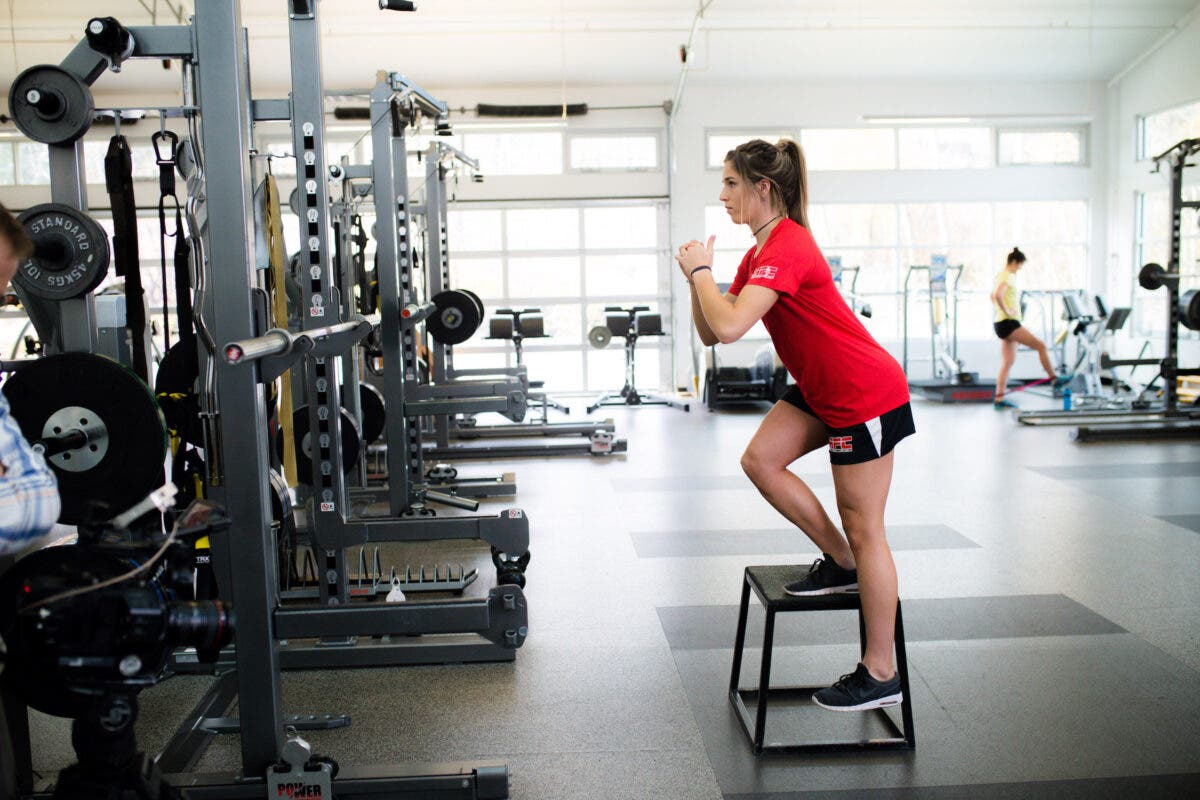
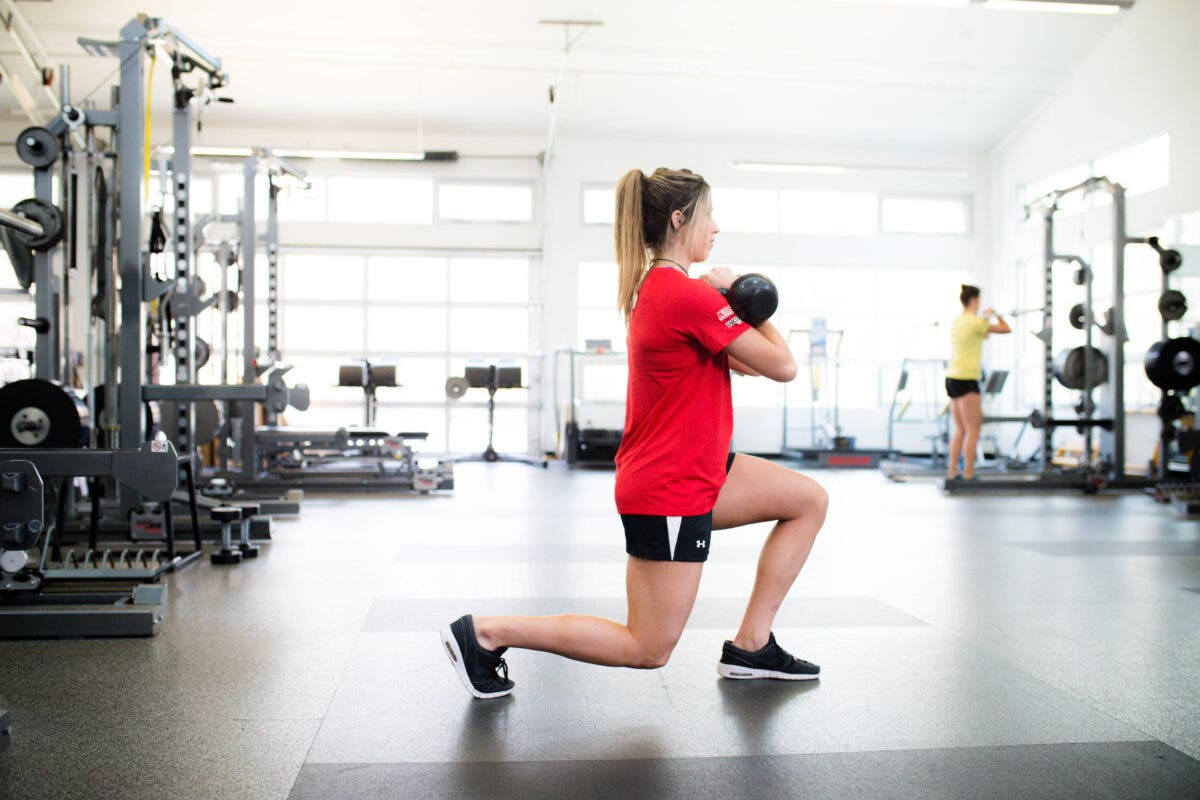
The most accessible and effective tool for this is the wall sit. However, to make it sport-specific, therapists suggest adding variations. Holding a wall sit with a medicine ball between the knees can engage the adductors, which are crucial for edge control. Alternatively, holding weights in a "goblet" position while performing a static lunge can simulate the uneven pressure often felt when one ski hits a patch of ice. Data suggests that skiers with higher isometric leg strength are better able to recover from "near-miss" incidents, where a quick stabilization of the knee joint prevents a full ligamentous rupture.
Strategy 3: Unilateral Training and Balance Integration
While skiing is performed with two feet attached to separate planks, it is functionally a single-leg sport. As a skier initiates a turn, their weight shifts predominantly to the outside (downhill) ski. This requires immense unilateral strength and proprioception—the body’s ability to sense its position in space.
Single-leg exercises, such as Bulgarian split squats, single-leg deadlifts, and multi-planar lunges, are vital. Multi-planar lunges (moving forward, laterally, and in a reverse diagonal) are particularly effective because they mimic the lateral forces encountered during a turn. These exercises challenge the gluteus medius, a key hip stabilizer that prevents the knee from collapsing inward (valgus stress), which is a leading cause of ACL injuries. Incorporating unstable surfaces, such as a BOSU ball or a foam pad, during single-leg drills can further enhance the neuromuscular pathways required to stay upright when a ski catches an unexpected edge.
Strategy 4: Core Integration and Trunk Control
A common misconception in ski fitness is that it is "all in the legs." In reality, the legs are only as effective as the core that supports them. The "stable trunk, mobile limbs" principle is at the heart of modern ski technique. A skier must be able to keep their upper body quiet and facing down the fall line while their hips and legs move independently beneath them.
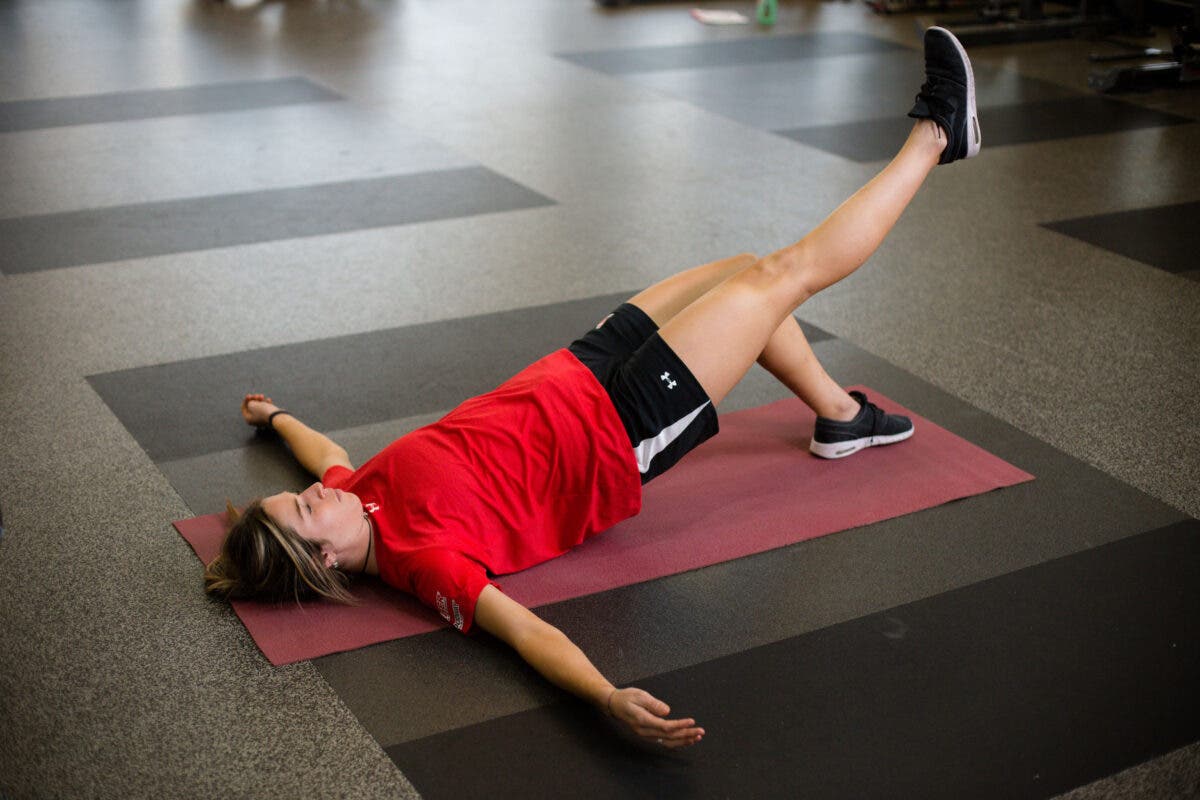
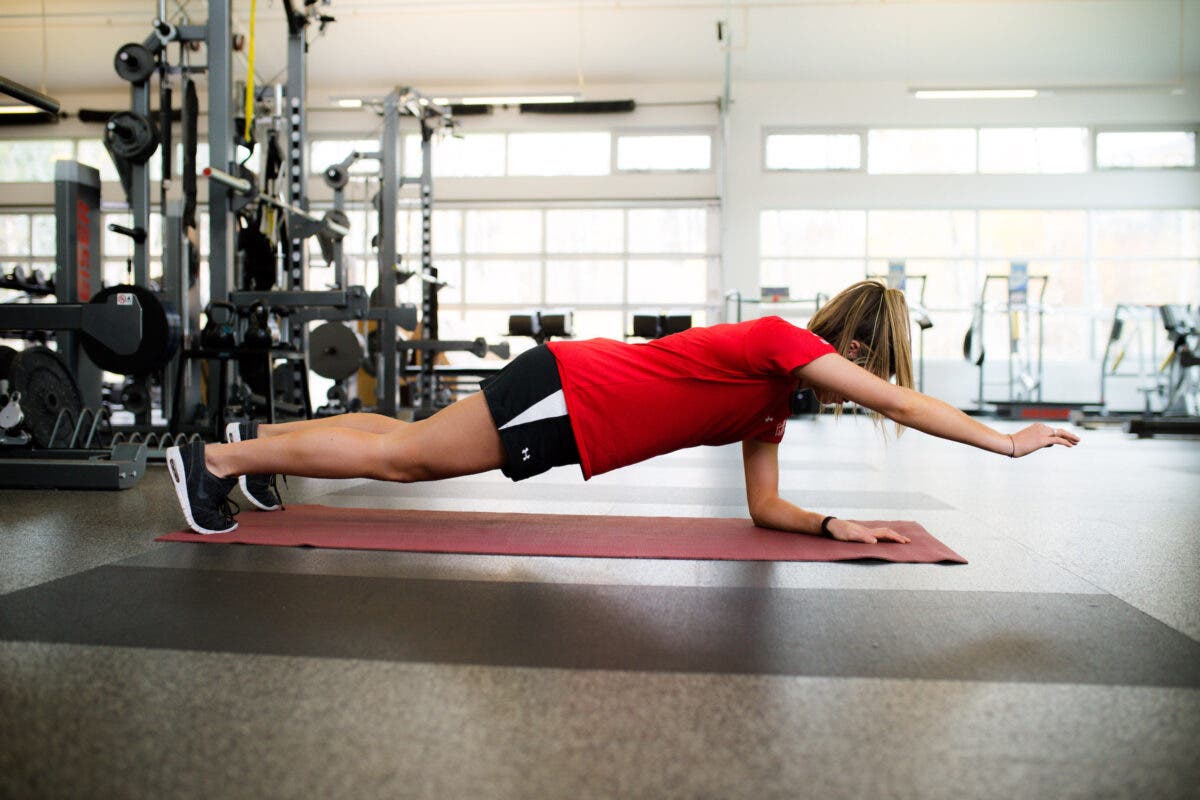
Standard planks are a starting point, but they rarely translate directly to the dynamic environment of a mountain. To bridge this gap, Dr. Hastings and other specialists advocate for plank variations that involve movement. The "Copenhagen Plank," which targets the inner thigh and deep core, is highly regarded for its ability to stabilize the pelvis. Side planks with "thread-the-needle" rotations or front planks with alternating arm reaches force the core to resist rotational forces—exactly what happens when a skier hits a bump and must prevent their torso from whipping around.
Strategy 5: Mobility and Recovery Protocols
The final strategy focuses on what happens before and after the boots are buckled. Mobility is often confused with flexibility; while flexibility is the passive range of motion of a muscle, mobility is the ability to move a joint actively through its full range of motion. For skiers, restricted mobility in the ankles and hips is a major contributor to poor form.
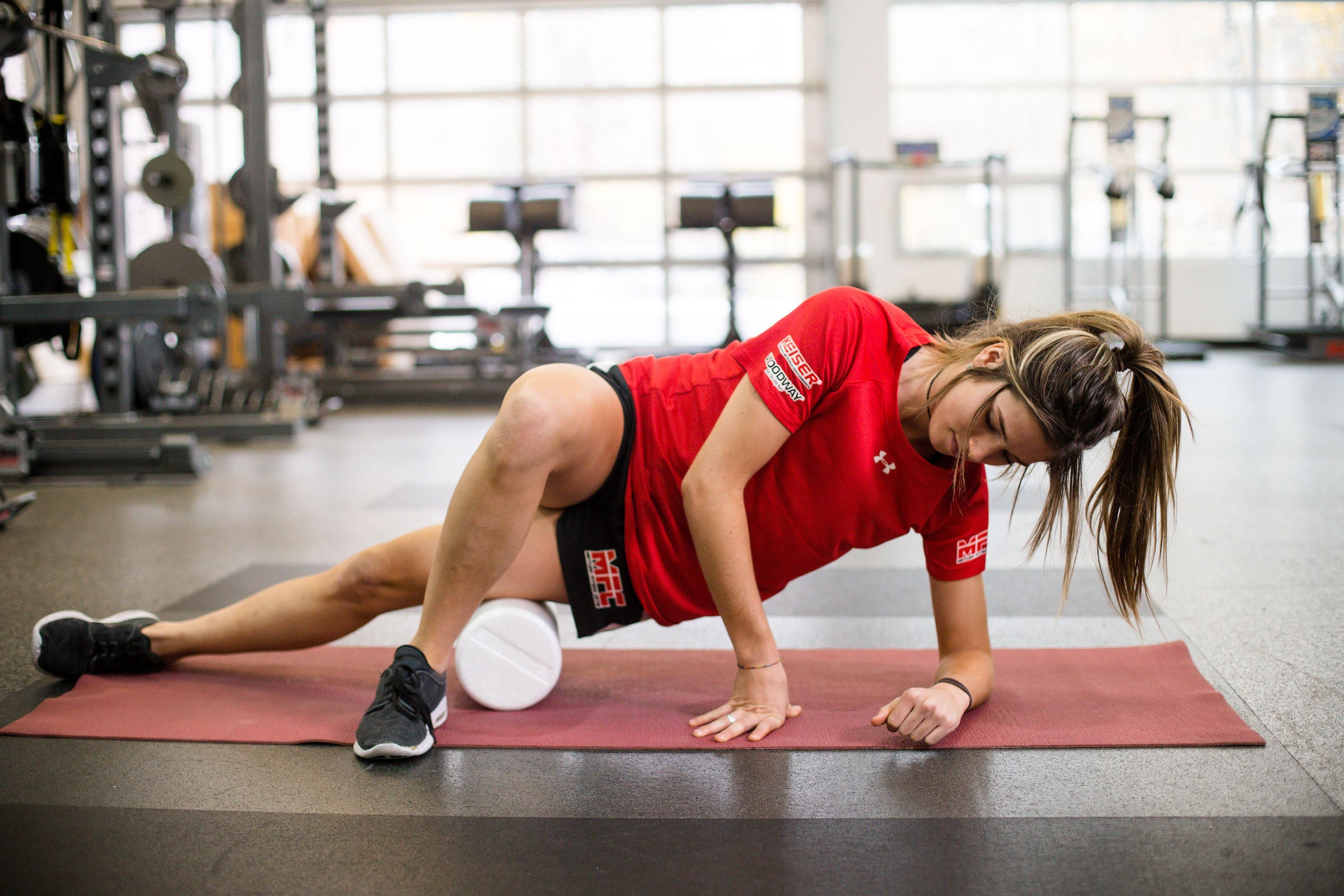
If a skier has "tight" ankles (limited dorsiflexion), they will find it difficult to maintain the forward pressure required to drive the tips of the skis. This often results in "backseat" skiing, a dangerous position that puts immense strain on the knees and makes the skis difficult to steer. Incorporating ankle mobility drills and hip openers into a daily routine can alleviate these mechanical bottlenecks. Furthermore, the use of recovery tools such as foam rollers and percussive massage guns can stimulate blood flow and reduce delayed onset muscle soreness (DOMS), allowing for multiple days of high-performance skiing without a cumulative decline in safety.
Chronology of a Successful Ski Fitness Cycle
To achieve maximum efficacy, these strategies should be implemented on a specific timeline relative to the season:
- The Foundation Phase (3–4 months out): Focus on general strength and correcting muscle imbalances. This is the time to address old injuries and build a base of cardiovascular fitness.
- The Hypertrophy and Strength Phase (2 months out): Increase the weight and intensity of eccentric and unilateral exercises. Begin introducing isometric holds.
- The Sport-Specific Phase (1 month out): Incorporate plyometrics (jumping drills) to build explosive power and focus heavily on core rotation and high-intensity interval training (HIIT) to simulate the duration of a typical ski run.
- The Maintenance Phase (During the season): Shift focus toward mobility, recovery, and "greasing the groove" with low-volume strength sessions to keep the nervous system sharp without causing excessive fatigue.
Broader Impact and Implications for the Industry
The shift toward proactive physical therapy in the skiing community has broader implications for the mountain travel industry and public health. High injury rates contribute to increased insurance premiums for resorts and a loss of revenue when skiers are forced to cut their vacations short. By promoting "ski readiness," the industry can foster a safer environment that encourages long-term participation.
Furthermore, as the skiing population ages, "pre-habilitation" becomes a matter of longevity. The "Baby Boomer" generation continues to ski well into their 70s and 80s, and for this demographic, maintaining muscle mass and bone density through the exercises mentioned above is the difference between an active winter and a sedentary one.
In conclusion, while the allure of fresh powder and high-speed descents is what draws millions to the mountains, the preparation in the gym is what ensures they return safely. By focusing on eccentric control, isometric stability, unilateral strength, core integration, and joint mobility, skiers can transform their bodies into resilient machines capable of handling whatever the mountain throws their way. As Dr. Matt Hastings suggests, the goal is not just to ski, but to ski well, stay strong, and remain injury-free for a lifetime on the slopes.

