
The transition from the vibrant colors of autumn to the first snowfall often triggers a frantic rush among winter sports enthusiasts to regain physical peak performance. However, according to leading orthopedic experts, the traditional "pre-season" workout window—typically starting in October or November—is a fundamental miscalculation in athletic preparation. Dr. Kevin Stone, a renowned orthopedic surgeon and former physician for the U.S. Ski Team, asserts that for the modern skier, training is not a seasonal event but a continuous cycle that should ideally commence the moment the previous season’s snow melts. This shift from sport-specific "cramming" to a year-round "total body fitness" model represents a significant evolution in how athletes, from novices to professionals, approach the physical demands of the slopes.
The Seven-Month Deficit and the Shift to Year-Round Conditioning
The primary challenge facing the casual skier is the loss of specialized muscle mass and cardiovascular endurance during the spring and summer months. Dr. Stone, who operates The Stone Clinic in San Francisco, notes that many skiers find themselves approximately seven months behind schedule when they begin their conditioning in late November. The "quad strength" and eccentric muscle control developed during a rigorous March ski trip often dissipate by July if not actively maintained.
The modern clinical recommendation moves away from the grueling, monotonous "ski-specific" drills of the past—such as endless lateral jumps on hard surfaces—toward a more holistic and sustainable approach. The prevailing philosophy emphasizes maintaining a baseline of high-level fitness through activities an individual enjoys. Biking, trail running, and consistent gym work serve as the foundation. Dr. Stone identifies three pillars for an effective off-season program: it must be an activity the athlete will actually perform, it should be inherently enjoyable, and it is most effective when conducted in a social or group setting. This social component not only improves accountability but also mimics the communal nature of skiing, which can enhance psychological readiness.
Biomechanics of the Slopes: The Primacy of Dynamic Movement
For those who find themselves with only days or weeks before their first trip, the focus must shift toward high-intensity, dynamic movements that replicate the chaotic environment of alpine terrain. In the hierarchy of ski fitness, the dynamic squat remains the undisputed "gold standard." Unlike a static gym squat, a dynamic version involves lateral shifts and variations in depth and speed, preparing the musculoskeletal system for the uneven pressures of moguls, ice, and powder.
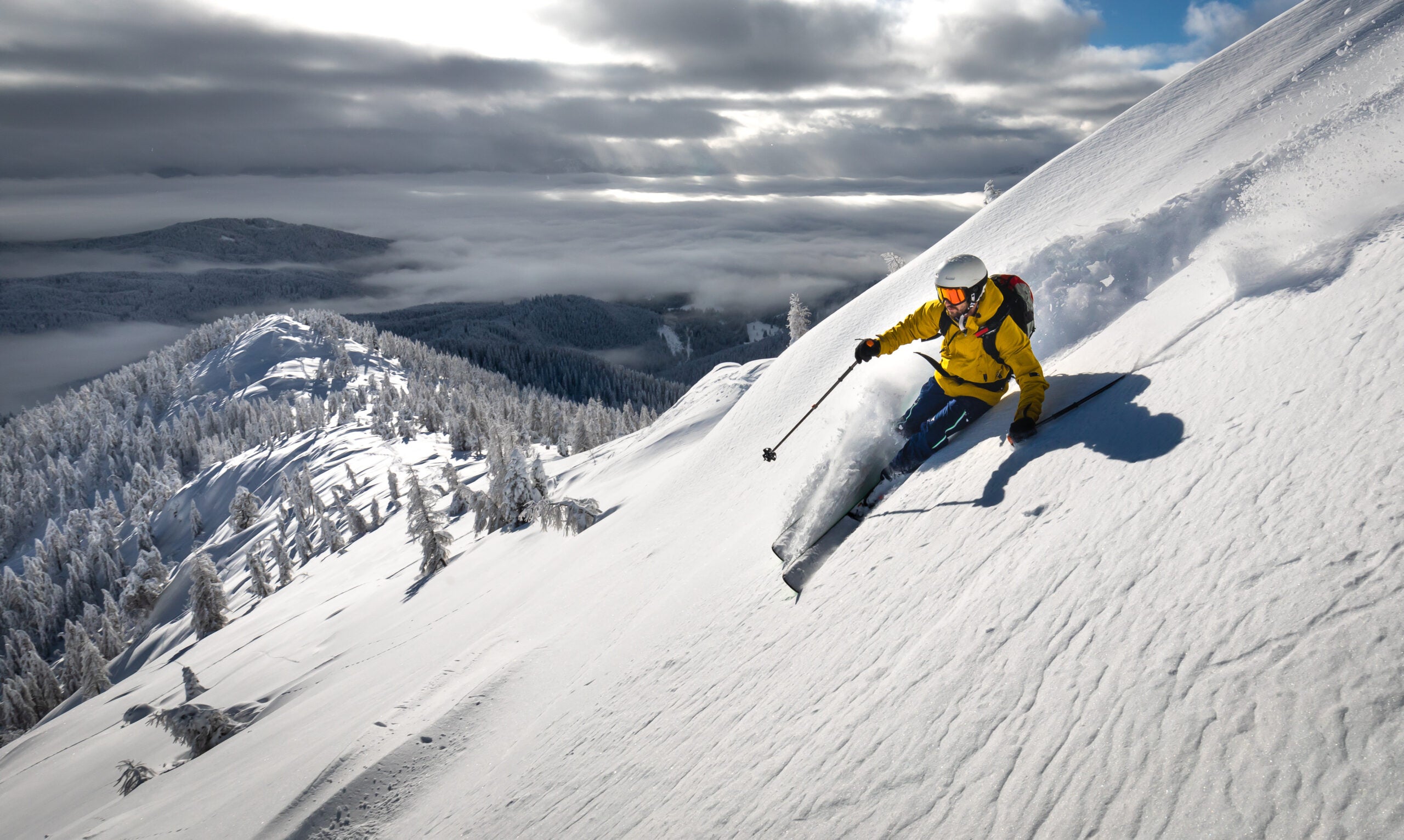
From a biomechanical perspective, skiing is a sport defined by eccentric loading—where muscles lengthen under tension. This occurs every time a skier resists gravity and centrifugal force during a turn. Dr. Stone emphasizes that if an athlete’s goal is to be a "dynamic skier," their training must be equally fluid. Exercises that reproduce the specific lateral forces and balance requirements of the sport are the most efficient use of limited preparation time. This includes single-leg stability work and core engagement exercises that allow the torso to remain stable while the lower body navigates the terrain.
The Cognitive Dimension: Mental Errors and Injury Prevention
A critical, yet often overlooked, component of ski safety is mental acuity. Clinical data from The Stone Clinic suggests that the vast majority of orthopedic injuries on the mountain are not the result of equipment failure or lack of pure muscle power, but rather "mental errors." Dr. Stone observes that many injured athletes report a sense of "something being off" or a lapse in concentration immediately preceding an accident.
Injuries frequently occur when a skier’s focus drifts toward external factors—such as social dynamics or lunch plans—rather than the immediate feedback from the snow. "Muscle development alone won’t protect your joints," Stone warns. This highlights the importance of proprioception—the body’s ability to sense its position in space. Training the mind to remain "in the game" is as vital as training the legs. This mental discipline ensures that the neuromuscular system can react instantaneously to a hidden rock or a sudden patch of ice, potentially preventing a catastrophic ligament tear.
Technological Evolution in Ski Hardware and Safety
The perception that "gear doesn’t matter" is an outdated relic of a previous era of skiing. Advances in materials science and boot geometry have fundamentally changed the safety profile of the sport. Dr. Stone argues that modern equipment is significantly safer than gear from even a decade ago. Older bindings may suffer from spring fatigue or inconsistent release values, while older skis lack the vibration-dampening technologies that reduce fatigue on the joints.
One of the most significant shifts in professional recommendations involves boot flex. For decades, the industry standard for performance was a rigid, high-flex boot that required immense force to manipulate. Today, experts suggest that 90 percent of skiers would benefit from a softer, more responsive boot. A boot that allows for natural ankle and knee flexion permits the skier to use their joints as shock absorbers, making the sport both safer and more enjoyable. Properly fitted boots that facilitate a natural range of motion are now considered a primary tool in injury prevention.
Demographic Trends in Alpine Injuries
The type of injuries sustained on the slopes often correlates closely with the age and physiological profile of the skier. In younger populations, the most common diagnoses include:
- Anterior Cruciate Ligament (ACL) Tears: Often caused by a sudden twisting motion or "phantom foot" syndrome during a fall.
- Meniscus Cartilage Damage: Resulting from high-impact compression.
- Shoulder Dislocations and Rotator Cuff Tears: Frequently the result of outstretching an arm to break a fall.
For these injuries, Dr. Stone advocates for an aggressive and comprehensive diagnostic approach, including physical exams, X-rays, and MRIs. A "pop" followed by immediate swelling carries a 90 percent statistical probability of a significant internal derangement. When surgical intervention is required—particularly for ACL reconstruction—the clinical preference at The Stone Clinic is the use of donor tissue (allografts). This avoids the "weakening" effect of harvesting a patient’s own patellar or hamstring tendon, allowing for a more robust recovery of edge-holding capability and flexion.
Solutions for the Aging Skier: Regenerative Medicine
For older skiers, the primary obstacle is often osteoarthritis—the "wear and tear" of joint cartilage. However, the field of regenerative medicine has provided new avenues for extending a skiing career well into one’s 80s or 90s. Dr. Stone highlights the efficacy of "biologic" injections, such as Hyaluronic Acid (lubricants) and Platelet-Rich Plasma (PRP/growth factors).
These treatments are designed to recruit the body’s own healing mechanisms and lubricate the joint space, often delaying or entirely eliminating the need for total joint replacements. Many patients utilize these "pre-season tune-ups" to manage bone-on-bone conditions in the knees, hips, and ankles. The goal of modern orthopedics in this sector is not just to repair, but to "biologically optimize" the joint to withstand the rigors of the season.
The Recovery Path: Fitter, Faster, Stronger
The inherent risks of skiing are undeniable, yet the sport remains a cornerstone of winter culture and personal health for millions. Dr. Stone posits that an injury, while unfortunate, can serve as a catalyst for a "rebirth" of the athlete. Through a structured rehabilitation program motivated by the desire to return to the mountains, many skiers emerge from recovery "fitter, faster, and stronger" than they were prior to the injury.
This "Bio-Logics" approach to recovery focuses on more than just returning to a baseline; it aims to exceed it. By addressing the lapses in fitness or technique that led to the injury, and by utilizing the latest in surgical and regenerative techniques, athletes can ensure a long-term future in the sport.
Broader Implications for the Winter Sports Industry
The intersection of fitness, technology, and medicine has profound implications for the ski industry. As resorts face shorter seasons due to climate variability, the emphasis on "maximizing every day on the snow" has never been higher. Reducing injury rates through better preparation and gear not only benefits the individual but also reduces the economic burden on mountain medical services and insurance providers.
Furthermore, the trend toward "skiing for longevity" is reshaping resort demographics. As medical advancements allow older generations to stay active longer, resorts are seeing an increase in the "silver skier" demographic, leading to changes in grooming priorities and the demand for high-performance, comfort-oriented gear. Ultimately, the synthesis of year-round conditioning and medical innovation is transforming skiing from a high-risk seasonal hobby into a sustainable, lifelong pursuit of physical and mental excellence.

