
The intersection of high-impact alpine sports and long-term physical health has become a focal point of sports medicine, particularly as the demographic of active skiers continues to age. While skiing is often celebrated for its cardiovascular benefits and the psychological "flow state" it induces, the sport exerts significant mechanical stress on the human frame. Recent data and individual case studies suggest that the traditional reliance on flexibility and cardiovascular endurance is insufficient for preventing chronic injury. Instead, a structured approach to resistance training, specifically targeting the posterior chain, is emerging as a vital strategy for mitigating the cumulative physical toll of the sport.
For many recreational and professional skiers, the "action" of a high-performance season inevitably leads to a "reaction" in the form of musculoskeletal degradation. This phenomenon is frequently observed in ski-centric communities, where the long-term consequences of the sport can include chronic pain, early-onset osteoarthritis, and muscle imbalances that compromise both professional and personal life. In many cases, these issues manifest as acute lower back pain or joint instability, often peaking in the third and fourth decades of life.
The Biomechanical Conflict: Evolution vs. Modern Activity
The primary driver of chronic pain in skiers is often rooted in muscle imbalances, a condition exacerbated by the mismatch between human evolutionary biology and the demands of modern athletics. According to Franco Morris, Head of Program Delivery at a prominent athletic conditioning center in Sydney, humans are not naturally evolved for the specific stresses of skiing or the sedentary lifestyle that often precedes it.
"We’re not evolved for what we do, whether that’s skiing, skateboarding, or, as is more often the case, sitting," Morris noted in a recent assessment of athletic longevity. This "evolutionary gap" is particularly pronounced in skiers who spend their work weeks in sedentary roles. The act of sitting for extended periods leads to the inhibition of the gluteal muscles and the tightening of the hip flexors, a combination often referred to as "lower crossed syndrome." When these individuals transition to the slopes, the lower back is forced to compensate for the inactive gluteal muscles, bearing the brunt of the rotational forces and vertical impacts inherent in skiing.
For an athlete with a high center of gravity—such as those with broad shoulders and a narrow pelvis—the mechanical leverage exerted on the lumbar spine is intensified. Without a robust muscular "girdle" to stabilize the torso, the spine becomes the primary shock absorber, leading to a cycle of inflammation, stiffness, and eventual acute injury.
A Decade of Decline: The Chronology of Chronic Pain
The trajectory of a typical "ski-related" chronic injury often spans a decade. A case study of a 33-year-old male skier with over 1,000 days of experience illustrates this timeline. Following a traumatic elbow fracture and dislocation eight years prior, the athlete experienced a cascade of secondary issues. By age 32, after ten years of managing dull aches through yoga, foam rolling, and dietary changes, the athlete suffered a debilitating lower back spasm.
Medical experts define a back spasm as a protective mechanism where muscles contract involuntarily to prevent further damage to the spinal structure. In this instance, the spasms were so severe they resulted in total immobilization for a period of two weeks, highlighting the failure of "management" techniques—such as stretching and massage—to address the underlying structural weaknesses. It was only through the introduction of a dedicated weight training regimen that the cycle was broken. After twelve months of consistent resistance training, the athlete reported a near-total elimination of chronic pain, suggesting that muscle hypertrophy and neurological adaptation are more effective than passive recovery methods.

The Physiological Benefits of Resistance Training
The transition from a "flexibility-first" approach to a "strength-first" approach is supported by a growing body of evidence in sports science. Resistance training offers several key physiological advantages for skiers:
- Increased Bone Density: As Franco Morris emphasizes, lifting weights promotes bone mineral density through the application of mechanical load. This is a critical preventive measure against fractures during high-velocity falls.
- Cushioning Tissue Development: Building muscle mass provides a literal buffer for the joints and bones, absorbing impact energy that would otherwise be transferred to the skeletal structure.
- Correcting Muscle Imbalances: Targeted exercises can "re-awaken" inhibited muscles, such as the gluteus maximus, ensuring that the workload is distributed correctly across the kinetic chain.
Essential Movements for the Posterior Chain
The "posterior chain"—comprising the hamstrings, glutes, and spinal erectors—is the engine room of a skier. To combat the effects of both skiing and sitting, sports trainers recommend several core movements:
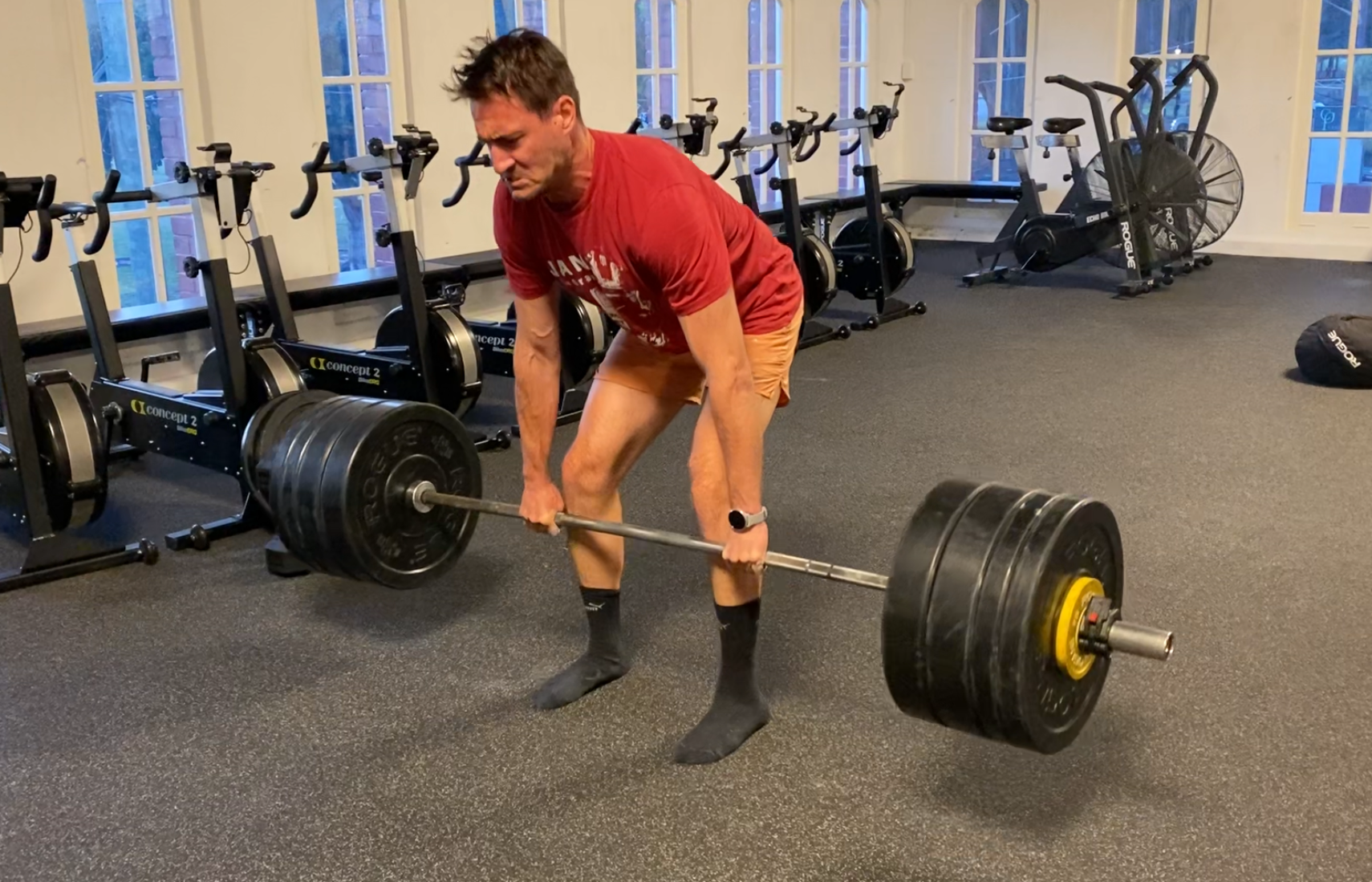
- The Deadlift: This is considered the gold standard for posterior chain development. By lifting a weight from the ground to a standing position, the athlete engages the entire backside of the body, reinforcing the lumbar spine’s ability to remain stable under load.
- Kettlebell Swings: This explosive movement trains the hips to hinge properly, fostering the power necessary for navigating moguls and heavy powder.
- Barbell Hip Thrusts: Specifically designed for glute isolation, this exercise counters the "gluteal amnesia" caused by sedentary desk work.
- Step-Ups: This unilateral movement mimics the weight transfer required in downhill skiing, improving balance and knee stability.
Strategic Implementation: Volume, Control, and Professional Guidance
For the aging athlete, the methodology of weight training is as important as the exercises themselves. The goal for a skier is generally "functional hypertrophy" and endurance rather than maximum mass.
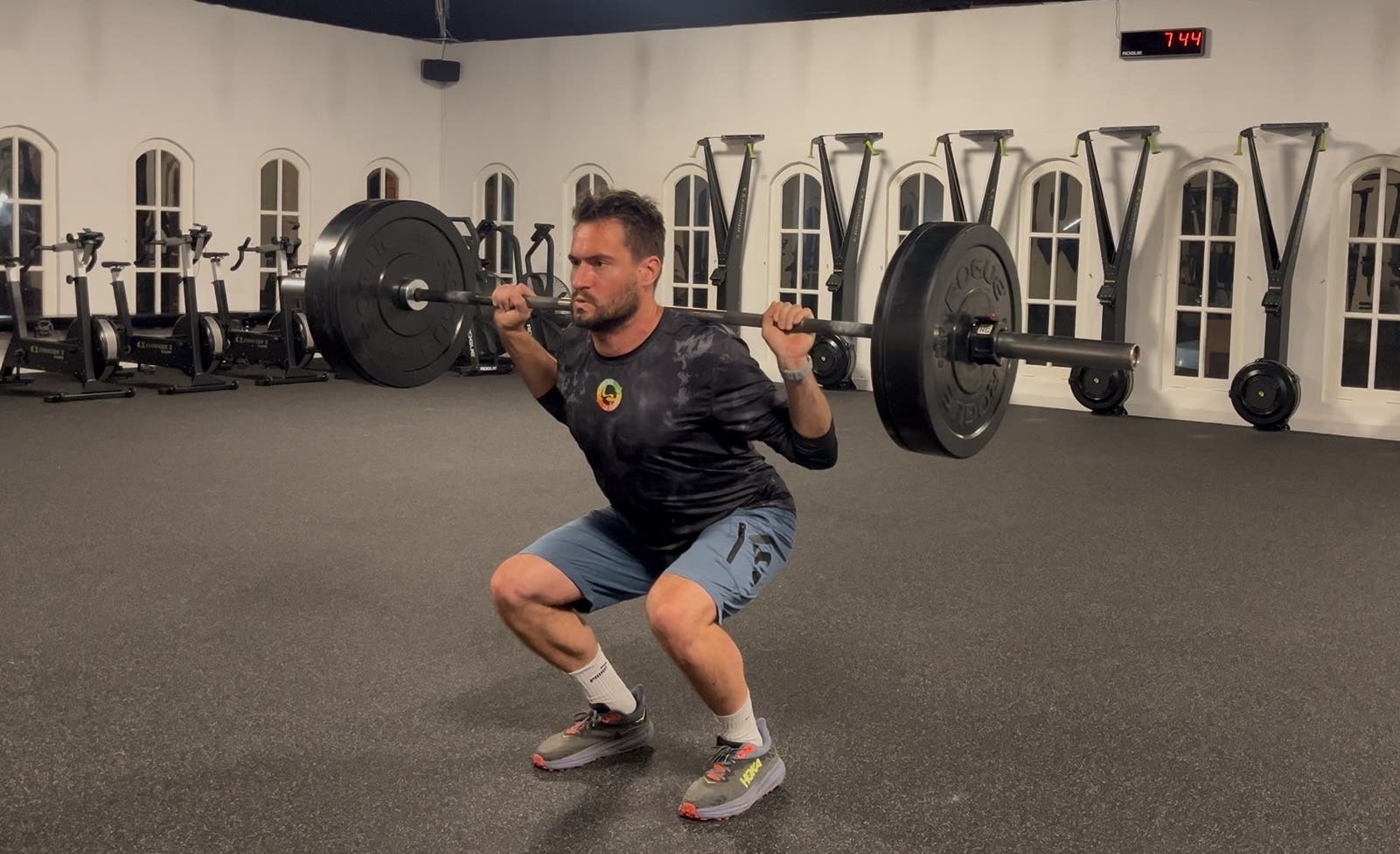
Volume Over Weight: Experts suggest a focus on higher repetitions (e.g., 10-12 reps at 60% of maximum capacity) rather than low-rep, high-weight sets. This approach builds the muscular endurance required for long descents while minimizing the risk of acute injury during training.
The Importance of Control: Slow, controlled movements (the eccentric phase of a lift) are more effective at building connective tissue strength than rapid, momentum-based lifting. This "low and slow" approach ensures that the gains are made in the stabilizing muscles, which are crucial for injury prevention.
Professional Oversight: Due to the complexity of these movements and the risk of aggravating existing injuries, the involvement of a qualified trainer is recommended. Professional trainers can identify "compensation patterns"—where the body uses the wrong muscles to complete a lift—and correct them before they lead to injury. Group training environments have also emerged as a cost-effective way for athletes to access this expertise.
Broader Implications for the Ski Industry and Public Health
The shift toward proactive strength conditioning has broader implications for the winter sports industry. As the "Baby Boomer" and "Gen X" cohorts continue to ski later into life, the demand for longevity-focused fitness programs is rising. This trend has the potential to reduce the economic burden of ski-related injuries, which currently cost the healthcare system billions annually in surgeries and physical therapy.
Furthermore, the "glamour muscle" trap—where athletes focus on aesthetics (abs and biceps) rather than function—is being debunked. Modern skiers are increasingly prioritizing "mountain strength," which favors a strong lower body and a stable core over upper-body mass. This shift represents a more sophisticated understanding of the body as a holistic system.
Conclusion: The Path to Athletic Longevity
The prognosis for skiers suffering from chronic pain is increasingly optimistic. By acknowledging the physical "reaction" to the sport and addressing it through scientifically-backed resistance training, athletes can extend their careers by decades. As Morris concludes, "Most people have so much room for improvement that they can counter the effects of aging for a long time."
While the initial phase of weight training can be physically demanding and uncomfortable, the trade-off is a transition from chronic, debilitating pain to a state of functional health. For the modern skier, the weight room is no longer an optional supplement; it is a foundational requirement for the "Live Forever" lifestyle sought on the slopes. The integration of strength training represents the next frontier in mountain sports, ensuring that the joy of the "action" is not permanently overshadowed by the "reaction" of the body.

