
As the 2025 winter season approaches, the medical and athletic communities are placing an increased emphasis on "pre-habilitation," a proactive approach to physical fitness designed to mitigate the inherent risks of alpine sports. Skiing, by its very nature, is a high-velocity activity performed on unpredictable terrain. Whether navigating the early-season "white ribbon of death" or the deep powder of peak winter, skiers face a variety of environmental hazards, including hidden rocks, dense timber, and fluctuating snow densities. Beyond environmental factors, the physical demands of the sport—characterized by high-impact forces and complex rotational movements—place extraordinary stress on the human musculoskeletal system.
Data from the National Ski Areas Association (NSAA) and various orthopedic journals indicate that while overall injury rates in skiing have declined over the decades due to better equipment, the nature of injuries has become more specific. Knee injuries, particularly tears of the Anterior Cruciate Ligament (ACL), remain the most prevalent orthopedic concern, accounting for approximately 15% to 20% of all reported alpine injuries. These statistics underscore the necessity of a well-established fitness routine before the first chairlift begins to spin. Dr. Matt Hastings, a Doctor of Physical Therapy at The Alpine Athlete, emphasizes that while no skier can control every variable on the mountain, they can significantly influence their body’s resilience through targeted, sport-specific conditioning.
The Chronology of Pre-Season Preparation
Effective ski conditioning is not a last-minute endeavor. Sports physiologists typically recommend an eight-to-twelve-week training block leading up to the season. This timeline allows for the physiological adaptations necessary to handle the eccentric and isometric demands of downhill skiing.
In the initial phase (weeks one through four), the focus is on foundational strength and mobility, identifying and correcting asymmetries in the body. The middle phase (weeks five through eight) introduces higher intensity and sport-specific movement patterns, such as lateral power and endurance. The final phase (weeks nine through twelve) prioritizes "neuromuscular reactive training," which prepares the brain-body connection to respond to the rapid, micro-adjustments required when a ski hits an unexpected patch of ice or a hidden bump. By following this chronology, skiers can ensure that their muscles and joints are not only strong but also "educated" on how to protect the skeletal structure during a fall.
1. Eccentric Strengthening: The Science of Shock Absorption
One of the most critical, yet often overlooked, components of ski fitness is eccentric training. In physiological terms, an eccentric contraction occurs when a muscle lengthens under tension. This is the "lowering phase" of a movement, such as descending into a squat or the downward motion of a lunging step.
The Physiological "Why"
When a skier travels downhill, their legs act as sophisticated shock absorbers. As the skis encounter undulating terrain, the quadriceps and glutes must lengthen to absorb the energy of the impact while maintaining control of the descent. Without sufficient eccentric strength, the muscles fatigue quickly, transferring the load directly to the ligaments and joint capsules, which significantly increases the risk of catastrophic failure, such as an ACL or meniscus tear.
Implementation and Technique
To build eccentric tolerance, Dr. Hastings recommends a "tempo-based" approach to traditional lifts. For instance, when performing a back squat or a leg press, the athlete should take three to five seconds to lower the weight, followed by a powerful, one-second ascent. This sustained tension forces the muscle fibers to adapt to the "negative" load, mimicking the sustained pressure of a long downhill run. Advanced practitioners may incorporate "eccentric-only" movements, such as Nordic hamstring curls, to specifically protect the posterior chain.
2. Isometric Stability: Combating the "Quad Burn"
Every skier is familiar with the "quad burn"—that intense metabolic fatigue that sets in halfway through a long, technical run. This sensation is largely the result of isometric muscle contractions. An isometric contraction occurs when the muscle fires but the joint angle remains static, such as when holding a tuck or maintaining a deep carve through a turn.
The Physiological "Why"
During high-speed turns, a skier must maintain a stable "chassis." The core and lower extremities work to resist the centrifugal forces pushing the body outward. Building isometric strength improves the muscles’ ability to manage metabolic waste products (like lactic acid) and maintain structural integrity under sustained pressure. This stability is essential for keeping the skis on edge and preventing the "washout" that often leads to collisions.
Implementation and Technique
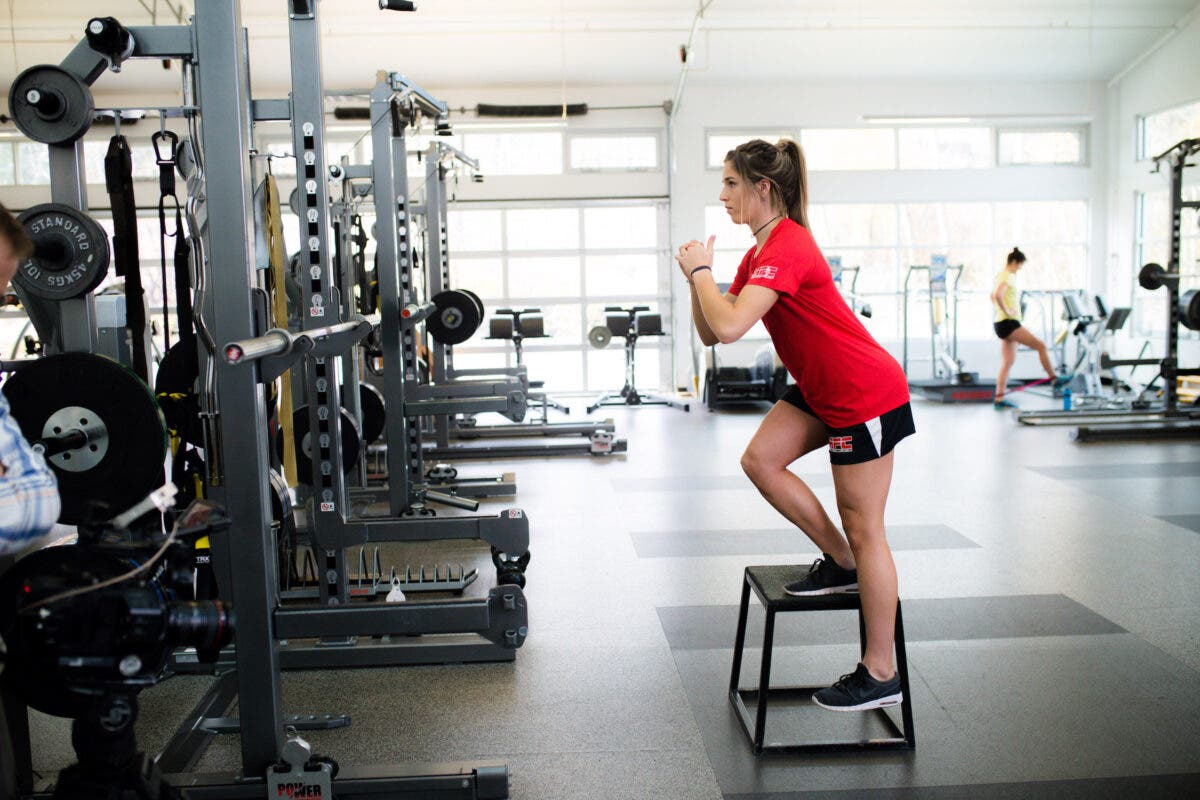
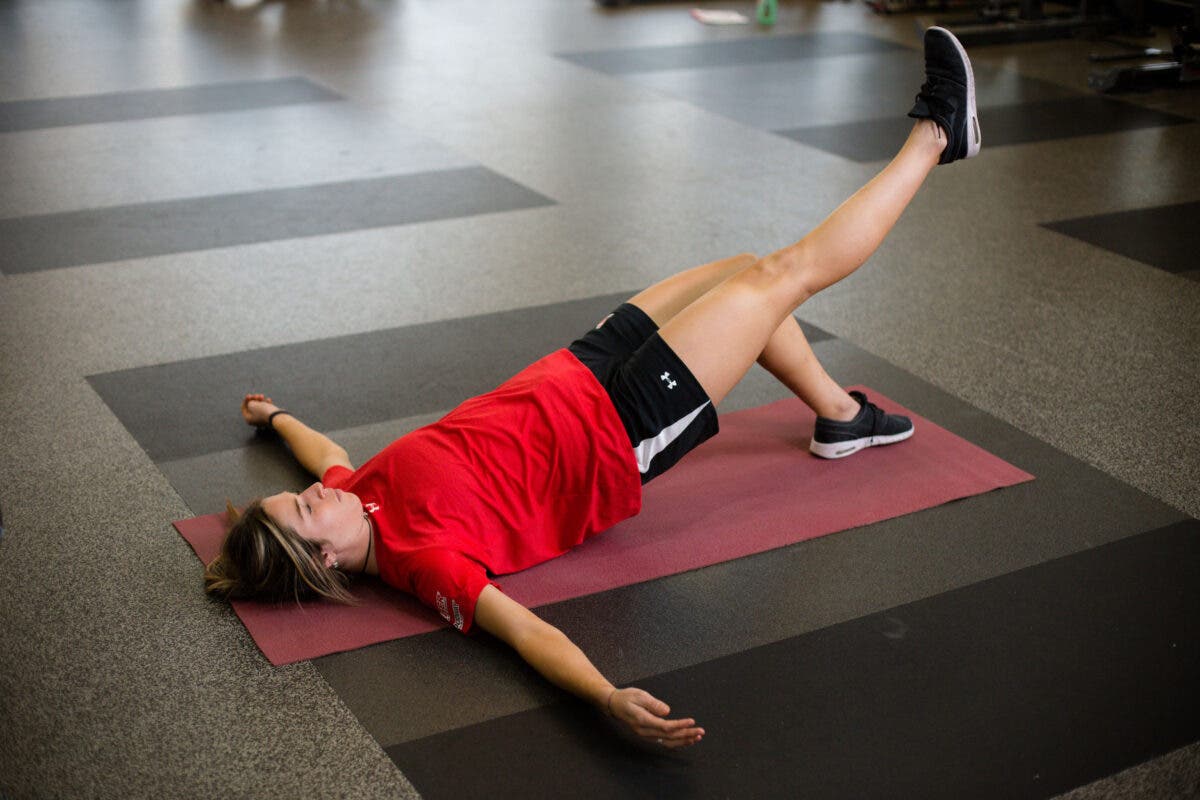
The most accessible isometric exercise is the traditional wall sit. However, for ski-specific benefits, Dr. Hastings suggests adding complexity. Athletes should aim for holds of 45 to 60 seconds, eventually adding weighted resistance held at the chest or incorporating a single-leg variation to increase the demand on the stabilizers. Isometric glute bridges are also vital, as they ensure the posterior chain is firing to support the lower back during periods of high-intensity skiing.
3. Single-Leg Dynamics: Balancing the Asymmetries
Skiing is fundamentally a unilateral sport. Although both feet are strapped into skis, the majority of the work—and the majority of the risk—is concentrated on the "downhill" or outside ski during a turn. Weight shifting and edge control require a high degree of single-leg balance and proprioception.
The Physiological "Why"
Many skiers possess a "dominant" side, leading to strength imbalances that can cause one knee to cave inward (valgus stress) more easily than the other. Single-leg exercises force the body to correct these imbalances. By strengthening the gluteus medius and the various stabilizers around the ankle and knee, a skier can ensure that each leg is independently capable of managing the mountain’s forces. This reduces the likelihood of "catching an edge" and suffering a rotational injury.
Implementation and Technique
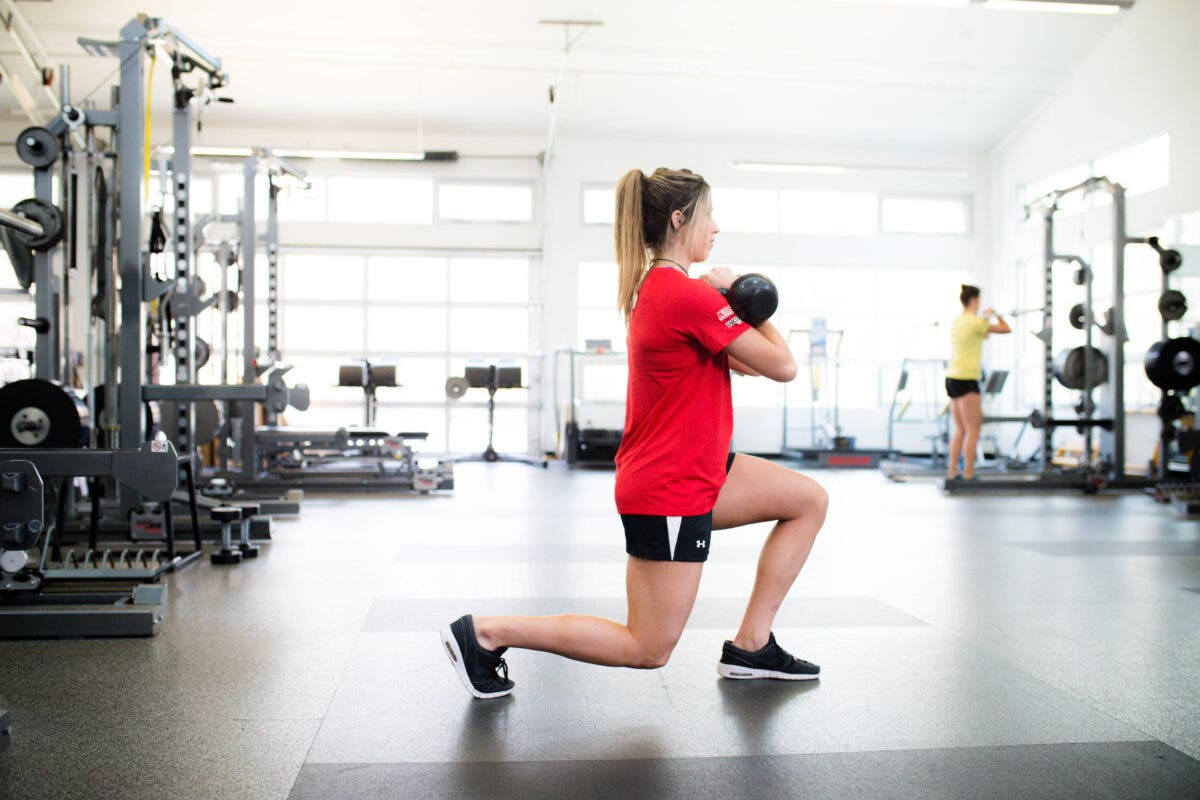
Multi-planar lunges are the gold standard for single-leg ski prep. This includes forward lunges, reverse lunges, and—crucially—lateral lunges. Lateral lunges mimic the side-to-side weight transfer inherent in carving. For progression, athletes can move to Bulgarian split squats or single-leg "skater hops," which add a plyometric component, training the body to stabilize immediately upon landing a jump or hitting a bump.
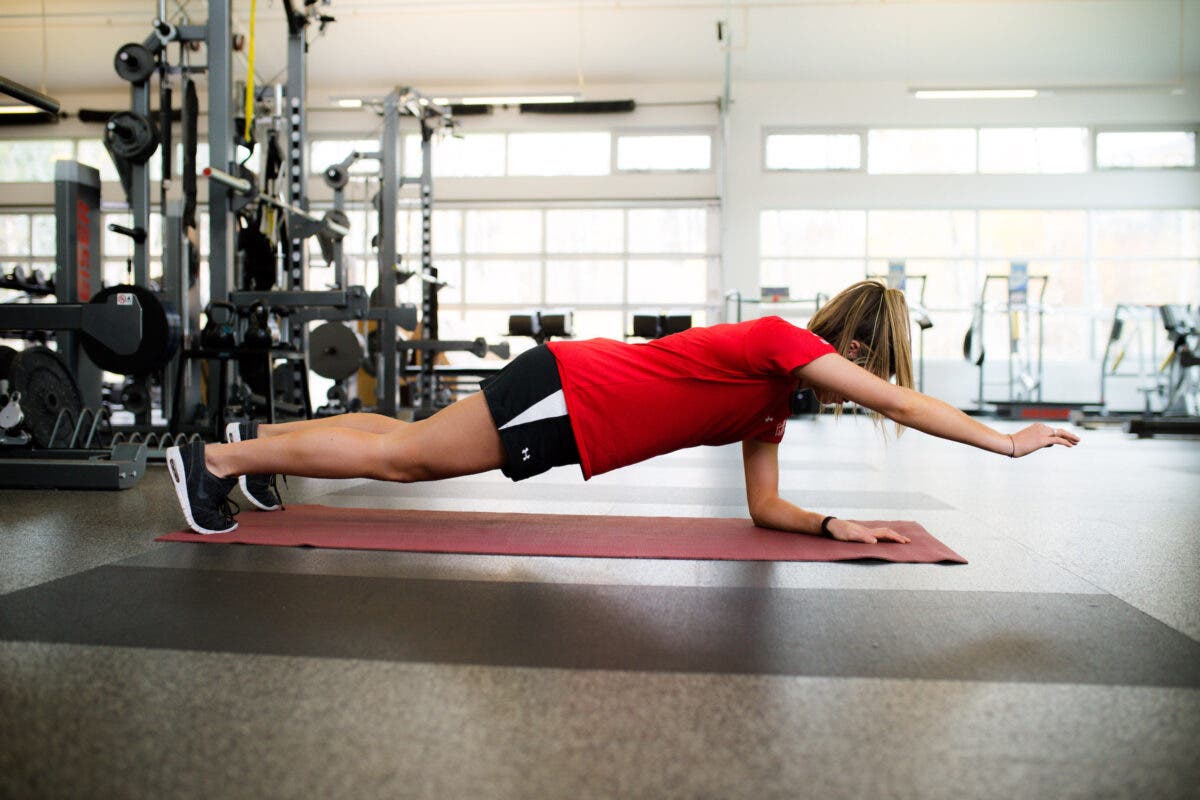
4. Plank Variations: The Kinetic Link
A common misconception is that skiing is exclusively a "leg sport." In reality, the legs are only as effective as the core that supports them. The "trunk" or core acts as the bridge between the upper body (which provides balance and pole timing) and the lower body (which interacts with the snow).
The Physiological "Why"
A weak core leads to "leakage" of power. If the trunk is unstable, the legs have to work harder to maintain the body’s center of mass, leading to premature fatigue. Furthermore, a stable core protects the lumbar spine from the jarring vertical impacts of skiing. Planks and their variations train the deep abdominal muscles—the transversus abdominis and the obliques—to remain engaged throughout the duration of a ski day.
Implementation and Technique
While the standard forearm plank is a good starting point, skiing requires dynamic stability. Dr. Hastings recommends "Copenhagen planks" to target the adductors (inner thighs), which are essential for pulling the skis back together if they start to splay. Side planks with "thread-the-needle" rotations also help prepare the body for the rotational (torsional) forces encountered in moguls or tight trees.
5. Mobility and Recovery: Maintaining Range of Motion
The final pillar of injury prevention is mobility. There is a distinct difference between flexibility (the passive stretching of a muscle) and mobility (the ability to move a joint through its full range of motion under control).
The Physiological "Why"
Ski boots are notoriously rigid, locking the ankle in a slightly flexed position. This lack of ankle movement means the knees and hips must compensate for any lack of range. If the hips are tight, that stress is transferred directly to the lower back or the medial ligaments of the knee. Pre-ski mobility work "wakes up" the nervous system, while post-ski recovery, including foam rolling and active stretching, aids in flushing out metabolic byproducts and reducing delayed onset muscle soreness (DOMS).
Implementation and Technique
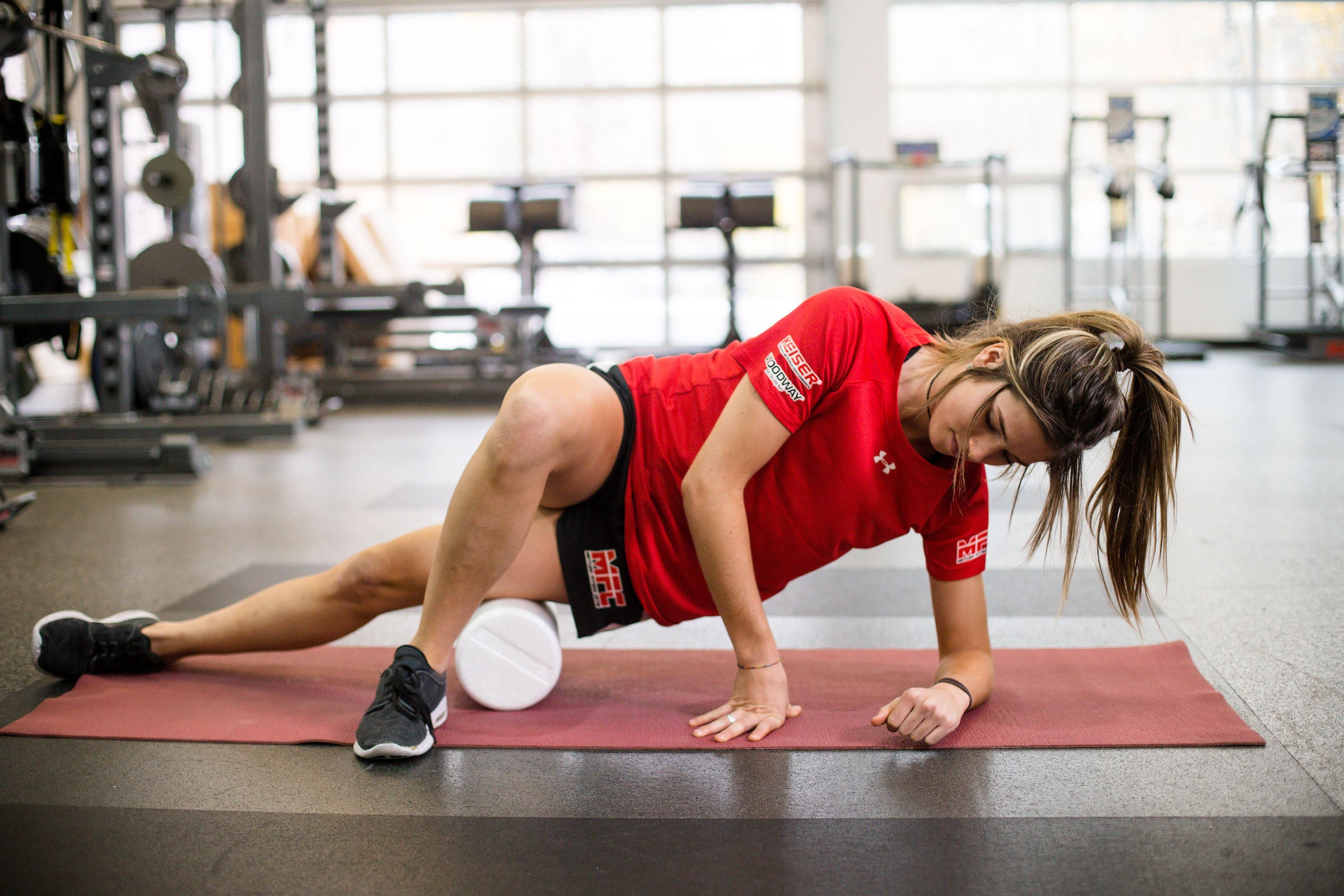
Focus should be placed on hip internal and external rotation (such as the 90/90 stretch) and thoracic spine mobility. Using tools like foam rollers or massage guns can help address "trigger points" in the iliotibial (IT) band and quads. Dr. Hastings notes that assessing areas of stiffness—particularly in the ankles and hips—should be a daily habit for the dedicated skier.
Broader Impact and Economic Implications
The shift toward proactive physical therapy in the skiing community has significant broader implications. Beyond the individual’s health, injury prevention has a substantial economic impact. The average cost of an ACL reconstruction and subsequent rehabilitation in the United States can range from $20,000 to $50,000. For the ski industry, injuries result in lost pass sales, decreased resort spending, and increased insurance premiums.
Furthermore, as the "baby boomer" and "Gen X" demographics continue to ski later into life, the role of physical therapy becomes a matter of longevity. Modern sports science, as advocated by professionals like Dr. Hastings, suggests that with the right "pre-hab" routine, the "shelf life" of a skier can be extended by decades.
In conclusion, the transition from the gym to the mountain should be seamless. By incorporating eccentric loading, isometric holds, single-leg stability, core variations, and dedicated mobility work, skiers can transform their bodies into resilient machines capable of withstanding the rigors of the alpine environment. As the June 25, 2025, update to these protocols suggests, the "brain-body connection" remains the ultimate tool for safety on the slopes. Strength is the foundation, but preparation is the ultimate safeguard against the unpredictable nature of the mountains.

