
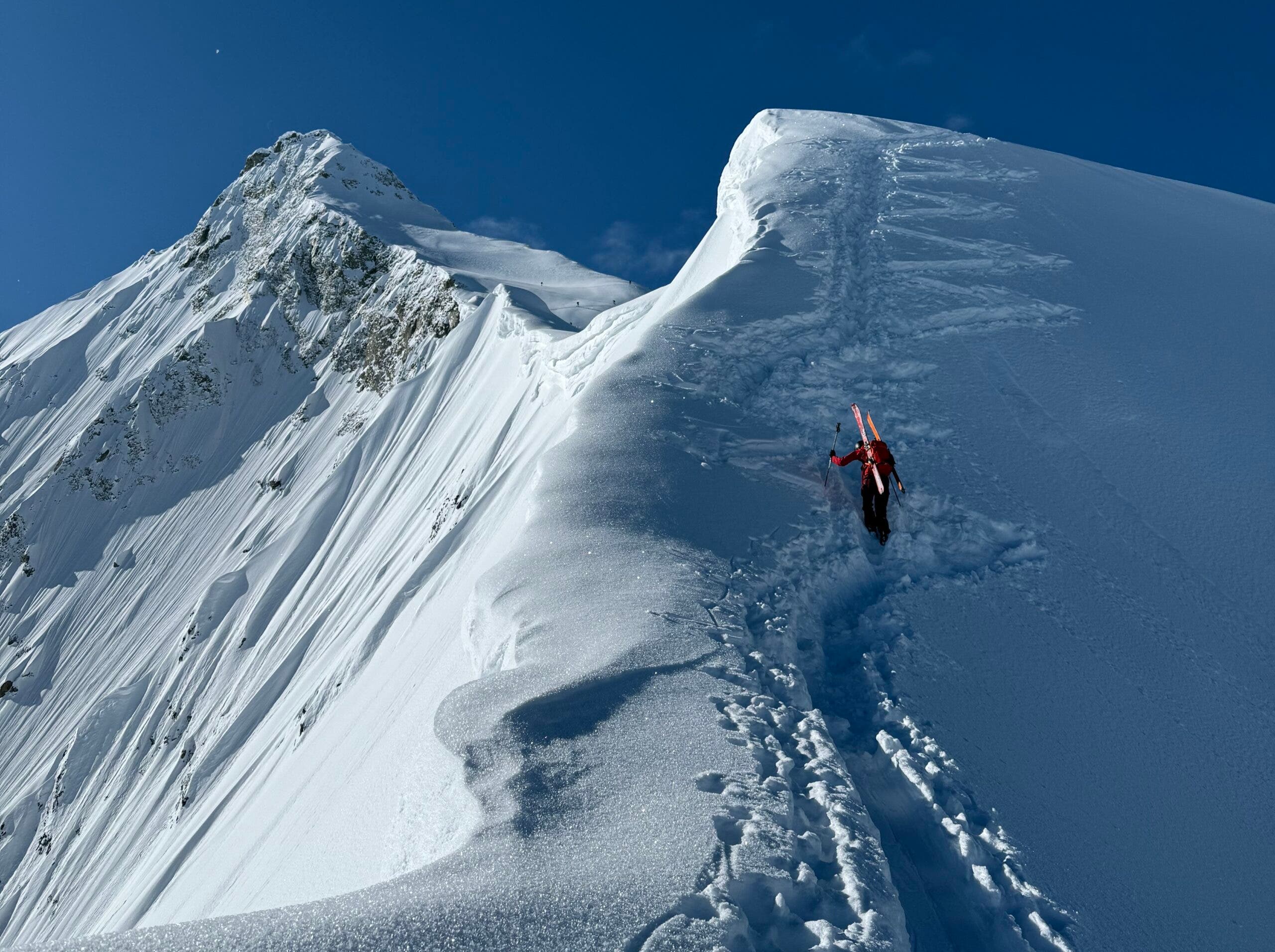
The physical demands of high-performance skiing have long been understood through the lens of Newtonian physics, specifically the third law of motion: for every action, there is an equal and opposite reaction. In the context of alpine sports, the "action" is the exhilaration of navigating high-velocity descents and deep powder, while the "reaction" is the cumulative mechanical stress placed upon the human musculoskeletal system. For decades, the culture of mountain towns has accepted a trade-off where years of peak athletic performance are followed by a predictable decline characterized by chronic joint pain, spinal instability, and a premature departure from the sport. However, emerging data and personal longitudinal case studies suggest that the integration of targeted weight training can effectively counter these physiological reactions, offering a blueprint for extending the athletic lifespan of skiers well into their fourth and fifth decades.
The Pathological Reality of the "Ski Bum" Lifestyle
The pursuit of a life dedicated to the mountains often involves a series of unspoken sacrifices. Beyond the immediate risks of acute trauma, such as fractures and ligament tears, there is a secondary tier of long-term consequences that affect the "career" skier. These include the erosion of early-career compounding interest in retirement savings, a lack of traditional professional development, and, most pervasively, the development of chronic pain.
A typical trajectory for a high-frequency skier involves approximately 1,000 days of on-slope activity over a decade. While this volume builds exceptional technical skill, it often results in a lopsided physical development. The constant torsional forces and eccentric loading required to stay upright in variable terrain place immense pressure on the lower back and hips. For many, this leads to a state of permanent "aching stiffness," where the body enters a protective mode, limiting range of motion to prevent further perceived injury. By the age of 33—a period historically considered the tail end of peak physical prime for power athletes—many skiers find themselves sidelined by ailments that feel more consistent with a population twice their age.
A Decade of Dysfunction: The Chronology of Chronic Pain
The progression from athletic vitality to chronic disability is rarely instantaneous. In a documented case involving a 33-year-old male skier, the timeline of physical decline began eight years prior with a traumatic fracture and dislocation of the left elbow. While the acute injury was treated, the subsequent years saw the emergence of systemic issues: chronic elbow pain, hip soreness during rhythmic movements like cycling or ski touring, and fluctuating lower back pain.
Between the ages of 23 and 32, the subject attempted to manage these symptoms through conventional "soft" modalities. This included a regimen of yoga, static stretching, foam rolling, and dietary changes, such as transitioning to vegetarianism to reduce systemic inflammation. Despite these efforts, the underlying structural issues remained unaddressed. The climax of this decade-long decline occurred at age 32, when the subject experienced a series of debilitating lower back spasms.
A lower back spasm is a physiological defense mechanism where the paraspinal muscles contract violently to splint the spine, typically following extreme fatigue or perceived instability. In this instance, the spasms were so severe they resulted in total immobility, requiring the individual to crawl to basic amenities and causing acute pain during simple respiratory actions like sneezing. This event served as a catalyst for a shift in recovery philosophy, moving away from passive management toward active structural reinforcement.
The Science of Muscle Imbalance and Evolution
To understand why traditional stretching often fails skiers, it is necessary to examine the concept of muscle imbalance. Franco Morris, Head of Program Delivery at a prominent athletic facility in Sydney, Australia, notes that human evolution has not kept pace with modern high-impact activities. "We’re not evolved for what we do," Morris explains, "whether that’s skiing, skateboarding, or, as is more often the case, sitting."
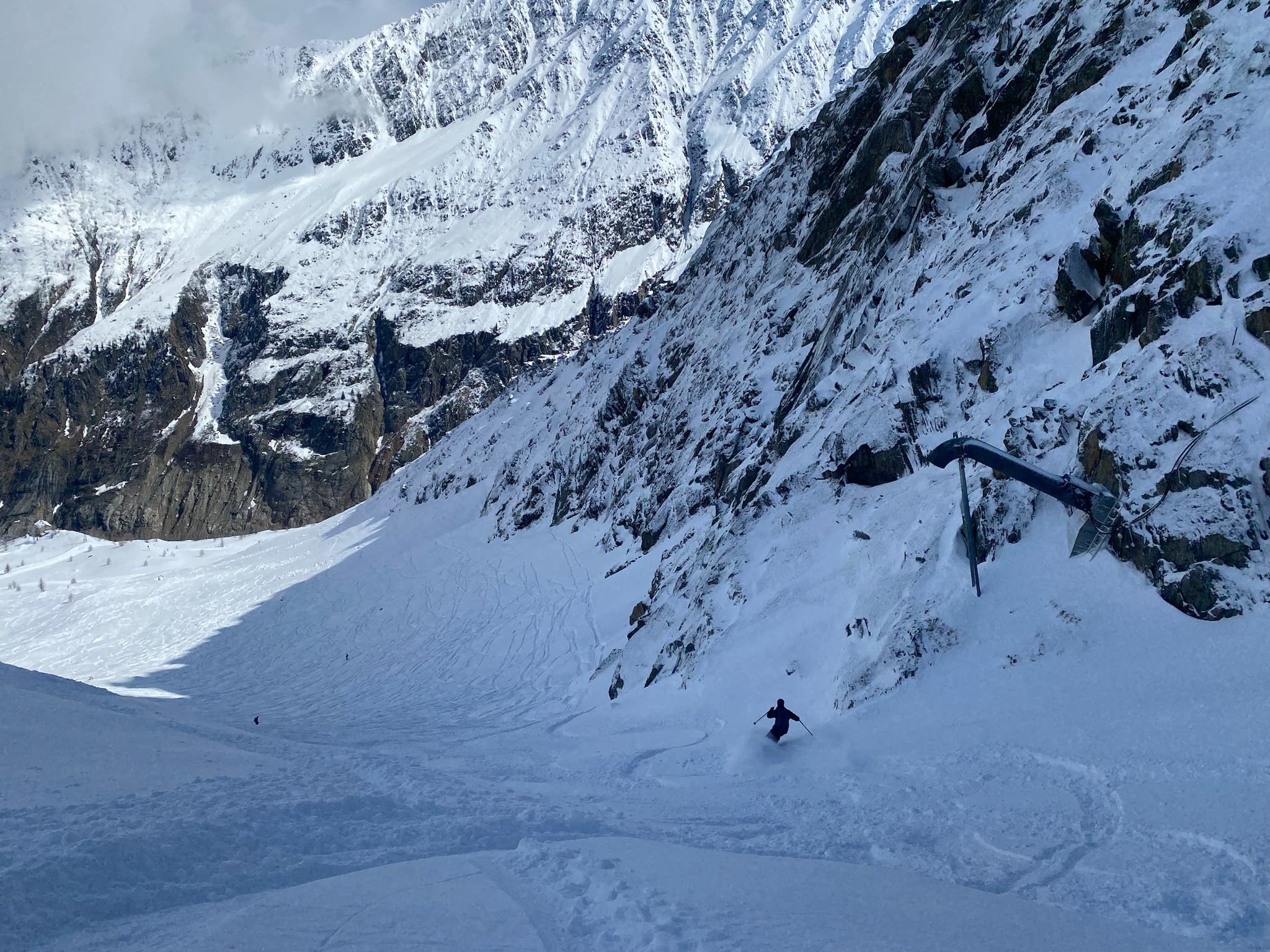
For skiers, the "upper-body apparatus"—comprising broad shoulders and a heavy torso—is constantly in motion, creating significant leverage against the spine. If the posterior chain, particularly the gluteal muscles, is not sufficiently engaged, the lower back (lumbar spine) is forced to compensate for this instability. This is exacerbated by the "sitting epidemic" in modern professional life, which leads to "gluteal amnesia," a condition where the primary power-generating muscles of the lower body become inhibited and weak.
As athletes age, muscle tissue becomes less malleable and slower to recover, making the structural support provided by strength training even more critical. Research indicates that after age 30, individuals who do not engage in resistance training can lose between 3% to 5% of their muscle mass per decade. For a skier, this loss of "cushioning" tissue and bone density significantly increases the risk of catastrophic injury during a fall.
The Strategic Implementation of Resistance Training
The transition from chronic pain to functional health requires a specific methodology tailored to the needs of endurance and power-management athletes. Data suggests that for skiers, the focus should be on the "posterior chain"—the group of muscles including the hamstrings, glutes, and spinal erectors.
Essential Movements for Alpine Reinforcement
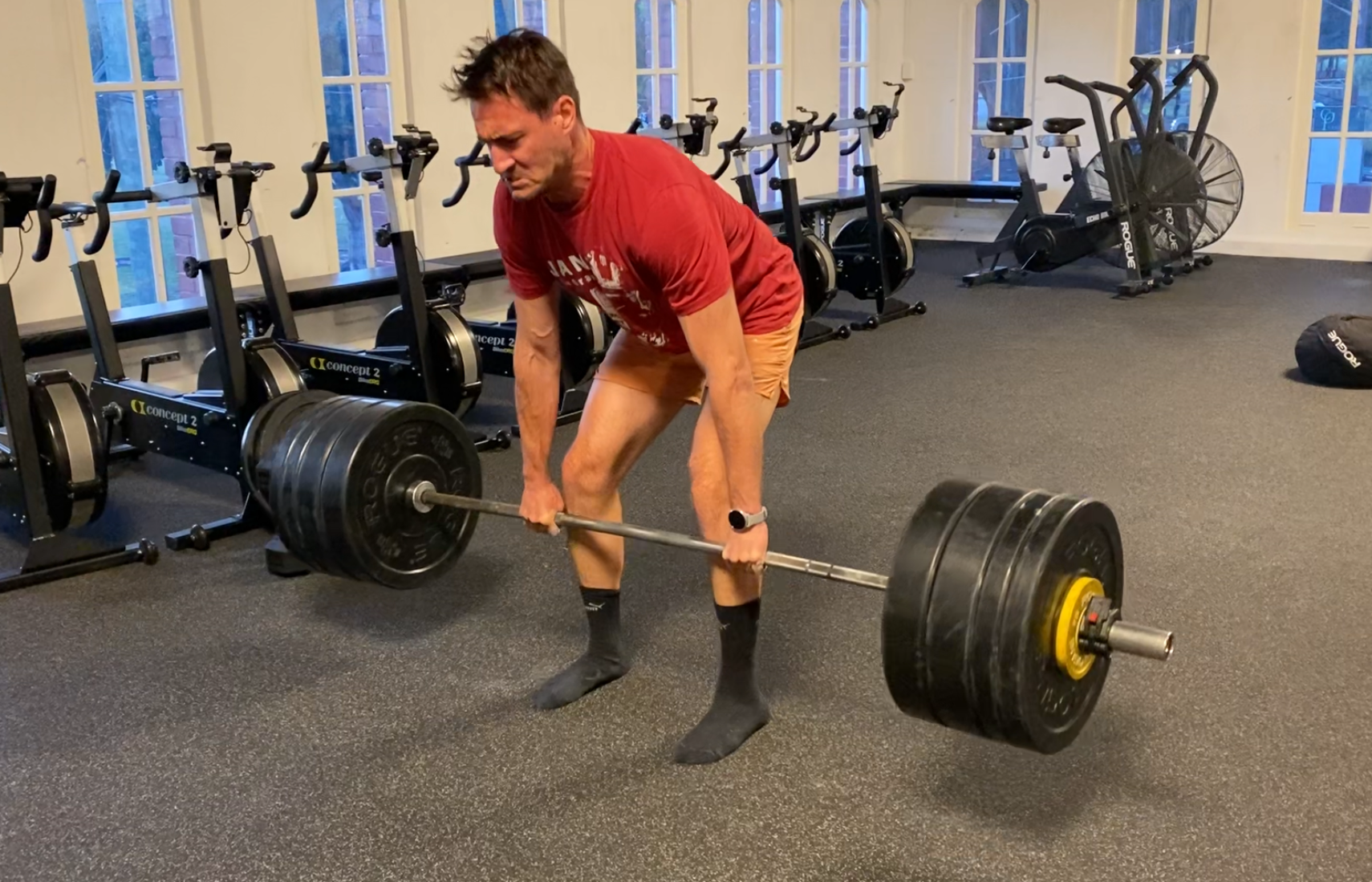
- The Deadlift: Widely regarded as the gold standard for posterior chain development, the deadlift involves lifting a weighted barbell from the ground to hip level. This movement requires a neutral spine and forces the glutes and hamstrings to provide the primary motive force, effectively "re-teaching" the body to protect the lower back.
- Kettlebell Swings: This explosive movement utilizes a hip-hinge pattern to swing a weight to chest height. It develops the fast-twitch muscle fibers necessary for reacting to sudden changes in snow texture or terrain.
- Barbell Hip Thrusts: By isolating the glutes, hip thrusts address the specific imbalances caused by excessive sitting, providing a stable base for the torso during high-G turns.
- Weighted Step-Ups: This unilateral (one-legged) exercise mimics the weight distribution inherent in skiing, where the majority of force is often channeled through the outside ski.
Training Parameters: Volume Over Intensity
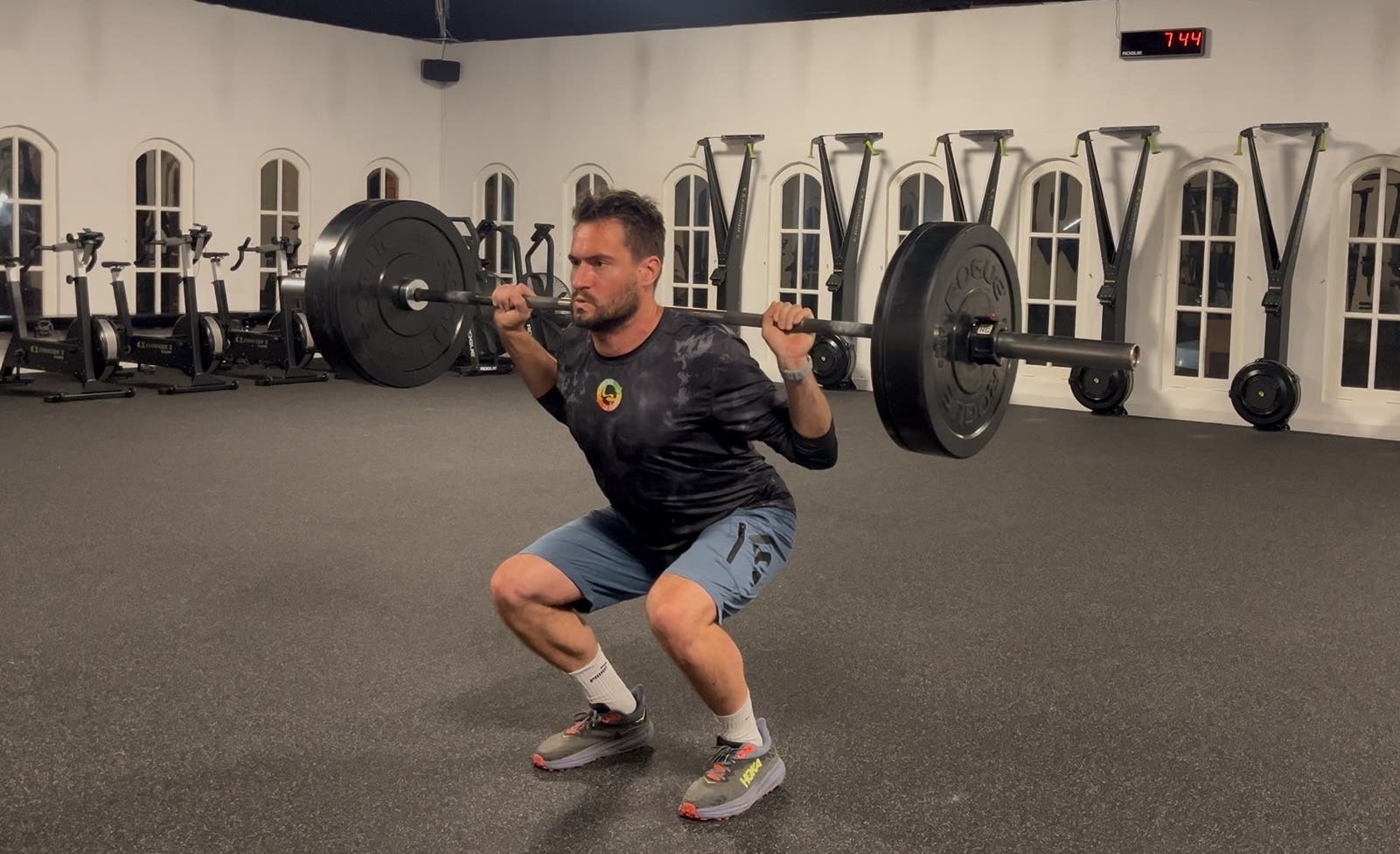
For winter sports athletes, the goal of weight training is rarely hypertrophy (maximal muscle size) but rather functional endurance and joint stability. High-volume training—defined as 10 to 12 repetitions at approximately 60% of one’s one-repetition maximum (1RM)—is generally preferred over low-repetition, high-weight sets. This approach builds myofibrillar density and endurance without adding excessive mass that could hinder agility or increase the caloric cost of mountain travel.
Socioeconomic and Psychological Factors
The shift toward resistance training also reflects a change in the socioeconomic landscape of mountain sports. Historically, "ski bums" relied on manual labor or seasonal service work, which provided a degree of physical activity but often contributed to repetitive stress injuries. Today, a growing segment of the skiing population works in sedentary, high-stress professional roles.
The financial cost of injury prevention is increasingly viewed as a necessary investment. While personal training can be expensive, group-based strength programs (averaging $45 USD per week in many markets) offer a cost-effective alternative. These programs provide the necessary oversight to ensure "control over speed," a mantra in resistance training that prioritizes movement quality to prevent the very injuries the training is intended to mitigate.
Furthermore, the psychological impact of strength training cannot be overlooked. The "mental fortitude" required to complete a challenging weight session translates directly to the mountains, providing athletes with the confidence to navigate technical terrain without the fear of their body "giving out."
Broader Implications and Future Outlook
The success of resistance training in reversing chronic pain for skiers has broader implications for the general aging population. As the "baby boomer" and "Gen X" cohorts remain active later in life, the demand for "longevity medicine" and functional fitness is surging. The ability to counter the effects of aging through bone density improvement and muscular reinforcement suggests that the traditional "retirement from sport" age may be pushed back significantly.
In conclusion, the application of weight training to the sport of skiing represents a move away from the "live fast, break young" mentality toward a sustainable, science-based approach to mountain athletics. By addressing the "equal and opposite reactions" of the sport through proactive structural maintenance, athletes can ensure that their passion for the mountains remains a lifelong pursuit rather than a decade-long sprint. As industry experts like Franco Morris suggest, the "sky is the limit" for those willing to trade fleeting post-workout soreness for the elimination of chronic pain. The prognosis for the modern skier is no longer a matter of if the body will fail, but how well it can be reinforced to endure.

