
The allure of Japan’s legendary powder snow has long drawn skiers and snowboarders from across the globe to the renowned slopes of Niseko United in Hokkaido. This past season, the team from PeakRankings ventured beyond the meticulously groomed runs and marked boundaries of the resort to immerse themselves in the untamed wilderness accessible through Niseko’s famed backcountry gates. Their expedition culminated in a daring descent through the iconic G3 gate, leading towards the majestic Niseko summit, a journey that yielded some of the finest powder skiing conditions on the planet. However, this experience also served as a potent reminder of the inherent risks and the stringent prerequisites for navigating such challenging terrain.
The Journey Through Niseko’s Backcountry Gates
The PeakRankings team’s exploration was not a spontaneous decision but a carefully planned expedition into some of Niseko’s most challenging and sought-after backcountry access points. Prior to their ultimate objective at G3, the group strategically navigated several other gates to acclimatize and assess conditions. Their initial foray was through the G11 gate, a route officially designated as a triple black diamond within Niseko’s resort map. While the upper sections presented a mixed snowpack, characterized by variable, choppy snow due to wind and skier traffic, the lower portions of the run revealed the pristine, deep powder for which Hokkaido is celebrated. This initial experience provided valuable insights into the dynamic nature of Niseko’s backcountry.
Following G11, the team moved to the G4 gate, strategically positioned to the skier’s left of the "pizza box" lift. Even late into the afternoon, a common time for snow conditions to degrade, G4 offered an impressive ankle-deep layer of fresh powder. This provided a perfect prelude to the more ambitious objective that lay ahead, allowing the skiers to gain confidence and further refine their understanding of the prevailing snow conditions and terrain features. The G4 run served as a crucial stepping stone, building anticipation and confirming the potential for exceptional skiing further into the backcountry.
The Ascent to G3: A Test of Endurance and Preparation
The G3 gate represents a significant undertaking, requiring a substantial physical and mental commitment. The ascent begins with a demanding boot pack that is characterized by its steep gradient. This initial climb is often crowded, especially on days with favorable snow conditions, and near the summit, skiers are exposed to brutal winds that can make the journey even more arduous. Upon reaching the apex, the team was met with a small, utilitarian hut, a symbolic monument, and the visible presence of geothermal vents – stark indicators of the volcanic landscape they were traversing.
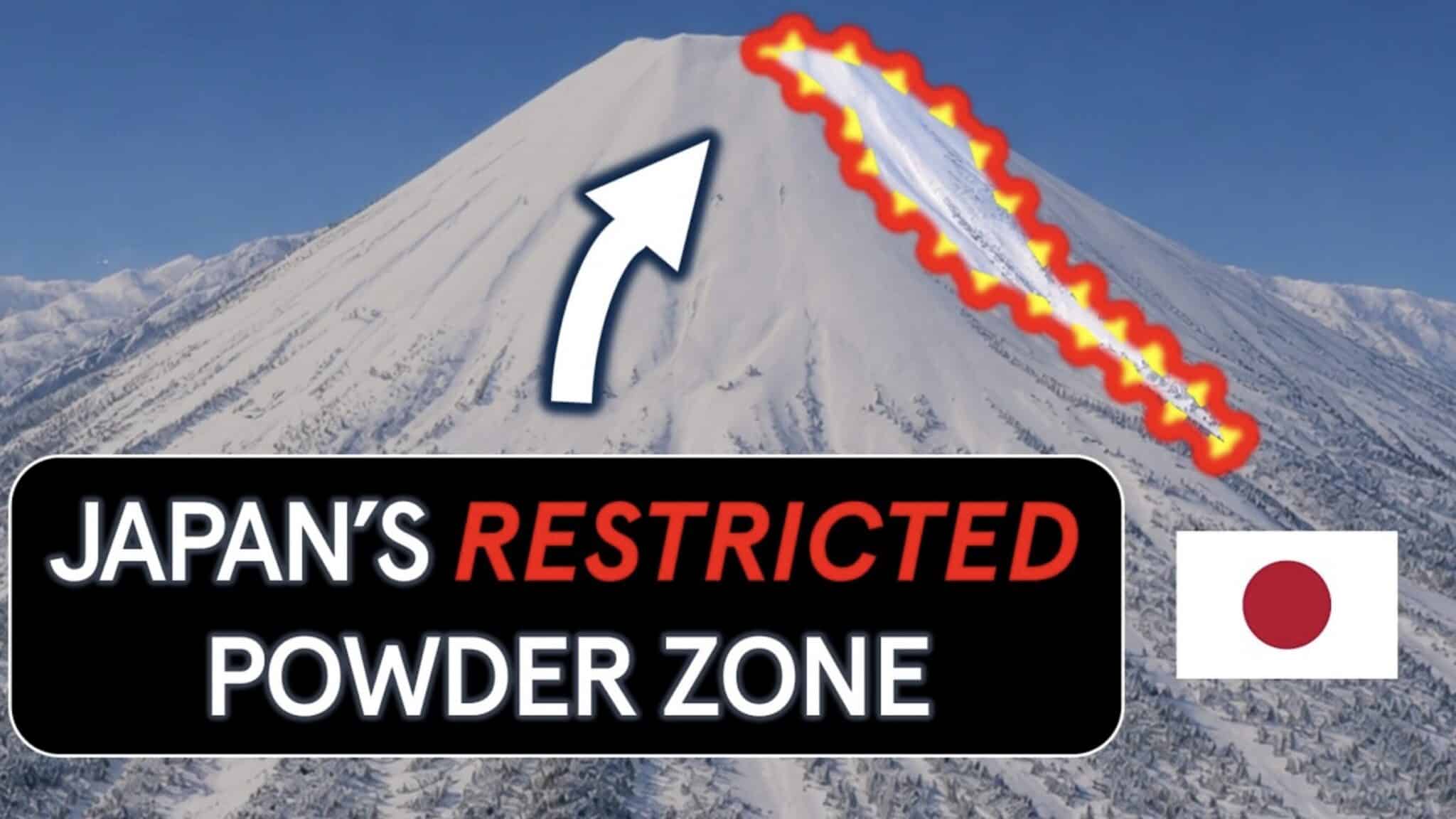
When fleeting moments of clarity allowed the clouds to dissipate, the panoramic vistas from the summit were nothing short of extraordinary. The sprawling landscape of Hokkaido unfolded beneath them, a breathtaking spectacle of snow-covered peaks and valleys. This visual reward, however, was merely a precursor to the true challenge and exhilaration of the descent. The G3 ascent, therefore, is not just a physical journey but also a mental preparation for the technical demands of the run that follows.
The Legendary G3 Descent: A Powder Dream Realized
The descent through the G3 gate undeniably lived up to its legendary reputation. The PeakRankings team reported experiencing deep, consistent powder from the absolute top of the run all the way to its terminus. This exceptional snow quality was complemented by a series of challenging natural features. One notable obstacle was Jackson’s Cornice, a prominent cornice feature that demanded precise execution and a keen understanding of snow stability. Following this, the skiers navigated through dense, challenging tree skiing, a hallmark of Niseko’s more remote areas. The culmination of these elements resulted in a run that the group unequivocally described as one of the most memorable and rewarding of their entire careers. The G3 descent is often cited by experienced backcountry skiers as a benchmark for exceptional powder skiing, and this expedition further solidified that standing.
Safety and Responsibility in Niseko’s Backcountry
The PeakRankings team explicitly emphasized that the terrain accessed through Niseko’s backcountry gates is not suitable for novice skiers. The inherent dangers of avalanche, unpredictable weather, and complex terrain necessitate a high level of preparedness and expertise. They articulated a clear set of minimum requirements for anyone considering venturing into these areas. These include:
- Avalanche Safety Gear: A transceiver, probe, and shovel are non-negotiable safety tools for any backcountry excursion.
- Pre-Planned Route: Thorough reconnaissance and a well-defined route are crucial for navigating safely and efficiently.
- Group Size and Knowledge: A minimum group size of three individuals is recommended, with all members possessing a solid understanding of the terrain and potential hazards.
Furthermore, the team strongly advised that individuals lacking formal avalanche training should prioritize hiring a qualified and experienced guide. This recommendation underscores the critical importance of professional guidance when engaging with high-risk backcountry environments. The Japanese government and local authorities have also increased efforts to educate visitors on backcountry safety protocols, recognizing the growing popularity of these areas.
Context and Analysis of Niseko’s Backcountry Access
Niseko United, comprising four interconnected resorts (Grand Hirafu, Niseko Village, Annupuri, and Hanazono), has long been a pioneer in providing controlled access to backcountry terrain. The "gates" are designated entry and exit points that allow skiers and snowboarders to venture beyond the resort’s patrolled boundaries. This system, while offering unparalleled access to pristine powder, is carefully managed to balance the desire for adventure with the imperative of safety.
The resort management has historically worked with local avalanche forecasting services and rescue organizations to monitor conditions and provide information to skiers. The opening and closing of gates are often dictated by snowpack stability, weather patterns, and the risk of avalanches. Information regarding gate status is typically available at resort information centers and online, though conditions can change rapidly in the backcountry.
The PeakRankings expedition highlights a trend of increasing interest in advanced backcountry skiing and riding. As more skiers seek authentic, untracked snow experiences, the importance of education, proper gear, and risk assessment becomes paramount. The economic impact of such tourism on Hokkaido is significant, with Niseko attracting a global clientele that contributes substantially to the local economy. However, this influx also necessitates a robust approach to safety management and environmental preservation.
The implications of these backcountry explorations extend beyond individual experiences. They contribute to a broader understanding of Niseko’s unique offerings and reinforce its status as a premier global destination for snow sports enthusiasts. Simultaneously, they serve as a crucial educational platform, underscoring the responsibilities that come with accessing such wild and beautiful terrain. The consistent quality of powder, coupled with the challenging and rewarding nature of the backcountry gates, ensures that Niseko will continue to be a magnet for discerning powder hounds for years to come, provided safety remains the utmost priority. The success of expeditions like PeakRankings’ is a testament to meticulous planning, skilled execution, and a profound respect for the mountain environment.

