
The revelation of Swedish cross-country skiing sensation Frida Karlsson’s new romantic relationship has coincided with a period of profound introspection regarding her illustrious career and future aspirations. Karlsson, who recently confirmed her relationship with Swedish actor Simon Lööf, has been a dominant force in the sport for years, amassing an impressive collection of accolades. Her latest public appearance, at the prestigious Victoria Prize ceremony on Öland, not only served as a platform for her personal announcement but also ignited renewed discussion about her trajectory in the demanding world of elite skiing.
A Prized Moment and a Personal Revelation
The Victoria Prize, awarded for outstanding athletic achievements, recognized Karlsson’s stellar performance at the recent Milano/Cortina Winter Olympics. Her haul of two gold medals and a silver in the relay solidified her status as one of Sweden’s most decorated winter athletes. It was during the presentation of this esteemed award, held on July 14th, 2026, in the picturesque setting of Borgholm, that the 26-year-old athlete confirmed her relationship with Lööf. This public acknowledgment marked a significant personal milestone, coming after her previous high-profile relationship with fellow national team skier William Poromaa concluded. Karlsson indicated that her relationship with Lööf had been developing for "some time," suggesting a stable and supportive new chapter in her personal life.
This period of personal happiness appears to have amplified Karlsson’s reflections on her professional future. The timing of these revelations is particularly poignant, as it occurs within a broader context of potential generational shifts within the Swedish national cross-country ski team.
Long-Term Plans and Evolving Perspectives
Karlsson’s intentions regarding her retirement have been a subject of discussion for some time. As early as 2024, she publicly stated her intention to conclude her competitive career following the 2027 World Championships, which are scheduled to be held on home soil in Falun. This would mean retiring at the relatively young age of 27, a decision that, at the time, underscored a desire for a life beyond the intense demands of professional skiing.
However, the intervening years have seen Karlsson continue to excel, adding two more World Championship golds and two Olympic golds to her already formidable record. This sustained success, particularly her strong performance in the most recent Olympic season, appears to have softened her previous resolve. Speaking to SVT, Karlsson expressed her current enthusiasm for the sport: "I am super excited about this season. I love my life, training and developing as a skier. And I am thoroughly enjoying it." This sentiment suggests that while her long-term plan remains, the immediate future is colored by a deep passion for her athletic pursuits.
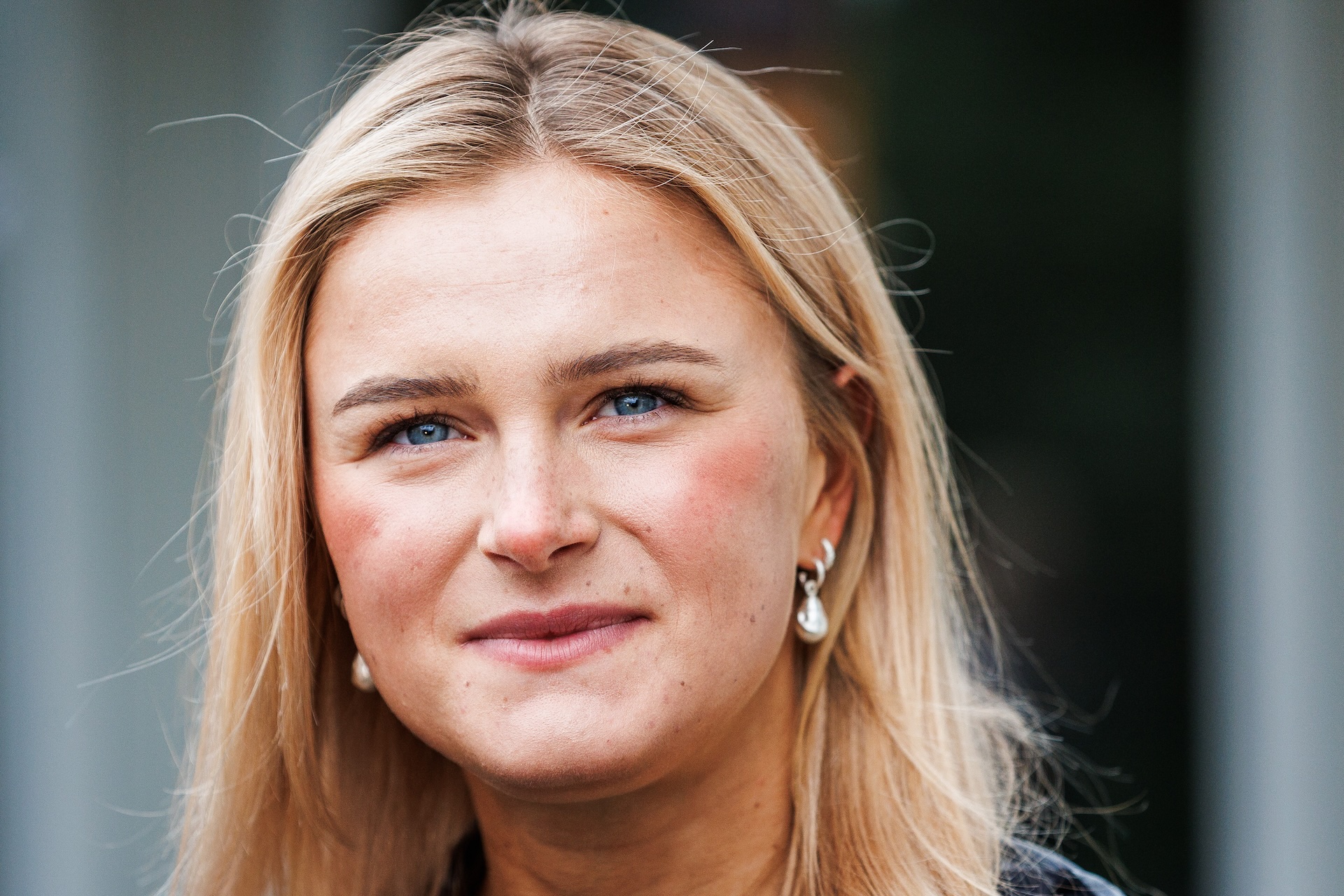
Despite her current enjoyment, the question of her retirement date remains a significant point of interest for fans and media alike. When directly asked if she would indeed retire after the Falun 2027 World Championships, Karlsson reiterated her initial stance: "I am still thinking that." However, she immediately qualified this by acknowledging the impact of her recent Olympic success. "After the Olympic success, Karlsson is open to the possibility of changing her mind," the original report stated. She further elaborated, "I will have a new meeting with myself after the season," indicating a commitment to re-evaluating her position once the current competitive cycle concludes.
The Conditions for Continuation
Karlsson has articulated clear conditions for extending her career beyond the previously stated timeline. She emphasized that any decision to continue skiing would be driven by genuine desire rather than external pressure or obligation. "If I continue my ski career after that, it is because I truly want to, and not because it is something I ‘have to’ or something that is expected of me," Karlsson stated. She elaborated on the profound personal significance of such a decision: "Then it will truly come from the heart and then it will feel even more authentic." This perspective highlights a desire for her athletic journey to remain a source of personal fulfillment and passion, rather than a perceived duty.
A Shifting Landscape in Swedish Women’s Cross-Country Skiing
Karlsson’s reflections on her future are occurring against the backdrop of a significant transition within Swedish women’s cross-country skiing. For years, Sweden has been a dominant force in international women’s cross-country skiing, producing a consistent stream of world-class athletes. However, a discernible generational shift is underway. Several prominent stars are contemplating retirement around the same timeframe as Karlsson, including Moa Ilar and Maja Dahlqvist, who have also indicated they are considering hanging up their skis after the 2027 World Championships.
Following the recent Olympic season, other key figures such as Jonna Sundling and Linn Svahn have also publicly shared their thoughts on their future careers. Sundling, a multiple Olympic and World Championship medalist, has spoken about the challenges and evolving nature of her commitment to the sport. Svahn, another highly talented skier, has faced her own share of injury setbacks, which have inevitably influenced her perspective on career longevity and future plans. The potential for a significant exodus of top talent raises questions about the future depth and dominance of the Swedish team.
A Legacy of Success: The Medalist
Despite her relatively young age of 26, Frida Karlsson has already etched her name into the annals of international cross-country skiing as one of its most significant stars. Her impressive medal tally includes four Olympic medals and an astonishing 13 World Championship medals, alongside her Olympic accolades. In the 109 World Cup races she has contested, Karlsson has demonstrated remarkable consistency, achieving podium finishes an impressive 37 times, with 18 of those being victories. Furthermore, she claimed the overall victory in the prestigious Tour de Ski in 2023, a testament to her endurance and all-around skiing prowess.
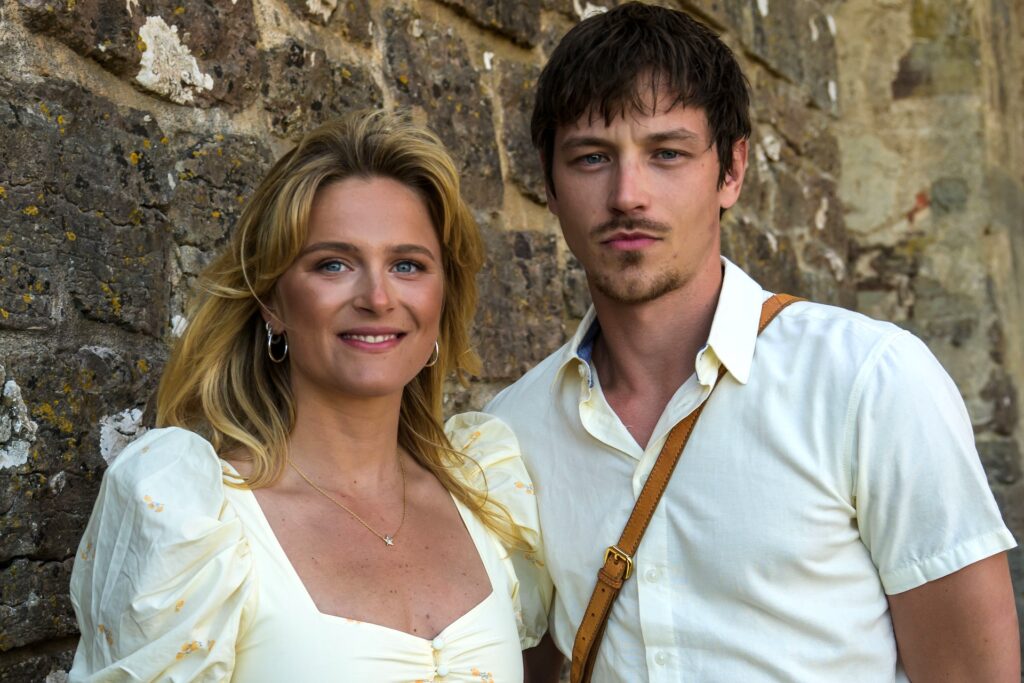
Her career trajectory has been characterized by a remarkable ability to peak at major championships and maintain a high level of performance season after season. The physical and mental demands of such a sustained elite career are immense, making her reflections on her future all the more understandable.
The Impact of Personal Happiness on Performance
The confirmation of Karlsson’s new relationship with Simon Lööf adds another layer to the narrative of her current career stage. While personal lives and professional careers are distinct, the impact of a supportive and stable personal life on an elite athlete’s well-being and performance cannot be understated. The joy and contentment derived from a healthy relationship can provide a crucial emotional foundation, potentially alleviating some of the immense pressure associated with elite competition. This newfound personal happiness may well be a contributing factor to her current enthusiasm and her openness to re-evaluating her retirement plans.
Broader Implications for the Sport
The potential retirement of Karlsson and several other Swedish stars in the coming years carries significant implications for the sport of cross-country skiing, both domestically and internationally. Sweden has long been a benchmark for excellence, and the departure of such prominent figures would undoubtedly create voids that will be challenging to fill. This situation could open doors for emerging talents from other nations to rise to prominence, potentially leading to a more diverse and competitive international landscape.
Furthermore, the introspection of athletes like Karlsson highlights a growing trend in elite sports, where athletes are increasingly prioritizing their overall well-being and seeking a fulfilling life beyond their competitive careers. The financial rewards and public recognition in elite sports are significant, but the toll on physical and mental health is also substantial. Karlsson’s emphasis on her decision coming "from the heart" reflects a modern athlete’s desire for authenticity and purpose in their career choices.
The coming seasons will undoubtedly be closely watched as Karlsson navigates this pivotal phase of her career. Her decisions, shaped by both personal fulfillment and athletic ambition, will not only define the final chapter of her own storied career but will also play a role in shaping the future of Swedish cross-country skiing. The convergence of personal happiness and professional contemplation suggests a thoughtful and deliberate approach to her remaining years in the sport, ensuring that her eventual departure, whenever it may come, is on her own terms and from a place of genuine passion.

