
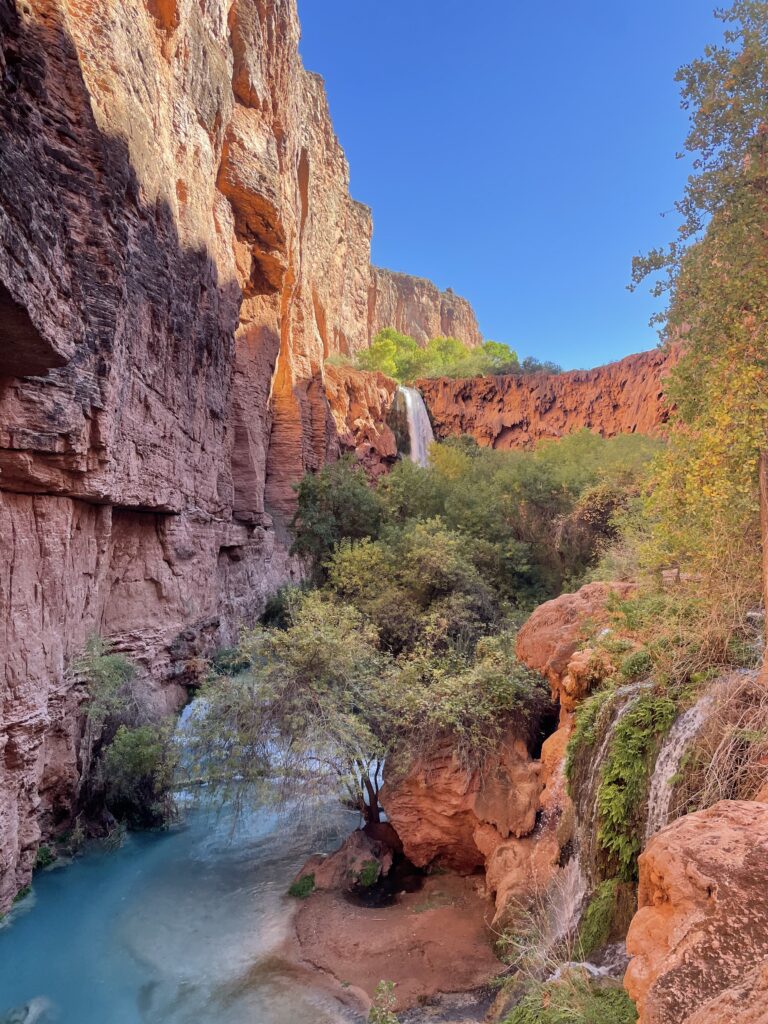
Three days after the 2024 United States presidential election concluded, Olympic athlete Jared Shumate emerged from the remote canyon country of Arizona to a changed political landscape. While deep in the wilderness, disconnected from cellular networks and news cycles, the Nordic combined skier had spent the days following November 5th contemplating the future of environmental stewardship. Upon re-entering civilization, the reality of Donald Trump’s electoral victory—and the subsequent shift in the trajectory of federal environmental policy—transformed from an abstract possibility into a definitive, urgent mandate for action.
The return to the political reality of a second Trump administration marked a turning point for many in the conservation community. For Shumate, whose life has been inextricably linked to the preservation of public lands and the health of the outdoor environment, the news served as the primary impetus for a career pivot: the decision to enroll in a Master’s program for Public Policy.
A Chronology of Policy Shifts and Political Reaction
The 2024 election cycle concluded with a decisive victory for Donald Trump, setting in motion a series of rapid administrative changes. In the months following the inauguration, the executive branch initiated a systematic review of environmental regulations established during the preceding years.
By the first quarter of 2025, the administration had begun the process of reviewing and, in many cases, rescinding protections for millions of acres of public land. These actions included the opening of sensitive regions to new oil, gas, and mineral extraction leases. Concurrently, the Environmental Protection Agency (EPA) saw a significant reorganization, resulting in the rollback of established clean air and water standards.

For many stakeholders in the outdoor industry, these moves were not merely policy fluctuations but a fundamental restructuring of the nation’s conservation ethos. Supporters of the administration argued that these measures were essential to achieving energy independence and streamlining economic growth. Conversely, environmental advocacy groups, including Protect Our Winters (POW), contended that the long-term degradation of ecosystems would have irreversible consequences for the outdoor recreation economy—a sector that, according to the U.S. Bureau of Economic Analysis, contributes hundreds of billions of dollars to the national GDP annually.
Supporting Data: The Economic and Environmental Stakes
The concern shared by athletes and conservationists is rooted in objective economic data regarding the "Outdoor State." According to reports from the Outdoor Industry Association, the outdoor recreation economy represents a substantial portion of the U.S. workforce. When federal lands are opened to industrial development, the potential for habitat fragmentation and the loss of recreational access becomes a tangible threat to local economies that rely on tourism, skiing, climbing, and hiking.
Environmental data further underscores the volatility of this period. Since the shift in federal policy, monitoring stations in Western states have documented changes in air quality standards and water contamination risks in areas near newly permitted drilling sites. For a professional athlete like Shumate, whose career has been defined by the physical demands of high-altitude training and an intimate knowledge of changing snowpack conditions, these policy shifts represent a direct threat to the infrastructure of his sport.
Institutional Responses and Advocacy Perspectives
The response from the environmental community has been characterized by a move from reactive protest to proactive policy engagement. Organizations that previously focused on grassroots awareness are increasingly emphasizing the necessity of formal policy education.
"The frustration felt by many in the wake of the 2024 results is a natural response to a changing policy environment," notes an analysis from a Washington-based policy institute. "However, the current trend shows that individuals are no longer content with passive advocacy. We are seeing an increase in professionals from the scientific and athletic communities seeking to bridge the gap between grassroots activism and legislative expertise."
This shift is visible in the efforts of advocacy groups to train their members in the intricacies of the legislative process. By moving from public demonstrations to direct lobbying efforts in D.C., advocates are attempting to influence the regulatory drafting process at the committee level. The goal is to ensure that environmental protections are codified in ways that are resistant to the shifting winds of executive orders.
The Role of Public Policy in Environmental Defense
Shumate’s decision to pursue a Master’s degree in Public Policy reflects a broader trend among those who have witnessed the limitations of traditional advocacy. While grassroots organizing remains a powerful tool for mobilizing the electorate, the complexities of administrative law require a level of technical knowledge that is increasingly essential for effective resistance against regulatory rollbacks.
Public policy education provides a framework for understanding how agencies like the Department of the Interior and the EPA operate under different administrations. By mastering the legal mechanisms through which regulations are enacted and dismantled, advocates can more effectively challenge overreach in the courts and propose legislative alternatives that offer more permanent protection for public lands.
The Power of the Midterm Electorate
As the nation approaches the upcoming midterm elections, the focus for organizations like POW has shifted to the power of the individual voter. The "Outdoor State"—a demographic representing over 180 million Americans who participate in outdoor recreation—holds the potential to act as a significant voting bloc.
Analysis of recent voter turnout data suggests that while engagement is high during presidential election years, participation in midterm cycles remains a critical area for improvement. The midterm elections offer a direct opportunity for citizens to influence the composition of Congress, the body responsible for oversight of federal agencies and the budgetary control of environmental programs.
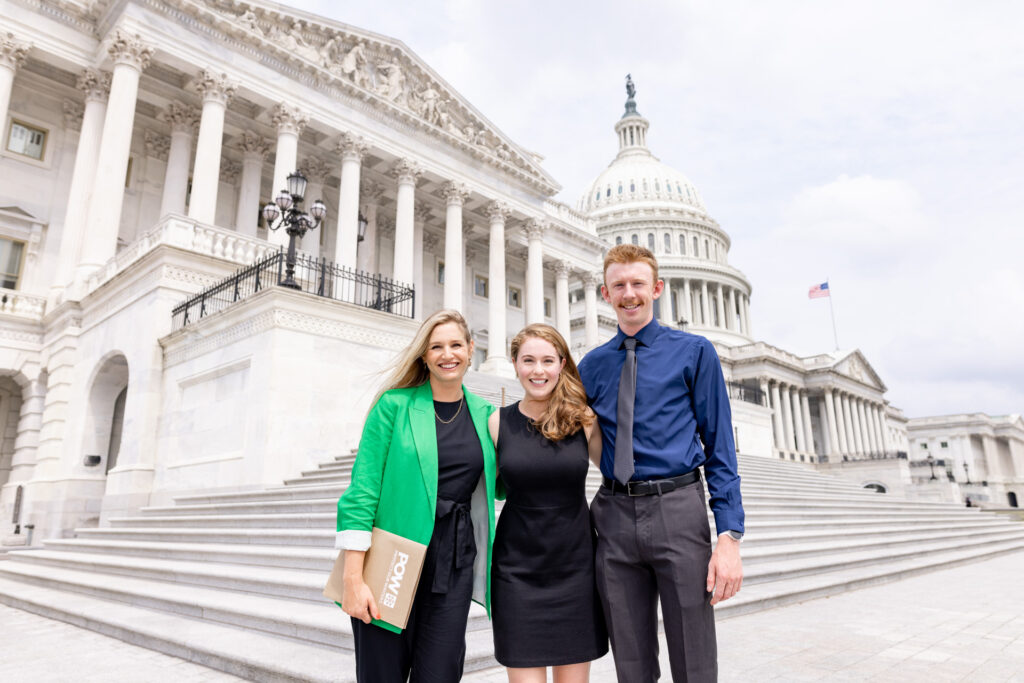
Political scientists emphasize that midterm elections often serve as a referendum on the incumbent administration’s performance. For those concerned with the current trajectory of environmental policy, the midterms represent a structural opportunity to enact change by electing representatives who prioritize sustainable land use and climate resilience.
A Call for Sustained Engagement
The narrative of returning to school to better understand the machinery of government is, in essence, a call for a more informed and strategic approach to civic life. While not every citizen is positioned to pursue advanced degrees in policy, the underlying principle—that action must be based on an understanding of how power functions—is universal.
The future of American environmental protection will likely be decided not just by executive orders, but by the persistent engagement of an informed electorate. Whether through voter registration, consistent communication with congressional representatives, or local involvement in land-use planning meetings, the cumulative impact of these actions is what shapes the federal agenda.
The lessons drawn from the 2024 election cycle suggest that apathy is the greatest threat to the preservation of the natural world. As the political environment continues to evolve, the necessity for a citizenry that is both passionate about the environment and knowledgeable about the legislative process has never been greater. For those in the outdoor community, the path forward is clear: the defense of public lands requires a commitment to long-term advocacy, rooted in the belief that the future of the environment is not a fixed outcome, but a result of active, informed participation in the democratic process.
In the final analysis, the shift in focus for athletes like Shumate serves as a microcosm of a larger realization: that protecting the places we treasure requires a multifaceted approach, combining the physical endurance of the athlete with the intellectual rigor of the policymaker. As the midterms approach, the challenge for the Outdoor State remains to translate concern into sustained, effective political action.

