
As the winter sports season approaches, millions of winter enthusiasts begin preparing their bodies for the physical demands of alpine skiing. According to orthopedic surgeons and sports medicine specialists, however, adequate physiological preparation for skiing cannot be achieved through last-minute routines initiated mere weeks before the first snowfall. Optimal conditioning requires a continuous, year-round approach to overall physical fitness and neuromuscular readiness.
Dr. Kevin Stone, a former U.S. Ski Team physician and orthopedic surgeon at The Stone Clinic in San Francisco, emphasizes that foundational training for skiing should ideally begin the moment the previous season concludes. Maintaining baseline cardiovascular endurance, core stability, and lower-body strength throughout the spring, summer, and autumn months eliminates the need to restart physical conditioning from zero upon the arrival of November and December.
The Evolution of Off-Season Ski Conditioning
Historically, sports medicine and physical therapy guidelines dictated rigid, highly specific regimens intended to replicate the exact biomechanics of alpine skiing. Athletes were routinely advised to perform isolated lateral jumps, continuous plyometrics, and specialized dynamic balance exercises year-round to maintain edge-control readiness.
Contemporary sports science, however, favors a broader philosophy focused on total-body fitness rather than hyper-specific movements. Dr. Stone notes that the most effective off-season training program is defined by consistency, accessibility, and enjoyment. Whether an athlete prefers cycling, distance running, swimming, or general strength training in a commercial gym, maintaining an active lifestyle is significantly more valuable than forcing adherence to an unenjoyable, ski-specific routine. Furthermore, studies in sports psychology indicate adherence rates increase substantially when conditioning programs are performed in group settings or social environments.
Despite the shift toward generalized fitness, specific biomechanical demands return to the forefront as the ski season opens. For individuals whose off-season physical activity levels were lower than anticipated, targeted preparation during the weeks leading up to a trip remains critical.
Sports medicine practitioners consistently identify the dynamic squat as the gold standard of ski conditioning. Executing deep, controlled squats—particularly with lateral shifts—prepares the quadriceps, glutes, and core stabilizers for the variable terrain, compression forces, and rotational torque experienced on the mountain. Because skiing is fundamentally a dynamic sport requiring continuous adjustments to changing snow conditions, exercises that replicate multi-planar movement patterns offer the most efficient use of pre-season training time.
Psychological Focus and Injury Mitigation
While physiological strength is necessary to absorb the gravitational and centrifugal forces encountered on alpine slopes, muscle development alone does not guarantee joint protection. Clinical observations from major orthopedic centers reveal that a significant proportion of acute skiing injuries stem from mental fatigue, lapses in concentration, or cognitive distraction rather than pure muscular exhaustion.
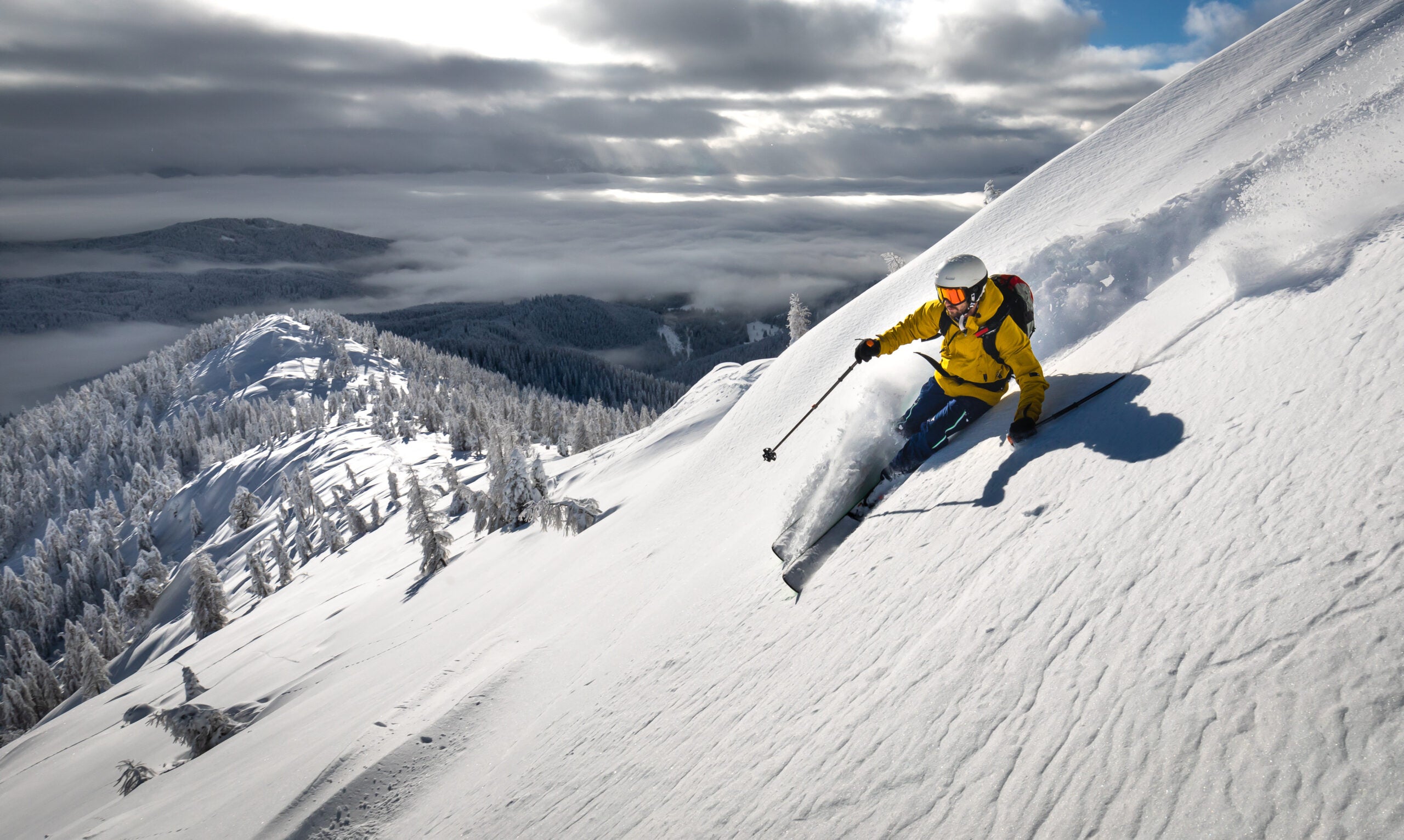
Medical professionals report that patients frequently recall a distinct pre-incident sensation of being unfocused or distracted immediately prior to sustaining a trauma. When skiers allocate their attention to external factors—such as planning midday meals, managing social schedules, or navigating interpersonal dynamics—reaction times decline, and neuromuscular control over the joints is compromised. Elite ski racers and recreational practitioners alike are susceptible to cognitive errors that disrupt proper alignment during high-speed descents. Consequently, maintaining situational awareness and mental presence while sliding on snow is recognized as a primary defense against traumatic injuries.
Technological Advancements in Modern Ski Equipment
In parallel with physical conditioning, the evolution of ski and boot technology has fundamentally altered the safety and performance landscape of the sport. Outdated paradigms suggesting that ski gear is largely interchangeable or that equipment selection has a negligible impact on safety are no longer supported by industry data. Modern manufacturing has introduced significant improvements in the safety release mechanisms of bindings, the vibration-damping properties of contemporary ski construction, and the ergonomic design of alpine boots.
A notable shift in equipment fitting philosophy concerns boot stiffness. Historical instruction dictated that skiers endure rigid, highly restrictive plastic shells to force forward lean and maximize power transmission to the front of the ski. Orthopedic specialists now indicate that this approach caused unnecessary discomfort and increased the incidence of chronic lower-extremity strain. For approximately 90 percent of recreational skiers, modern boots featuring a more forgiving, progressive flex offer a safer and more enjoyable experience. Properly fitted boots that permit natural articulation at the ankles and knees allow for superior edge engagement while reducing undue stress on the knee joints and Achilles tendons.
Clinical Analysis of Common Alpine Injuries
Despite advancements in training and equipment, alpine skiing remains an inherently high-energy sport carrying a documented risk of traumatic injury. Epidemiological data and clinical caseloads divide these injuries into distinct categories based on demographic factors.
Among younger skiers, acute trauma frequently involves the knee joint and upper extremities. The most prevalent severe injuries include tears of the anterior cruciate ligament (ACL) and meniscus cartilage, often resulting from torsional forces during unreleased falls. Additionally, high-impact shoulder dislocations and rotator cuff tears are frequently observed following sideways impacts on hard snowpack.
Orthopedic protocols emphasize the necessity of rapid, comprehensive diagnostic evaluations following any acute joint trauma. Clinical indicators—such as the triad of a distinct popping sound during a fall, immediate localized pain, and rapid joint swelling—demonstrate an empirical correlation exceeding 90 percent for significant intra-articular structural damage. When surgical reconstruction of the ACL or other stabilizing ligaments is required, surgical preferences among specialists often lean toward allograft (donor) tissue transplantation, provided the patient’s lifestyle and activity profile support it. This approach avoids morbidity at a secondary donor site, such as the patellar tendon or hamstring, preserving baseline strength and flexion capabilities.
Conversely, older skiing cohorts frequently contend with chronic degenerative conditions, most notably osteoarthritis of the knee, hip, and ankle joints. Rather than immediately resorting to invasive surgical joint replacement, contemporary orthopedic care utilizes advanced biologic therapies to manage pain and preserve function. Intra-articular injections combining hyaluronic acid lubricants and platelet-rich plasma (PRP) growth factors have demonstrated clinical efficacy in stimulating tissue lubrication and modulating joint inflammation. These interventions frequently enable individuals with advanced radiographic signs of joint degradation to maintain active skiing lifestyles well into their later decades.
Broader Implications for the Winter Sports Industry
The intersection of sports medicine, equipment engineering, and participant demographics highlights a resilient trend: despite the recognized physical risks, participation in alpine skiing continues to draw dedicated enthusiasts across all age brackets. Industry analysts and medical professionals emphasize that experiencing an injury does not necessarily mark the conclusion of an athletic career. With structured rehabilitation, advanced surgical techniques, and a renewed commitment to pre-season physical conditioning and mental focus, injured skiers frequently return to the slopes with improved biomechanics and heightened awareness, ultimately achieving higher levels of performance and safety than before their incidents.

