
The realization that Donald Trump had secured the 2024 presidency reached Jared Shumate, an Olympic Nordic combined skier and environmental advocate, three days after the general public. While the rest of the nation had absorbed the seismic shift in the political landscape by the morning of November 6, 2024, Shumate was traversing the remote reaches of the Arizona canyon country, disconnected from cellular service and the digital news cycle. This disconnect created a profound temporal dissonance; while he sat by a campfire on November 5th, projecting potential legislative gains for conservation under a different administration, the reality of the incoming federal shift was already solidified.
This narrative of delayed awareness highlights a broader disconnect between the tranquility of America’s public lands and the volatile machinery of Washington D.C. The 2024 election cycle has ushered in a period of rapid legislative and executive transition, marked by significant reversals of environmental protections that have long served as the bedrock for federal land management.
A Chronology of Post-Election Policy Shifts
Following the certification of the 2024 election results, the second Trump administration moved with notable speed to implement its campaign platform regarding domestic energy production and land use. By early 2025, the Department of the Interior had initiated a series of executive orders aimed at streamlining the permitting process for oil and gas extraction on federal lands.
The timeline of these changes began almost immediately following the inauguration. In the first 100 days, the administration targeted several high-profile environmental regulations:

- February 2025: The Environmental Protection Agency (EPA) announced a formal review of the Clean Power Plan successors, signaling a pivot toward coal and natural gas expansion.
- March 2025: Large-scale mining leases were reopened in regions previously protected under the Antiquities Act, specifically affecting areas in the Intermountain West.
- April 2025: Federal oversight regarding water quality standards for small tributaries—a long-standing point of contention between environmental groups and industrial developers—was significantly curtailed.
For advocates like Shumate, who had invested months in grassroots efforts—knocking on doors in Bozeman, Montana, and organizing voter registration drives on the University of Utah campus—these policy rollbacks were not merely political data points; they represented an existential threat to the wilderness areas he had navigated for decades.
The Intersection of Athletics and Environmental Advocacy
Jared Shumate’s background as a 2022 Winter Olympian provides a unique vantage point on the shifting environment. Having dedicated his life to Nordic combined skiing, he has spent years witnessing the degradation of alpine ecosystems firsthand. This experience, bolstered by formal academic training in geography and environmental science, informed his transition from a passive observer of climate trends to a proactive participant in the political process.
The frustration felt by Shumate—a sentiment echoed by many in the "Outdoor State," a demographic cohort of roughly 180 million outdoor enthusiasts—is grounded in the tangible reality of a changing climate. According to data from the National Oceanic and Atmospheric Administration (NOAA), the years leading up to 2024 saw unprecedented volatility in mountain snowpacks, directly impacting the viability of winter sports and the health of watersheds.
Analysis of Environmental Policy Implications
The shift in federal priorities has sparked intense debate among policy analysts. Proponents of the administration’s actions argue that domestic energy independence and the reduction of regulatory burdens are essential for economic growth. Conversely, environmental scientists point to the cumulative impact of these rollbacks on biodiversity and climate mitigation goals.
The dismantling of public lands protections is particularly contentious. Public lands in the United States serve as critical carbon sinks. When these areas are opened to extraction, the risk of habitat fragmentation increases, potentially undermining federal efforts to maintain the ecological integrity of the National Park and National Forest systems.
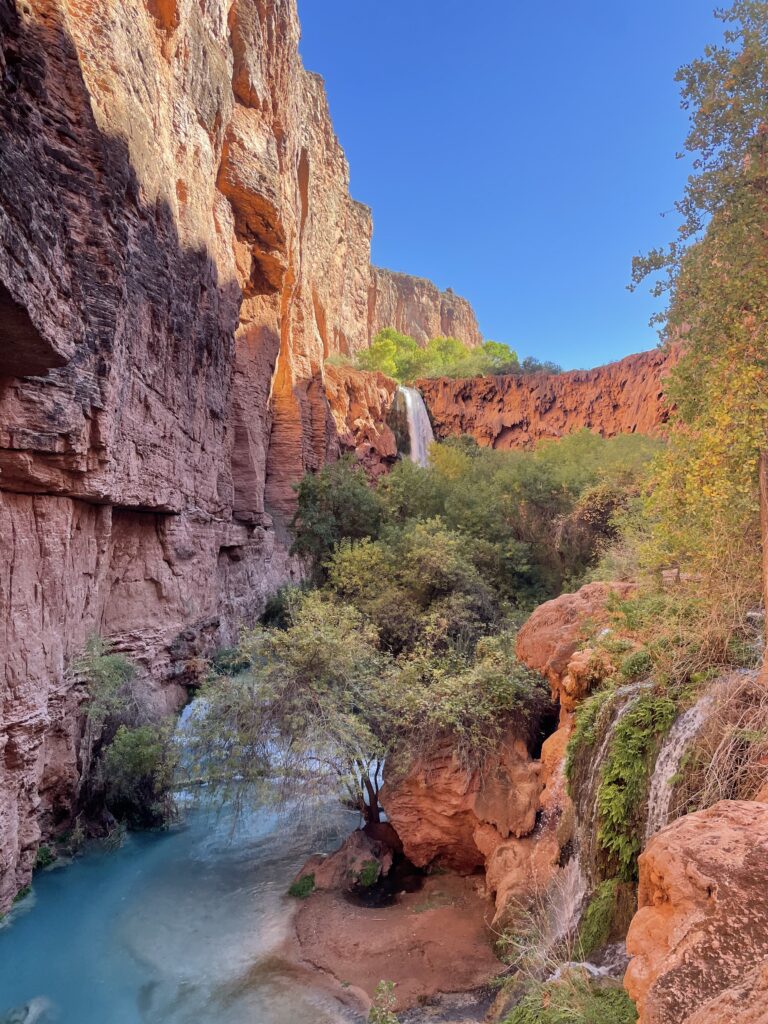
"The policy environment is a complex ecosystem of its own," says a spokesperson for a leading conservation policy group in Washington. "When you remove a check or balance at the executive level, you aren’t just changing a rule; you are altering the trajectory of resource management for decades. The challenge for the public is to understand the long-term impact of short-term deregulation."
From Apathy to Academic Intervention
The decision to pursue a Master’s in Public Policy serves as a case study in how private citizens are reacting to the perceived narrowing of the democratic window. For Shumate, the choice was binary: succumb to the paralysis of frustration or acquire the specialized skills necessary to engage with the legislative process at a structural level.
This transition from grassroots activism to academic preparation reflects a broader trend among younger environmental advocates. Many are choosing to move beyond simple door-knocking, seeking instead to influence policy through law, urban planning, and environmental economics. The rationale is clear: if the 2024 election proved that electoral outcomes are fluid and consequential, then the defense of the environment must be grounded in an ironclad understanding of the administrative state.
The "Outdoor State" and the Midterm Mandate
With the 2026 midterm elections approaching, the political focus has shifted toward the mobilization of the outdoor recreation community. Statistics from the Outdoor Industry Association (OIA) suggest that this group has become increasingly active at the ballot box, with voter turnout among outdoor enthusiasts rising by 12% in the last cycle.
The influence of this demographic lies in its bipartisan reach. While environmental policy is often polarized, the use of public lands for hunting, fishing, skiing, and hiking is a near-universal American pastime. The challenge for organizers is to translate this shared affinity for the outdoors into consistent political pressure.
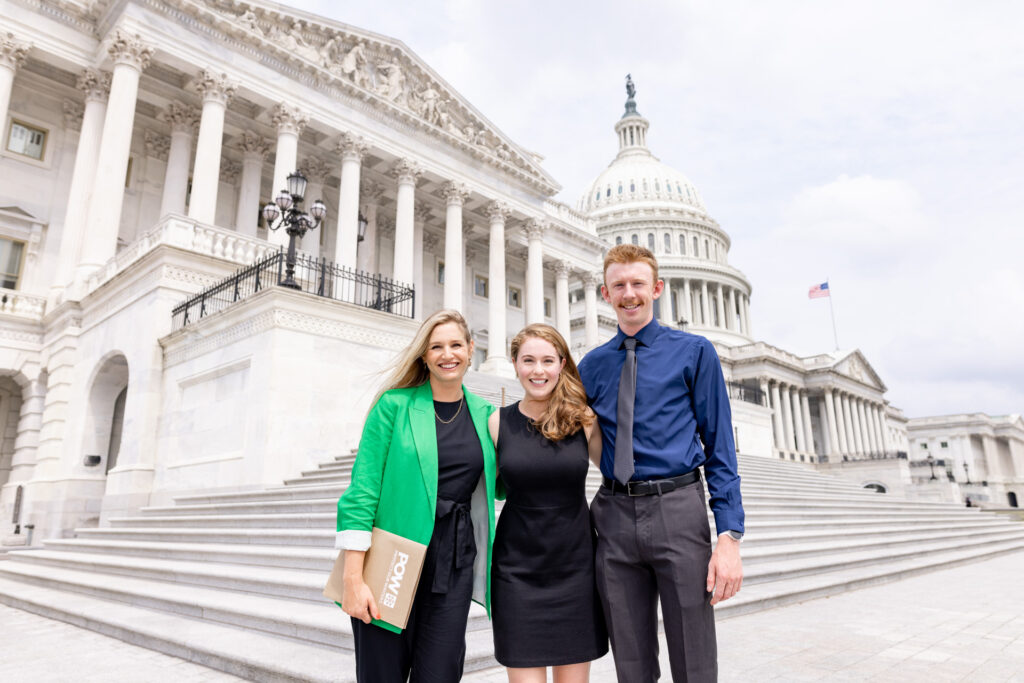
"The numbers are on our side, provided that the apathy we saw in some sectors of the population is replaced by sustained engagement," says a political consultant specializing in environmental policy. "Every vote cast in a midterm election acts as a direct feedback mechanism to Congress. When millions of people who value clean air and public access show up, the legislative agenda invariably shifts to reflect those values."
A Call to Structural Action
The path Shumate has chosen—formal education in public policy—is one of many avenues for civic participation. While not every citizen has the capacity or the desire to return to university, the necessity for public involvement remains acute. Advocacy groups are increasingly emphasizing that the "mechanics of democracy" require more than just a vote every four years; they require constant monitoring of local, state, and federal hearings, as well as direct communication with elected representatives.
The implications of the 2024 election remain a subject of active debate, but the trajectory of the environmental movement appears to be moving toward greater professionalization and deeper integration with the legislative process. For those who treasure the canyon lands, the alpine peaks, and the clean water systems of the United States, the coming months represent a critical period of realignment.
Ultimately, the lesson derived from the quiet of the desert and the intensity of the campaign trail is that the future of public lands is not a static reality, but a dynamic product of collective choice. Whether through the pursuit of advanced degrees, participation in local zoning boards, or the fundamental act of casting a ballot, the ability to shape the future remains within the reach of the public. As the nation prepares for the next electoral cycle, the focus remains on whether the "Outdoor State" can successfully convert its frustration into a cohesive and effective force for long-term policy reform.

