
For generations of winter sports enthusiasts, the ritual of strapping into rigid, unyielding ski boots has been accepted as an inevitable rite of passage. Skiers routinely brush off agonizing pressure points, numb toes, and post-slope throbbing as standard operational hazards—a quirky badge of honor earned after a long day carving down fresh powder. Unlike high-cushion running shoes or cozy winter slippers designed for maximum ergonomic comfort, traditional alpine ski boots prioritize ankle stability and kinetic energy transfer over foot anatomy. However, modern medical research and insights from sports podiatrists reveal that the long-standing cultural acceptance of foot pain on the mountain may be carrying a severe, long-term physical toll. As winter tourism booms and millions of recreational athletes take to the slopes annually, medical professionals are increasingly warning that locking feet into improperly fitted rigid shells can transcend temporary discomfort, triggering chronic deformities, nerve impingements, and irreversible tissue damage.
The biological mechanism behind ski boot injuries primarily stems from the unnatural confinement of the foot’s complex architecture. The human foot contains 26 bones, 33 joints, and over a hundred muscles, tendons, and ligaments, all meticulously engineered to flex, absorb shock, and adapt to changing terrain. Alpine ski boots, by design, counteract this natural mobility. According to Dr. Nelya Lobkova, a prominent New York City-based podiatrist and avid skier, this immobilization exacerbates underlying, often silent, structural predispositions. Conditions such as bunions—a progressive forefoot deformity frequently rooted in genetics—and Morton’s neuroma, a painful thickening of nerve tissue typically developing between the third and fourth toes, are heavily aggravated by the narrow margins of standard ski boot toeboxes.
The pathology of boot-induced foot trauma is not strictly confined to overly tight equipment; paradoxically, excessively loose boots can be equally destructive. When a skier wears boots that lack a secure, anatomical hold, the foot inevitably slides forward with every turn and abrupt stop, violently jamming the toes against the interior of the rigid plastic shell. Dr. Lobkova explains that whether a boot is too tight or too loose, the resulting friction and mechanical stress create a cascading effect. Inflamed bunions and impinged nerve roots rarely resolve the moment a skier unbuckles at the lodge; instead, these acute inflammatory responses frequently morph into lingering, chronic conditions that impact an individual’s mobility long after the ski season concludes.
Beyond structural bone and nerve complications, the persistent frontal pressure inside ski boots frequently targets the delicate digital anatomy, leading to subungual hematomas—painful pooling of blood beneath the toenail—and chronic ingrown toenails. Dr. Lobkova notes that these seemingly minor ailments carry a high risk of secondary bacterial or fungal infections. In severe cases, patients require oral antibiotic regimens or even complete surgical removal of the toenail. Furthermore, repeated trauma to the nail bed can cause permanent structural changes, leaving the affected toenails permanently shortened, thickened, and disfigured compared to uninjured digits.
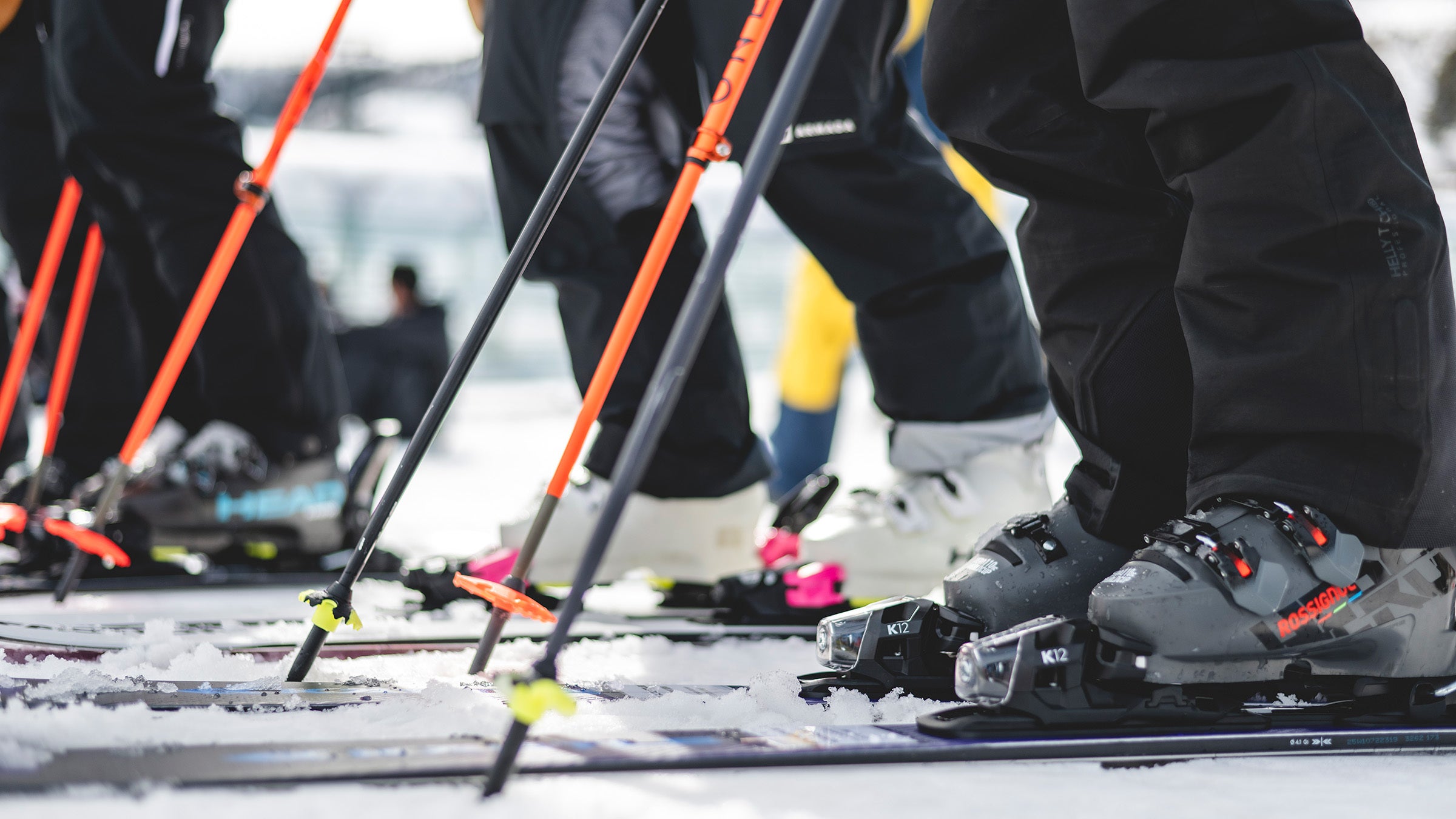
Despite these alarming medical consequences, podiatric experts emphasize that foot trauma is entirely preventable. The prevailing consensus among sports medicine specialists is that ski boots themselves are not inherently detrimental to foot health; rather, the widespread prevalence of ill-fitting equipment is the primary catalyst for injury. Dr. Mikel Daniels, a distinguished Baltimore-based podiatric surgeon, underscores this distinction, noting that equipment failures and poor sizing choices are what ultimately send skiers to orthopedic and podiatric clinics every winter.
To help skiers distinguish between normal muscular fatigue and hazardous equipment mismatches, medical professionals have outlined critical warning signs. A properly fitted new ski boot should offer a uniform, snug embrace around the foot, with the toes lightly grazing the interior front wall when the wearer stands completely upright. As the skier drops into a dynamic, forward-flexed athletic stance, the heel should anchor securely in the pocket, causing the toes to pull back slightly from the shell wall. While a new boot will naturally induce a mild, generalized muscle ache after a full day of demanding skiing—discomfort that should dissipate rapidly once the footwear is removed and the foam liner compresses—sharp, localized pain indicates a serious fit issue. Persistent pins and needles, localized numbness, or chronically ice-cold toes due to restricted arterial blood flow are major red flags. Dr. Daniels offers a definitive diagnostic benchmark for recreational skiers: if physical discomfort on the mountain forces an individual to concentrate more on their aching feet than on executing proper technique, the equipment fit is fundamentally flawed.
Addressing and rectifying improper boot fit requires a multi-faceted approach, beginning at the retail or rental counter. For skiers purchasing personal equipment, both Dr. Lobkova and Dr. Daniels strongly advocate for professional heat-molding. This thermal customization process allows the inner liner and, in many cases, the outer composite shell to conform precisely to the unique contours of the wearer’s foot, successfully accommodating structural forefoot anomalies like bunions, hammertoes, and neuromas while dramatically reducing surface friction.
When thermal molding alone is insufficient, specialized bootfitters employ mechanical expansion techniques, known as "punching," to structurally alter the hard plastic shell. By applying targeted heat and mechanical pressure, technicians can push out specific areas of the boot to relieve pressure points over the big toe joint, prominent bunions, or other bony protrusions. Dr. Daniels highlights the dramatic efficacy of this intervention, recalling a patient—an aggressive, high-level skier—who routinely surrendered his big toenails to subungual hematomas every February, resigning himself to the belief that trauma was simply part of the sport. Following a comprehensive reassessment that corrected shell length and introduced a localized toe-box punch, the patient’s toenails successfully survived subsequent winter seasons without injury.
Even with meticulously customized shells, however, structural forefoot pain can persist due to internal biomechanical imbalances. For patients who continue to experience discomfort despite custom-fitted equipment, Dr. Lobkova frequently prescribes specialized, low-profile custom orthotics designed specifically for alpine ski boots. Standard over-the-counter insoles are typically far too thick for the low-volume interior of a ski boot, compounding pressure issues. Instead, podiatrists fabricate ultra-thin orthotics embedded with specialized metatarsal pads. These medical-grade inserts actively separate the delicate toe bones and forefoot tendons, effectively diffusing pressure and preventing the mechanical causes of neurovascular impingement.
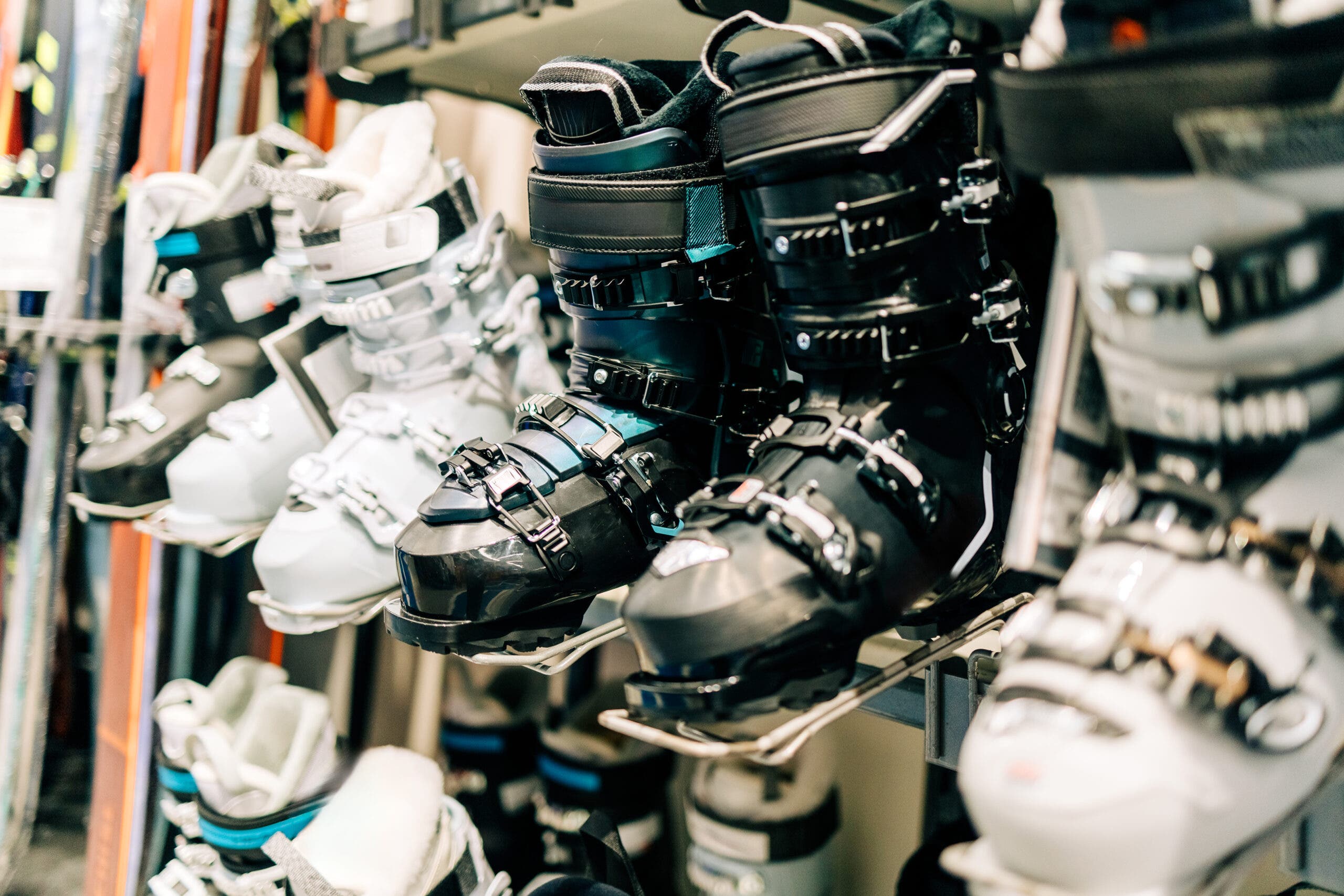
For skiers relying on rental equipment—where full custom modifications are generally unavailable—mitigating potential damage requires strategic precautionary measures. Dr. Daniels advises renters to transparently communicate any pre-existing foot conditions, such as chronic bunions or previous surgeries, to knowledgeable rental technicians. Renters should consistently select a shell that provides a firm, snug hold rather than upsizing for perceived comfort. An oversized shell paired with overly cranked, tight buckles creates severe localized pressure points while severely compromising ski control and stability. Furthermore, renters should invest in technical, high-density merino wool socks designed specifically for winter sports, strictly avoiding cotton blends that retain moisture, accelerate blistering, and lower thermal regulation. Skiers who rely on custom medical orthotics in their everyday footwear are also strongly encouraged to transfer those inserts directly into their rental boots to maintain proper biomechanical alignment.
Beyond equipment selection and modification, proactive behavioral habits on the mountain play a crucial role in safeguarding foot health. Dr. Lobkova strongly recommends unbuckling or completely removing ski boots during extended lodge breaks. This practice serves two vital physiological functions: it allows the compressed foot structure to rest and regain normal circulation, and it prevents severe circulatory restriction during temperature transitions. When a skier moves from sub-freezing outdoor slopes into a heated indoor chalet, the blood vessels in the feet and ankles naturally dilate and swell. Trapped inside a stiff, unyielding plastic shell, this expansion creates a dangerous tourniquet effect, severely restricting arterial blood flow and heightening the risk of localized tissue hypoxia and cold-weather injuries.
Ultimately, sports medicine experts stress that listening to physical signals remains the most effective defense against long-term injury. Just as runners and cyclists heed early warnings of tendinitis or stress fractures, winter sports enthusiasts must recognize that enduring chronic, debilitating foot pain is neither necessary nor benign. By prioritizing precise equipment fitting, utilizing targeted orthotic interventions, and respecting the physiological limits of the human foot, skiers can ensure that their passion for the mountains remains a healthy, lifelong pursuit unmarred by permanent physical damage.

