
The evolution of boutique fitness has consistently trended toward replicating outdoor athletic disciplines within controlled urban environments. From indoor cycling studios mimicking mountain ascents to rowing tanks and simulated surfboards, fitness innovators have long sought to capture the visceral intensity of outdoor sports without requiring a commute to the mountains, ocean, or trail. The latest discipline to transition from the backcountry to the metropolitan gym floor is cross-country skiing, a sport widely recognized by exercise physiologists as one of the most demanding and comprehensive full-body workouts available.
With the recent arrival of Danish fitness concept NRTHRN Strong in New York City’s Flatiron district—joining its established flagship presence in Copenhagen—urban athletes now have access to a specialized training methodology that translates the biomechanics of cross-country skiing into a high-intensity, low-impact group fitness format. This development reflects a broader industry shift toward specialized, functional endurance training that combines cardiovascular conditioning with muscular strength and joint preservation.
The Physiology of Cross-Country Skiing and the Challenge of Accessibility
Cross-country skiing engages virtually every major muscle group in the human body, requiring a seamless synchronization of the cardiovascular system, arms, legs, back, core stabilizers, and proprioceptive balance. According to comparative metabolic studies, a moderate-intensity cross-country skiing session can burn between 400 and 700 calories per hour. By comparison, data published in sports medicine literature indicates that an individual must expend approximately two and a half hours of downhill skiing to achieve the same caloric burn as one hour spent in cross-country boots.
Despite its unmatched physiological benefits, cross-country skiing has historically faced severe accessibility barriers. Participants require reliable natural snowfall, specific topography, and specialized, often costly gear. While urban runners have long utilized treadmills and indoor tracks to maintain their regimens year-round, skiers have lacked a similarly space-efficient, direct analog for off-season training—until the recent proliferation of specialized ski ergometers and sliding platform hybrids.
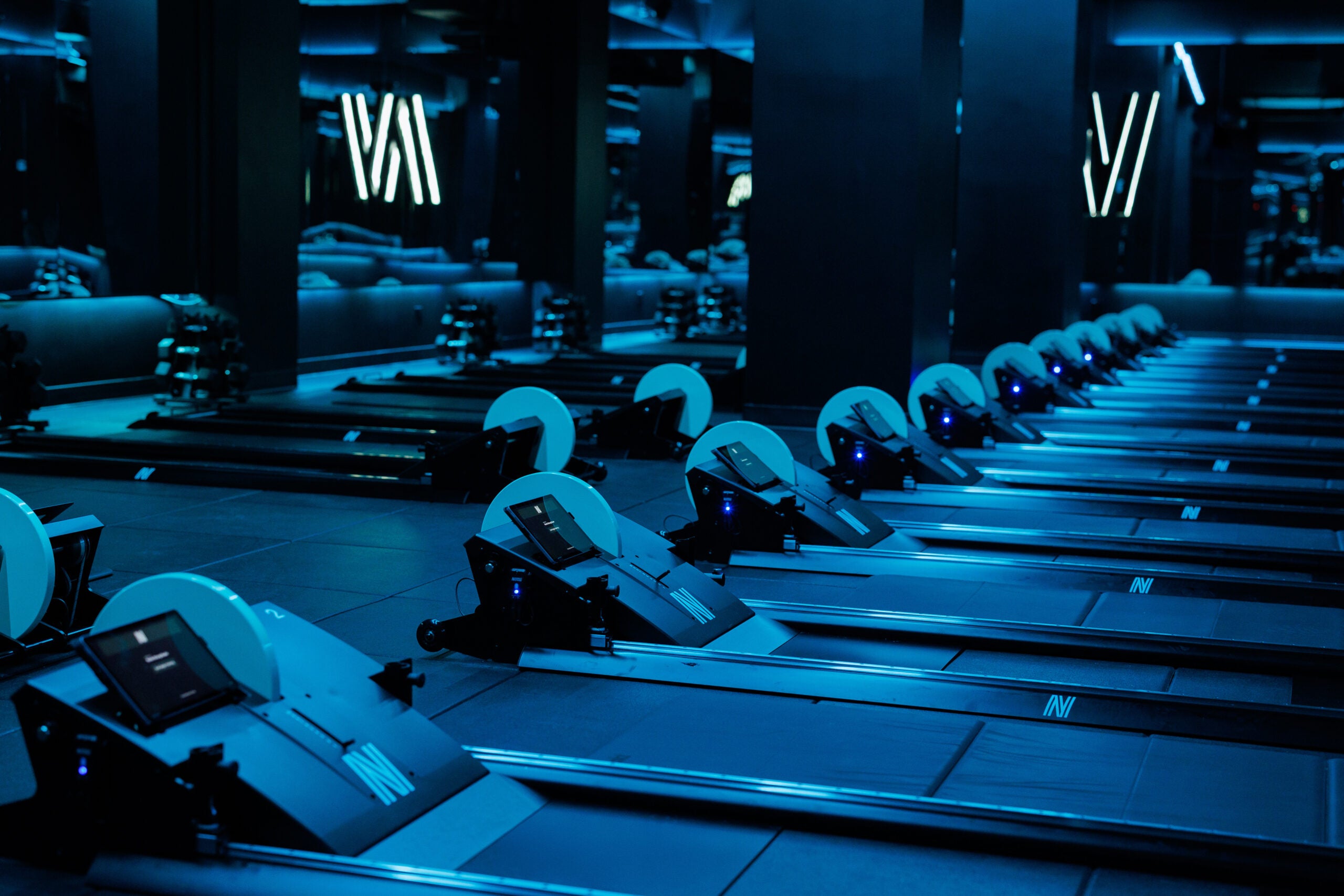
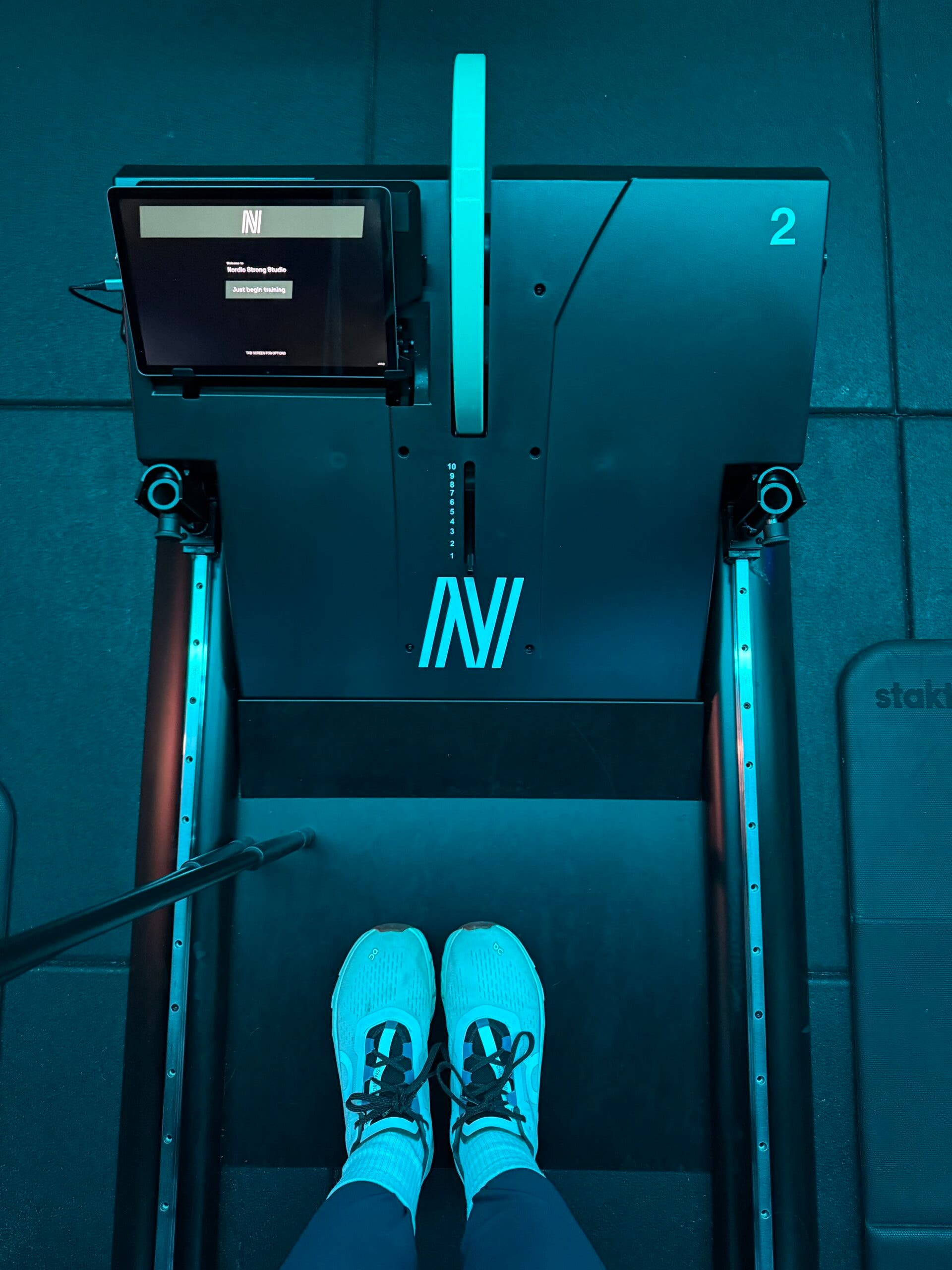
Recognizing this gap in the market, international fitness brands have begun adapting the training tools utilized by professional winter endurance athletes. The proprietary NRTHRN Trainer, engineered specifically for the brand’s studio workouts, resembles a hybrid of a rowing ergometer and a lateral sliding apparatus. Designed to mimic the resistance, glide, and propulsion of actual skiing, the machine allows participants to execute the complex, total-body movements of the sport on a stationary footprint.
Anatomy of the Workout: High-Intensity Intervals Meets Low-Impact Mechanics
A typical 50-minute session at NRTHRN Strong is structured around high-intensity interval training (HIIT) principles, alternating between timed intervals on the proprietary trainer and functional strength movements performed on adjacent floor mats. In a standard class rotation, participants spend approximately ten minutes on the machine, followed by ten minutes of lower-body and core exercises utilizing body weight and resistance tools, repeating the circuit multiple times throughout the hour.
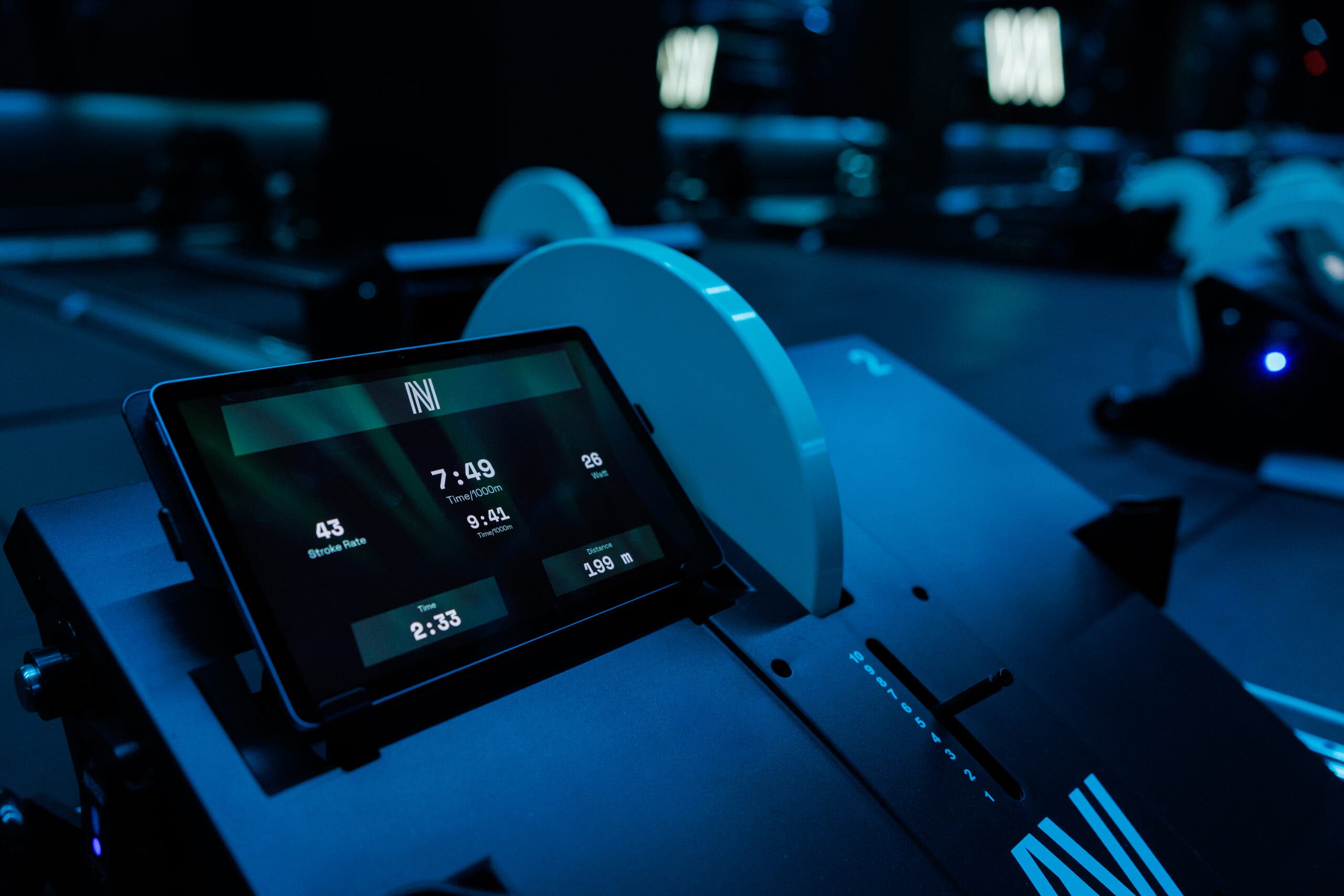
The equipment itself is designed to provide immediate, transparent feedback. A digital console positioned at the front of each machine displays real-time metrics, including stroke rate, elapsed time, calculated pace per 1,000 meters, and total distance covered. While the workout largely adheres to a self-regulated intensity model—where participants dictate their output—instructors periodically introduce target stroke rates to challenge the class’s aerobic capacity.
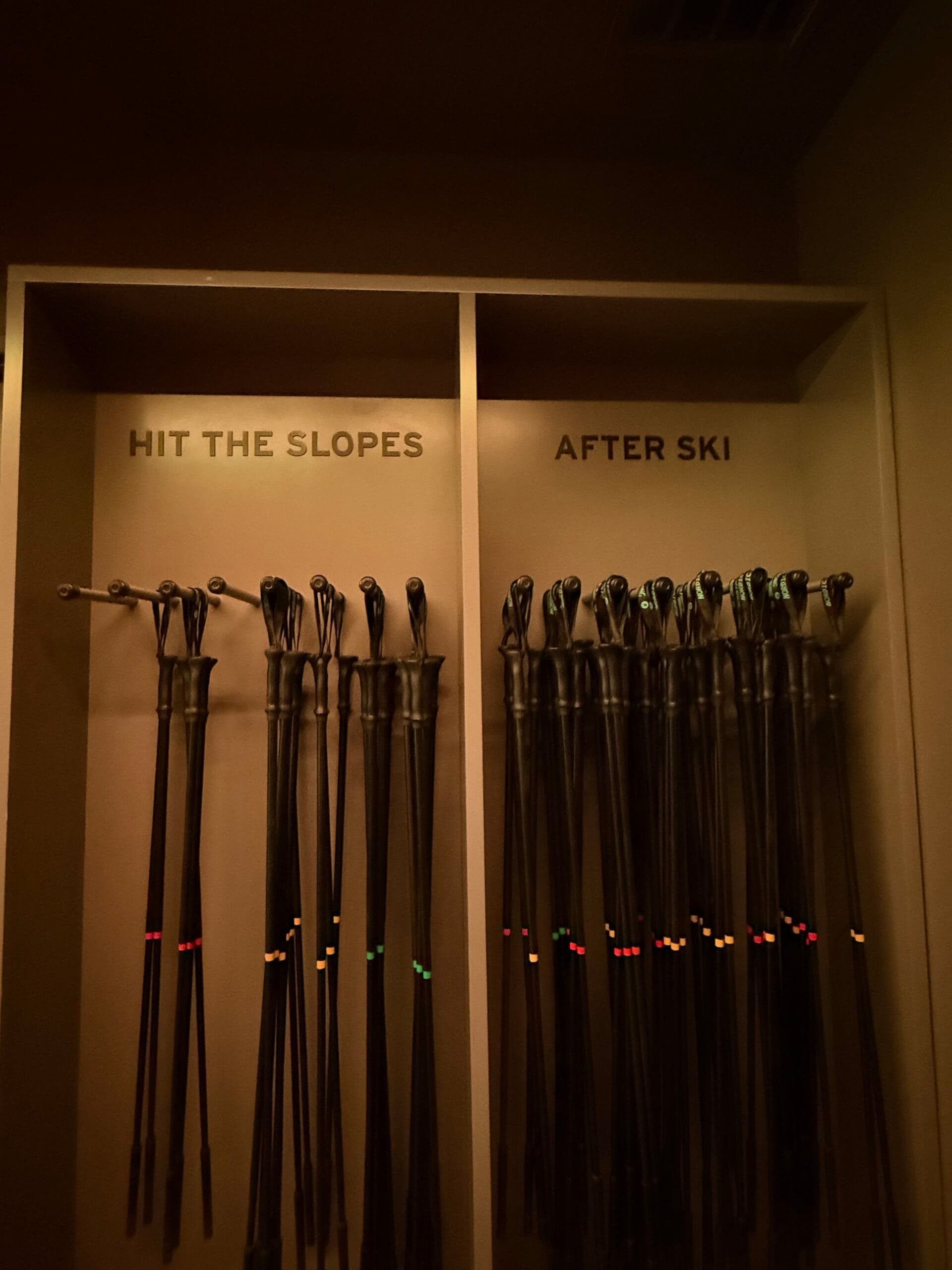
The physical mechanics of the NRTHRN Trainer rely on sliding poles that fit securely into lateral sockets, moving backward and forward in a fluid motion reminiscent of a Pilates reformer carriage. This kinetic design ensures that the user remains in control of the resistance and velocity at all times, drastically reducing the jarring impact forces typically associated with high-intensity running or plyometric floor routines. Consequently, the workout appeals not only to conditioned athletes seeking cross-training modalities but also to individuals with joint sensitivities or movement limitations.
Industry Implications and the Urban Fitness Landscape
The introduction of specialized, ski-based group fitness to major metropolitan markets highlights several emerging trends in the global wellness industry. First, it underscores consumer demand for functional fitness—workouts that prepare the body for real-world athletic pursuits rather than isolated muscle hypertrophy. As urban populations increasingly seek out experiential fitness that mirrors outdoor adventure sports, concepts that bridge the gap between recreation and conditioning are gaining rapid traction.
Furthermore, the integration of specialized rehabilitation and kinesiological principles into boutique fitness classes has broadened their demographic appeal. Fitness professionals with backgrounds in exercise science note that low-impact, multi-planar movements enhance neuromuscular coordination and core stabilization without placing excessive wear and tear on weight-bearing joints. This makes such modalities sustainable over long-term training lifecycles.
For winter sports enthusiasts, the availability of dedicated indoor ski conditioning facilities offers a viable solution to the off-season fitness slump. Athletes who incorporate ski-ergometer training into their pre-season routines report noticeable improvements in muscular endurance, balance, and stroke efficiency upon returning to snow.
Future Outlook
As NRTHRN Strong operates its facilities in Copenhagen and New York City seven days a week, offering targeted classes focused on strength, sculpting, and endurance, the brand exemplifies the international scalability of niche sports training. Whether this model precipitates a wider wave of outdoor-to-indoor sport adaptations remains to be seen, but current engagement metrics suggest that urban consumers are eager to embrace the rigor of winter endurance sports, regardless of the local weather forecast.

