
The anticipation of the first major snowfall brings immense excitement to millions of winter sports enthusiasts worldwide, yet it also signals the return of a well-documented surge in alpine medical emergencies. Skiing and snowboarding, while offering exhilarating recreational experiences, place extraordinary biomechanical demands on the human body. Whether navigating early-season hazards such as partially covered rocks, debris, and unpredictable man-made snow, or carving through deep powder during peak winter months, participants continually expose their musculoskeletal systems to high-velocity impacts, sudden rotational forces, and relentless gravitational loads. Consequently, orthopedic clinics and mountain resort emergency response teams routinely witness a spike in ligament tears, concussions, and severe lower-limb traumas as soon as the lifts begin to turn.
While environmental hazards like hidden obstacles, changing weather conditions, and accidental collisions with other skiers remain largely outside an individual’s control, sports medicine professionals emphasize that personal physical preparedness is entirely manageable. Establishing a robust, targeted ski fitness routine months before the initial descent is widely regarded by orthopedic specialists as the single most effective defense against season-ending injuries. Drawing on years of clinical experience treating alpine athletes, physical therapists have identified specific neuromuscular adaptations required to withstand the unique rigors of the mountain. By integrating specialized training protocols focusing on eccentric loading, isometric endurance, unilateral stability, core integrity, and dynamic mobility, skiers can significantly mitigate their injury risk, delay muscular fatigue, and enhance their overall performance on the slopes.
The Anatomy of Alpine Stress: Understanding Downhill Biomechanics
To appreciate why standard gym workouts often fall short in preparing individuals for skiing, one must first examine the unique biomechanics of alpine descents. Unlike linear running or cycling, which rely heavily on concentric muscle contractions (shortening under tension), skiing requires the lower extremities to act primarily as shock absorbers. As a skier hurtles down a mountain, the terrain continuously delivers unpredictable vertical and lateral forces. Every bump, dip, and hard-packed turn forces the quadriceps, glutes, and calves to lengthen while under heavy loads. This physiological phenomenon is known as eccentric muscle contraction.
Furthermore, maintaining a stable, low center of gravity while executing long, arcing carved turns requires sustained muscular tension without changing joint angles—a process governed by isometric muscle contractions. This exact mechanism explains the infamous, burning sensation in the thighs, commonly referred to by skiers as the "quad burn." When muscles lack adequate isometric endurance, form deteriorates rapidly, leading to diminished control, poor edge engagement, and an exponentially higher vulnerability to crashes.
Compounding these challenges is the inherently unilateral nature of skiing. Modern alpine technique relies on the continuous shifting of body weight from the inside edge of one ski to the inside edge of the opposite ski. Because skiers rarely distribute their weight evenly across both legs simultaneously while executing dynamic turns, training regimens must prioritize single-leg stability to prevent asymmetrical muscle imbalances and joint instability.
Core Stability and Upper-Lower Body Dissociation
Beyond lower-limb conditioning, effective skiing demands exceptional core stability and what biomechanists term "upper-lower body dissociation." As the lower body responds dynamically to the terrain, the upper torso and arms must remain relatively stable and oriented down the fall line to maintain balance and optimal pole plants. This requires profound abdominal and spinal strength that extends far beyond basic sit-ups or crunches.
A weak or fatigued core compromises pelvic alignment, transferring unwanted torque directly into the knees and lower back—the two anatomical regions most frequently injured in alpine sports. Strengthening the deep stabilizers of the trunk ensures that power generated by the legs is transmitted efficiently without compromising posture or spinal health.
Comprehensive Pre-Season Conditioning Framework
Sports medicine clinicians recommend a structured, multi-disciplinary exercise regimen initiated at least eight to twelve weeks prior to the first ski trip. This timeline allows the neuromuscular system to adapt sufficiently to novel resistance patterns, building both muscular hypertrophy and neurological coordination.
Eccentric Control: Mastering the Lowering Phase
The foundation of any serious ski conditioning program is the incorporation of dedicated eccentric exercises. Because downhill skiing forces the legs to resist high-magnitude gravitational loads while lengthening, training the muscles to control descent tempo is critical.
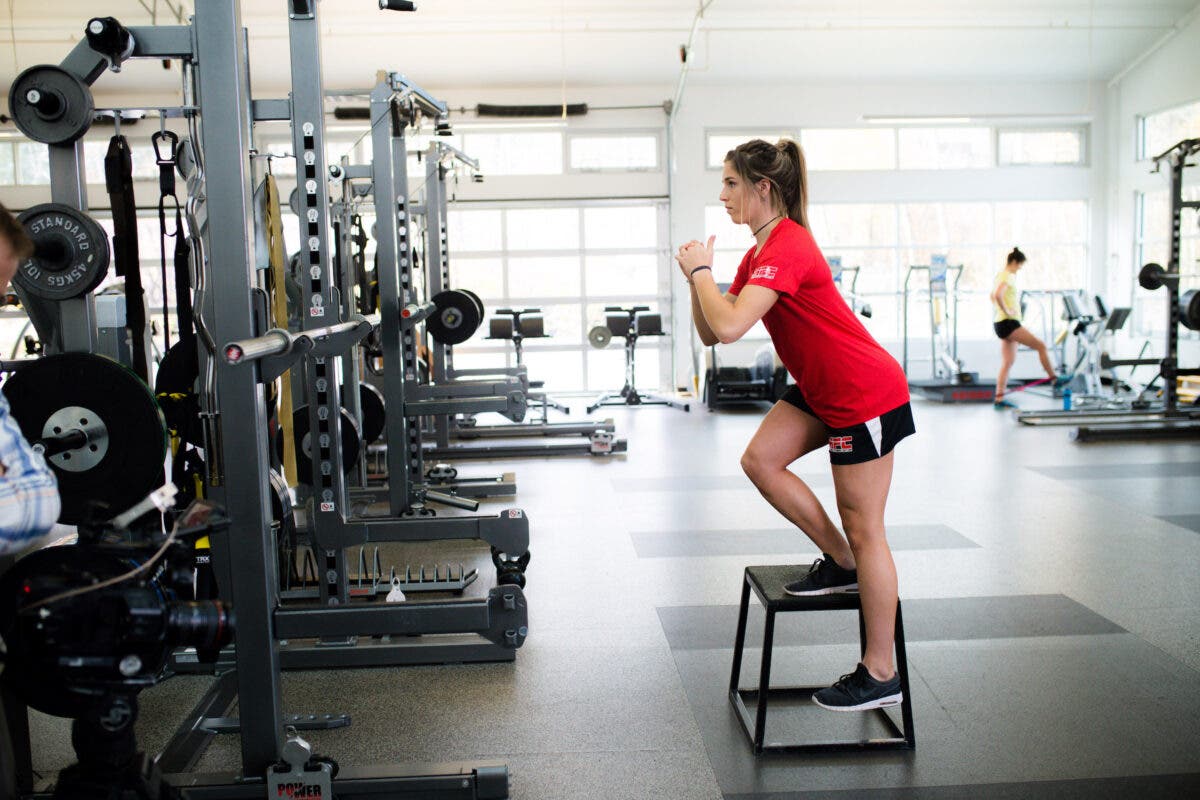
Athletes are advised to integrate movements such as slow-tempo squats, Bulgarian split squats, and leg presses, dedicating a full three to four seconds exclusively to the lowering phase. By intentionally slowing down the negative portion of the lift, the muscle fibers undergo microscopic adaptations that enhance their tensile strength and resilience against high-impact forces. This increased tolerance directly translates to longer, more fluid ski runs with significantly less delayed-onset muscle soreness (DOMS) the following day.
Isometric Endurance: Defeating the Quad Burn
To combat the relentless muscular fatigue experienced during sustained carving turns, training must include targeted isometric holds. The classic wall sit remains a gold standard for building static endurance in the quadriceps, but modern conditioning protocols encourage athletes to elevate the challenge by incorporating time-based sets while simultaneously adding weighted resistance to the upper body or performing single-leg variations.
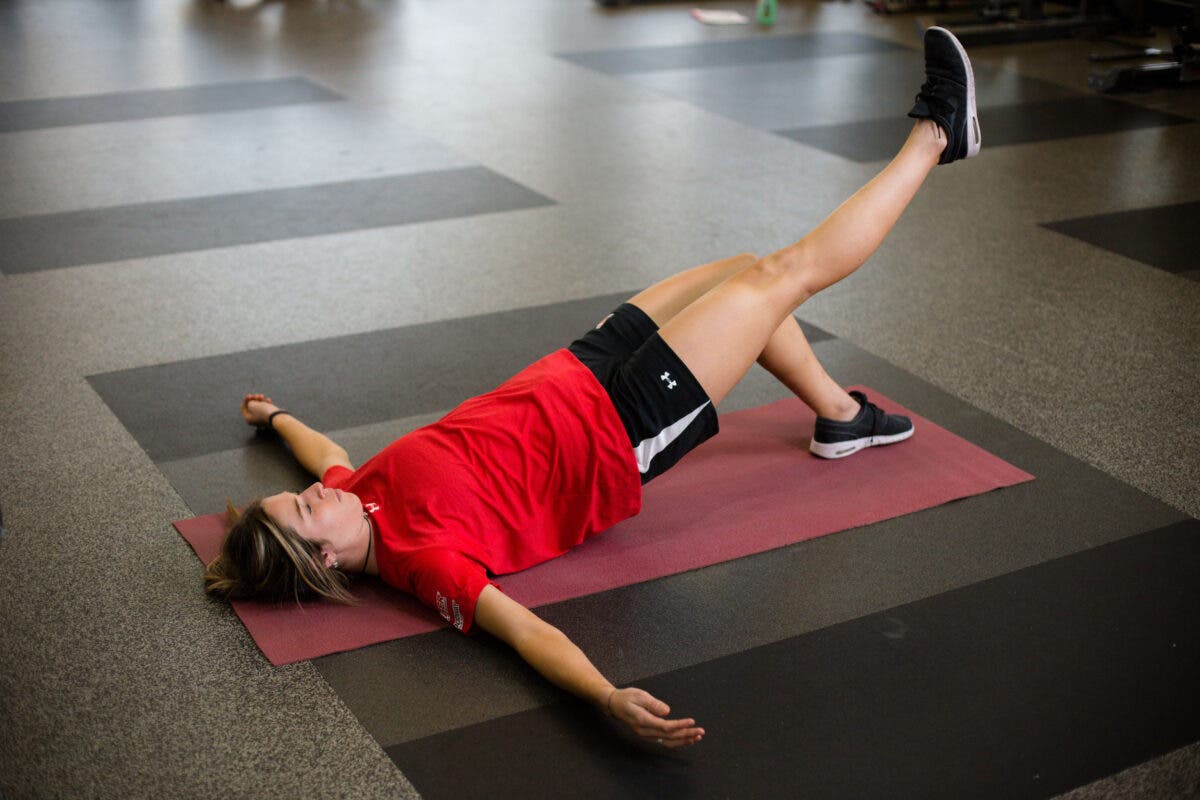
Similarly, single-leg glute bridges serve as an exceptional isometric exercise that isolates the posterior chain—specifically the gluteus maximus and hamstrings—while fortifying the core. Holding these static positions under tension trains the nervous system to sustain muscle firing over prolonged periods, directly reducing the intensity of the leg burn associated with aggressive skiing down steep, technical lines.
Unilateral Strength and Multi-Planar Stability
Given that skiing is fundamentally performed on one leg at a time, bilateral exercises alone are insufficient for complete pre-season preparation. Single-leg training addresses inherent strength asymmetries between the left and right sides of the body, which are major contributors to knee injuries, particularly anterior cruciate ligament (ACL) tears.
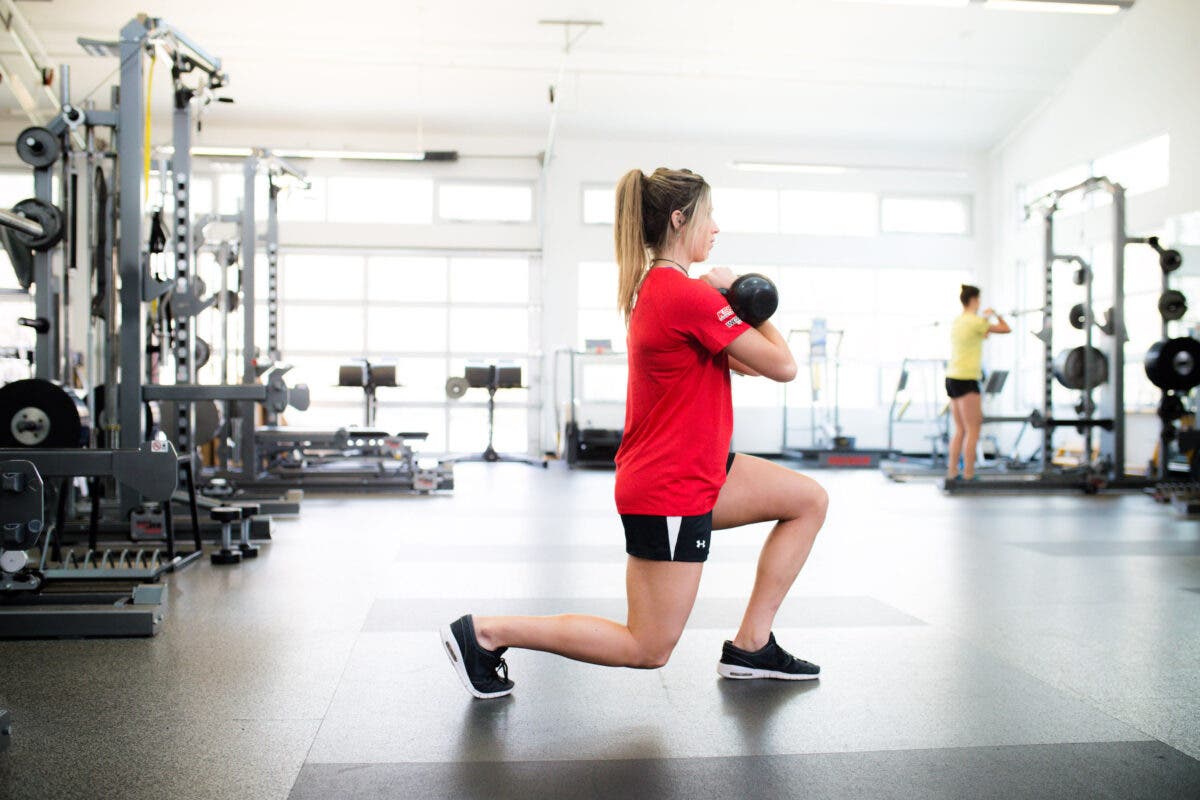
Physical therapists recommend incorporating multi-planar lunges—moving forward, backward, and laterally—to challenge the stabilizer muscles of the hips, knees, and ankles through various ranges of motion. Introducing unstable surfaces or resistance bands further forces the proprioceptive system to make rapid micro-adjustments, replicating the sudden corrections required when catching an edge on variable snow.
Advanced Core Integration via Plank Variations
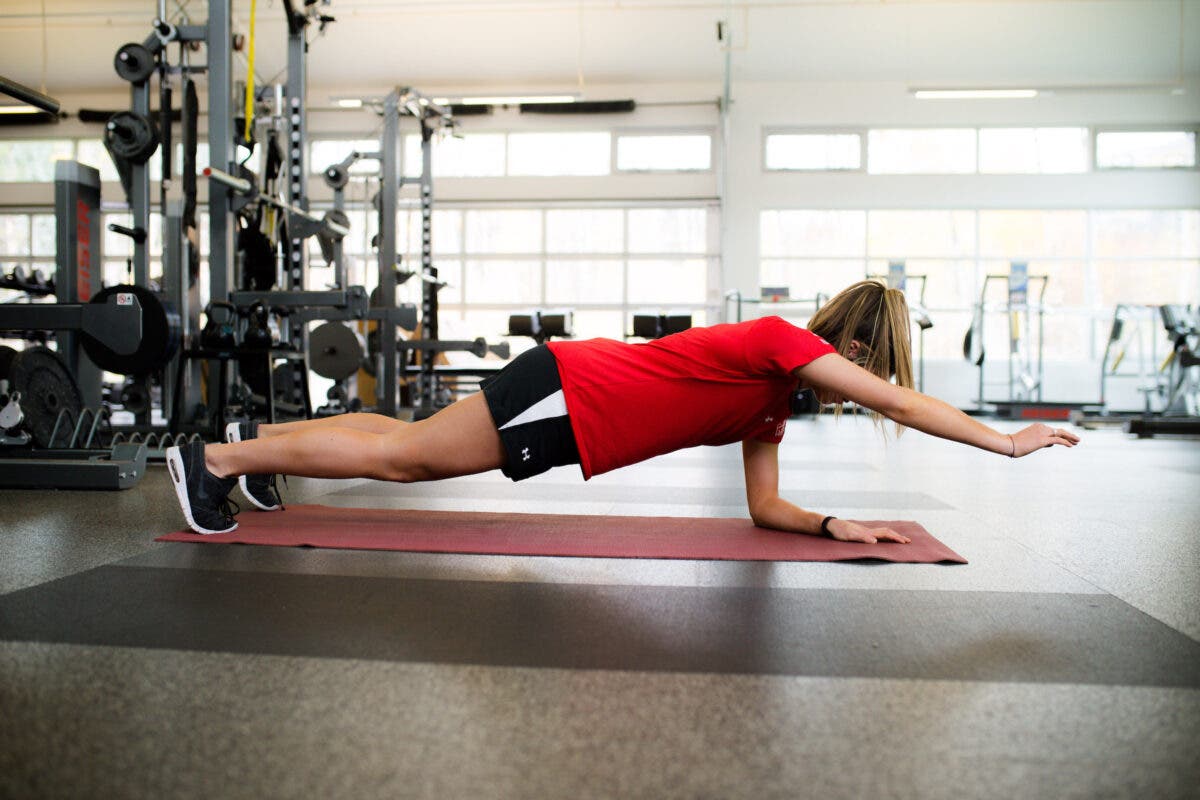
Standard forearm planks, while beneficial for general fitness, often fail to prepare the core for the complex rotational and lateral forces encountered on a mountain. An advanced ski-specific core routine must feature a variety of dynamic plank progressions.
Planks with alternating arm and leg reaches challenge rotational stability, requiring the abdominal wall and obliques to prevent the torso from twisting. Side-lying planks target the lateral stabilizers, while advanced movements like the Copenhagen plank—which places extreme demands on the adductors and deep hip stabilizers—offer unparalleled protection for the groin and inner knee structures. Maintaining a rigid, unbreakable trunk while the limbs move independently is the ultimate objective of this training phase.
Mobility, Recovery, and Injury Mitigation
No comprehensive conditioning program is complete without addressing tissue quality and joint mobility. The repetitive, high-impact nature of skiing causes significant tightening in the hips, ankles, thoracic spine, and hamstrings. Restricted range of motion in these areas forces adjacent joints to compensate, drastically increasing the likelihood of injury.
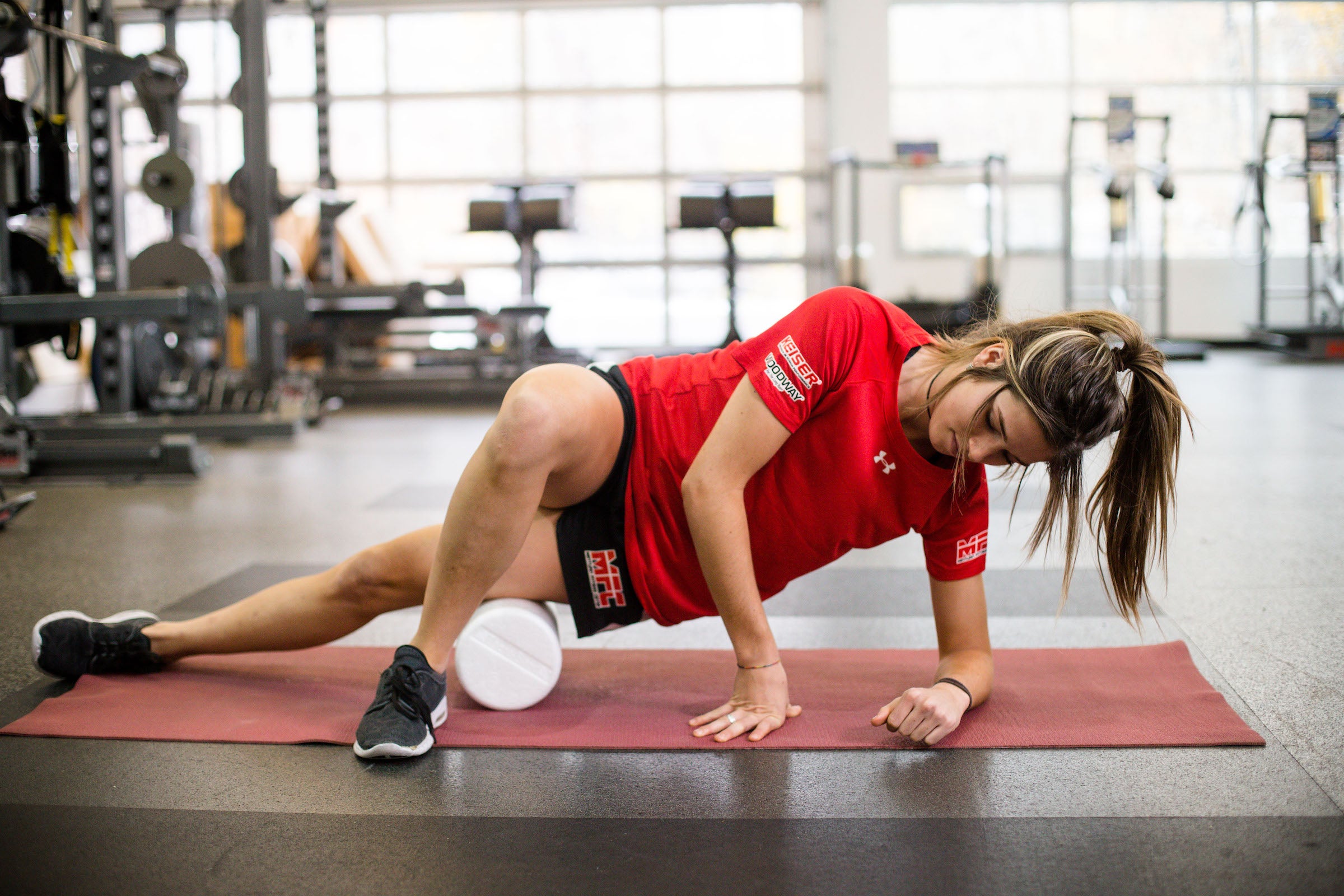
Pre-ski and post-ski mobility routines should focus on restoring full-range movement patterns in stiff joints. Clinicians advocate for the regular use of self-myofascial release tools, including foam rollers, massage guns, and dynamic stretching bands, to break up fascial adhesions and enhance local blood circulation. Prioritizing soft-tissue recovery ensures that muscles remain pliable, responsive, and capable of performing at an optimal level throughout multi-day ski vacations.
Broader Implications for Recreational and Elite Athletes
As winter sports continue to grow in popularity globally, mountain safety organizations and orthopedic researchers increasingly emphasize the shift from reactive medicine to proactive prevention. Industry data consistently indicates that physical conditioning programs significantly reduce both the incidence and severity of alpine injuries, easing the immense operational burden placed on resort medical clinics and regional healthcare systems.
Experts stress that physical preparation should not be viewed as a seasonal chore, but rather as an ongoing commitment to physical longevity. By treating pre-season conditioning as an integral component of the sport itself, skiers of all skill levels—from weekend enthusiasts to seasoned backcountry explorers—can protect their bodies, enhance their technical proficiency, and ensure countless seasons of safe, enjoyable movement across the snow-covered mountains.

