
As the winter season approaches, medical professionals and sports scientists are emphasizing the critical importance of pre-season conditioning to mitigate the inherent risks associated with alpine sports. Skiing is a high-velocity sport that takes place in unpredictable environments where hidden obstacles, variable snow density, and changing light conditions create a constant threat of physical trauma. While equipment advancements in bindings and helmet technology have significantly reduced the incidence of certain fractures, soft tissue injuries—particularly those involving the knee and lower extremities—remain a persistent challenge for the medical community. Dr. Matt Hastings, a Doctor of Physical Therapy at The Alpine Athlete, notes that while skiers cannot control the mountain, they can control their physiological readiness. Through a targeted regimen of eccentric loading, isometric stability, single-leg strength, core integration, and mobility work, athletes can build a "physical insurance policy" against the rigors of the slopes.
The Landscape of Alpine Injuries: Context and Statistics
The necessity of a specialized fitness routine is underscored by the current data regarding winter sports safety. According to epidemiological studies on alpine skiing, injury rates typically range from two to three injuries per 1,000 skier days. While this number may seem low, the severity of these injuries is often high. The Anterior Cruciate Ligament (ACL) remains the most vulnerable structure, accounting for approximately 13% to 17% of all skiing-related injuries. Medical records from trauma centers in major ski hubs like Colorado and Utah indicate a "bimodal distribution" of injury timing: a spike in the early season when skiers are unconditioned, and another spike late in the day when muscle fatigue compromises joint stability.
Physical therapists observe that many injuries occur during "eccentric failure," where the muscle is unable to lengthen under load, leading to a sudden transfer of force to the ligaments. This often happens when a skier hits an unexpected mogul or attempts to recover from a "backseat" position. By implementing a structured strength program at least eight to twelve weeks before the first chairlift opens, skiers can improve their neuromuscular control, allowing the brain and body to react more efficiently to high-speed stimulus.
The Chronology of Pre-Season Preparation
Effective injury prevention follows a logical progression of physiological adaptation. Experts suggest a three-phase timeline for the average enthusiast:
- The Base Phase (12–8 weeks out): Focusing on general hypertrophy and mobility. This period addresses "stiff" joints and builds a foundation of muscle mass.
- The Strength and Stability Phase (8–4 weeks out): Introducing ski-specific movements, including single-leg balance and isometric holds that mimic the demands of carving.
- The Power and Reactive Phase (4 weeks to Season Opening): Incorporating plyometrics and eccentric control to prepare the nervous system for the rapid absorption of terrain changes.
This chronological approach ensures that the musculoskeletal system is not overwhelmed by the sudden transition from sedentary summer activities to the high-impact environment of the mountains.
1. Eccentric Loading: Building the Ultimate Shock Absorber
The first pillar of an effective ski-prevention program is eccentric exercise. In biomechanical terms, an eccentric contraction occurs when a muscle lengthens under tension. During a squat, this is the lowering phase. On the mountain, every bump and turn requires the quadriceps and glutes to act as shock absorbers, lengthening to catch the body’s weight as it descends through gravity.
Dr. Hastings emphasizes that training the "lowering phase" is more important for skiing than the "pushing phase." When a skier hits a dip in the terrain, the legs must resist being crushed into the snow. If the muscles lack eccentric strength, the force travels directly into the knee joint. To train this, athletes should focus on a "3-0-1" tempo during lifts: three seconds for the lowering phase, zero seconds at the bottom, and one second to return to the start. This slow, controlled descent increases the muscle’s tolerance to sustained load, effectively turning the legs into high-performance springs.
2. Isometric Strengthening: Fighting the "Quad Burn"
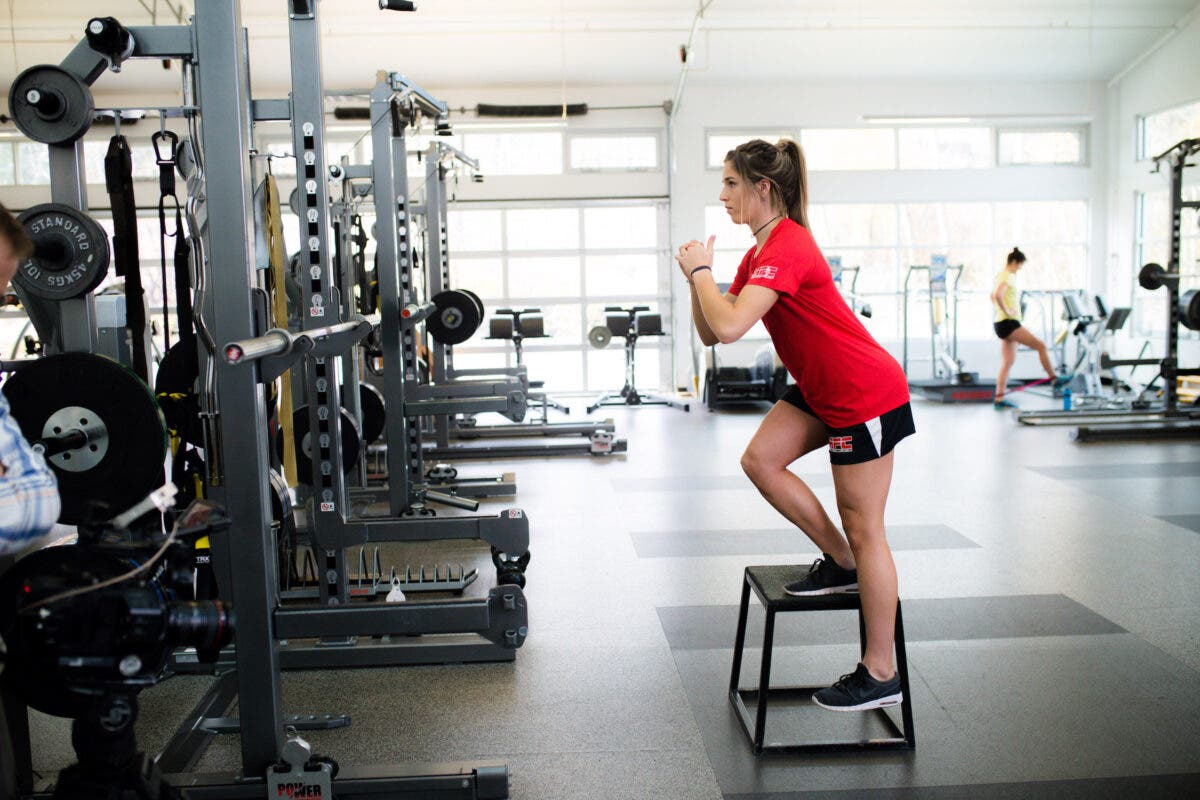
Isometrics involve muscle contractions where the joint angle and muscle length do not change. For a skier, this is most evident during a long, sustained traverse or a high-speed carving turn where the body must remain "locked" in a specific athletic stance against significant centrifugal force. The infamous "quad burn" felt halfway down a groomed run is the result of metabolic waste buildup during these sustained isometric contractions.
By incorporating isometric holds—such as the traditional wall sit or a single-leg glute bridge hold—skiers can improve their anaerobic threshold and mental fortitude. These exercises teach the nervous system to maintain stability even when the muscle is screaming for oxygen. Advanced variations include holding a weighted goblet squat at the mid-point for 30 to 60 seconds, which directly replicates the tension required to hold an edge on icy or "boilerplate" snow conditions.
3. Single-Leg Stability: The Reality of Edge Control
While many gym-goers focus on bilateral movements like the leg press, skiing is fundamentally a single-leg sport. As a skier moves from turn to turn, the weight is dynamically shifted from the inside edge of one ski to the outside edge of the other. At peak force, nearly 100% of the skier’s weight (plus G-forces) may be concentrated on a single leg.
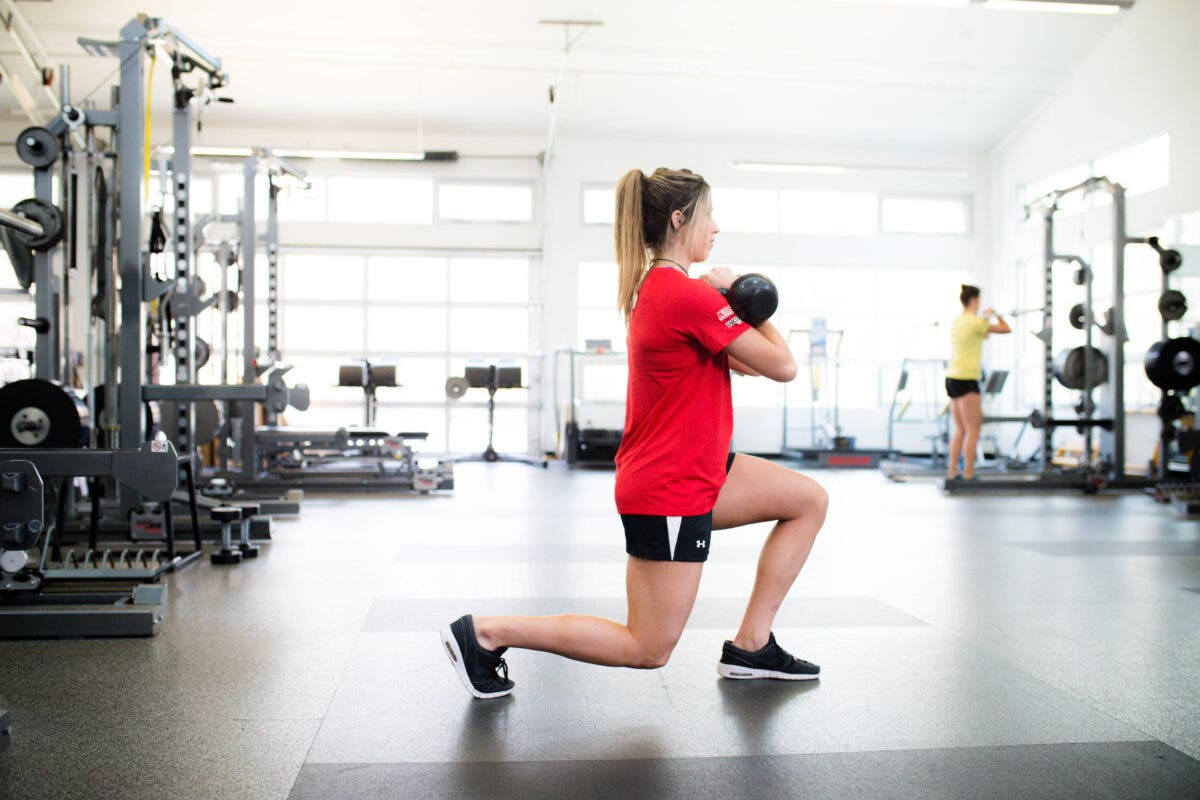
Single-leg exercises, such as lunges in multiple planes (forward, lateral, and reverse) or Bulgarian split squats, are essential for developing the stabilizers in the hip and ankle. Lateral lunges are particularly relevant, as they mimic the side-to-side weight transfer of slalom turns. Strengthening the gluteus medius through single-leg work is one of the most effective ways to prevent "valgus collapse"—the inward buckling of the knee that is a primary precursor to ACL tears.
4. Plank Variations: The Core as a Chassis
In alpine sports, the core functions as the "chassis" that connects the engine (the legs) to the steering (the upper body). A weak trunk leads to "upper body rotation," where the skier’s torso swings wildly, throwing off their center of gravity and making them prone to falls.
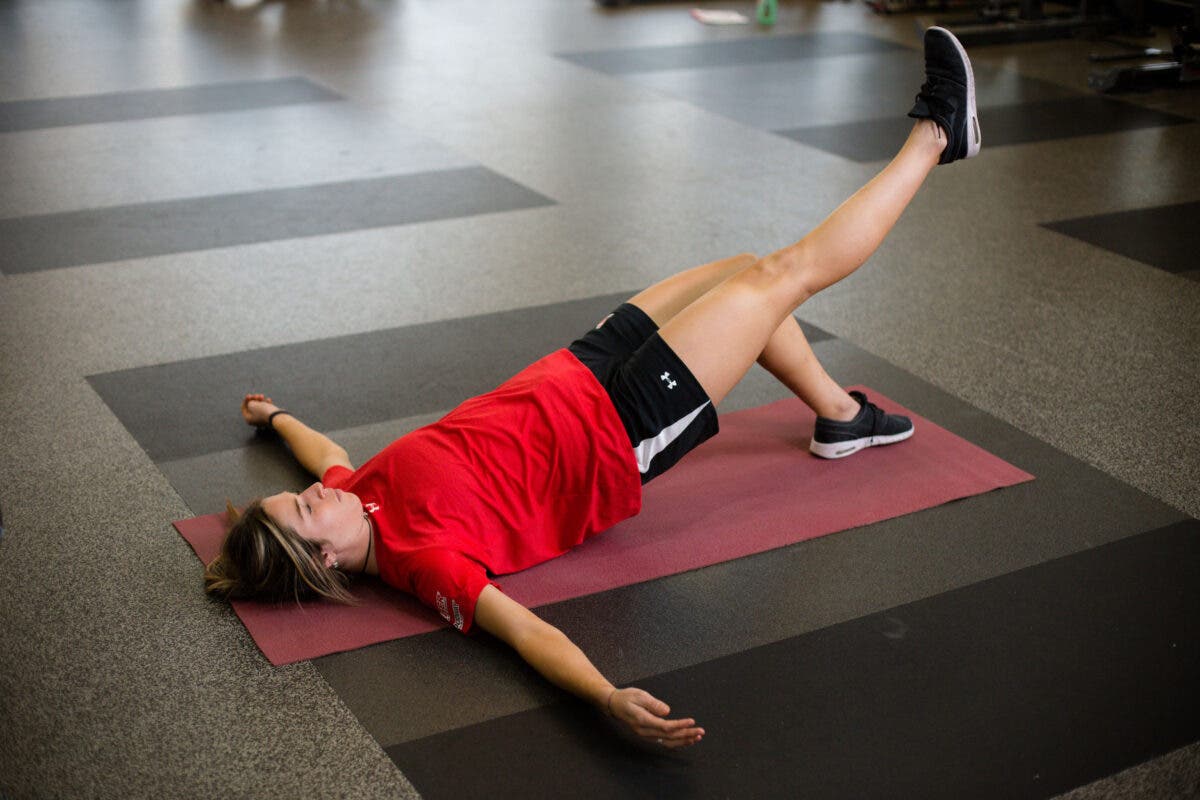
Standard planks are a starting point, but Dr. Hastings recommends dynamic variations to better simulate the mountain. Side planks with a leg lift or "Copenhagen planks" (which target the adductors) provide the lateral stability needed to stay upright when a ski catches an edge. The goal is to maintain a "quiet" upper body while the lower body moves independently. By strengthening the obliques and deep transverse abdominis, skiers can maintain a more aerodynamic and stable position, even in "choppy" or "mashed potato" snow conditions.
5. Mobility and Recovery: The Kinetic Chain
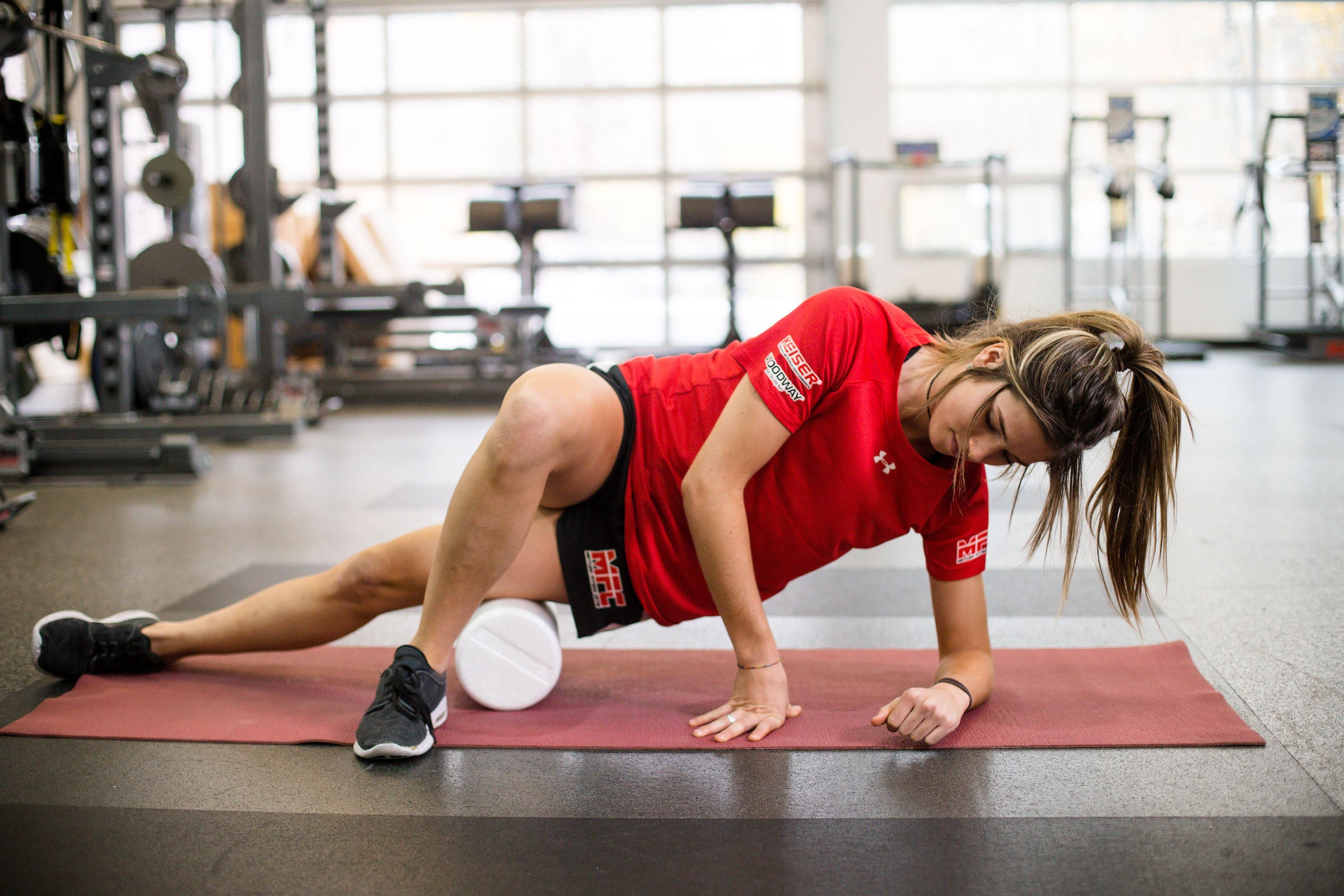
The final component of a professional-grade ski routine is mobility. There is a vital distinction between flexibility (passive stretching) and mobility (the ability to control a joint through its full range of motion). Skiing requires significant mobility in the ankles, hips, and thoracic spine.
Stiff ankles prevent a skier from leaning forward into their boots, which forces them into the "backseat"—a position that is both exhausting and dangerous for the knees. Hip mobility allows for the deep flexion needed in moguls, while spine mobility ensures the body can absorb rotational forces without injuring the lower back. Utilizing tools such as foam rollers and massage guns post-ski can aid in lymphatic drainage and reduce Delayed Onset Muscle Soreness (DOMS), allowing for back-to-back days on the mountain without a decline in physical performance.
Broader Implications for the Ski Industry and Public Health
The push for better pre-season conditioning has implications beyond individual safety. For the ski industry, a reduction in injuries means fewer emergency evacuations, lower insurance premiums, and higher guest satisfaction. From a public health perspective, the "weekend warrior" phenomenon—where sedentary office workers engage in high-intensity sports without preparation—places a significant burden on orthopedic resources.
As climate change continues to impact snow consistency, leading to more frequent cycles of melting and freezing, the terrain is becoming more demanding. Harder snow surfaces increase the vibration and impact forces transmitted to the human body. Consequently, the physical "margin for error" is narrowing.
In conclusion, the transition from the gym to the chairlift should be a calculated progression rather than a leap of faith. By integrating these five exercise modalities, skiers can address the specific biomechanical demands of the sport. As Dr. Hastings and other physical therapy experts suggest, the goal is not just to survive the season, but to thrive within it—maintaining the strength and agility required to enjoy the mountain from the first dusting of November to the final slush of April. Pre-season preparation is no longer an optional luxury for the elite; it is a fundamental necessity for anyone looking to navigate the risks and rewards of the high alpine environment.

