
As the autumn equinox passes and temperatures begin to drop across the Northern Hemisphere, the transition from summer recreation to winter preparation becomes a critical window for alpine athletes. While the temptation to maintain a sedentary lifestyle during the "shoulder season" remains high, sports medicine data suggests that physical preparation in September and October is the primary determinant of both performance and safety on the slopes. Emerging research, including a landmark Swedish study involving alpine ski students, indicates that dedicated preseason neuromuscular training can reduce the incidence of Anterior Cruciate Ligament (ACL) injuries by nearly 50 percent over two consecutive seasons. This correlation between early-autumn conditioning and injury mitigation has transformed preseason training from a recommendation into a professional standard for skiers of all ages.
The Physiological Demands of Alpine Skiing
Alpine skiing is a unique physiological endeavor that requires a complex interplay of aerobic capacity, anaerobic power, and eccentric muscle strength. Unlike traditional sports that rely on concentric movements—where muscles shorten under tension—skiing is heavily dependent on eccentric contractions. This occurs as the skier resists the forces of gravity and centrifugal momentum during a turn, requiring the quadriceps and glutes to lengthen while under intense load.
Without proper conditioning, the sudden onset of these forces on "opening day" can lead to rapid muscle fatigue. This fatigue is the primary precursor to injury, as tired muscles fail to stabilize the knee and hip joints, placing the brunt of the mechanical stress on ligaments and tendons. Consequently, experts in sports orthopedics emphasize that the "fall itch" for skiing should be channeled into specific training modalities that mimic the lateral and vertical demands of the sport.
Neuromuscular Training and Injury Mitigation
The Swedish study cited by industry professionals highlights a broader trend in sports science: the importance of neuromuscular control. Neuromuscular training focuses on the "brain-muscle" connection, teaching the body to maintain joint alignment through proprioception and balance. For skiers, this means training the hamstrings and glutes to fire effectively to protect the ACL during high-speed maneuvers or unexpected terrain changes.
U.S. Ski Team surgeons have long advocated for this proactive approach, noting that ACL tears are among the most common and debilitating injuries in the sport. The recovery period for a reconstructive surgery typically spans nine to twelve months, effectively ending a skier’s season and potentially impacting their long-term mobility. By engaging in preseason activities that challenge balance and core stability, athletes can build a "protective shield" of muscle memory that activates during the split-second window of a potential fall.
Strategic Outdoor Cross-Training Modalities
To achieve peak condition, fitness experts recommend a diversified approach that utilizes the natural terrain of the autumn landscape. These activities are designed to build the specific muscle groups and cardiovascular resilience required for high-altitude environments.
High-Elevation Inclined Hiking
Hiking directly up ski resort slopes or steep mountain trails is considered one of the most effective preseason workouts. This activity serves a dual purpose: it builds cardiovascular endurance while subjecting the lower body to the specific vertical gain it will encounter during the winter. Climbing steep grades "torches" the lungs and engages the glutes and quadriceps in a manner that mirrors the intensity of a long descent.
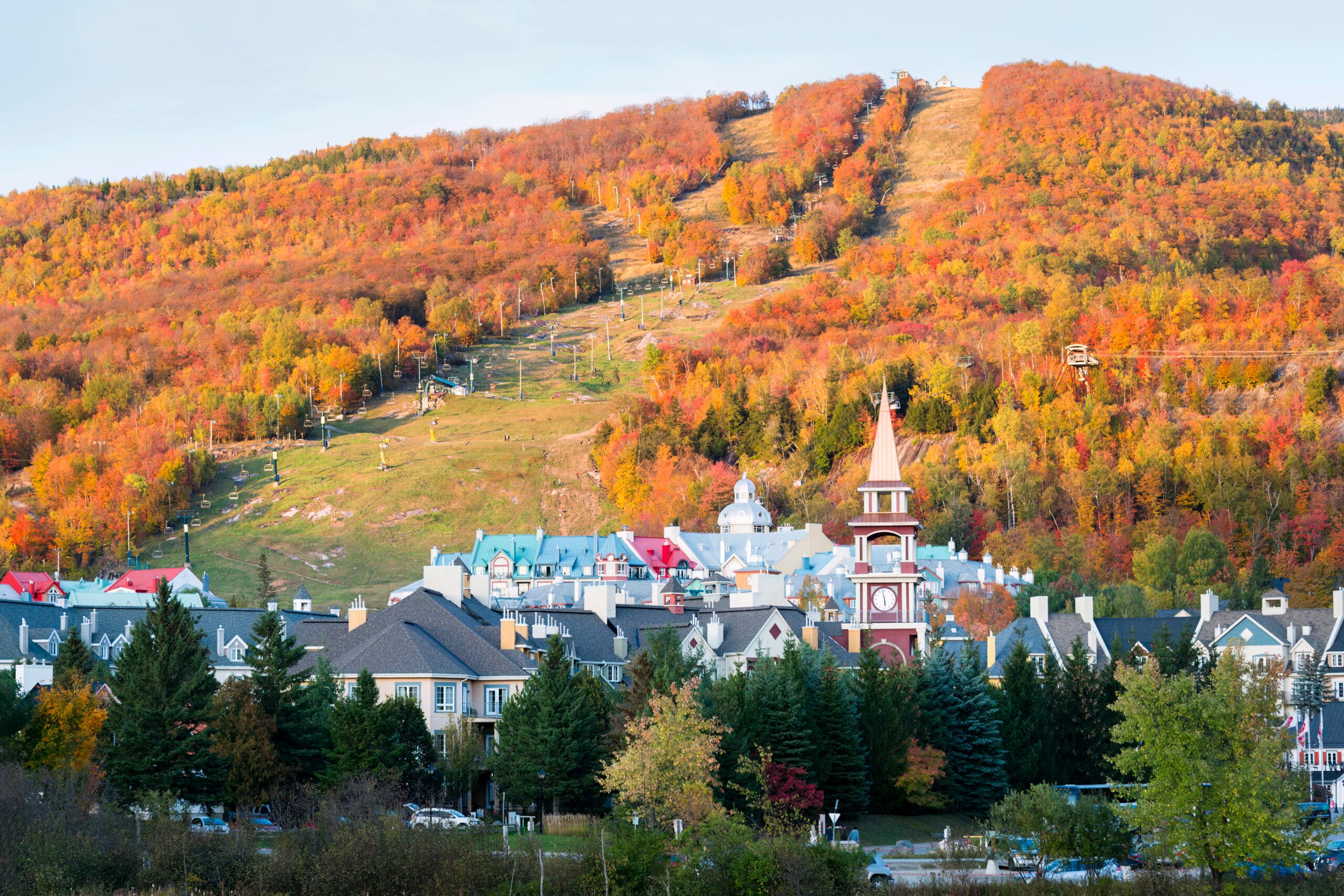
For advanced training, many athletes incorporate weighted vests to simulate the load of an avalanche pack or heavy winter gear. This added resistance increases the metabolic demand of the hike and further strengthens the stabilizer muscles in the ankles and feet. Furthermore, hiking these trails in the fall allows skiers to visualize their winter lines, providing a mental edge when the snow eventually covers the terrain.
Technical Mountain Biking and Edge Control
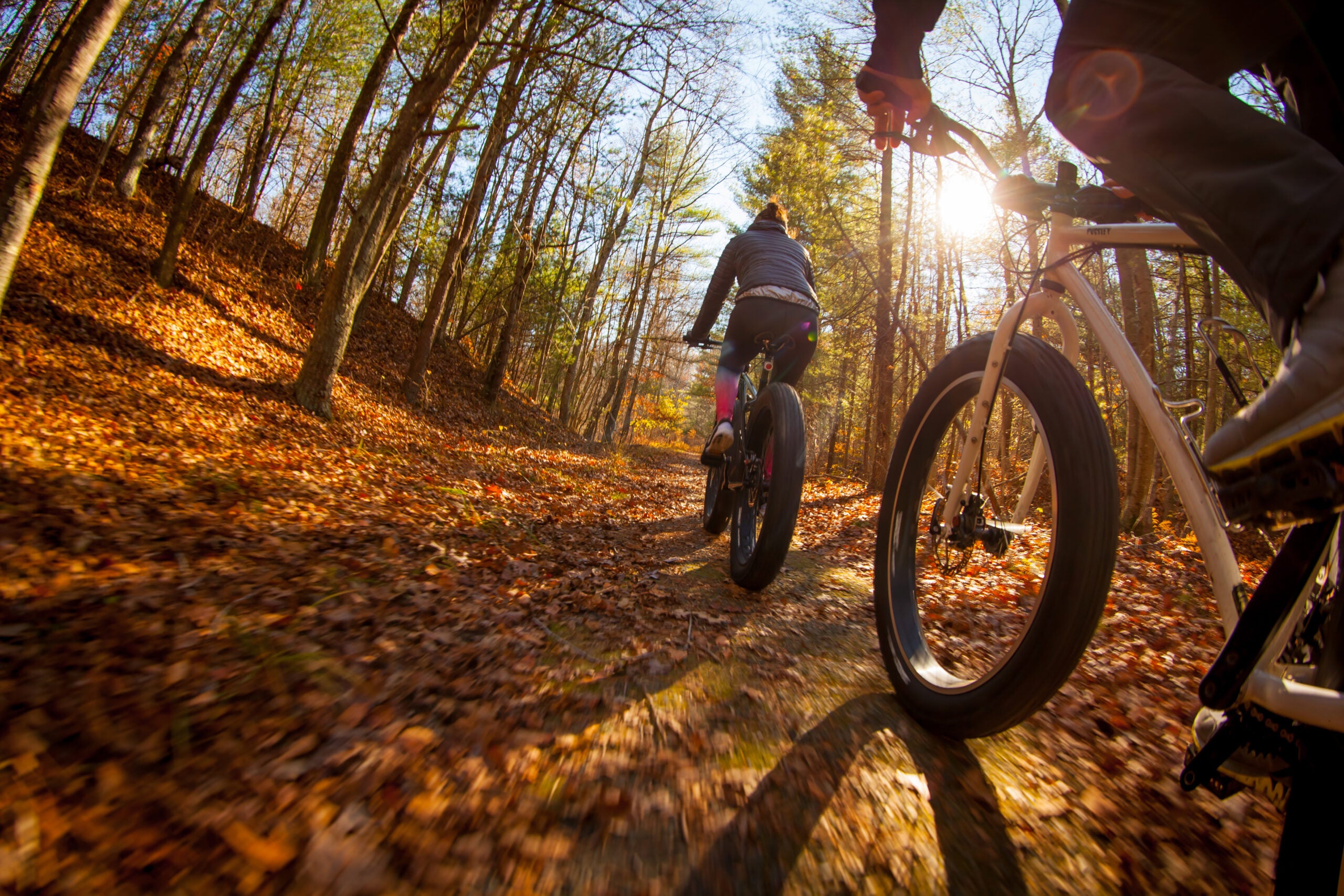
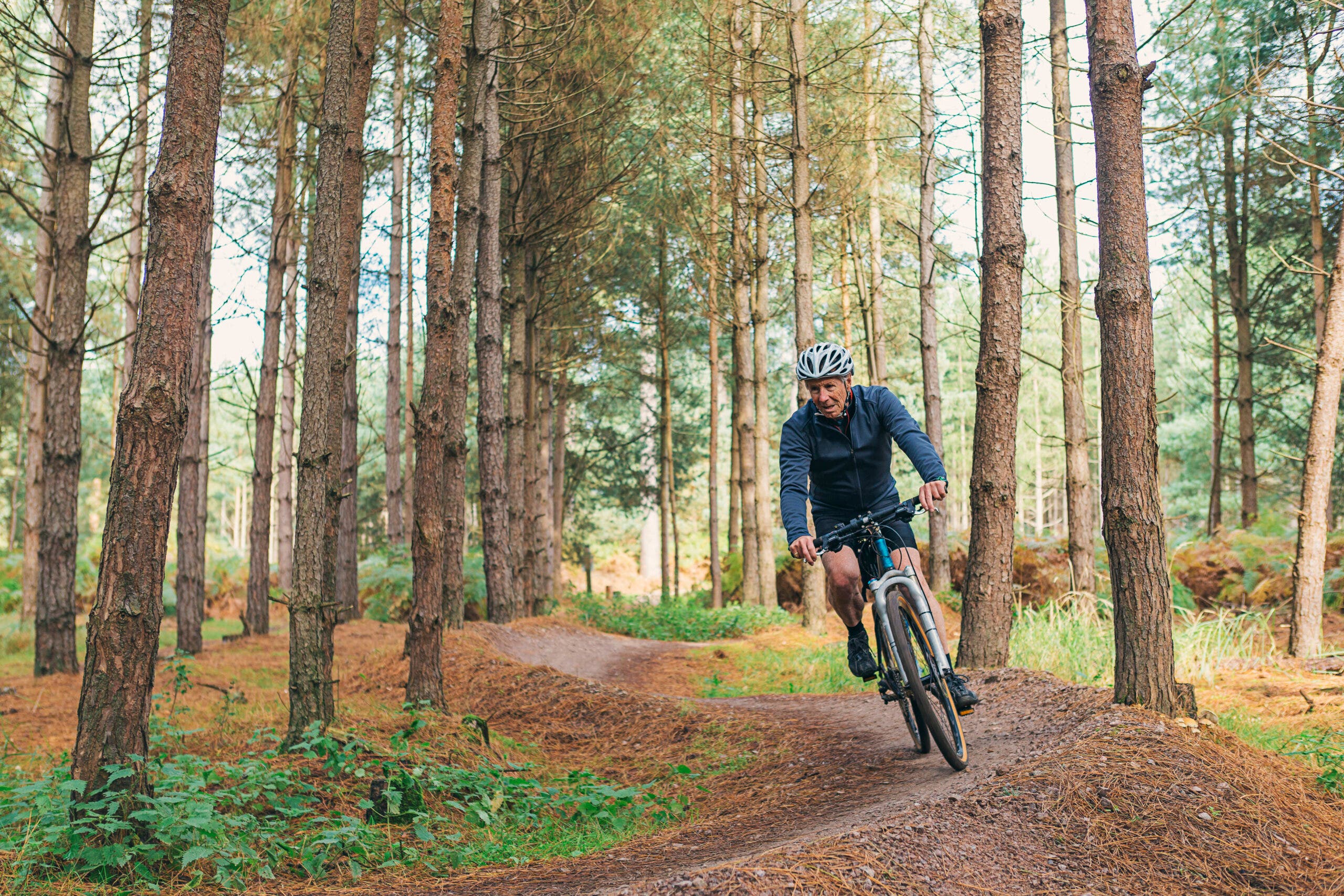
Mountain biking has become the unofficial off-season sport of choice for the professional skiing community. The mechanical similarities between cornering on a bicycle and carving on skis are significant. Navigating loose dirt and technical descents requires constant weight shifting, line choice, and core engagement.
Uphill mountain biking, in particular, provides a high-intensity interval training (HIIT) effect, which is essential for the anaerobic bursts required in skiing. The need to maintain balance through uneven terrain trains the athlete’s proprioceptive sensors, directly translating to better edge control on variable snow. Whether utilizing traditional mountain bikes or high-performance e-bikes for increased vertical volume, the sport remains a cornerstone of alpine conditioning.
Via Ferrata and Core Engagement
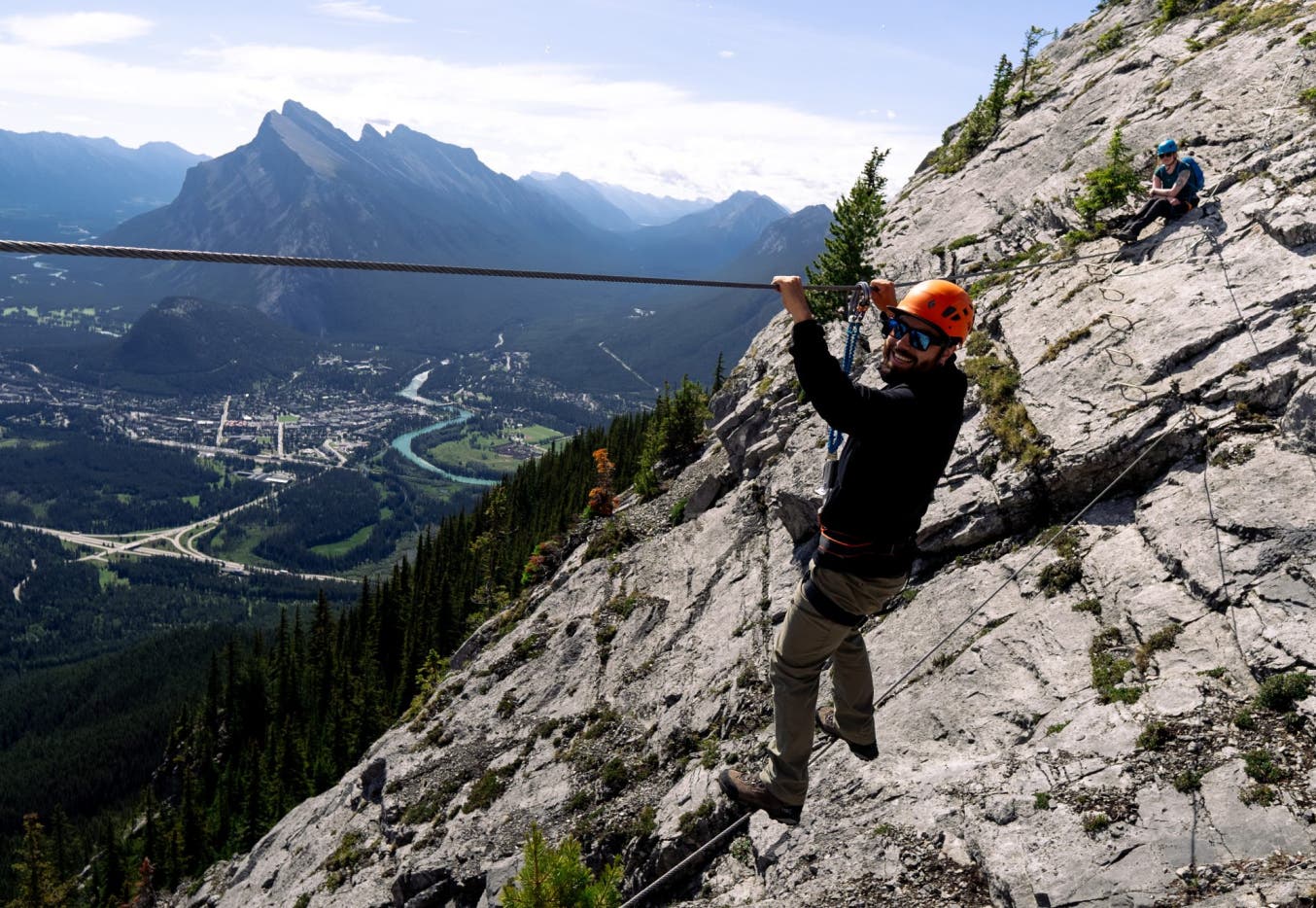
Originally developed in the Italian Dolomites—the site of the upcoming 2026 Winter Olympic Games—Via Ferrata ("iron path") climbing has gained popularity in North America as a functional training tool. This activity involves navigating cliff faces using fixed cables, rungs, and ladders.
From a physiological perspective, Via Ferrata is an exceptional workout for core stability and grip strength. The constant tension required to move across vertical rock faces forces the deep abdominal muscles to engage, which is critical for maintaining an athletic stance on skis. Additionally, the mental focus required for climbing mimics the high-stakes concentration needed for navigating "double-black diamond" terrain or backcountry couloirs.
Cardiovascular Adaptation and Altitude Training
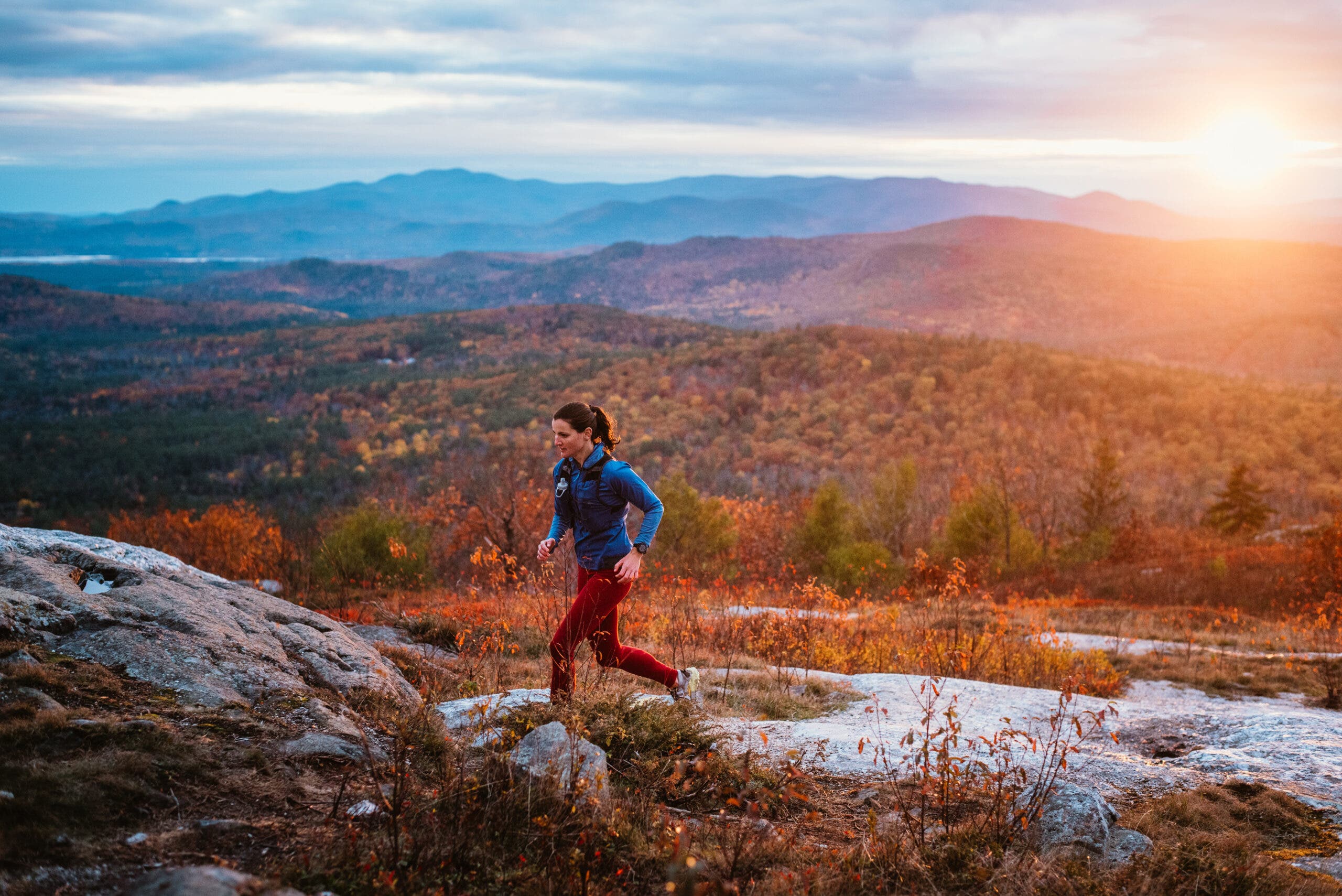
Trail running at altitude remains the gold standard for cardiovascular preparation. The thinner air at higher elevations triggers erythropoiesis—the production of more red blood cells—to compensate for lower oxygen levels. This adaptation is vital for skiers who plan to travel from sea-level cities to mountain resorts.
The uneven surfaces of alpine trails also serve to strengthen the small stabilizer muscles around the knees and ankles. Unlike running on flat pavement, trail running requires the body to constantly adjust to rocks, roots, and shifting grades. This "micro-adjustment" training is invaluable for skiing through moguls or "chopped" powder, where the terrain is never uniform.
The Rise of Indoor Simulation and "Infinite Slopes"
For urban dwellers without immediate access to mountain ranges, the industry has seen a surge in technological solutions. Facilities such as "Big Snow" at the American Dream mall in New Jersey offer year-round, climate-controlled skiing, but the latest innovation lies in "infinite slopes" and interactive simulators.
Companies like Bluerun are pioneering the use of revolving slopes—essentially giant treadmills for skiers and snowboarders. These machines allow for high-volume repetition of carving and edging movements in a controlled environment. Unlike a traditional ski hill where a significant portion of the day is spent on lifts, a simulator provides 100 percent active time. This allows for the fine-tuning of upper-lower body separation and hip angulation under the guidance of instructors who can observe form from a stationary position. These simulators are increasingly being used not just for beginners, but for advanced athletes looking to build the "ski-specific" endurance that is difficult to replicate in a standard gym setting.
Chronology of a Preseason Training Cycle
A professional-grade preseason training cycle typically follows a three-month progression:
- September (Base Building): Focus on aerobic capacity through long-distance hiking and biking. The goal is to build a "cardiovascular floor" that will support more intense workouts later.
- October (Power and Strength): Transition to plyometrics (jump training) and heavy resistance training. This is the period to focus on eccentric leg strength and core stability.
- November (Refinement and Agility): Shift toward high-intensity intervals and sport-specific movements. This includes using ski simulators or attending "dry-land" training camps to sharpen reflexes.
Economic and Public Health Implications
The push for preseason conditioning also carries significant economic weight. The ski industry is a multi-billion dollar sector, and injuries represent a major loss of revenue for resorts and a significant healthcare burden. An ACL reconstruction and subsequent physical therapy can cost between $20,000 and $50,000, not including lost wages or the psychological impact of a long-term sedentary recovery.
By promoting "ski readiness," the industry aims to ensure that participants stay on the mountain longer and return year after year. For the "aging athlete" demographic—skiers in their 40s, 50s, and beyond—this preparation is the difference between a lifelong hobby and a forced retirement from the sport.
Expert Consensus and Future Outlook
The consensus among sports scientists, surgeons, and professional coaches is clear: the physical state in which a skier enters the season dictates their risk profile for the next six months. The integration of neuromuscular training, high-altitude cardio, and modern simulation technology provides a comprehensive roadmap for any skier looking to maximize their time on the snow.
As the 2025-2026 season approaches, the shift toward proactive, data-driven conditioning reflects a broader evolution in alpine sports. Skiing is no longer viewed as an activity one "does to get in shape," but rather an activity one "gets in shape to do." Those who utilize the autumn months to build a foundation of strength and endurance will find themselves rewarded with better performance, fewer aches, and, most importantly, a significantly reduced risk of a season-ending injury.

