
The executive branch of the United States has initiated a comprehensive restructuring of national energy priorities, characterized by the suspension of major renewable energy developments, a proposed expansion of offshore oil and gas leasing, and the forced extension of coal-fired power generation. These actions represent a significant departure from previous federal policies aimed at decarbonization and climate mitigation. By utilizing a combination of executive orders, departmental mandates, and emergency federal powers, the administration is moving to dismantle the framework of the clean energy transition while simultaneously challenging the institutional stability of climate science research.
Immediate Suspension of Major Offshore Wind Developments
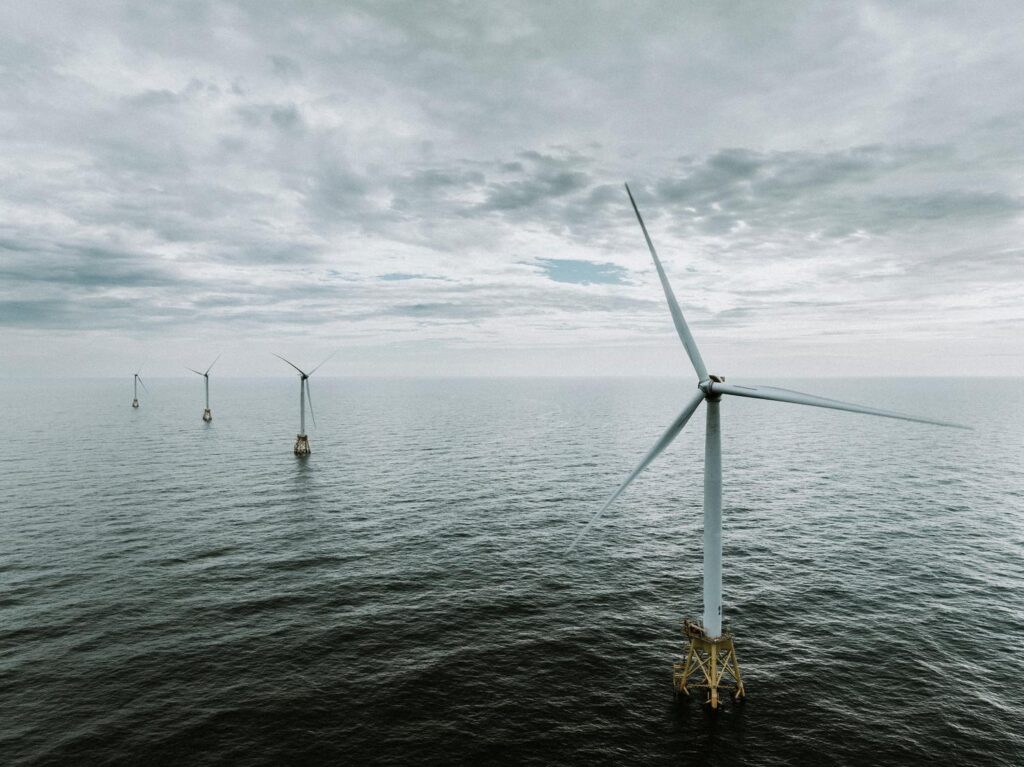
In a move that has sent shockwaves through the renewable energy sector, the Department of the Interior (DOI) has issued orders to halt five major offshore wind projects that were already in various stages of construction. The affected developments include Vineyard Wind, Revolution Wind, Coastal Virginia Offshore Wind, Sunrise Wind, and Empire Wind. These projects represent billions of dollars in private and public investment and were slated to provide gigawatts of clean electricity to the Eastern Seaboard.
The administration has justified the suspension by citing "national security" concerns. While the specific nature of these concerns remains classified, officials have suggested that the proximity of these turbines to maritime transit lanes and potential interference with radar systems necessitate a full re-evaluation. Critics and industry analysts, however, note that these projects had already undergone years of rigorous federal permitting, including reviews by the Department of Defense and the U.S. Coast Guard.

The cessation of work creates immediate economic instability for the domestic offshore wind supply chain. Thousands of jobs associated with specialized vessel construction, port upgrades in states like Massachusetts and New Jersey, and turbine component manufacturing are now at risk. Furthermore, the decision introduces a high degree of "regulatory risk," which may deter future institutional investment in U.S. infrastructure. Legal experts suggest that the use of classified national security claims to bypass existing permits is an unprecedented application of federal authority that will likely face protracted challenges in the federal court system.
The Proposed Liquidation of the National Center for Atmospheric Research
The administration has signaled its intent to terminate or significantly defund the National Center for Atmospheric Research (NCAR), a premier scientific institution located in Boulder, Colorado. Since its founding in 1960, NCAR has served as a cornerstone of global climate science, providing the computational power and observational data necessary to understand atmospheric dynamics, wildfire behavior, and extreme weather patterns.
NCAR is managed by the University Corporation for Atmospheric Research (UCAR) under a cooperative agreement with the National Science Foundation (NSF). The institution’s contributions are not merely academic; its Weather Research and Forecasting (WRF) model is used by the National Weather Service, private airlines, and agricultural firms to make daily operational decisions. The threat to shut down the center places these critical public services in jeopardy.
From a policy perspective, the move to dissolve NCAR is seen as an attempt to undermine the data-driven basis for climate regulations. By removing the primary source of U.S. climate modeling, the administration effectively limits the ability of future governments and frontline communities to quantify climate risks. This has direct implications for the insurance industry, which relies on NCAR’s datasets to price risk for floods, hurricanes, and wildfires. Without these projections, the scientific foundation for snowpack monitoring and water resource management in the American West would be severely eroded.
Massive Expansion of Offshore Drilling Leases
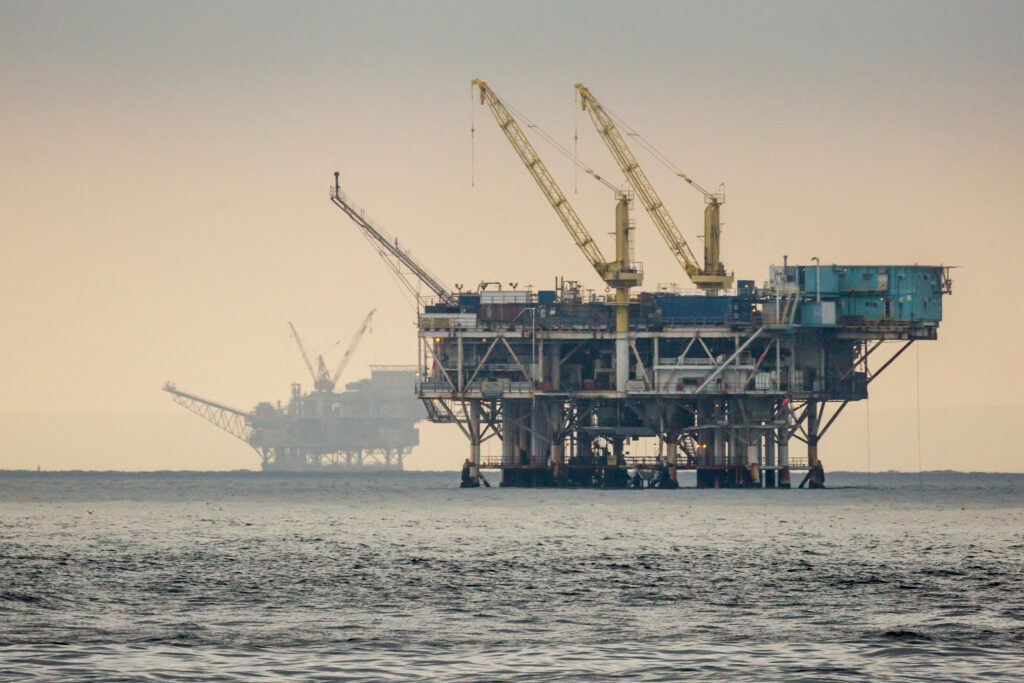
In a direct reversal of the 2024–2029 Outer Continental Shelf (OCS) Oil and Gas Leasing Program, which had limited new sales to a historic low, the administration has proposed opening 1.27 billion acres of U.S. waters to oil and gas exploration. The proposal encompasses vast tracts of the Atlantic and Pacific coasts, as well as sensitive areas in the Gulf of Mexico, the Alaskan coastline, and the Arctic Ocean.
The scale of this proposal is nearly unprecedented in modern American history. The administration argues that "energy dominance" requires the full exploitation of domestic fossil fuel reserves to lower consumer costs and enhance geopolitical leverage. However, the environmental and economic risks associated with this expansion are substantial. Coastal states, including Florida and California, have historically opposed offshore drilling due to the potential for catastrophic oil spills and the negative impact on multi-billion-dollar tourism and fishing industries.
Data from environmental impact assessments suggest that opening these waters could lead to a significant increase in long-term greenhouse gas emissions, potentially locking in fossil fuel infrastructure for decades. The move has prompted a coalition of environmental organizations, including the Surfrider Foundation and Protect Our Winters (POW), to launch national campaigns urging the public to engage in the formal comment period. These groups argue that the proposal ignores the ecological resilience of ocean ecosystems and the role they play in regulating global weather patterns.
Emergency Intervention at the Craig Generating Station
The Department of Energy (DOE) has invoked rarely used emergency powers under Section 202(c) of the Federal Power Act to compel a Colorado coal plant to remain operational. The Craig Generating Station Unit 1, a nearly 50-year-old facility in northwestern Colorado, was scheduled for decommissioning as part of a state-approved transition to cleaner energy sources. The unit had already been offline due to significant mechanical failures when the federal order was issued.

The DOE’s intervention claims that the plant is necessary to maintain "grid reliability" during peak demand periods. However, the utility operating the plant, Tri-State Generation and Transmission Association, along with state regulators, had already accounted for the unit’s retirement in their long-term resource plans. Analysts point out that forcing an aging, inefficient coal plant to stay online is economically counterproductive. The costs of repairing and maintaining the broken facility will likely be passed on to ratepayers, leading to higher electricity bills for households in rural Colorado.
This federal mandate overrides local and state-level decision-making regarding the energy transition. Colorado has been a leader in "Just Transition" policies, which aim to support coal-dependent communities as they move toward renewable energy economies. By forcing the Craig plant to stay online, the federal government is disrupting these localized economic plans and delaying the deployment of more affordable wind and solar projects that were scheduled to replace the coal capacity.
Chronology of Policy Shifts
The timeline of these actions indicates a coordinated strategy to pivot the nation’s energy landscape within a very short window:
- Late December: The DOI quietly issues suspension orders for offshore wind projects, citing classified national security reviews.
- January 1: The DOE issues the emergency order for Craig Generating Station Unit 1, one day prior to its scheduled permanent closure.
- Early January: The White House budget proposal includes a recommendation for the phased closure of NCAR and the redistribution of its assets.
- Mid-January: The Bureau of Ocean Energy Management (BOEM) releases the draft proposal for the 1.27 billion-acre offshore drilling plan, initiating a 60-day public comment period.
Broader Economic and Environmental Implications
The cumulative impact of these policies represents a fundamental shift in the United States’ role in the global energy market. While the administration frames these moves as essential for economic growth and security, the immediate result is a state of profound uncertainty for the energy industry.
- Market Instability: The sudden revocation of permits for offshore wind projects signals to global investors that U.S. federal contracts may be subject to political volatility, potentially driving capital to more stable markets in Europe and Asia.
- Environmental Degradation: The expansion of drilling and the retention of coal power are projected to increase carbon dioxide and methane emissions. In the American West, where temperatures are rising faster than the global average, this contributes to the thinning of snowpacks and the lengthening of wildfire seasons.
- Scientific Atrophy: The dismantling of NCAR would result in a "brain drain," as top-tier atmospheric scientists seek employment in other countries. This loss of intellectual capital could leave the U.S. ill-equipped to predict and respond to future climate-driven disasters.
- Legal and Jurisdictional Conflicts: The use of the Federal Power Act and national security claims to override state-level energy mandates is expected to trigger a wave of litigation. State attorneys general from New York, California, and Colorado have already indicated they are exploring legal avenues to challenge these federal encroachments on state authority.
Conclusion and Outlook
The Trump administration’s current trajectory suggests a systematic effort to prioritize traditional fossil fuel extraction over the burgeoning renewable energy economy. By targeting the scientific institutions that track climate change and the clean energy projects intended to mitigate it, the administration is attempting to redefine the nation’s environmental and economic future.
As these policies move from proposal to implementation, the role of public advocacy and judicial oversight will become increasingly central. The upcoming public comment periods for offshore drilling and the inevitable court battles over wind project permits will serve as the next battlegrounds for the future of American energy. For now, the transition to a low-carbon economy in the United States faces its most significant period of federal opposition to date, with consequences that will be felt from the coastal waters of Florida to the mountain communities of the Rockies.

