
NRTHRN Strong, a Danish-founded fitness concept specializing in cross-country skiing-inspired training, has officially expanded its international footprint with the opening of a flagship studio in New York City’s Flatiron District. The expansion introduces a patented exercise technology designed to replicate the physiological demands of Nordic skiing, a sport widely regarded by kinesiologists as one of the most effective full-body workouts available. By utilizing a proprietary machine known as the NRTHRN Trainer, the studio aims to bridge the gap between high-performance athletic training and accessible urban boutique fitness, offering a low-impact, high-intensity alternative to traditional treadmill and rowing-based workouts.
The Science of Nordic Motion in an Urban Environment
The fundamental appeal of the NRTHRN Strong methodology lies in the comprehensive nature of cross-country skiing. Unlike sports that isolate specific muscle groups, Nordic skiing requires the synchronized movement of the cardiovascular system, upper body, lower body, and core. Research published in various sports medicine journals, including studies indexed by PubMed, indicates that cross-country skiing engages nearly every major muscle group simultaneously. A moderate-paced session can result in an energy expenditure of 400 to 700 calories per hour. Furthermore, comparative data suggests that it requires approximately two and a half hours of traditional downhill skiing to match the caloric burn of just one hour spent in cross-country motion.
The primary barrier to entry for this sport has historically been geographic and seasonal accessibility. Cross-country skiing requires specific environmental conditions, namely consistent natural snow, and specialized equipment that is often difficult to transport and maintain in urban settings. NRTHRN Strong addresses these limitations by digitizing and mechanicalizing the experience. The NRTHRN Trainer functions as a hybrid between a rowing ergometer and a sliding platform, allowing users to replicate the "kick and glide" mechanics of skiing on a stationary device.
Engineering the NRTHRN Trainer
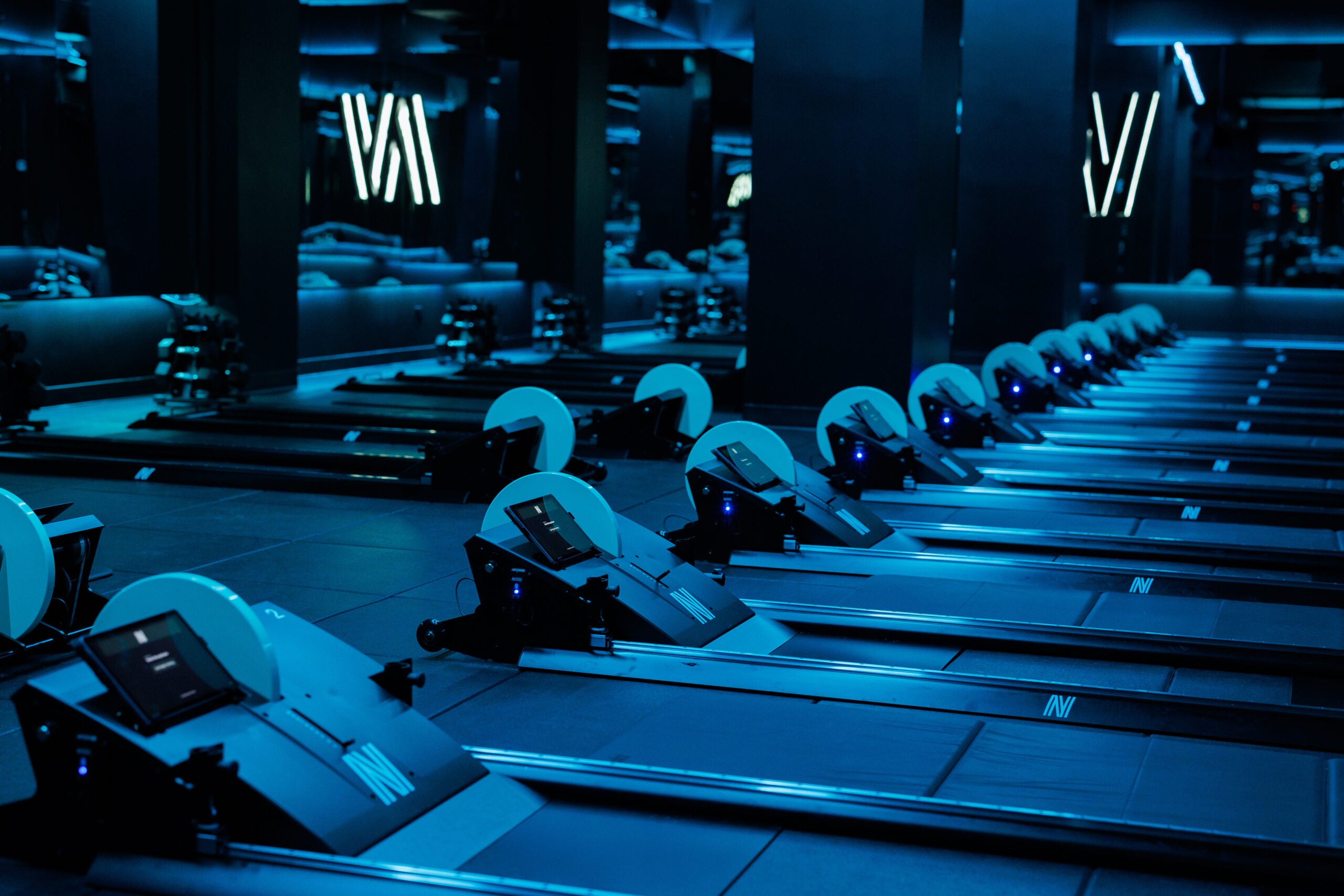
At the core of the studio’s offering is the NRTHRN Trainer, a machine inspired by the specialized equipment used by professional Scandinavian athletes to maintain their conditioning during the off-season. Unlike vertical ski trainers that focus primarily on the "poling" motion and upper body endurance, the NRTHRN Trainer utilizes a horizontal orientation that emphasizes the sliding mechanic essential to the sport.
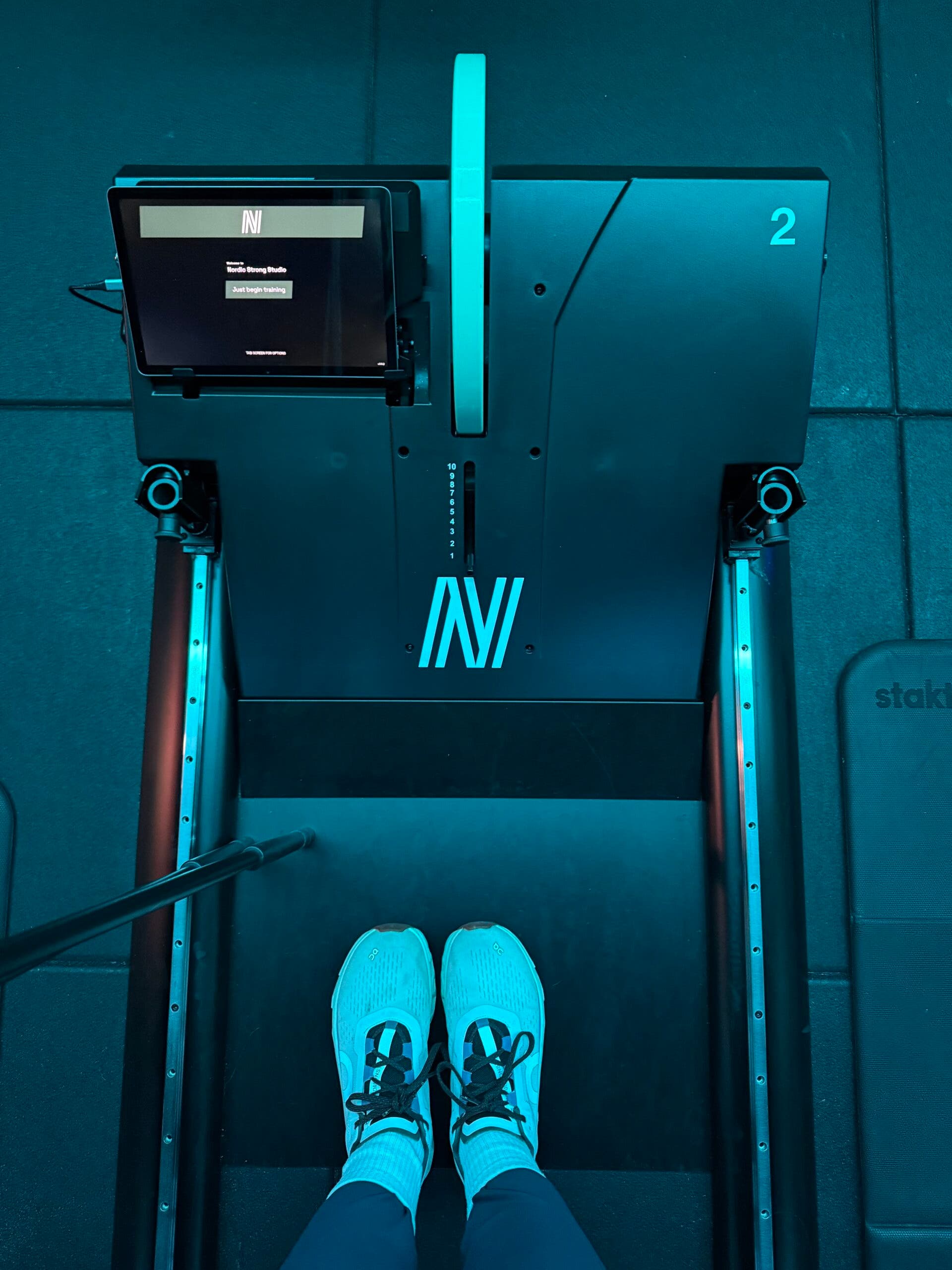
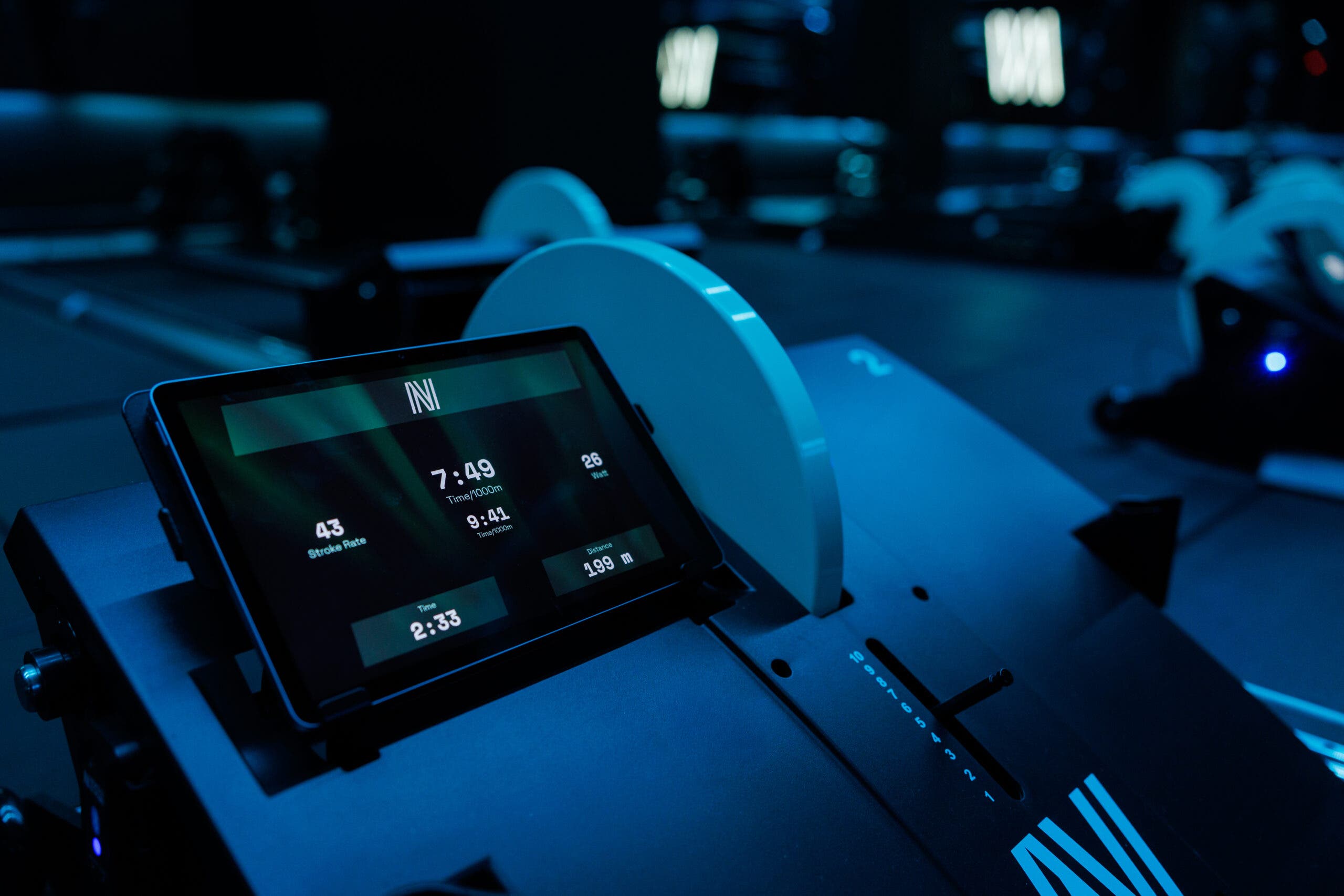
The machine features a dual-pole system where participants insert poles into weighted sockets. These sockets operate on a resistance-based track, similar to the carriage of a Pilates reformer but with the added tension of a rowing machine. A digital interface at the front of the unit provides real-time feedback, displaying metrics such as stroke rate, elapsed time, distance covered, and pace per 1,000 meters. This data-driven approach allows instructors to set objective benchmarks during classes, ensuring that participants maintain specific intensity levels regardless of their prior experience with the sport.
Chronology of Development and Global Expansion
The concept of NRTHRN Strong originated in Copenhagen, Denmark, a region with a deep cultural connection to Nordic sports and a burgeoning "Scandi-wellness" movement. The development of the NRTHRN Trainer underwent several iterations, moving from a niche tool for competitive skiers to a refined commercial product capable of withstanding the rigors of a high-volume fitness studio.
Following success in the Danish market, the company identified New York City as the ideal location for its North American debut. The Flatiron District, often referred to as the "Fit District" due to its high concentration of boutique fitness studios, provided the necessary demographic of health-conscious professionals seeking innovative, low-impact training methods. The New York studio opened in early 2026, marking a significant milestone in the company’s goal to democratize Nordic training.
The timeline of the brand’s growth reflects a broader trend in the fitness industry: the migration of professional-grade athletic equipment into the mainstream consumer market. Just as the Peloton bike and the Concept2 rower transitioned from the training rooms of elite athletes to living rooms and commercial gyms, the NRTHRN Trainer represents the next evolution in specialized "erg" technology.
Methodology: The High-Intensity Interval Circuit
The NRTHRN Strong class structure is built on the principles of High-Intensity Interval Training (HIIT), adapted to maximize "time under tension" while minimizing joint strain. A standard 50-minute session is divided into distinct phases that alternate between the NRTHRN Trainer and floor-based conditioning.
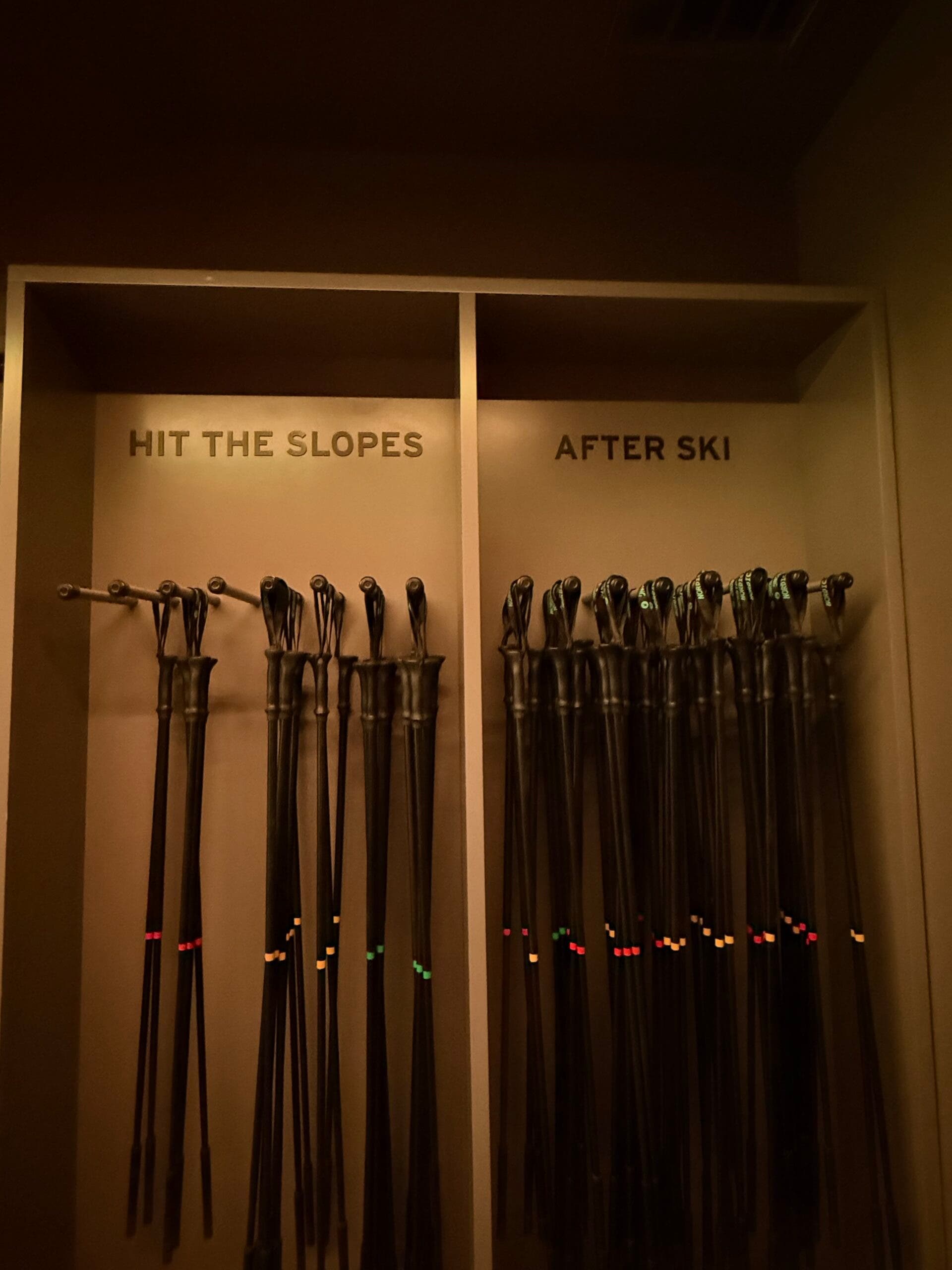
- Technical Orientation: Because the sliding motion is unique to Nordic training, instructors provide a brief period of instruction on pole length selection—which varies based on the user’s height—and the mechanics of the stroke.
- Cardiovascular Intervals: Participants spend approximately ten minutes on the machine per interval, focusing on explosive, plyometric movements. These intervals are designed to elevate the heart rate rapidly, reaching aerobic and anaerobic thresholds.
- Functional Strength and Core: Between machine segments, participants move to mats for targeted lower-body and core exercises. These movements are specifically selected to complement the skiing motion, focusing on the stabilizing muscles of the hips, glutes, and abdominals.
- Integrated Recovery: The low-impact nature of the machine allows for active recovery periods, where participants maintain a steady, rhythmic stroke rate to flush lactic acid while keeping the heart rate elevated.
The "you get out what you put in" philosophy is central to the experience. While the machine provides the resistance, the intensity is dictated by the user’s force and stroke rate. This makes the workout scalable for everyone from professional athletes to those with limited mobility.
Supporting Data and Physiological Benefits
The physiological advantages of this specific form of training are supported by extensive data in the field of exercise science. Because cross-country skiing is a weight-bearing exercise that does not involve the high-impact "pounding" associated with running, it is frequently recommended for injury prevention and rehabilitation.
- Muscle Recruitment: Unlike cycling, which is primarily lower-body dominant, or rowing, which is heavily reliant on the posterior chain, the NRTHRN Trainer engages the triceps, latissimus dorsi, and deltoids through the poling motion, while simultaneously challenging the quadriceps and hamstrings through the sliding "kick."
- Core Stability: The requirement to maintain balance while sliding on the trainer creates a constant demand on the deep stabilizing muscles of the trunk. This "dynamic balance" is a key component of functional fitness that translates to improved posture and reduced back pain.
- VO2 Max Enhancement: Nordic skiers traditionally record some of the highest VO2 max levels (a measure of the body’s ability to utilize oxygen) in the sporting world. By replicating this movement pattern, NRTHRN Strong provides a high-ceiling for cardiovascular improvement.
Industry Reactions and Market Implications
The arrival of NRTHRN Strong has garnered attention from both fitness enthusiasts and industry analysts. The move is seen as a strategic response to the growing demand for "longevity-focused" fitness. As the first generation of boutique fitness consumers ages, there is a marked shift away from high-impact activities that can lead to joint degradation, such as long-distance pavement running or heavy plyometric jumping.
Industry experts suggest that NRTHRN Strong’s success will depend on its ability to educate the public on the benefits of Nordic movement. "The challenge with any new modality is the learning curve," notes one fitness industry consultant. "However, by framing this as a ‘Danish secret’ to full-body health and utilizing a machine that provides clear, actionable data, they are tapping into the current obsession with ‘bio-hacking’ and efficient exercise."
Furthermore, the "lifestyle" aspect of the brand—evoked through studio design features like "Northern Lights" inspired moody lighting and a communal atmosphere—aligns with the modern expectation that a workout should be an immersive experience. The studio’s policy of leaving "egos and attitudes" at the door is a calculated attempt to foster a welcoming environment for beginners, addressing the intimidation factor often associated with high-performance athletic equipment.
Broader Impact on Seasonal Sport Accessibility
Beyond the immediate health benefits, NRTHRN Strong represents a broader movement toward the "democratization of the outdoors." By bringing the mechanics of a mountain-based sport to the center of a concrete metropolis, the company is providing a training ground for those who may only visit the slopes once or twice a year.
Early adopters of the New York studio have reported that the indoor training has a direct "carry-over" effect on their outdoor performance. By building the specific muscle memory and cardiovascular endurance required for cross-country skiing in a controlled environment, participants are better prepared for the physical rigors of the actual sport, potentially reducing the risk of seasonal injuries.
As NRTHRN Strong continues its operations in Copenhagen and New York, the company is reportedly eyeing further expansion into other major urban hubs. The success of this Danish export could signal a new era in boutique fitness, where specialized, low-impact "sport-simulators" become a staple of the urban health landscape. In a market saturated with standard gym equipment, the NRTHRN Trainer offers a unique proposition: the efficiency of the world’s toughest outdoor sport, refined for the modern city dweller.

